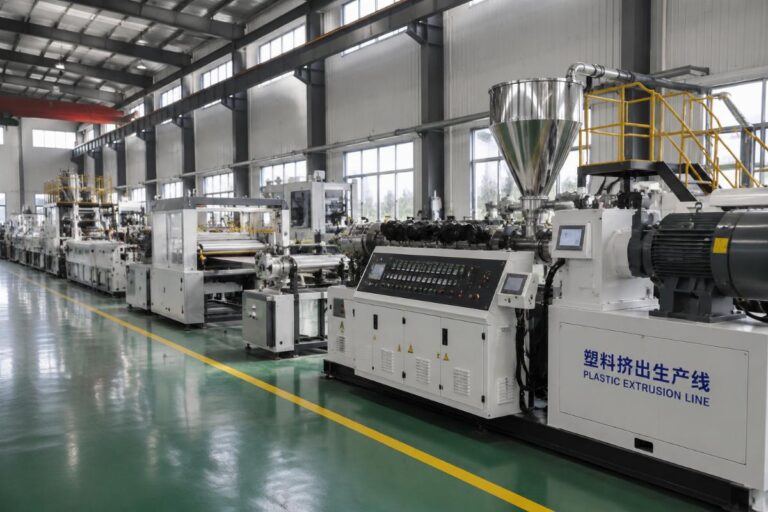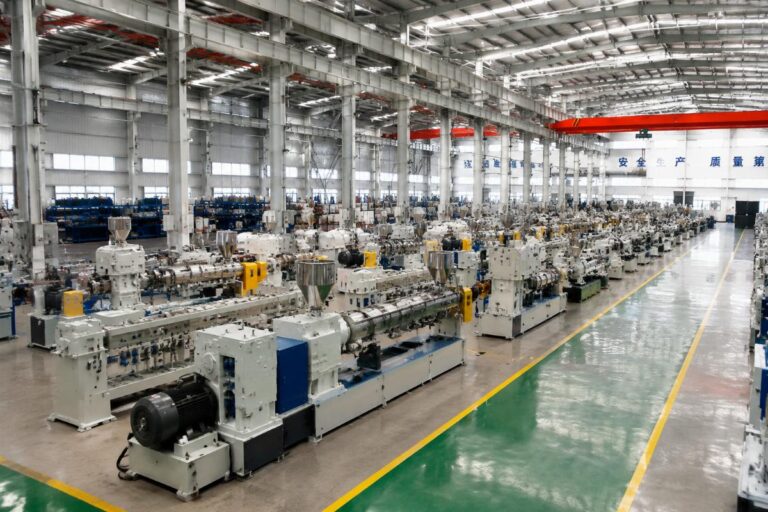
ما الذي يجب أن تمنحه الأولوية عند شراء معدات بثق البلاستيك لخط الإنتاج الخاص بك؟
لا تحتاج إلى الإفراط في الإنفاق على العلامات التجارية الأوروبية للحصول على أنظمة بثق موثوقة ومعتمدة من ISO تحقق أهداف إنتاجك. لعقود، كان معظم منتجي البلاستيك من متوسطي إلى كبار الحجم في الأسواق الناشئة يعتمدون بشكل افتراضي على خطوط البثق الألمانية أو النمساوية الفاخرة، على افتراض أنه لا يوجد بديل يمكنه منافسة أدائها ومتانتها. مسار التوريد لمعدات البثق ذو القيمة الأعلى والمخاطر الأقل يعطي الأولوية لدعم الحلول الجاهزة المتكاملة، والتوافق المادي المُتحقق منه، والتغطية الشفافة لما بعد البيع على حساب اسم العلامة التجارية وحده. لقد عملت مع أكثر من 120 مشتريًا لآلات البثق في 27 دولة على مدار الثماني سنوات الماضية، والخطأ الأكثر شيوعًا وتكلفة الذي أراه هو تثبيت الفرق على قطر المسمار أو أرقام الإنتاج لكل كيلوغرام قبل التحقق مما إذا كان المورد يمكنه تقديم دعم شامل يقلل وقتهم حتى أول دورة إنتاج بنسبة 40% أو أكثر [NEED_CITE: End-to-end turnkey support for extrusion lines reduces factory commissioning time by an average of 42% for new manufacturing facilities].
مع وضع هذا الأساس في الاعتبار، دعنا نحلل العوامل المحددة التي ستحدد نجاح أو فشل عائد الاستثمار في التوريد الخاص بك.
كيف تطابق مواصفات خط البثق مع حالة الاستخدام الإنتاجي الأساسية الخاصة بك؟
One-size-fits-all extrusion setups will cost you 15-25% in wasted raw material and unplanned downtime in the first 6 months of operation. The five core user segments for extrusion equipment each have non-negotiable requirements that generic line configurations cannot meet: pipe producers need consistent high-volume output, recycling operators need systems that handle contaminated feedstock, profile makers need fast die changeover, film producers need high-clarity multi-layer capability, and distributors need flexible OEM support. فئة المعدات
اختيار المواصفات غير المتوافق الشائع
المواصفات المستهدفة الموصى بها لحالة الاستخدام الأساسية
نوع الطارد
طارد أحادي اللولب قياسي لكل معالجات PVC
طارد حلزوني مزدوج مخروطي من نوع SJSZ لإنتاج أنابيب ومقاطع PVC الصلبة [NEED_CITE: توفر الطاردات الحلزونية المزدوجة المخروطية كفاءة طاقة أعلى بنسبة 30% لمعالجة PVC الصلبة مقارنة بالبدائل أحادية اللولب]
توافق الخط
خطوط مُصنفة فقط للراتينج النقي غير المستخدم
وحدات غسيل وتجفيف متكاملة لمعالجة النفايات البلاستيكية بعد الاستهلاك
فقط تغيير طول اللولب لزيادة الإنتاج
تكوين مخصص بالكامل لهندسة اللولب، وواجهة نظام التحكم، ومعالجة المراحل السفلية
في وقت سابق من هذا العام، طلبت شركة تصنيع أنابيب بلاستيكية في كينيا خطًا قياسيًا أحادي اللولب مقاس 65 ملم من مورد رخيص في الخارج، لتكتشف أنه لا يمكنه معالجة مادة PVC المُعاد تدويرها المحلية دون رفض 22% من دفعات الإنتاج بسبب عدم تناسق سمك الجدار. قمنا بتوصيلهم بمورد يمتلك خطوط لولب مزدوجة من نوع SJSZ مسبقة التكوين مصممة لتغذية خليط من المواد البكر والمعاد تدويرها، وقد حققوا هدف الإنتاج البالغ 1200 كجم/ساعة خلال 14 يومًا من التركيب، مع إنتاجية 98.7% في المرور الأول.
التحقق من صحة معايير الإخراج – طلب من الموردين تقديم بيانات تشغيل إنتاج حقيقية لنطاق الإخراج المستهدف (500kg/h إلى 2000kg/h لمعظم عمليات الأنابيب والمقاطع) بدلاً من الأرقام المختبرة فقط. فحص الوحدة النهائية – تأكد من أن الوحدات المضمنة للقطع أو التكديس أو المعايرة تتطابق مع نوع منتجك، سواء كان أنبوبًا مموجًا أو أرضيات WPC أو لوح عالي الوضوح. ما هي التكاليف الخفية التي يجب عليك التخلص منها قبل إبرام عقد المورد؟
السعر المبدئي المعلن لا يشكل سوى 45% من التكلفة الإجمالية للملكية لخط البثق خلال أول 5 سنوات من التشغيل.يركز العديد من المشترين حصريًا على مبلغ الشراء الأولي وينتهي بهم الأمر بدفع رسوم باهظة للتركيب والتدريب وقطع الغيار، مما يمحو أي توفير في التكلفة الأولية. فخ التكلفة الخفية الشائع
رسوم مهندس الموقع المنفصلة والمحددة بعلامة والتي تُحتسب يوميًا
إرسال مهندس مجاني من الخارج للتركيب في الموقع وتدريب المشغلين
تغطية الضمان
ضمان محدود لمدة 6 أشهر فقط لأجزاء المحرك الأساسية
الحد الأدنى لكمية الطلب هو خط كامل واحد بدون عقوبة لطلبات التهيئة المخصصة
أخبرني مالك منشأة إعادة تدوير في كولومبيا في الربع الأخير أنه كان قد خصص في البداية ميزانية قدرها 18,000 دولار أمريكي للتركيب والتدريب المشغلين لخط التحبيب الذي طلبه من مورد أوروبي، لكنه فوجئ بفواتير إضافية بقيمة 12,700 دولار أمريكي مقابل الدعم الممتد في الموقع، وذلك عندما لم يتمكن الخط من معالجة النفايات البلاستيكية المختلطة المحلية التي كان يعالجها. وعندما انتقل إلى مورد يشمل جميع خدمات دعم التركيب في السعر الأساسي للخط، انخفضت التكلفة الإجمالية للمشروع بنسبة 38% عن ميزانيته الأصلية [NEED_CITE: Inclusive turnkey pricing for extrusion lines reduces unplanned project overspend by an average of 38% for recycling and pipe manufacturing operations].
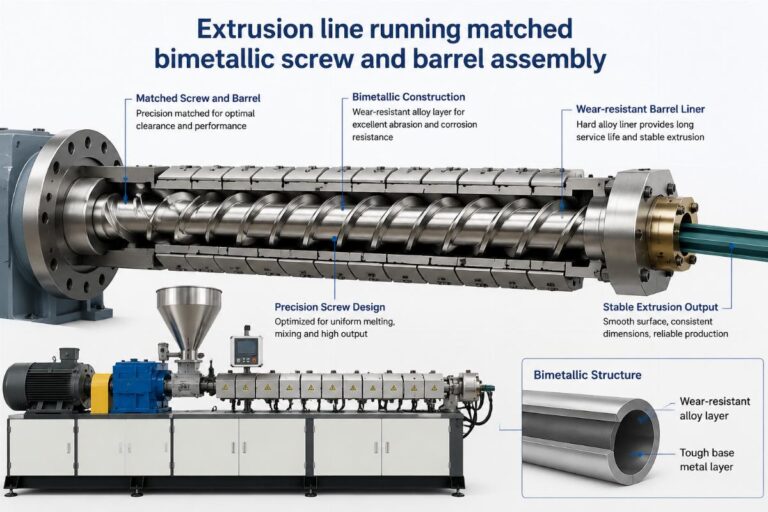
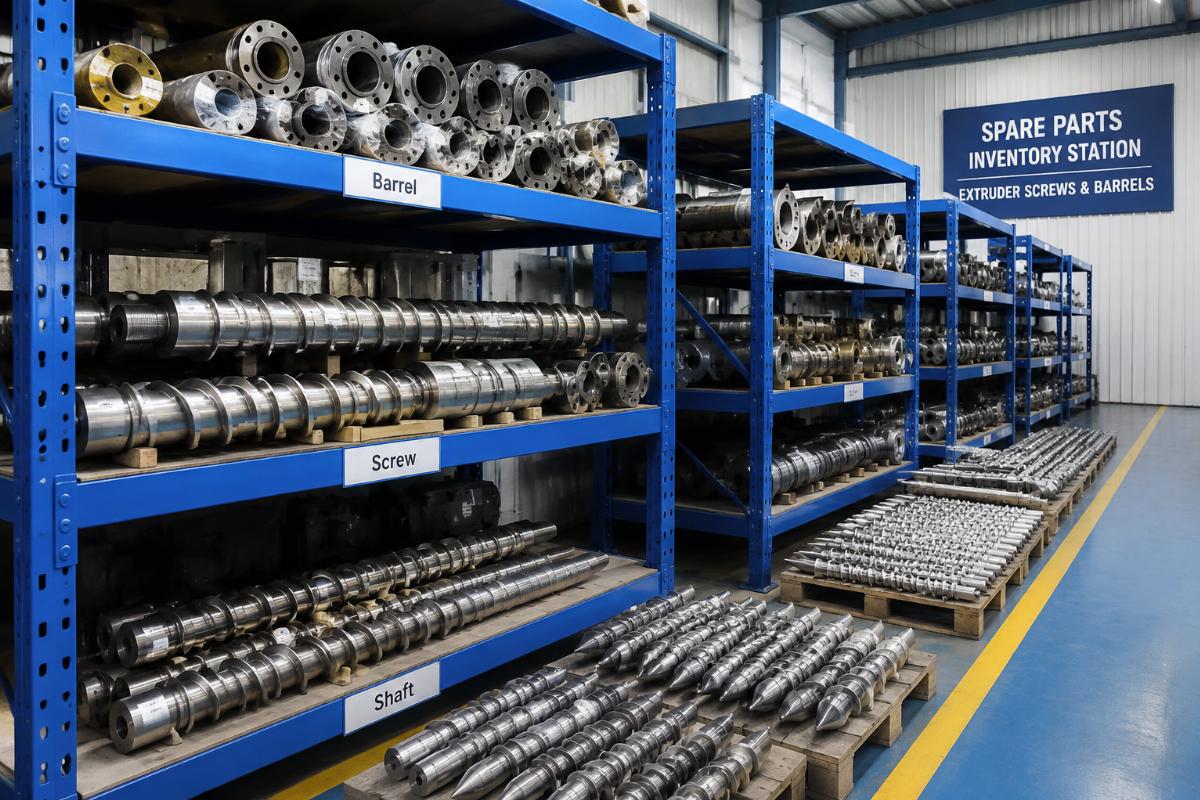
تدقيق بنود التسعير – اطلب تفصيلًا كاملًا للأسعار بدون حزم يوضح صراحةً جميع الخدمات المضمنة، ولا يُسمح بأي رسوم إضافية مخفية. ملحقات قطع الغيار – أكد أن أجزاء التآكل القياسية مثل البراغي والبراميل ثنائية المعدن متوفرة في المخزون ويمكن شحنها إلى موقعك خلال 10 أيام عمل. كيف تتحقق من قدرة المورد على تقديم دعم ثابت وطويل الأمد؟
المورّدون الذين لا يمكنهم إظهار سجل حافل من المشاريع في منطقتك سيتركونك عالقًا لمدة 3+ أشهر إذا تعطل مكون حاسم في منتصف الإنتاج. إن أكثر مصنعي معدات البثق موثوقية لا يبيعون الآلات فقط: بل لديهم سجل حافل في تقديم حلول تسليم مفتاح كاملة، وحصولهم على شهادات معترف بها دوليًا، وبناء أنظمة تعمل مع البنية التحتية المحلية ومستويات مهارات المشغلين في سوقك. ممارسة تدقيق كسولة وغير موثوقة
ممارسة تدقيق صارمة ومنخفضة المخاطر
قبول شهادات الجودة المحلية العامة فقط
طلب 3+ مراجع عن خطوط تشغيلية في نفس بلدك وقطاع الإنتاج الخاص بك
توافق نظام التحكم
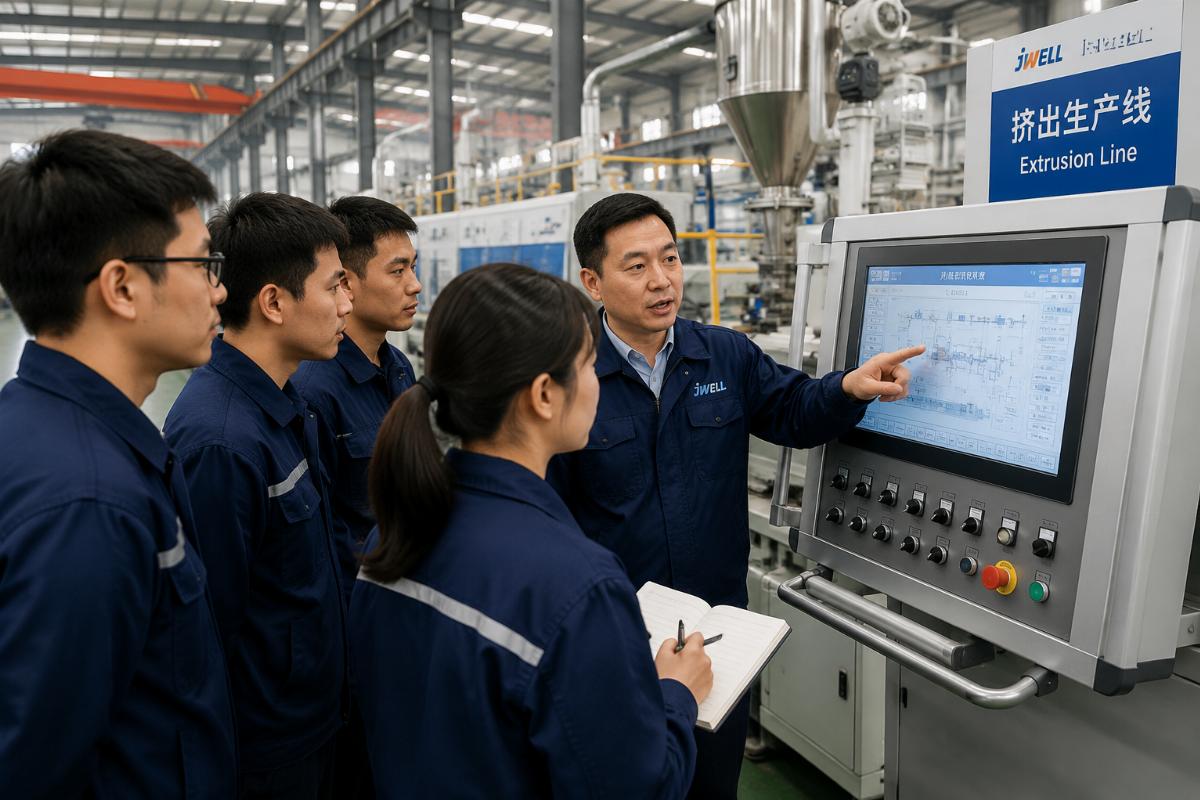
تأكيد أن الخط يستخدم أنظمة Siemens PLC و Delta VFD مع خيارات واجهة للغة الإنجليزية أو الروسية أو الإسبانية
Last year, a distribution company based in Vietnam was vetting three different extrusion line suppliers, and one small supplier offered a quote 22% lower than the other two, but could not provide any references of projects in Southeast Asia and could not confirm CE certification for their lines. The distributor chose a supplier with over 20 years of manufacturing experience, a 40,000+ square meter production facility, and 17 existing operational lines across Vietnam, and their first delivered project was commissioned 21 days ahead of schedule with zero post-installation defects. زيارة موقع مرجعي – قم بجدولة جولة افتراضية مدتها ساعة واحدة لخط مرجعي موجود في منطقتك لمشاهدة أداء الإنتاج الحقيقي عن كثب. اختبار نظام التحكم – اطلب عرضًا توضيحيًا مدته 15 دقيقة لواجهة التحكم في الخط بلغتك المفضلة لتأكيد أنها تعمل مع فريق المشغلين الحالي لديك. خاتمة
لا يتطلب الحصول على معدات بثق عالية الأداء الاختيار بين الأسعار الأوروبية المتميزة والواردات العامة منخفضة الجودة التي تفتقر إلى الدعم. من خلال مواءمة مواصفات الخط مع حالة الاستخدام الإنتاجي الدقيقة، وإلغاء التكاليف الإضافية المخفية من عقد المورد، والتحقق من سجلات الدعم الإقليمي المثبتة، يمكنك تأمين خط تسليم مفتوح كامل يلبي أو يتجاوز أداء أنظمة العلامات التجارية المتميزة بتكلفة أقل بنسبة 30-50%. يقلل هذا الأسلوب من وقت الوصول إلى الإنتاج الكامل بمتوسط 6 أسابيع، ويخفض فترات التوقف غير المخطط لها في السنة الأولى بنسبة 70%، ويحقق عائد استثمار إجمالي ملكية أعلى مرتين من أي من طرفي سوق التوريد. المفتاح هو إعطاء الأولوية لتقديم الحلول على سعر الملصق أو اسم العلامة التجارية، وبناء شراكة طويلة الأجل مع مورد يفهم التحديات الفريدة لقطاع الإنتاج الخاص بك والسوق الإقليمي.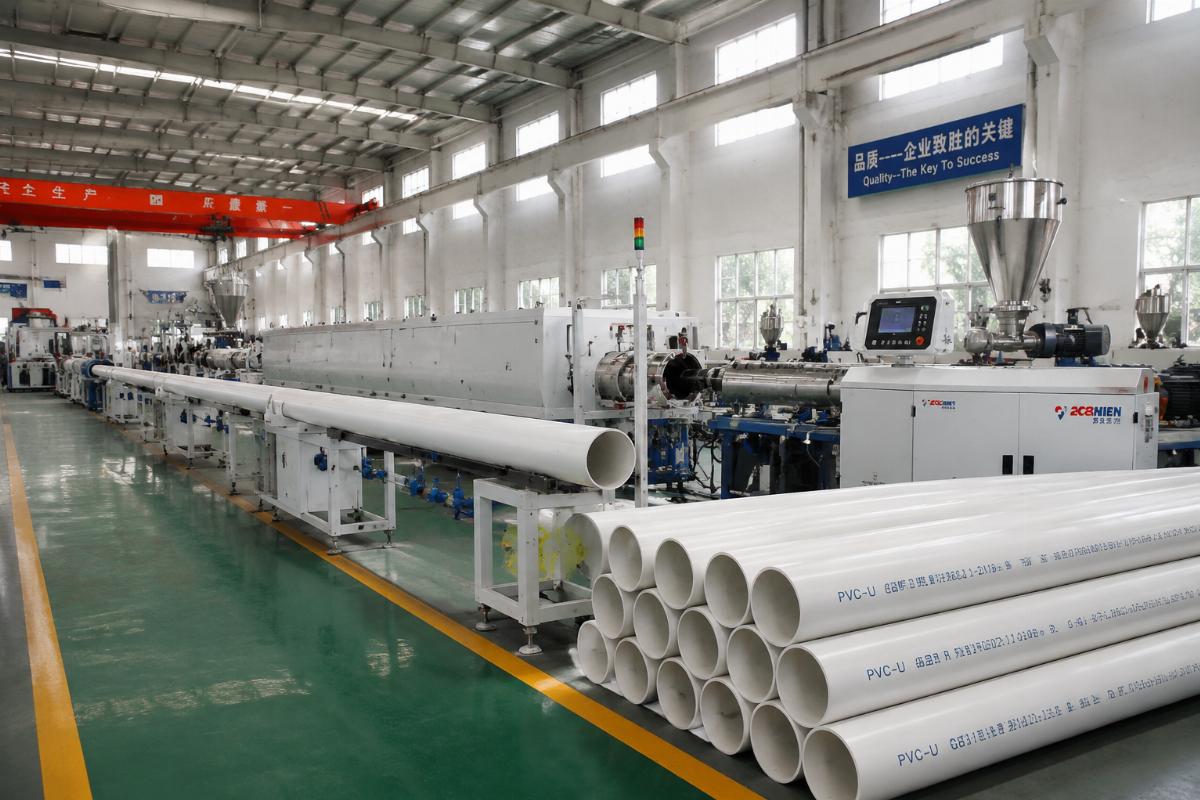
Customization Scope
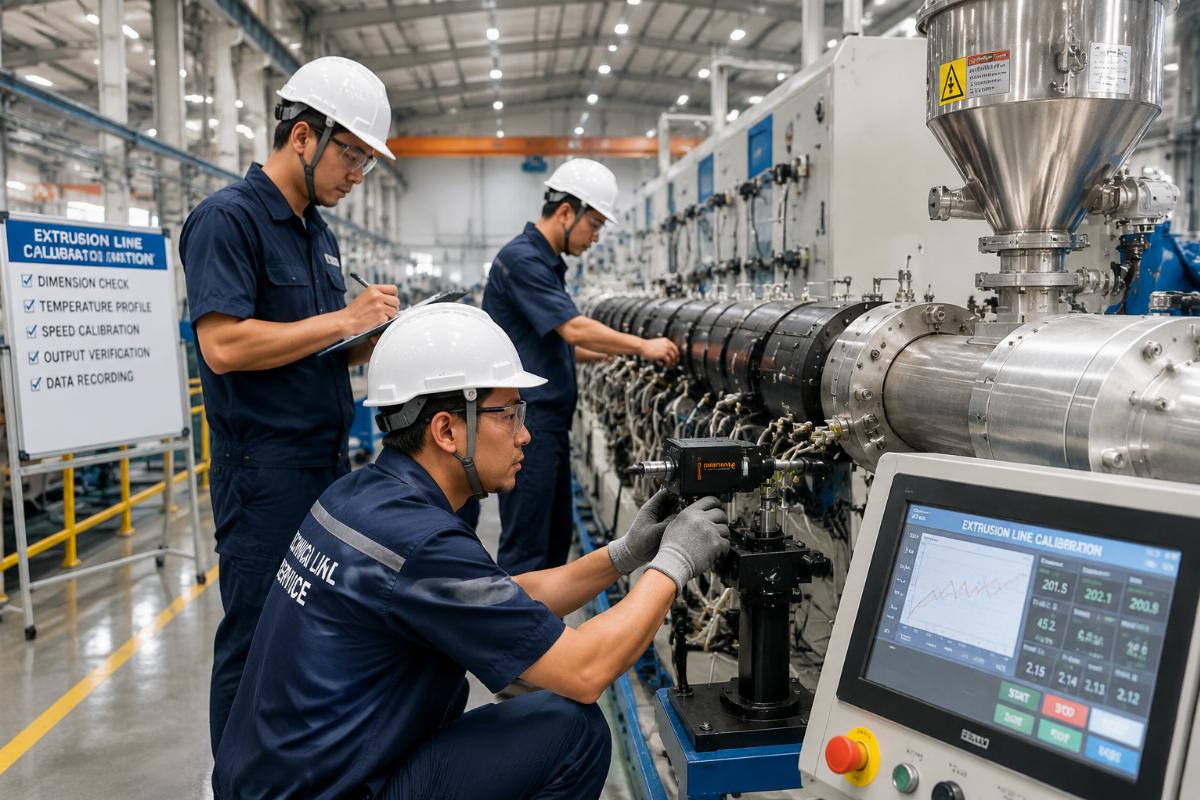
Cost Component
Transparent, Low-Risk Pricing Structure
Installation & Training
2-year full system warranty with lifetime free technical support
Minimum Order Requirements
10+ unit minimums even for standard component orders
Verification Step
Supplier Certifications
Requiring valid, up-to-date ISO 9001 and CE certifications for all production lines
Reference Check Scope
Asking for 1-2 generic references with no location details
Assuming pre-installed interfaces work for your team

Written by
author
Editor covering global sourcing, supplier verification, and industrial product knowledge. Content is compiled from manufacturer specifications, industry standards, and hands-on experience with international B2B buyers. Every article is fact-checked before publishing to help procurement professionals make informed decisions.