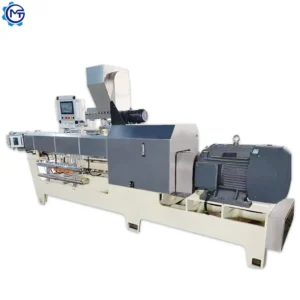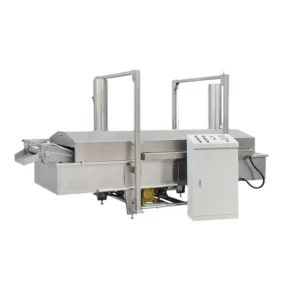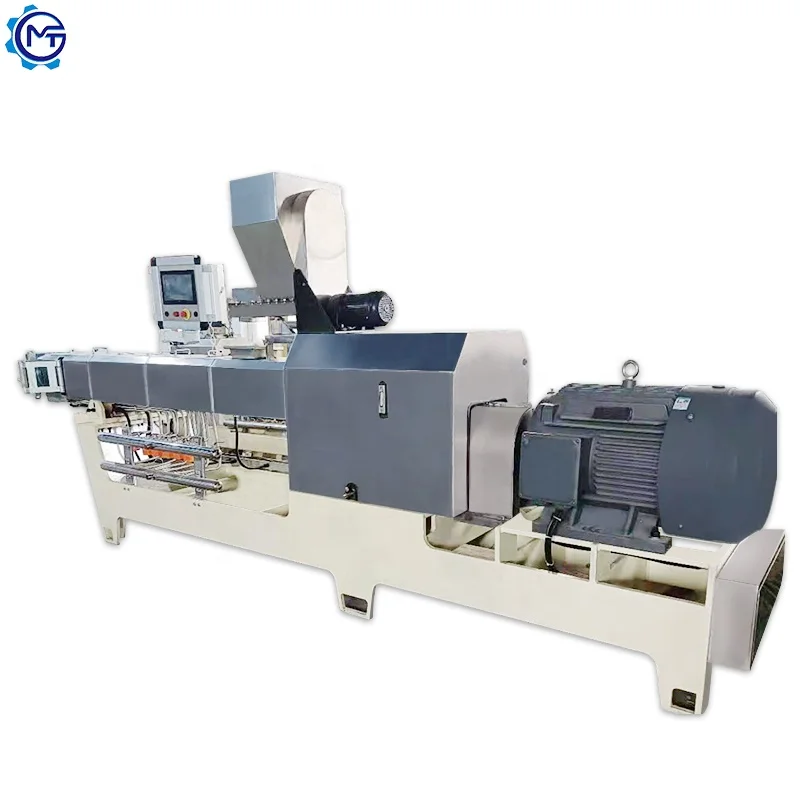
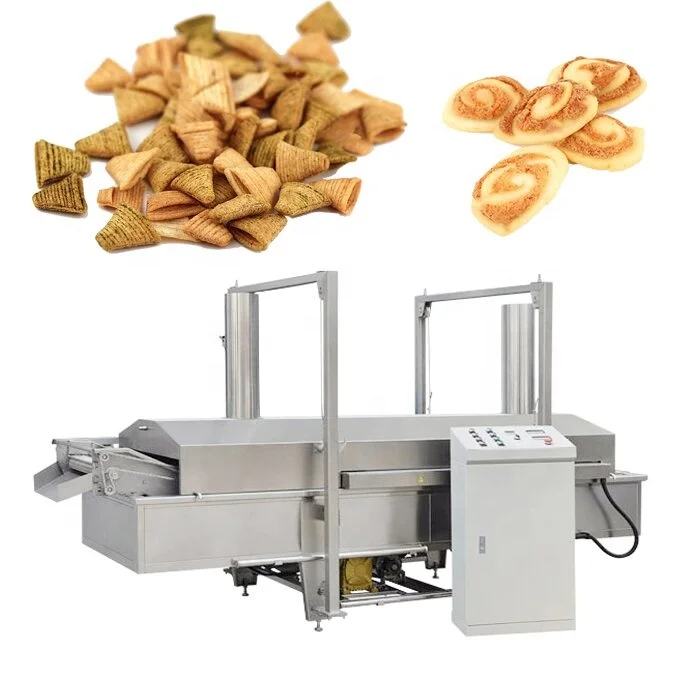

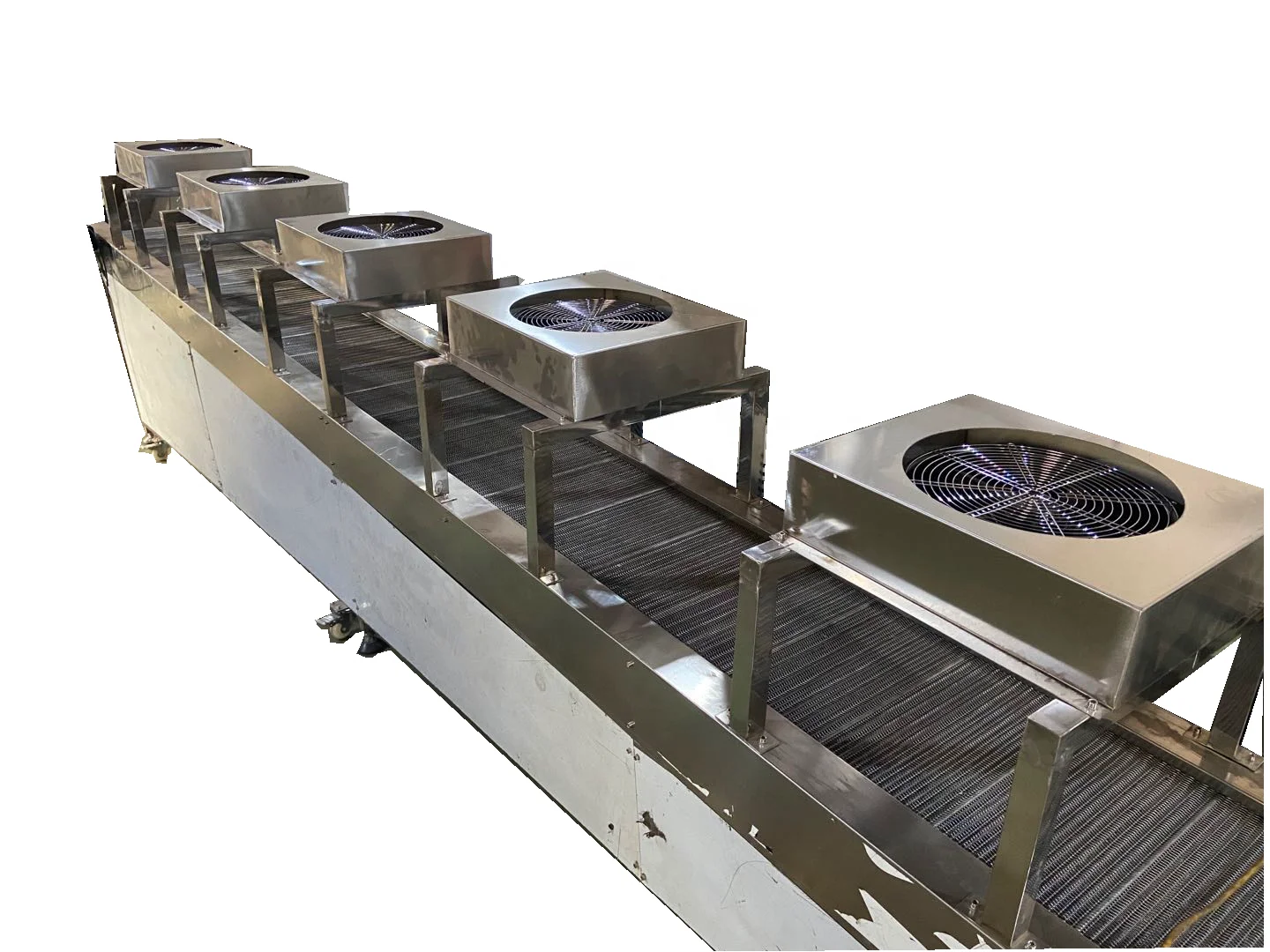
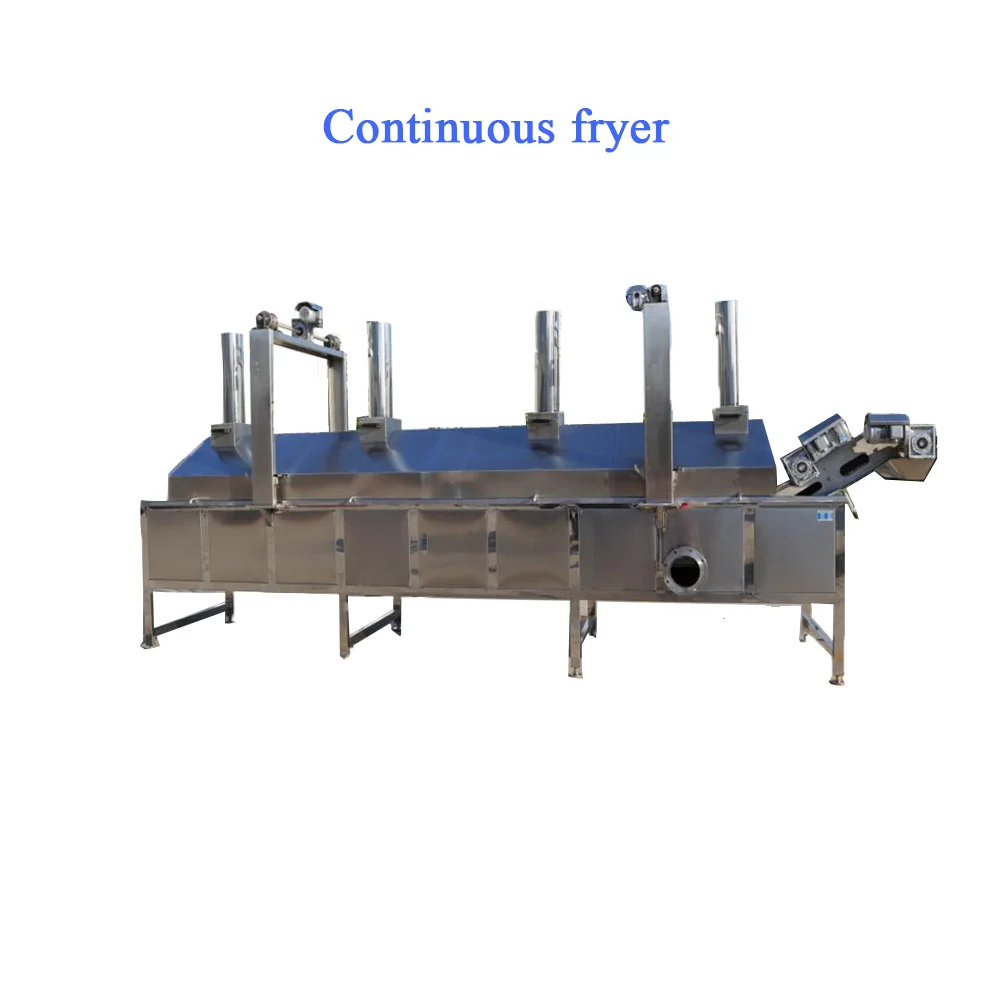

MT65 / MT70 / MT85 / MT75 / MT95 Fried Snack Food Processing Line, Double Screw Extruder, 0–260°C Fryer — configured as a complete turnkey project from mixing and extrusion through shaping, frying, seasoning, and drying. Each station is throughput-matched to your raw material and target product shape, preventing bottlenecks across the line. Screw configuration and die design are specified per your formulation, with trial runs conducted in our testing workshop before shipment. Layout design, commissioning schedule, and operator training are included for fully integrated project delivery.
- CE and ISO certified
- 1-year warranty with lifetime maintenance
- In-house testing workshop validates output on your actual raw material before delivery
Description
Screw Configuration Matched to Your Dough — Every die and screw element is specified after reviewing your flour blend and target chip geometry, preventing the density and texture mismatches that generic builds cause on actual production runs.
Technical Specifications
| Parameter | Value |
|---|---|
| Model | MT65 / MT70 / MT85 / MT75 / MT95 |
| Product Type | Fried Snack Food Processing Line |
| Screw Type | Double Screw Extruder |
| Installed Power | MT65: 142 kW; MT70: 185 kW; MT85: 240 kW; MT75: 245 kW; MT95: 370 kW |
| Real Power Consumption | MT65: 100 kW; MT70: 130 kW; MT85: 180 kW; MT75: 185 kW; MT95: 280 kW |
| Output Capacity | MT65: 120–150 kg/h (basis to be confirmed); MT70: 200–250 kg/h (basis to be confirmed); MT85: 300–500 kg/h (basis to be confirmed); MT75: 400–500 kg/h (basis to be confirmed); MT95: 800–1000 kg/h (basis to be confirmed) |
| Overall Dimensions (L×W×H) | MT65: 22000×1200×2200 mm; MT70: 24000×1500×2400 mm; MT85: 26000×1500×2300 mm; MT75: 26000×1500×2800 mm; MT95: 30000×1500×2800 mm |
| Extruder Main Motor (MT70 ref.) | 30 kW |
| Fryer Temperature Range | 0–260 °C |
| Powder Mixer Tank Volume | 150 kg per batch |
| Powder Mixer Mixing Time | Approximately 10 min per batch |
| Line Stations | Mixing → Extrusion → Shaping/Cutting → Frying → Flavoring/Seasoning → Drying |
| Assembly State | Complete turnkey processing line |
| Standards | CE, ISO |
Application Suitability
| Application | Material or Output |
|---|---|
| Rice crust chips and bugles | Flour-based doughs with varying starch content |
| Pizza rolls and tortilla chips | Wheat and corn flour blends shaped before frying |
| Triangle and corner crisps | Extruded and cut dough sheets at controlled moisture |
| 3D shapes (gourds, ducks, Christmas trees) | Specialized die inserts matched to dough rheology |
What "Rated Capacity" Leaves Out on a Fried Snack Line
A fried snack food processing line turnkey only hits its nameplate output when every station is sized to the same throughput on your specific dough formulation.
I have walked into workshops where the extruder was pushing product faster than the fryer could handle it, causing a backlog of cut pieces sitting on belts losing moisture and deforming before they ever reached hot oil. The rated kg/h figure on a quotation means little if the fryer capacity, flavoring drum volume, and dryer belt speed were selected from a catalog page rather than calculated against your actual recipe and cut size [NEED_CITE: station throughput matching methodology for extruded snack lines]. When a line is assembled from separate vendors, each unit may perform well alone but create a choke point where two stations meet.
Throughput Balancing Across Every Station
A fried snack food processing line turnkey requires the powder mixer batch cycle, extruder screw speed, fryer belt travel, and flavoring drum rotation to all resolve to the same kilograms per hour on the product you actually intend to run. If the fryer handles less volume than the extruder produces, cut pieces accumulate and stick together before frying. If the flavoring drum is undersized, seasoning coverage becomes uneven and product must wait in buffer bins that introduce cooling and moisture migration issues. Each station in this line is sized during the layout phase against your target cut weight and dough moisture so that no single machine dictates a lower ceiling for the whole line.
Die Geometry and Dough Rheology
The shape of a bugle, pizza roll, or rice crust chip is determined entirely by the die insert and the shear profile inside the barrel. A dough with higher corn flour content behaves differently under pressure than a predominantly wheat-based mix, and the screw element arrangement must account for that difference to maintain consistent expansion at the die face [NEED_CITE: twin-screw element arrangement and dough expansion behavior]. Generic screw builds copied from one product format to another produce chips that are either too dense to fry evenly or too fragile to survive conveying into the fryer. Screw configuration and die design are specified against your raw material sample before production begins.
Power Draw and Electrical Infrastructure
Installed power figures across the five models range from 142 kW on the MT65 to 370 kW on the MT95, while real running consumption sits considerably lower. This gap between installed and real power reflects motor starting surge and peak load allowance rather than continuous draw, but it still dictates transformer sizing and cable specifications at the facility level. The fryer heating elements alone represent a substantial portion of the thermal load, and if the local supply cannot sustain the required amperage on a dedicated circuit, temperature recovery after product entry slows noticeably. Voltage, frequency, and control language are confirmed during the specification stage so that panels and heating elements match the destination market before the line ships.
Reading the Specification Sheet Correctly
The distinction between installed power and real power matters for utility planning but also reveals how much headroom each motor carries. The MT70 extruder, for example, lists a 30 kW main motor with actual running consumption in the 30–35 kW range on the extruder itself, indicating the screw elements are working close to their design torque on standard dough formulations. Overall dimensions span from 22 meters in length for the MT65 up to 30 meters for the MT95, which means the ceiling height requirement alone — reaching 2800 mm on the larger models — must be verified against your workshop before any foundation work starts. Fryer temperature range of 0–260 °C covers the span needed for everything from low-temperature rice crust crisping through high-heat corn chip finishing, though the exact setpoint depends on oil type, cut thickness, and target final moisture.
The Cost of Skipping the Layout Phase
When a fried snack line arrives at a facility without prior dimension verification, the consequences cascade. An extruder that cannot pass through the workshop door requires partial disassembly and reassembly, introducing alignment issues on barrel sections that were torqued at the factory. A fryer positioned without adequate exhaust duct clearance creates an oil mist hazard that local inspectors will flag during commissioning [NEED_CITE: industrial fryer ventilation and fire suppression requirements]. These are not theoretical delays — they represent weeks of lost production on equipment that was supposed to be running from day one.
Why Source the Full Line from One Build
Every station on this fried snack food processing line turnkey is selected and matched by the same engineering team, so throughput calculations stay consistent from the mixer through to packing. The in-house testing workshop runs your actual raw material before the line ships, producing a trial report that documents screw speed, barrel temperatures, and cut weight against your target product specification. Screw and die configuration records travel with the machine, giving your maintenance team the reference needed when ordering replacement wear parts. Electrical schematics and voltage documentation are prepared to destination market standards, reducing the back-and-forth that delays commissioning on arrival.
Documentation & Verification
- Line layout drawing with station-by-station throughput matched to your dough recipe
- Screw and die configuration record specifying element arrangement for your chip shape
- Trial run report on your raw material documenting cut weight and fryer setpoints before dispatch
- Electrical schematic with voltage, frequency, and panel labeling confirmed for your market
- CE declaration of conformity and ISO certificate for import clearance and local inspection
Installation, Commissioning & Support
- Floor plan review to confirm the 22–30 meter line length and 2.2–2.8 meter ceiling clearance fit your workshop
- Dedicated circuit sizing based on real power draw figures from 100 kW to 280 kW depending on model selected
- On-site barrel alignment verification after transport, particularly for MT85 and above where section count increases
- Fryer temperature profiling and oil circulation commissioning with your chosen frying oil type
- Operator training covering screw speed adjustment, die changeover, and fryer belt speed synchronization
- Wear parts list with screw element and die insert part numbers for first reorder planning
What to Include in Your Inquiry
To move past a generic quotation and into a layout that actually fits your facility, the most useful information you can provide starts with your target product shape and the flour blend you intend to run. Workshop length, width, and clear ceiling height determine which model fits and whether the line runs straight or requires a return leg. Local voltage and frequency, along with the preferred control panel language, need confirming before electrical panels are wired.
Frequently Asked Questions
Q: On what basis is the output capacity measured for each model?
A: The listed kg/h figures require confirmation against your specific dough formulation, moisture content, and cut piece weight. A trial run on your raw material in the testing workshop establishes the actual achievable throughput before the line is finalized, so the capacity figure you work with reflects your product rather than a generic test medium.
Q: How are the fryer and flavoring drum sized relative to the extruder?
A: Each station is calculated against the extruder output on your dough recipe. The fryer belt speed and oil volume, flavoring drum diameter and rotation rate, and dryer belt length are all matched so that product moves continuously without accumulation or idle time between stations.
Q: How is the screw and die tooling chosen for different chip shapes?
A: Bugles, rice crust chips, triangles, and 3D shapes each require a specific die insert and screw element arrangement to control dough shear and expansion. Your target product shape and flour blend are reviewed during the specification stage, and the tooling record is documented for future replacement orders.
Q: What electrical details need confirming before the line is built?
A: Voltage, frequency, and control panel language must match your facility standards. These are confirmed during the specification phase so that motor windings, heating elements, and PLC interfaces arrive configured for your local supply, avoiding rewiring delays during commissioning.
Q: What does on-site installation and commissioning cover?
A: Engineers verify foundation levels, barrel alignment, and electrical connections, then run the line on your raw material to set screw speed, fryer temperature, and seasoning drum parameters. Operator training covers daily startup, die changeover, and wear part replacement procedures specific to your model.
Related products
-
Doritos Chips Making Extruder Fried Corn Bugles Crispy Chips Process Machine Frying Salad Sticks Pellet Snacks Production Line
¥100.00 Select options This product has multiple variants. The options may be chosen on the product page -
Frying Crispy 3D Corn Bugles Pellets Fried Chips Snacks Food Machine Production Line Bugles Making Extruder
¥100.00 Select options This product has multiple variants. The options may be chosen on the product page -
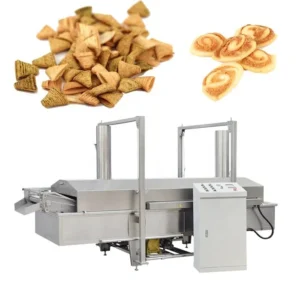
Double Screw Extruder Corn Flour Puffs Snack Nacho Chips Tortilla Doritos Making Machine Savory Snack Production Line
¥50.00 Select options This product has multiple variants. The options may be chosen on the product page -
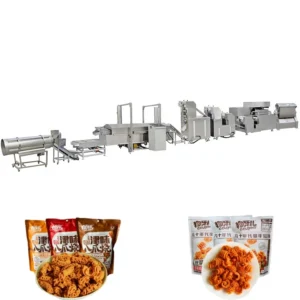
Puffed Octopus Snack Processing Line – Full-Automatic Fried Octopus Production Machinery
¥65.00 Select options This product has multiple variants. The options may be chosen on the product page