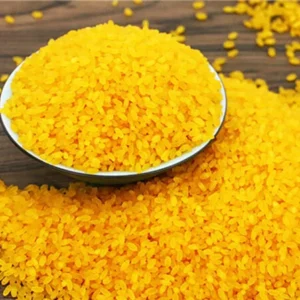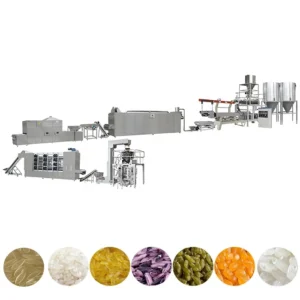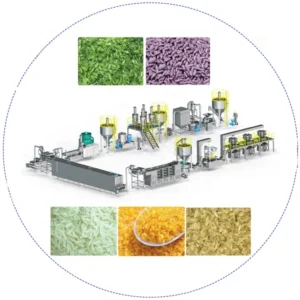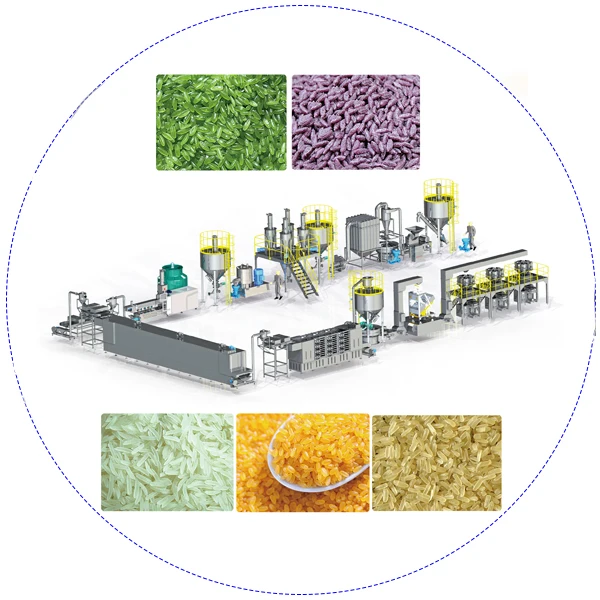
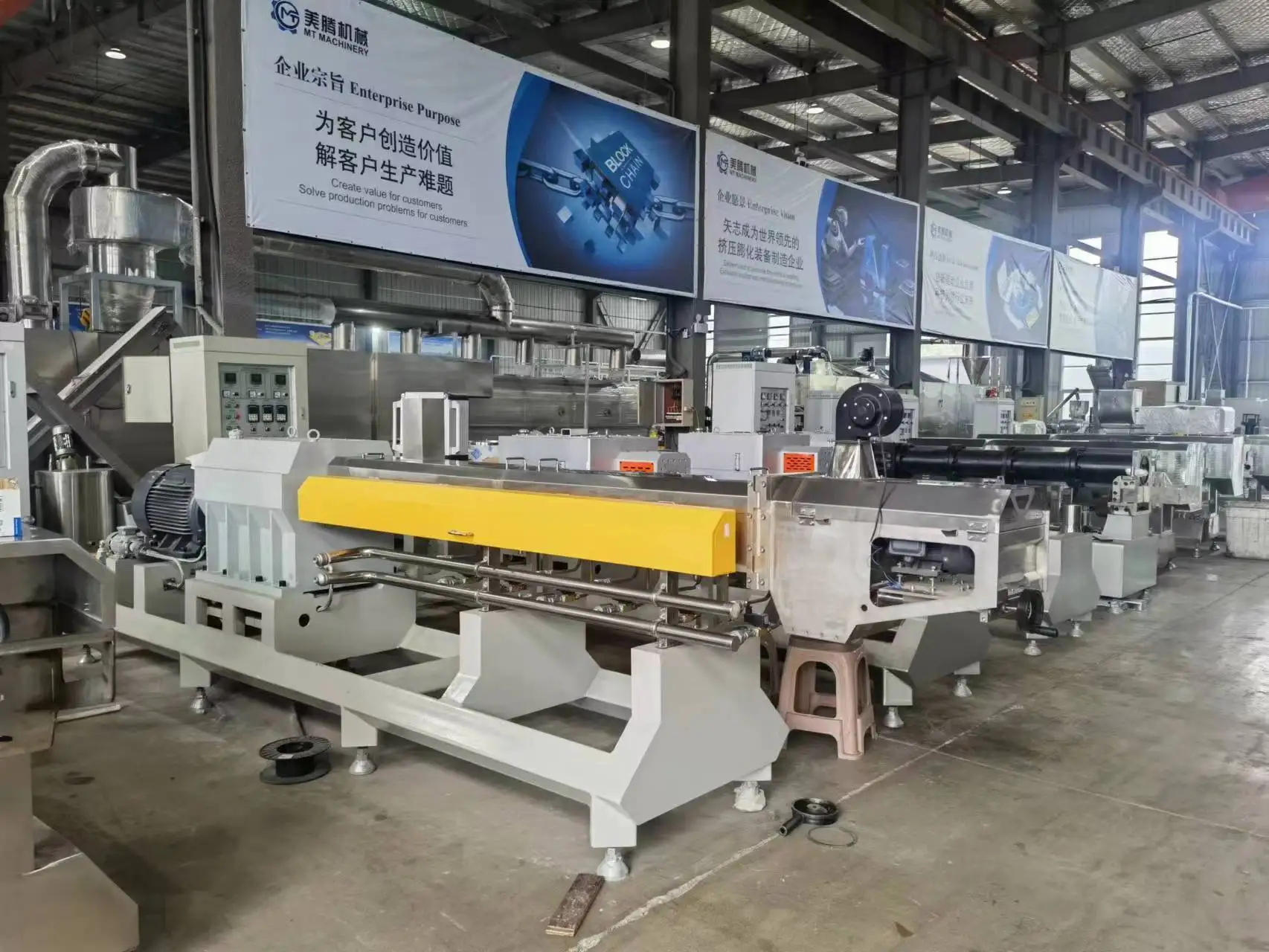
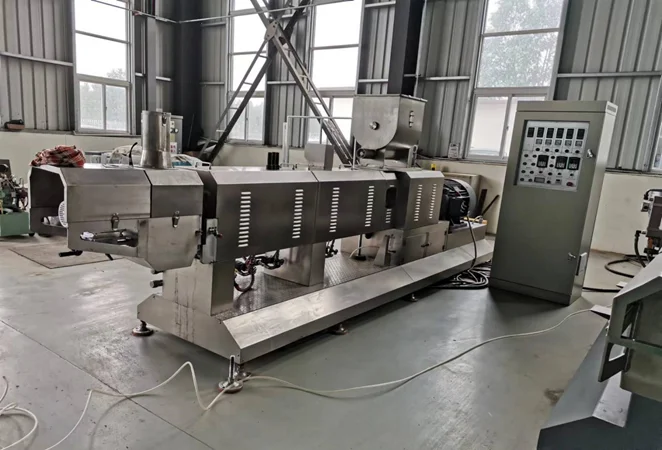
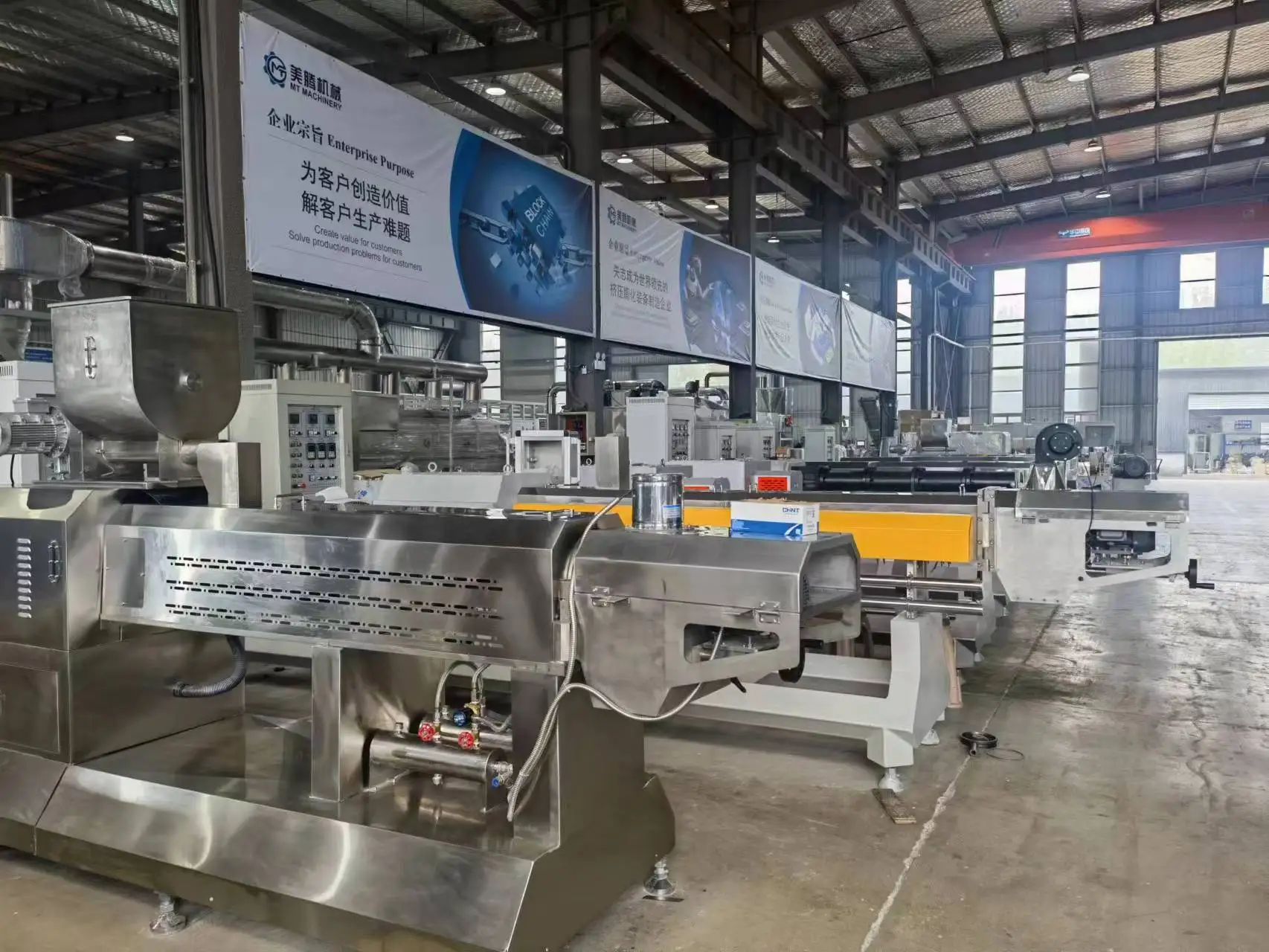
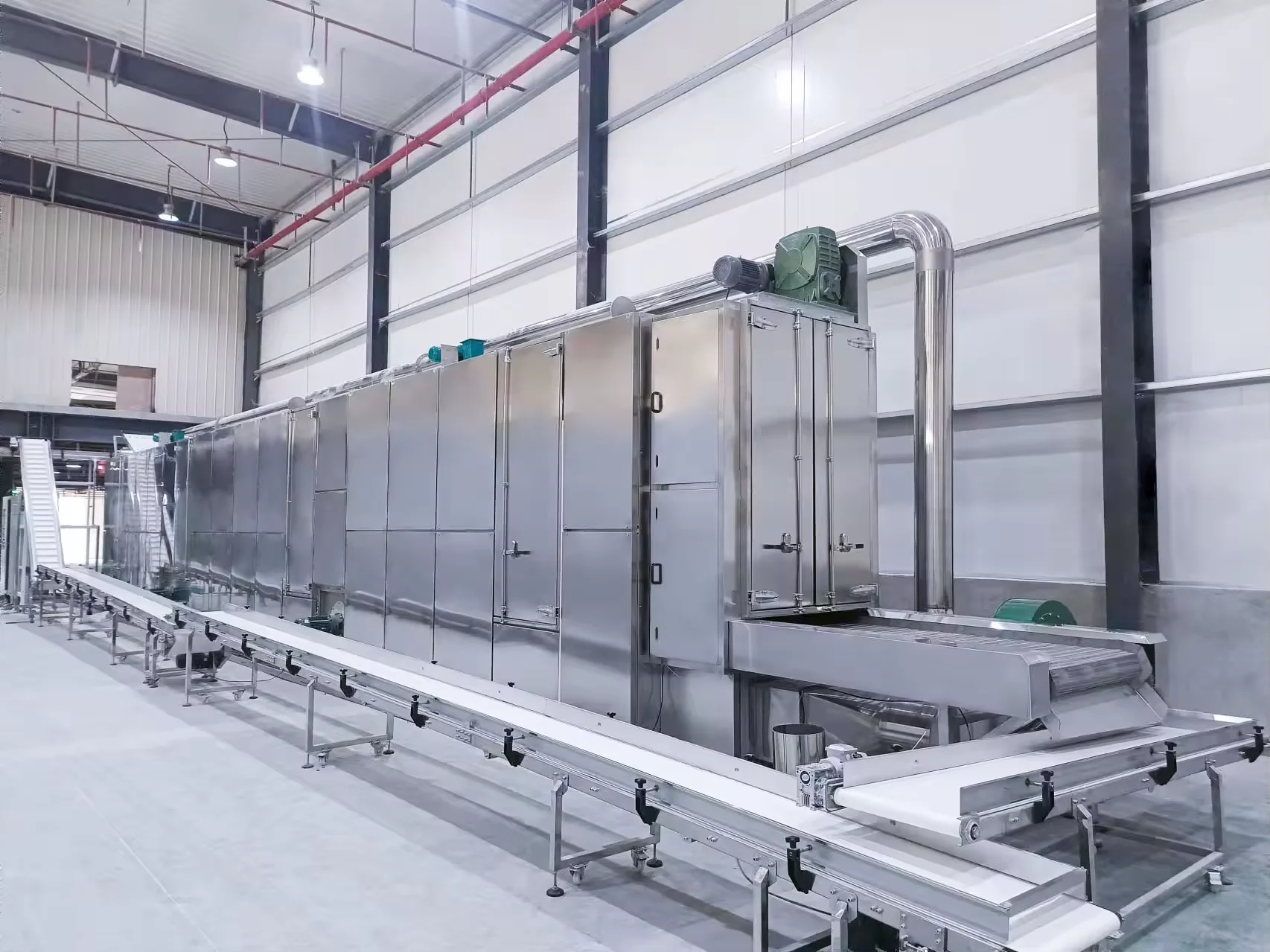
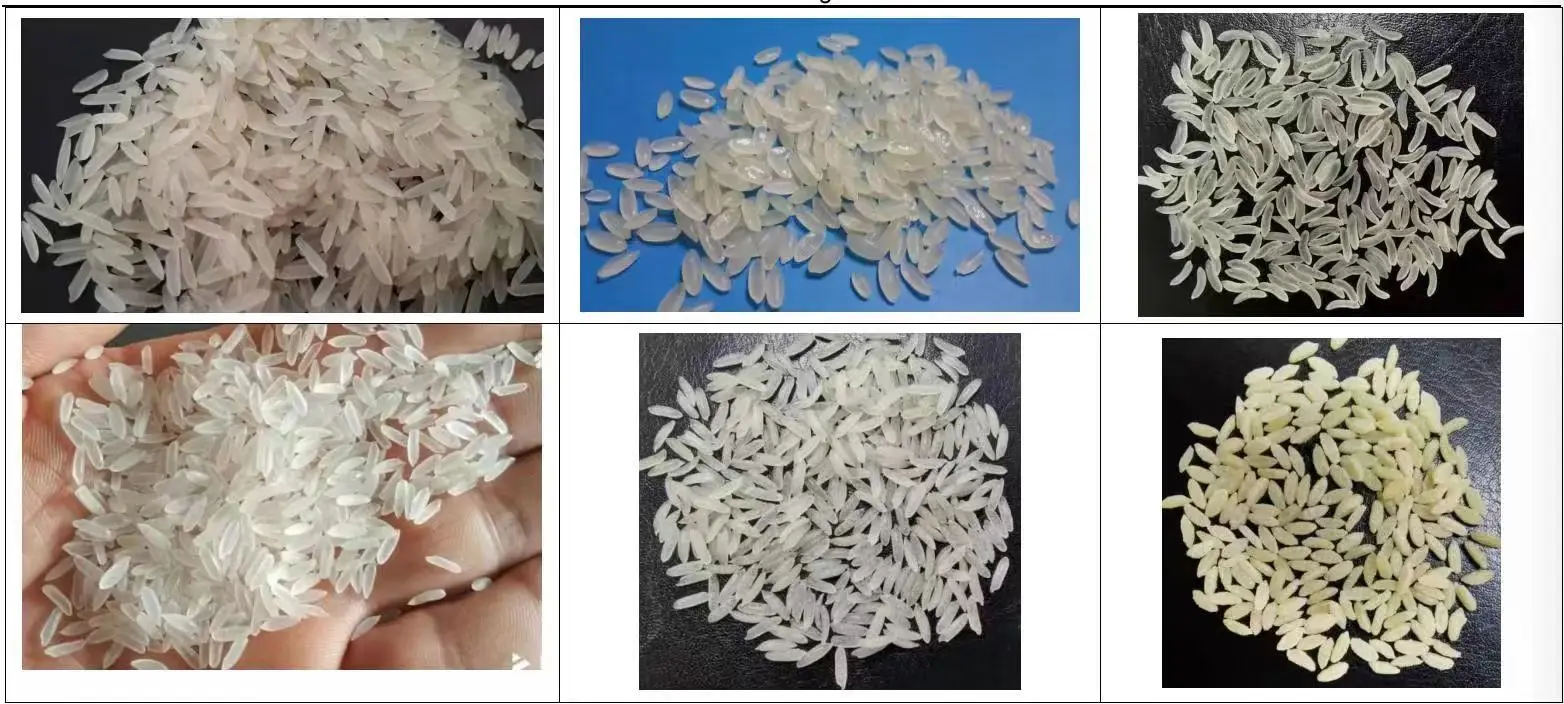
MT65 / MT70 / MT85 / MT75 / MT95 Fortified Rice Kernel Extrusion Line, Twin-Screw, 220V/380V — engineered as a complete turnkey project from mixing through extrusion, drying, roasting, cooling and packing. Every station’s throughput is matched to your target output and raw material, with screw and die configuration specified to the kernel shape and density your market requires. Phased installation, on-site commissioning and operator training ensure the line runs at rated capacity from day one.
- In-house trial runs on your raw material before shipment
- Line layout and capacity calculation provided for every station
- Voltage, frequency and control language confirmed to your facility
Description
Throughput-Matched Engineering — Every station from batching to packing is sized against the extruder’s actual output on your raw material, eliminating bottlenecks that leave downstream equipment idling.
Technical Specifications
| Parameter | Value |
|---|---|
| Model | MT65 / MT70 / MT85 / MT75 / MT95 |
| Product Type | Fortified Rice Kernel Extrusion Line |
| Screw Type | Twin-screw |
| Installed Power | 85 kW (MT65) / 120 kW (MT70) / 180 kW (MT75) / 235 kW (MT85) / 260 kW (MT95) |
| Power Consumption | 60 kW (MT65) / 85 kW (MT70) / 135 kW (MT75) / 165 kW (MT85) / 195 kW (MT95) |
| Output Capacity | 80–100 kg/h (MT65, basis not stated in source) / 100–120 kg/h (MT70) / 300–500 kg/h (MT75) / 200–300 kg/h (MT85) / 800–1000 kg/h (MT95) |
| Voltage | 220V / 380V (frequency to be confirmed) |
| Control System | Frequency speed controlling with high automation |
| Overall Dimensions | 28 × 1.2 × 2.2 m (MT65) up to 36 × 3.5 × 4.3 m (MT95) |
| Assembly State | Complete line: Mixing → Extruding → Vibrating → Low-Temp Drying → Cooling → High-Temp Roasting → Cooling → Packing |
| Contact Material | Stainless steel (food-grade) |
| Drying Oven Heating | Electric or gas |
| Drying Oven Feature | Circulation drying, frequency motor controls mesh belt speed |
| Lubrication & Cooling | Automatic system |
| Standards | CE, ISO |
| Warranty | 1 Year |
Application Suitability
| Application | Material or Output |
|---|---|
| Fortified Rice Kernel (FRK) Production | Broken rice, rice flour blended with vitamin and mineral premix |
| Artificial Rice Kernel Extrusion | Corn, millet, wheat, oats, buckwheat, bean flours with starch binders |
| Government & NGO Nutrition Programmes | High-volume FRK output blended with natural rice at 1:100 or 1:200 ratios |
| Rice Mill By-Product Valorization | Broken rice and rice bran processed into uniform, reconstitutable kernels |
| Contract Manufacturing for Cereal Brands | Consistent kernel geometry and cooking behaviour across production runs |
When a Rated Capacity Figure Means Nothing on Your Raw Material
A line’s real output is only as high as its slowest matched station allows on the specific flour blend you run.
Purchasing managers often anchor on the extruder’s nominal capacity, only to find the dryer cannot keep pace or the roaster creates a backlog during high-moisture runs. On nutrition powder and broken-rice formulations, gelatinisation behaviour varies widely by starch source and particle size, meaning a screw profile that holds rated throughput on corn grits may stall or surge on a micronutrient-heavy premix [NEED_CITE: starch gelatinisation behaviour across grain sources]. A fortified rice kernel production line turnkey project must therefore be engineered backward from the buyer’s exact recipe, with dryer belt speed, oven zone length, and cooling conveyor capacity all calculated against the extruder’s demonstrated output on that recipe — not a catalogue figure.
Line Layout Calculations That Prevent Station Mismatch
Every fortified rice kernel production line turnkey project begins with a station-by-station capacity calculation. The extruder’s output on the buyer’s recipe sets the baseline; the vibrating sieve, low-temperature dryer, high-temperature roaster, and cooling conveyors are each sized to handle that throughput with margin for moisture loss and kernel shrinkage. This prevents the common scenario where the dryer becomes the constraint, forcing the extruder to idle while kernels accumulate on the belt.
Throughput Matching from Extruder to Packing Station
A complete line only performs when material flow is continuous. The circulation drying oven uses a frequency-controlled mesh belt whose speed is locked to the extruder’s discharge rate. Downstream, the high-temperature roaster is specified with sufficient zone length and dwell time to finish kernels at the line’s rated pace. Packing station feed rates are then matched to the cooler’s discharge, so bagging never waits on upstream stations and finished product never piles up exposed to ambient humidity [NEED_CITE: post-drying moisture reabsorption in extruded rice kernels].
Reading the Specification Sheet for What It Actually Tells You
The twin-screw configuration across the MT65 through MT95 range allows screw elements to be rearranged for different starch-protein ratios in fortified flour blends. Installed power spans from 85 kW on the MT65 to 260 kW on the MT95, reflecting the mechanical and thermal energy required at each throughput tier. The automatic lubrication and cooling system supports extended run times without manual grease-point checks, which matters when a nutrition programme demands continuous production to meet delivery schedules. Voltage at 220V or 380V must be confirmed against the buyer’s facility supply along with frequency, because a motor wound for 50 Hz running on 60 Hz will overspeed the screw and alter shear profiles inside the barrel.
The Cost of Skipping a Pre-Shipment Trial
When a line ships without a trial on the buyer’s actual raw material, the first production run becomes the experiment. Screw configurations guessed from generic builds may produce kernels that disintegrate in water or fail to reach the gelatinisation level the market expects. Density variations cause floating and sinking fractions to separate during packaging. Without a testing workshop to lock parameters before dispatch, commissioning stretches from days into weeks, and the buyer absorbs the cost of raw material wasted during line tuning [NEED_CITE: commissioning delays from untested extrusion lines].
Why Sourcing the Full Line from One Supplier Matters
Sourcing mixing, extruding, drying, roasting, cooling, and packing from a single supplier means every interface — mechanical, electrical, and control — is designed as one system rather than negotiated between vendors. The in-house testing workshop runs the buyer’s flour blend before shipment, producing a trial run report that locks screw configuration, die geometry, barrel temperature profile, and dryer belt speed. CE and ISO compliance covers the entire line, not just isolated machines. Documentation arrives as one coordinated package: layout drawings, electrical schematics, operation manuals, and wear parts lists all reference the same line configuration. On-site commissioning covers every station under one schedule, and operator training addresses the full process from batching through packing rather than fragmented machine-by-machine instruction.
Documentation & Verification
- Line layout and capacity calculation confirming throughput match across all stations
- Screw and die configuration record specified to your raw material blend
- Trial run report on customer-supplied flour performed in the testing workshop
- Electrical schematic with voltage and frequency matched to your facility
- Factory test record documenting full-line run before crating
Installation, Commissioning & Support
- Foundation and floor space planned from overall dimensions up to 36 × 3.5 × 4.3 m
- Dedicated power circuit sized to installed power up to 260 kW at confirmed voltage
- Phased station assembly with extruder, dryer, and roaster levelled and aligned on-site
- First-run parameter lock on buyer’s raw material during commissioning
- Operator training covering PLC interface, screw changeover, and dryer belt speed adjustment
- Wear parts list supplied with recommended spare screw elements and die plates
What to Include in Your Inquiry
To size a fortified rice kernel production line turnkey project accurately, provide the flour or grain formulation with particle size distribution and target micronutrient loading. Specify your daily output target and available shift pattern so the extruder model and downstream station sizing can be calculated. Include your facility’s voltage, frequency, and available floor area with ceiling height to confirm line layout feasibility.
Frequently Asked Questions
Q: How is throughput matched between the extruder, dryer, and roaster?
A: The extruder’s demonstrated output on your raw material sets the baseline. The dryer’s mesh belt speed, oven zone length, and roaster dwell time are each calculated from that baseline, ensuring continuous material flow without station idle time or product backlog at any point in the line.
Q: What does the commissioning schedule look like for a full FRK line?
A: After mechanical installation and utility connection, each station is tested individually, then the line runs integrated with your raw material. Parameters for screw speed, barrel temperature, dryer belt speed, and roaster temperature are locked during this phase, followed by operator training on the complete process.
Q: How are electrical specifications confirmed before the line is built?
A: Voltage, frequency, and control language are documented in the electrical schematic and confirmed with the buyer before production begins. This ensures motors, heating elements, and control panels match the facility’s actual utility supply and operator requirements.
Q: Can I test my own raw material before the line ships?
A: Yes. The in-house testing workshop runs your flour blend to verify screw configuration, die selection, and process parameters. A trial run report is issued before shipment, so commissioning on-site begins with confirmed settings rather than experimental tuning.
Q: What operator training is included during on-site commissioning?
A: Training covers the full line from batching through packing, including extruder screw changeover, dryer belt speed adjustment, roaster temperature control, and routine maintenance on wear parts such as screw elements and die plates.
Related products
-
High Productivity New Condition Nutritious Baby Food Meal Replacement Powder Production Line
¥30.00 Select options This product has multiple variants. The options may be chosen on the product page -
CE cerelac Instant Baby Food Porridge Making Machine Production Line
¥35,000.00 Select options This product has multiple variants. The options may be chosen on the product page -
Small Scale MT Brand Automatic Baby Food Nutrition Powder Rice Flour Making Machine with 500kg/h Production Capacity PLC Control
¥9,500.00 Add to cart -

Automatic Instant Powder Production Line Nutritional Powder Extruder Machine
¥10,000.00 Select options This product has multiple variants. The options may be chosen on the product page