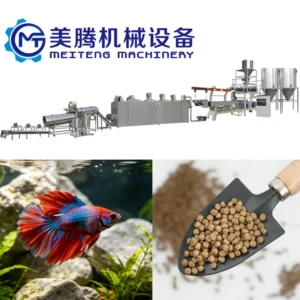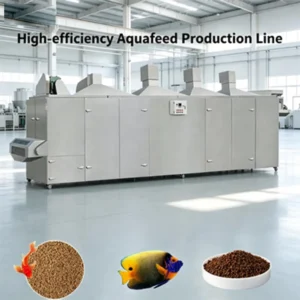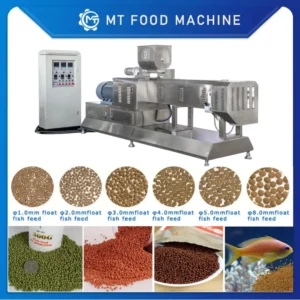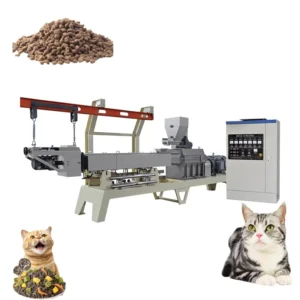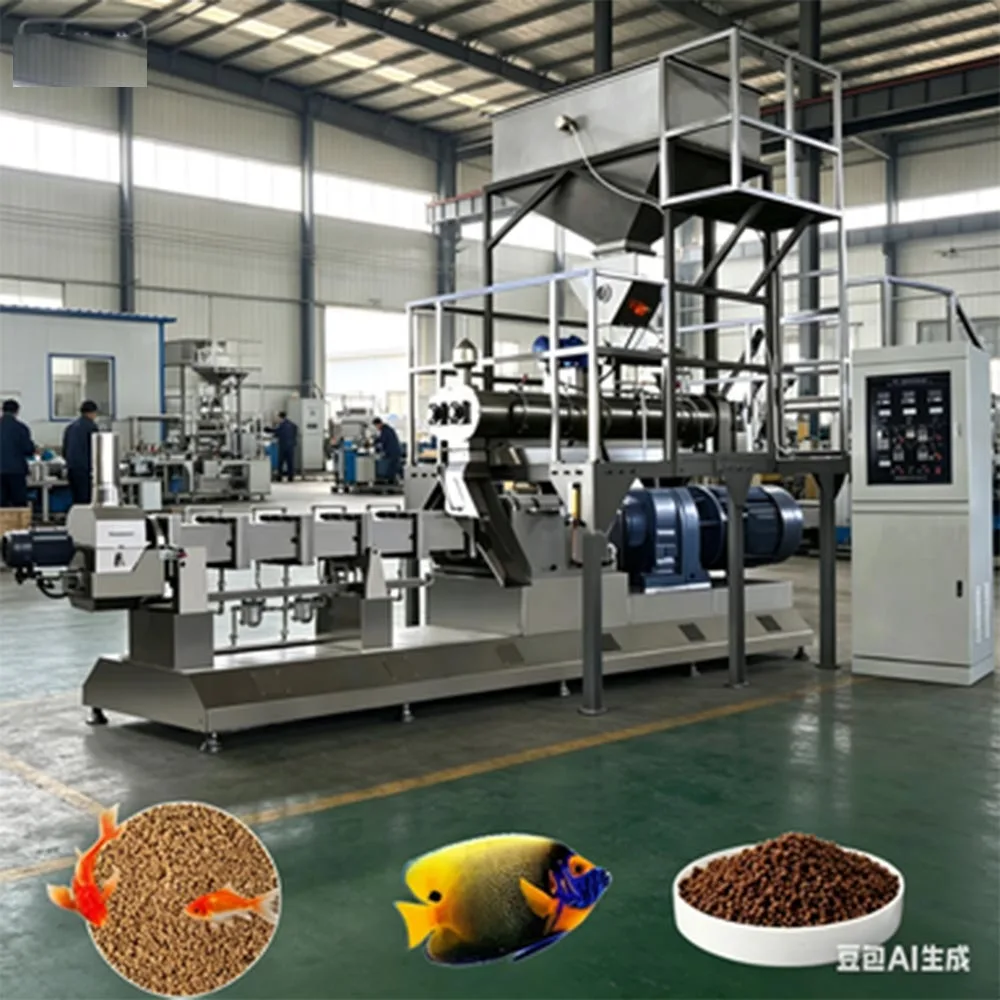


Multi Layer Fish Feed Pellet Dryer, 304 Stainless Steel, PLC Control — integrated into a complete aquatic feed processing line where every station from mixing to packing is throughput-matched before fabrication.
- Multi-layer structure with food-grade contact materials for continuous corrosion-resistant operation
- Intelligent PLC automation with humanized parameter adjustment interface
- Energy-saving heating and optimized transmission for long-time uninterrupted production
Complete line layout, capacity calculation, and in-house trial runs on your raw material ensure the dryer and every upstream station are balanced before shipment.
Description
Matched Throughput Across Every Station — Dryer capacity is calculated against extruder output and raw material moisture profile before fabrication, so no single unit bottlenecks the aquatic feed line.
Technical Specifications
| Parameter | Value |
|---|---|
| Product Type | Multi Layer Automatic Fish Feed Pellet Dryer |
| Structure Type | Multi-layer belt configuration |
| Contact Material | Food-grade 304 stainless steel (body and material contact parts) |
| Control System | Intelligent PLC automatic control with humanized parameter adjustment interface |
| Heating System | Energy-saving optimized heating system |
| Transmission Structure | Energy-saving optimized transmission for continuous operation |
| Automation Level | Fully continuous automatic operation from mixing to finished product discharging |
| Line Configuration | Raw material mixer, extruder, dryer, seasoning coating machine, vibrating sieve, conveyor equipment |
| Maintenance Design | Convenient daily cleaning, quick replacement of vulnerable parts |
| Production Scope | Medium to large scale industrial commercial fish feed mass production |
Application Suitability
| Application | Material or Output |
|---|---|
| Floating fish feed pellet drying | Fish meal, soybean meal, corn powder, compound additives formulated for buoyancy retention |
| Sinking aquatic feed processing | High-density formulations for bottom-feeding freshwater species |
| Ornamental fish feed production | Koi, goldfish, and tropical fish pellet formulations requiring color-stable drying |
| Commercial aquaculture feed lines | Continuous mass production runs integrated with upstream extrusion and downstream coating |
Why the Dryer Is Where Most Aquatic Feed Lines Fail
A fish feed pellet dryer turnkey production line only holds its rated throughput when the dryer is sized to the extruder’s actual output on your specific formulation.
I spent years on factory floors in Shandong watching lines get assembled piece by piece from different vendors. The extruder supplier quotes one capacity, the dryer supplier quotes another, and nobody checks whether the numbers match once wet, high-oil aquatic feed actually hits the belt. When the formulation runs heavier in fat or moisture than the generic test sample, the dryer chokes. Pellets pile up, residence time drops, and you end up shipping feed that molds in the bag [NEED_CITE: moisture content thresholds for stored aquatic feed stability]. The fish feed pellet dryer turnkey production line avoids this by sizing every station against one verified material profile.
Balancing Extruder Output Against Dryer Residence Time
The core engineering question in any aquatic feed line is whether the dryer can remove enough moisture from every pellet before the next batch arrives from the extruder. Multi-layer belt routing extends the travel path inside a compact footprint, giving each pellet sufficient exposure to heated air across multiple passes. The food-grade 304 stainless steel construction resists the corrosive environment that fish meal and marine oil create over thousands of hours of continuous operation.
Heat Distribution and Pellet Surface Integrity
Uniform drying is not just about removing moisture — it is about removing it evenly so pellets do not crack, warp, or lose their engineered buoyancy. The energy-saving optimized heating system circulates air across each layer with controlled velocity, preventing case-hardening on the pellet surface while the interior remains wet. For floating feed targeting koi and tropical fish, this balance directly determines whether the pellet stays on the water surface or sinks [NEED_CITE: relationship between drying uniformity and pellet buoyancy in extruded aquatic feed].
Reading the Specification Sheet Against Your Formulation
The PLC automatic control interface lets operators adjust temperature zones, belt speed, and air volume in real time, but those settings only matter if they start from a correct baseline. The energy-saving optimized transmission structure maintains consistent belt tension across all layers, which is essential when pellets vary in diameter and density between floating and sinking runs. Food-grade 304 stainless steel contact surfaces mean cleaning between formulation changeovers does not require chemical treatments that could compromise the next batch. The humanized parameter adjustment interface allows recipe storage so operators can recall validated settings for each product without manual recalibration every shift.
When Undersized Drying Capacity Catches Up to You
The first sign of a mismatched dryer is rarely obvious — maybe a slight uptick in broken pellets at the vibrating sieve, or seasoning that clumps instead of coating evenly. Over weeks, the problem compounds: bags swell in the warehouse, customers report mold, and the line never quite reaches the output the extruder nameplate promised [NEED_CITE: downstream quality failures traced to insufficient drying in feed processing lines]. By the time the root cause is identified, the cost of lost product and reputational damage far exceeds what proper throughput matching would have required at the design stage.
What a Single-Supplier Line Configuration Actually Changes
Every station in this fish feed pellet dryer turnkey production line — mixer, extruder, dryer, seasoning coating machine, vibrating sieve, and conveyors — is specified as one system rather than sourced independently. Throughput calculations account for the actual moisture load entering the dryer from the extruder, not a generic assumption. The PLC control architecture communicates across stations so that a speed change upstream automatically adjusts downstream parameters. An in-house testing workshop runs your raw material before shipment, generating a trial report that documents real throughput rather than catalog estimates. On-site installation includes utility planning that matches your facility’s available power and steam capacity. Operator training covers recipe management and daily cleaning procedures specific to the multi-layer stainless steel construction.
Documentation & Verification
- Line layout drawing showing throughput matching between extruder discharge rate and dryer belt capacity
- Trial run report documenting drying performance on your actual fish meal and soybean formulation before shipment
- Electrical schematic confirming voltage, frequency, and PLC language for your target market
- Machine specification sheet recording multi-layer belt dimensions and heating zone configuration
- Screw and die configuration record linking extruder output to dryer residence time requirements
- Wear parts list identifying replacement intervals for belt sections and heating elements
Installation, Commissioning & Support
- Foundation leveling requirements matched to the multi-layer dryer footprint and loaded belt weight
- Dedicated electrical circuit sized to the PLC-controlled heating system and transmission motor draw
- Modular assembly sequence allowing belt sections and heating zones to fit through standard factory doors
- First-run parameter mapping using your raw material to validate drying curves across all layers
- Operator training on PLC recipe recall, daily stainless steel surface cleaning, and belt tension checks
- Vulnerable parts replacement schedule covering belt segments, seals, and heating elements with on-site guidance
Before You Request a Quote
To configure a fish feed pellet dryer turnkey production line that actually holds its throughput on your floor, we need to understand your formulation and facility. Share the raw material composition including fat and moisture percentages, the target pellet diameter and whether you need floating or sinking output, and your available workshop dimensions with ceiling height. Confirm the local voltage and frequency standard along with the preferred PLC interface language so the control system arrives ready for your operators.
Frequently Asked Questions
Q: How is dryer capacity matched to extruder output to prevent line bottlenecks?
A: The extruder’s actual discharge rate is measured during a trial run on your raw material in the testing workshop. The dryer’s belt speed, layer count, and heating zone capacity are then sized to handle that verified output including the specific moisture load your formulation carries, rather than relying on generic catalog ratings.
Q: What is the phased installation and commissioning schedule for a complete aquatic feed line?
A: Installation follows a sequence from mixer through extruder, dryer, and downstream stations, with utility connections completed before each station powers up. Commissioning proceeds station by station, with the dryer validated under full load only after the extruder is producing stable pellets on your formulation.
Q: How is throughput verified on the buyer’s actual raw material before shipment?
A: Your raw material is run through the extruder and dryer in the in-house testing workshop. The trial run report records moisture reduction across the dryer, pellet surface condition, and sustained output rate, giving you documented evidence of line performance before the equipment leaves the factory.
Q: What utility planning is required for the dryer’s heating system and the full line?
A: The PLC-controlled heating system requires a dedicated electrical circuit sized to the total kW draw across all heating zones. The facility must also accommodate exhaust ventilation for moisture-laden air discharged from the multi-layer dryer and confirm voltage and frequency compatibility with the local grid standard.
Q: How are operator training and ongoing maintenance handled after on-site commissioning?
A: Training covers PLC recipe management for different pellet formulations, daily cleaning of the 304 stainless steel contact surfaces, and belt tension inspection procedures. A wear parts list identifies replacement intervals for heating elements and belt sections, with guidance provided during commissioning on sourcing and installation.
Related products
-
MT70 200-250kg/h Dog Cat Pet Food Processing Line 380V 50HZ Three Phase 45KW
¥35,000.00 Select options This product has multiple variants. The options may be chosen on the product page -
100-200kg/h Capacity PLC Controlled Multi-Species Cat Food Processing Line
¥34,000.00 Select options This product has multiple variants. The options may be chosen on the product page -
MT High Capacity Pet Food Extrusion Production Line for Dogs Cats Birds Fish Cattle and More (150kg/h-3T/h)
¥35,000.00 Select options This product has multiple variants. The options may be chosen on the product page -
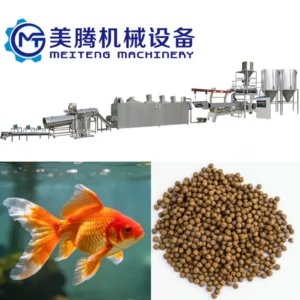
300-600kg/h Capacity Multi-Species Fish Feed Processing Line to Produce Fish Food
¥45,000.00 Select options This product has multiple variants. The options may be chosen on the product page