SKIP: no identifier
Description
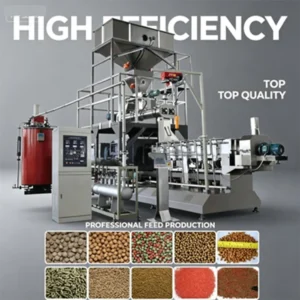
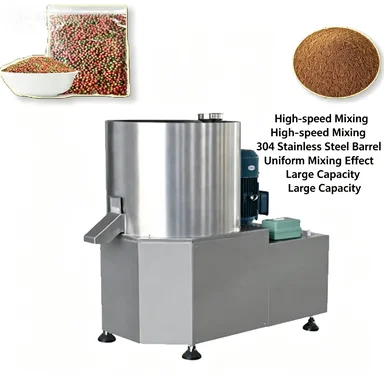
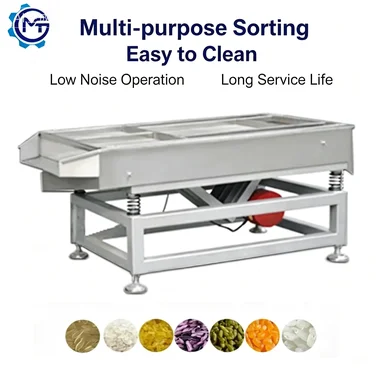
Turnkey Line Throughput Matching — every station from mixer to packer is sized against actual extruder output on your aquatic feed formula, preventing the bottleneck effect that separates vendors create.
Technical Specifications
| Parameter | Value |
|---|---|
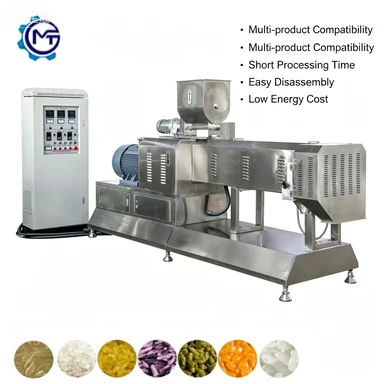
| Product Type | Twin Screw Extruder Floating Sinking Aquatic Fish Feed Production Line |
| Screw Configuration | Twin-screw, modular element arrangement |
| Control System | Available with PLC or MCC control |
| Barrel Material | Food-grade stainless steel contact surfaces |
| Die Design | Interchangeable dies matched to pellet diameter and density target |
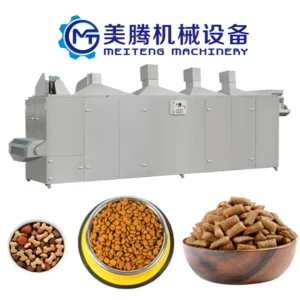
| Dryer Type | Multi-pass belt or rotary dryer, capacity matched to extruder throughput |
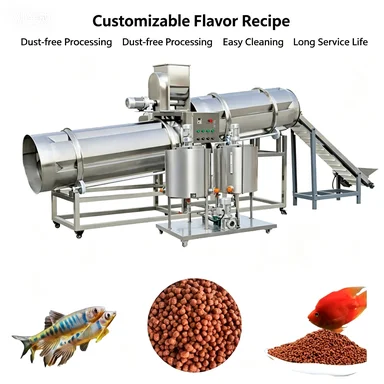
| Coating System | Rotary flavouring drum with liquid and powder spray |
| Voltage | Configurable to destination market frequency and voltage standard |
| Line Layout | Custom configuration based on workshop footprint and utility plan |
| Testing | In-house trial run on customer raw material before shipment |
Application Suitability
| Application | Material or Output |
|---|---|
| Floating fish feed pellets for catfish and tilapia | Fish meal, soybean meal, corn flour, wheat middlings with 6–12% added fat |
| Sinking aquaculture feed for shrimp and bottom-feeders | High-protein blends with shrimp meal, squid liver powder, and binder starch |
| Slow-sinking feed for mid-water species | Adjusted starch-to-protein ratio with controlled gelatinisation |
| Juvenile and fry feed micro-pellets | Fine-ground raw material with small-diameter die configuration |
Why "Rated Capacity" Means Nothing Without Your Raw Material
A line rated at 500 kg/h on standard corn-soy blend may deliver far less on your high-fat shrimp formula if the screw configuration is not recalculated.
I once spent three days on-site in Southeast Asia troubleshooting a floating fish feed line that produced pellets with inconsistent density. The buyer’s fish meal carried noticeably higher oil content than the standard test material we had used during factory trials. The entire screw element arrangement had to be reconfigured — barrel by barrel — until expansion and sink rate matched specification [NEED_CITE: raw material variability in aquaculture feed production]. That experience changed how we handle every aquatic feed project: no line leaves the testing workshop until it has run the buyer’s actual raw material through a full production cycle. Capacity numbers on a quotation sheet only become real once they are proven against your specific ingredient profile.
How Screw Element Sequencing Controls Pellet Buoyancy
The distinction between floating and sinking feed is not a simple die swap. It requires a coordinated change in screw element geometry, barrel temperature zones, and moisture injection timing. Kneading blocks placed early in the barrel increase shear and starch gelatinisation, trapping air pockets that keep the pellet buoyant. Reversing that sequence with more conveying elements and reduced shear produces the dense, compact structure that sinking feed demands. A twin screw extruder floating sinking aquatic fish feed production line must be configured at this elemental level — not just at the die plate — to hold consistent buoyancy across long production runs.
Die Geometry and Its Effect on Pellet Integrity
Die hole diameter, land length, and face pattern directly determine how the extrudate expands upon exit. Short land lengths allow rapid expansion for low-density floating pellets, while longer land lengths compress the material stream for sinking varieties. The die must also be matched to the downstream cutter or breaker so that pellet length stays within the size distribution your market expects [NEED_CITE: pellet geometry standards in commercial aquaculture]. Mismatch here shows up as excessive fines in the packing station — product that cannot be sold and must be recycled through the mixer.
What the Specification Sheet Actually Tells You
The motor power rating indicates the maximum shear energy the extruder can apply to your raw material. Higher protein formulations with fish meal and shrimp head meal demand more torque than starch-heavy blends, so a motor sized only for standard recipes will trip on overload when you switch to premium feed grades. Barrel length-to-diameter ratio governs residence time: longer barrels give starch more time to gelatinise fully, which is essential for the structural integrity of slow-sinking pellets. The control system choice — PLC versus MCC — determines whether barrel temperature zones and feeder speeds can be stored as named recipes, letting operators switch between floating and sinking production without manual recalibration each time. These parameters are not abstract engineering figures; they define what your line can and cannot produce on a Monday morning when the operator is running the third shift change of the week.
The Hidden Cost of Mismatched Line Stations
When an extruder is supplied without verifying that the dryer and coating drum can handle its actual output, the result is a line that stalls every few hours. Wet pellets pile up ahead of an undersized dryer, losing their surface texture and developing cracks that generate fines during handling. A coating drum that cannot complete its cycle within the extruder’s discharge rhythm forces operators to reduce feed rate — meaning the line never reaches the throughput you paid for [NEED_CITE: throughput bottleneck causes in feed processing lines]. These problems rarely appear during a one-hour factory demonstration. They surface during the second week of commercial production, when your buyers are waiting for delivery.
Why Source the Complete Line From One Supplier
Every station on this twin screw extruder floating sinking aquatic fish feed production line is sized against the extruder’s proven output on your raw material, not against a catalogue number. The screw element arrangement and die geometry are documented specifically for your formula, so reordering wear parts does not require guesswork. Trial runs happen in the testing workshop using your actual ingredients before the line is crated for shipment — not after installation when corrections mean weeks of downtime. The electrical schematic and control language are confirmed to your local standard before production begins, eliminating the commissioning delays that happen when voltage or frequency is assumed rather than verified [NEED_CITE: electrical standard mismatches in exported machinery]. Operator training covers recipe switching between floating and sinking modes, not just basic start-stop procedures.
Documentation & Verification
- Line layout drawing showing station spacing and utility connection points for your workshop
- Screw element arrangement record specific to your floating and sinking feed formulas
- Trial run report documenting pellet density, expansion ratio, and sink rate on your raw material
- Electrical schematic with confirmed voltage, frequency, and control language for your market
- CE declaration of conformity covering the complete line assembly
- Wear parts list with part numbers for screws, dies, and barrel liners
Installation, Commissioning & Support
- Foundation plan provided showing load points and vibration isolation requirements for the extruder and dryer
- Power distribution schedule listing dedicated circuit requirements for each motor and heating zone
- Line arrives in modular sections sized for standard container loading and on-site reassembly
- First-run commissioning includes barrel temperature profiling and screw speed calibration on your material
- Operator training covers recipe recall for switching between floating and sinking pellet production
- Spare screw elements and die plates shipped with the initial order to cover the first replacement cycle
What We Need to Configure Your Line
To prepare a line layout and capacity proposal, share your target pellet diameter range, the primary protein and starch sources in your formula, and whether your production includes both floating and sinking varieties. Your workshop length and ceiling height determine dryer configuration, and your local voltage and frequency standard must be confirmed before electrical panels are built. If you have existing milling or packing equipment, provide specifications so the new line can integrate at the correct interface points.
Frequently Asked Questions
Q: Can the same line produce both floating and sinking pellets without major modification?
A: Yes. The transition requires a change in screw element arrangement, die plate, and barrel temperature profile. When the line is configured with PLC control, these parameters can be saved as named recipes so operators switch between floating and sinking production through the control interface without manual recalibration of each zone.
Q: What happens if our raw material composition changes after the line is installed?
A: The screw configuration is designed around a specific ingredient profile. If your fish meal source or fat percentage shifts significantly, we can reassess the screw element arrangement and provide updated components. This is why we keep the configuration record on file for every line we ship.
Q: How long does commissioning typically take on site?
A: Commissioning covers mechanical alignment, electrical verification, barrel temperature calibration, and initial production runs with your raw material. The duration depends on line complexity and site readiness, but plan for a multi-day process rather than a single-visit handover.
Q: Do you supply the upstream milling and batching equipment as well?
A: The line can include mixing and batching systems, hammer mills, and micro-ingredient dosing stations upstream of the extruder. Whether these are included depends on what equipment you already have in place and where you want the integration boundary to fall.
Related products
-
250-300kg/h Capacity PLC Controlled Multi-Species Cat Food Processing Line
¥35,000.00 Select options This product has multiple variants. The options may be chosen on the product page -
Full Automatic Pet Feed Production Line Large Twin Screw Grain Extrusion Machine
¥9,500.00 Select options This product has multiple variants. The options may be chosen on the product page -
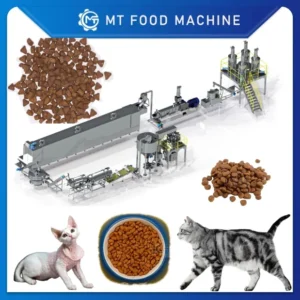
MT100 Brand 1.5-2.0t/h PLC Controlled Multi-Species Cat Food Processing Line
¥45,000.00 Select options This product has multiple variants. The options may be chosen on the product page -
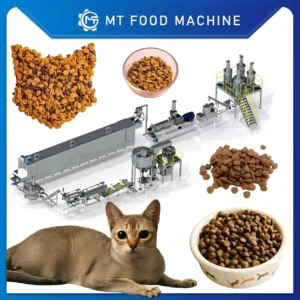
200-250kg/h Capacity PLC Controlled Multi-Species Dog Food Processing Line with MT-70 Extruder
¥35,000.00 Select options This product has multiple variants. The options may be chosen on the product page