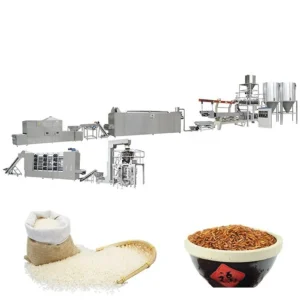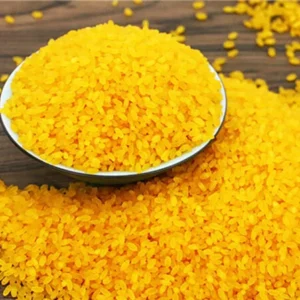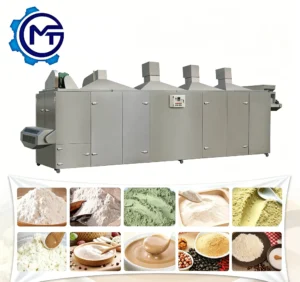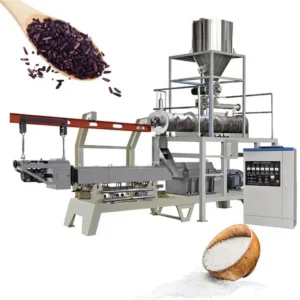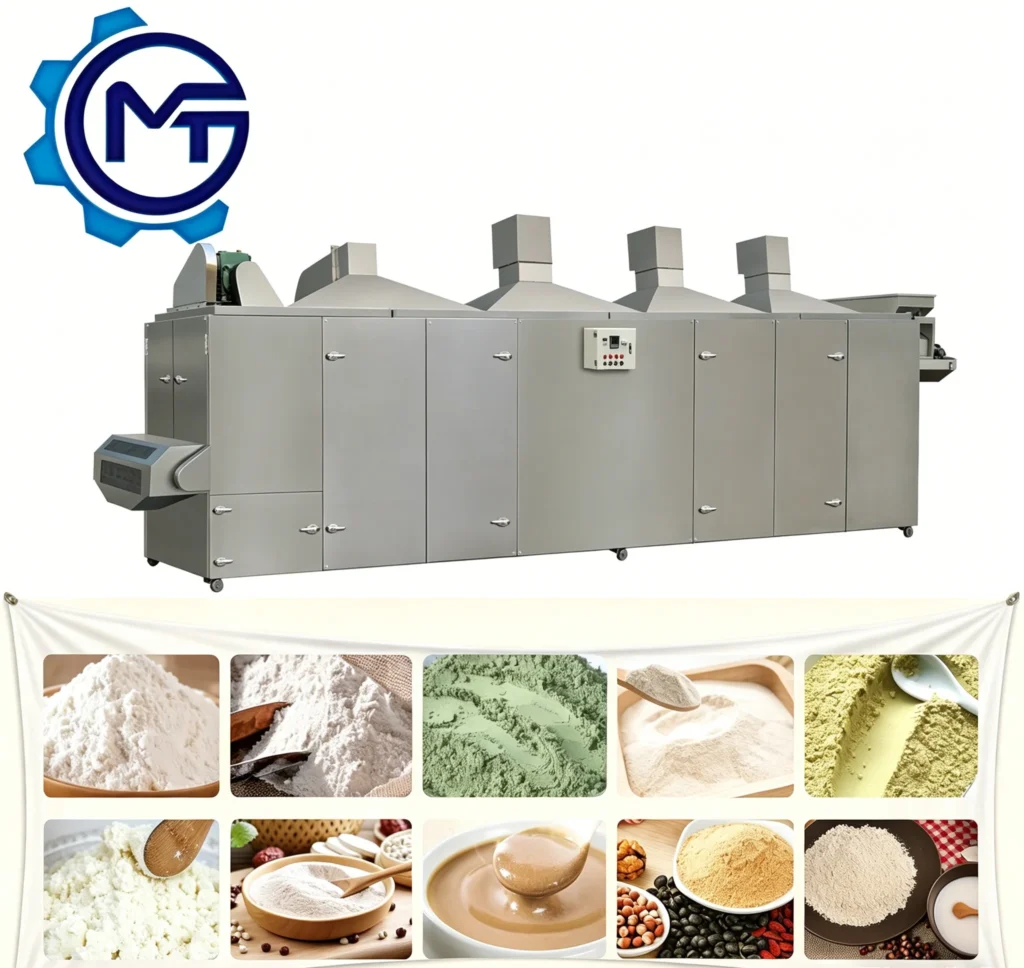
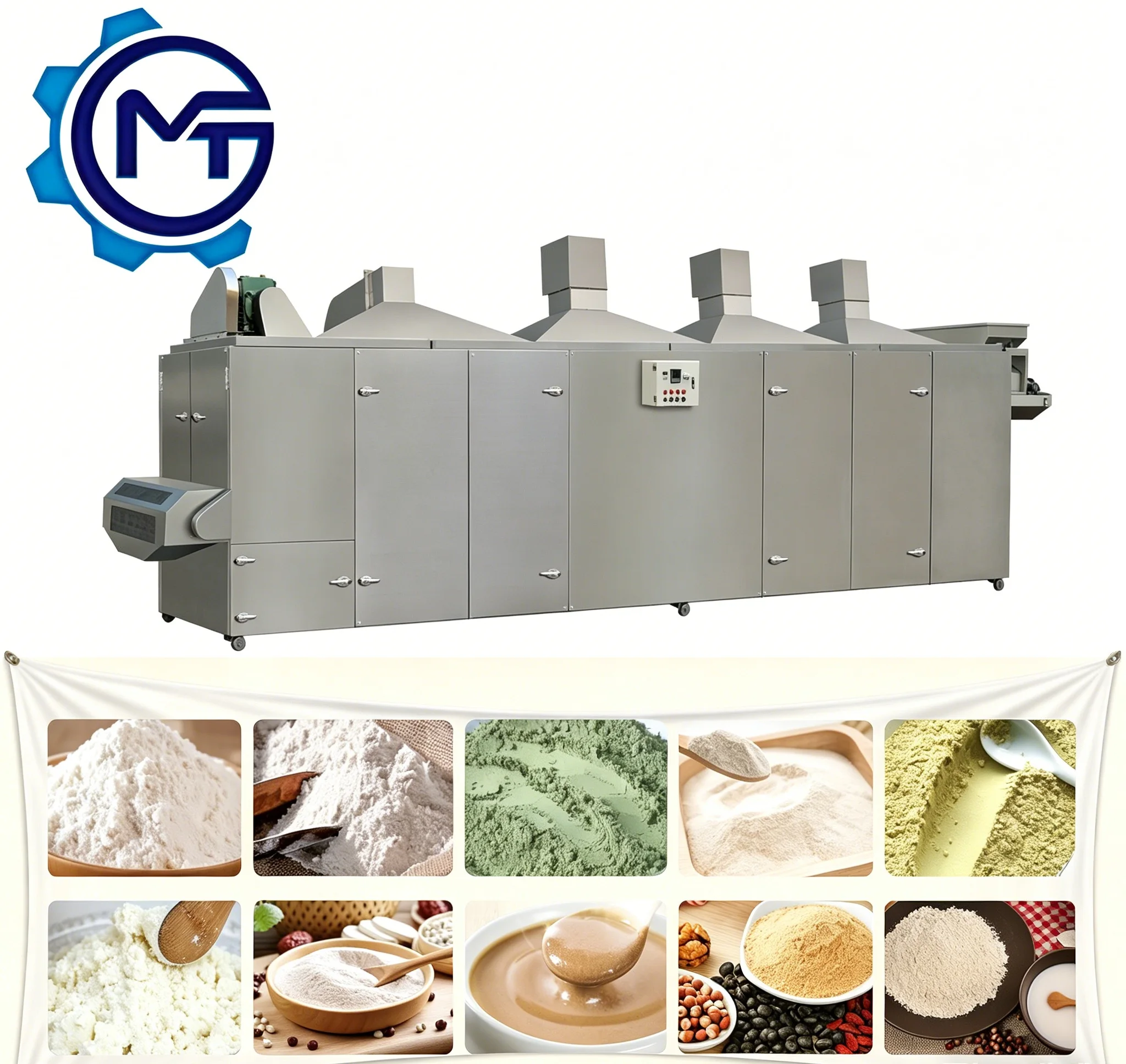
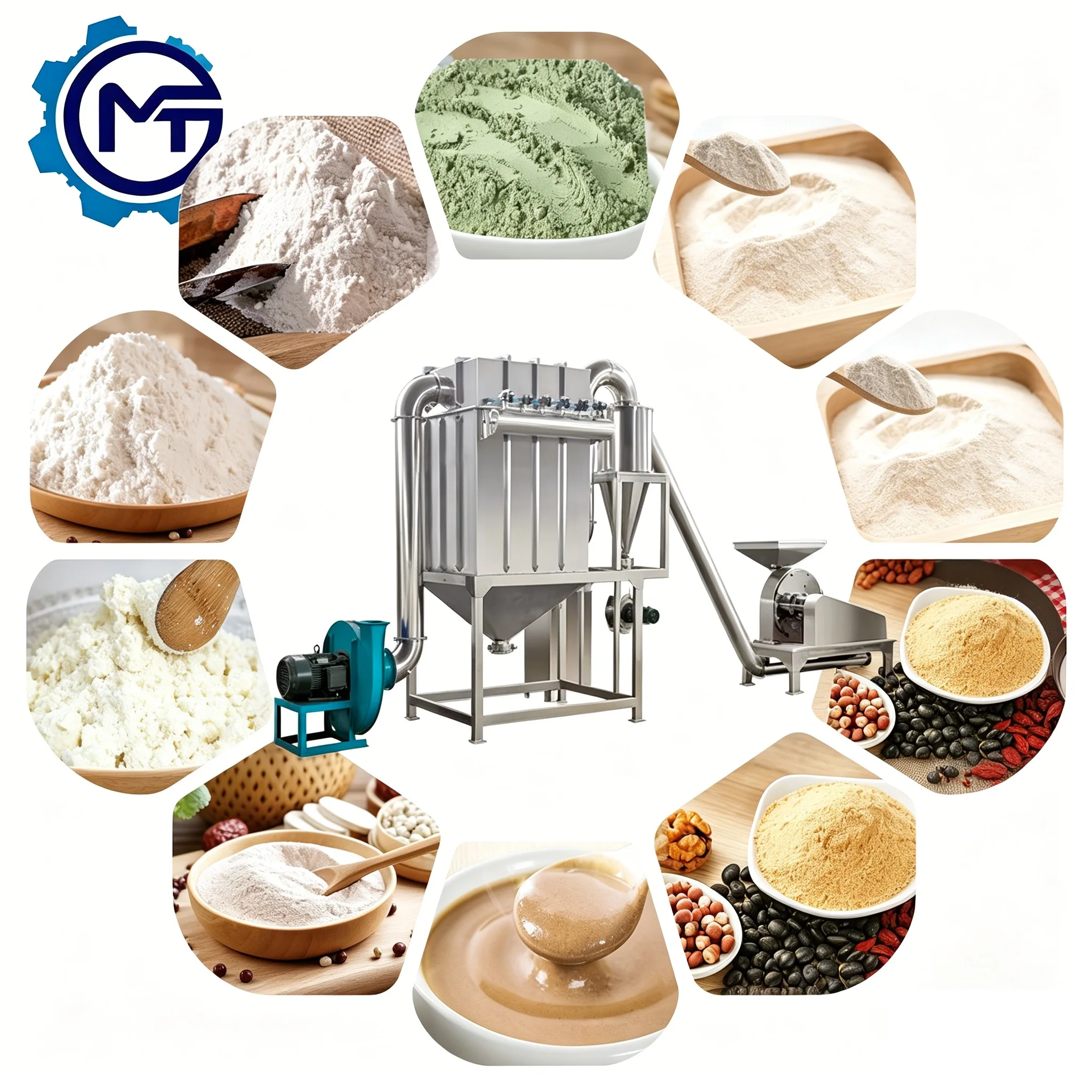
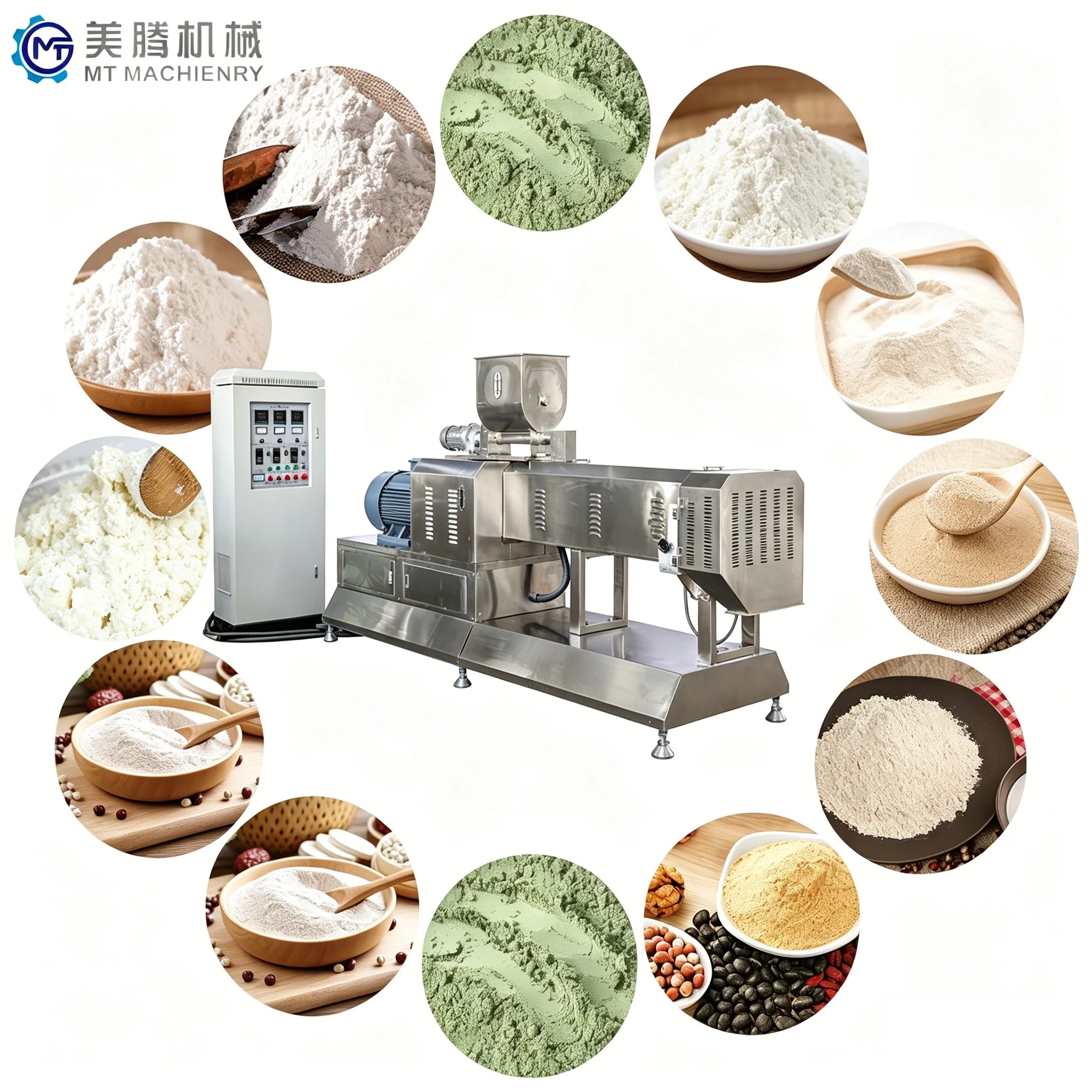
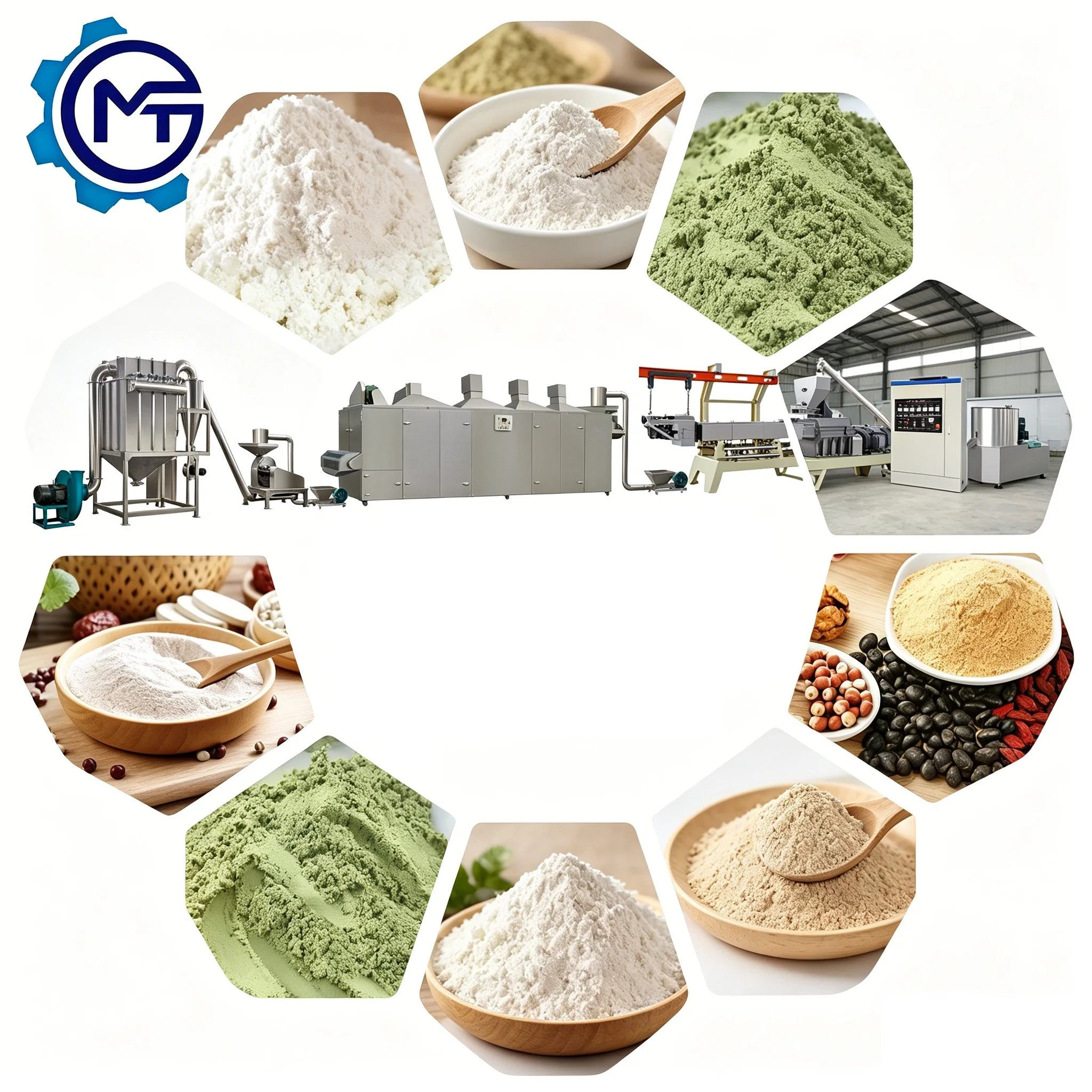
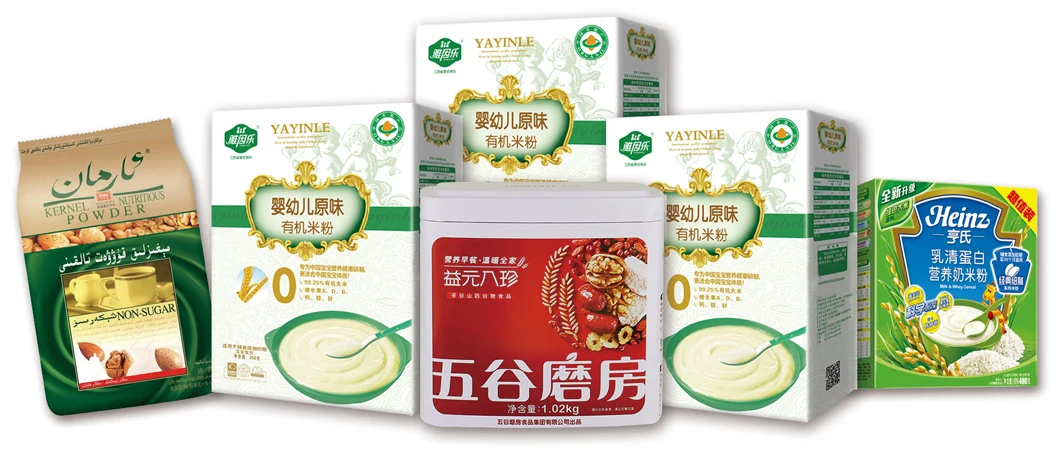
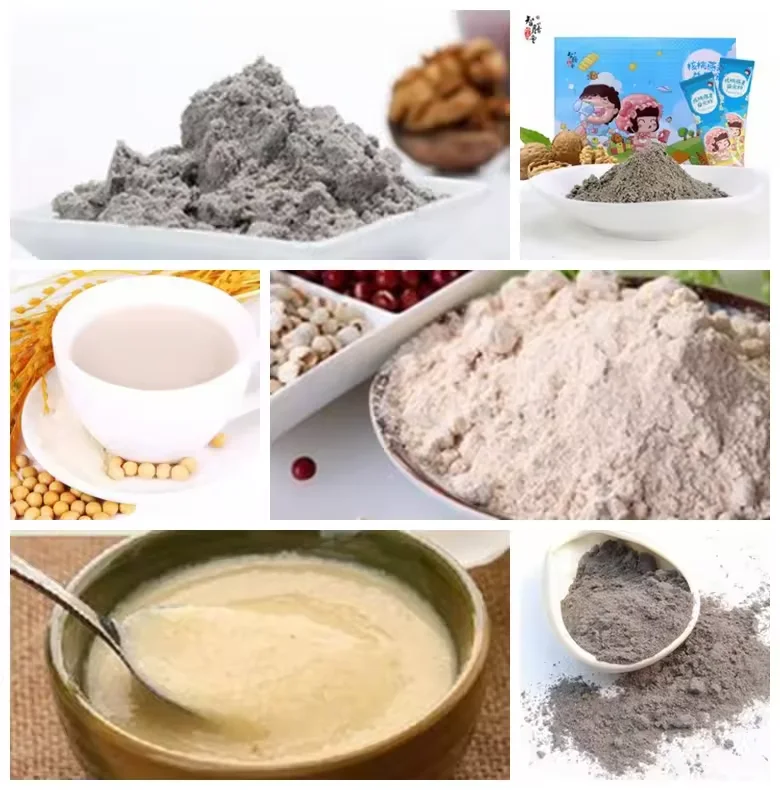
Nutrition Powder Processing Line, 200-500 kg/h, Twin-Screw, Food-Grade 304 SS — designed for baby cereal and fortified grain powder production from rice, corn, beans, and mixed grains. Flexible heat source options (electric/gas/steam) and touch control panel with digital system support straightforward operation across varied factory utility setups.
Delivered as an integrated turnkey project with throughput matched across every station — from batching and extrusion through drying to packing — under one supplier, supported by in-house trial runs on your raw material before shipment.
Description
Integrated Throughput Matching — Every station from batching to packing is calculated against the buyer’s actual grain blend and moisture content, so the line runs as one balanced system rather than a collection of mismatched machines.
Technical Specifications
| Parameter | Value |
|---|---|
| Product Type | Nutrition Powder Processing Line |
| Output Capacity | 200–500 kg/h (basis not stated in source — confirm raw material / moisture / formulation) |
| Screw Type | Twin-screw |
| Construction Material | Food-Grade 304 Stainless Steel (product contact surfaces) |
| Control System | Touch Control Panel with Digital System |
| Heat Source Options | Electric / Gas / Steam |
| Line Stations | Baking Ovens, Mixers (full station list to be confirmed) |
| Assembly State | Complete production line (batching to packing scope to be confirmed) |
| Warranty | 1 Year |
| After-Sales Service | Overseas Engineer Service Available |
| Voltage & Frequency | Configurable to target market standard (to be confirmed) |
| Language Options | Control panel and manual language configurable (to be confirmed) |
| Standards | CE, ISO (manufacturer-level certification) |
Application Suitability
| Application | Material or Output |
|---|---|
| Baby cereal and infant porridge production | Rice, corn, and mixed grain flours blended with vitamin and mineral premixes |
| Fortified nutrition powder for feeding programmes | Soy, bean, and cereal combinations processed into instant powder formats |
| Infant formula and weaning food manufacturing | Pregelatinised starch bases with added protein and micronutrient profiles |
| Multi-grain health food powder processing | Oat, wheat, and composite grain recipes requiring controlled gelatinisation |
Why Nominal Capacity Numbers Fail at Commissioning
A nutrition powder processing line turnkey quoted at a single capacity figure rarely holds that output once the buyer’s real formulation enters the extruder. The only capacity number that matters is the one verified on your specific grain blend, moisture level, and premix ratio.
I once supplied a 500 kg/h line to an infant cereal plant in East Africa. The trial ran perfectly on standard rice flour. Then the buyer switched to their production recipe — rice blended with soy concentrate and a vitamin-mineral premix — and the expansion collapsed. Density shot up, the powder went gritty, and the dryer could not keep pace with the heavier extrudate. We spent days re-profiling the screw configuration, adjusting barrel temperatures zone by zone, and recalibrating the dryer airflow. That line eventually ran well, but the delay cost both sides time that a pre-shipment trial on the actual formulation would have prevented [NEED_CITE: starch gelatinisation behaviour in multi-ingredient extrusion].
Phased Installation That Respects Factory Reality
Building a nutrition powder processing line turnkey inside an existing factory means coordinating utility connections, structural clearances, and material flow paths across multiple disciplines. We sequence the installation so that the extruder, dryer, and milling stations come online in a logical order, with each station tested independently before the full line is linked. This avoids the common problem of discovering a utility shortfall only after all equipment is bolted to the floor.
Utility Planning Before the First Bolt Goes Down
Steam, electric, gas, compressed air, and water each arrive at the factory with specific pressure and flow requirements. The dryer alone may demand a dedicated steam supply or a high-capacity gas burner, while the extruder barrel heating zones draw significant electrical load. We map every utility connection point on the line layout drawing, flagging total demand against the buyer’s available infrastructure before production begins [NEED_CITE: industrial utility planning standards for food processing facilities].
Reading the Specs That Actually Matter
Twin-screw extrusion is chosen for nutrition powder because it handles high-moisture, multi-ingredient formulations that a single screw cannot process without surging or inconsistent gelatinisation. The screw configuration — the arrangement of conveying, kneading, and reverse elements inside the barrel — determines residence time and shear intensity, both of which directly control how thoroughly the starch in rice or corn is pregelatinised. Food-grade 304 stainless steel on every product contact surface prevents corrosion from acidic premix components and allows the wash-down cycles that infant food production demands. The touch control panel with digital readouts lets operators monitor barrel zone temperatures and screw speed without manual gauge interpretation, which reduces batch-to-batch variation during long production runs. Flexible heat source compatibility — electric, gas, or steam — means the drying and baking stations can be matched to whatever utility the buyer’s factory already has available, avoiding costly infrastructure upgrades.
The Cost of Skipping Configuration Verification
When an extruder arrives with a generic screw build designed for plain corn starch, but the buyer is running a rice-soy-vitamin blend, the barrel pressure and melt temperature will be wrong from the first hour. The product emerges under-expanded or scorched, the downstream milling station cannot achieve the target particle size, and the entire line sits idle while replacement screws are ordered and shipped. I have watched factories lose weeks of production because the initial configuration was never validated against their actual recipe [NEED_CITE: twin-screw extrusion screw element selection for composite flours].
Why Source This Line From a Single Supplier
Every station — mixing, extruding, drying, milling, packing — is sized so that throughput matches from start to finish, eliminating the bottleneck that forms when machines are sourced from separate vendors. The screw configuration and die design are specified to the buyer’s raw material and target powder density, not copied from a generic template. Our in-house testing workshop runs trial production on the customer’s own grain blend before the line ships, producing a documented report that confirms capacity and product quality. Pre-sales engineering covers line layout, utility planning, and phased installation scheduling, followed by on-site commissioning where our engineers train operators on the specific controls and maintenance routines of the installed equipment.
Documentation & Verification
- Line layout and capacity calculation showing throughput matched across every station for your grain formulation
- Trial run report conducted on your specific raw material blend in our testing workshop before shipment
- Screw and die configuration record matched to your target powder density and particle size
- Electrical schematic with voltage, frequency, and control panel language confirmed to your market
- Factory test record documenting barrel temperature profiles and motor load at rated output
- Operation and maintenance manual with wear parts list specific to your line configuration
Installation, Commissioning & Support
- Foundation and floor plan provided showing load points for extruder, dryer, and milling stations
- Electrical load schedule detailing total kW demand and dedicated circuit requirements for the twin-screw extruder
- Utility connection map covering steam, gas, compressed air, and water hook-up points per station
- Commissioning protocol with sequential start-up, parameter tuning, and product quality verification
- Operator training on the touch control panel covering recipe storage, alarm response, and daily cleaning
- Wear parts inventory list with recommended spare screws, dies, and seals for the first year of operation
What We Need to Build Your Line Quote
To configure a line that actually delivers on its capacity promise, share your target product specification — particle size, moisture content, and nutritional profile — along with the exact raw materials you intend to run, including any vitamin or mineral premixes. Tell us your local voltage and frequency standard, the control panel language you prefer, and whether your factory has steam, gas, or electric supply available for the dryer. If you have an existing upstream mixer or downstream packing machine, describe its capacity so we can match throughput across the junction points.
Frequently Asked Questions
Q: How is the 200–500 kg/h capacity verified, and on which raw material formulation is it based?
A: We run a trial in our testing workshop using your actual grain blend, premix ratio, and moisture level. The verified output is then documented in a trial run report that becomes part of your delivery package. Without this step, any capacity figure is an estimate based on standard formulations that may not match your recipe.
Q: How do you match throughput between the extruder, dryer, and packing station?
A: Each station is selected based on the extrudate moisture, density, and flow rate produced by the upstream process. The dryer capacity is calculated to handle the full extruder output at the target final moisture, and the packing station is rated to keep pace without creating a backlog or forcing the line to run below capacity.
Q: Can a trial run be performed on our specific grain blend before the line ships?
A: Yes. We require a representative sample of your raw material — typically several hundred kilograms — shipped to our testing workshop. We run the sample through a production-scale extruder, document the screw configuration, barrel temperatures, and product quality, and share the full report before the line is crated for dispatch.
Q: What utility planning is required at the factory before installation begins?
A: We provide a utility connection map showing steam, electric, gas, compressed air, and water requirements for each station. Your facility team uses this to prepare supply lines, dedicated electrical circuits, and drainage before our engineers arrive for commissioning, which shortens the installation timeline.
Q: What does on-site commissioning include?
A: Our engineers oversee mechanical assembly, utility connections, sequential start-up of each station, parameter tuning on your raw material, and operator training on the touch control panel. We remain on-site until the line produces product within your specification and hand over a signed commissioning report with maintenance schedules.
Related products
-

Full Automatic Complete Baby Food Nutrition Powder Porridge Processing Production Line for Infant Nutrition Factory
¥9,500.00 Add to cart -
Hygienic Stainless Steel Infant Rice Powder Processing Line Automatic 500kg/h Capacity PLC Controlled
¥9,500.00 Add to cart -
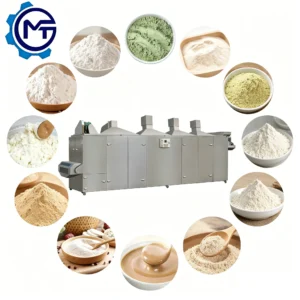
Small Scale MT Brand Automatic Baby Food Nutrition Powder Rice Flour Making Machine with 500kg/h Production Capacity PLC Control
¥9,500.00 Add to cart -
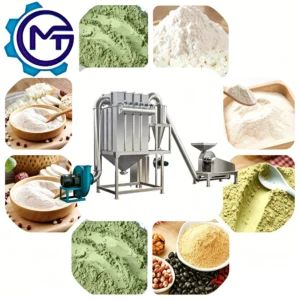
Automatic Iron Fortified Baby Rice Cereal Nutrition Powder Making Machine 500kg/h PLC Controlled
¥8,238.27 Add to cart