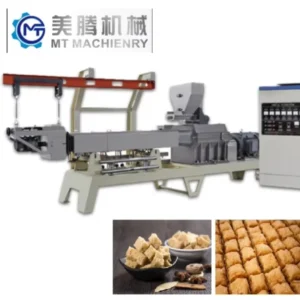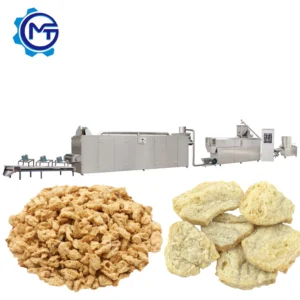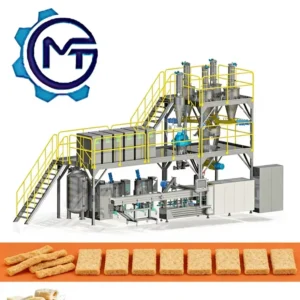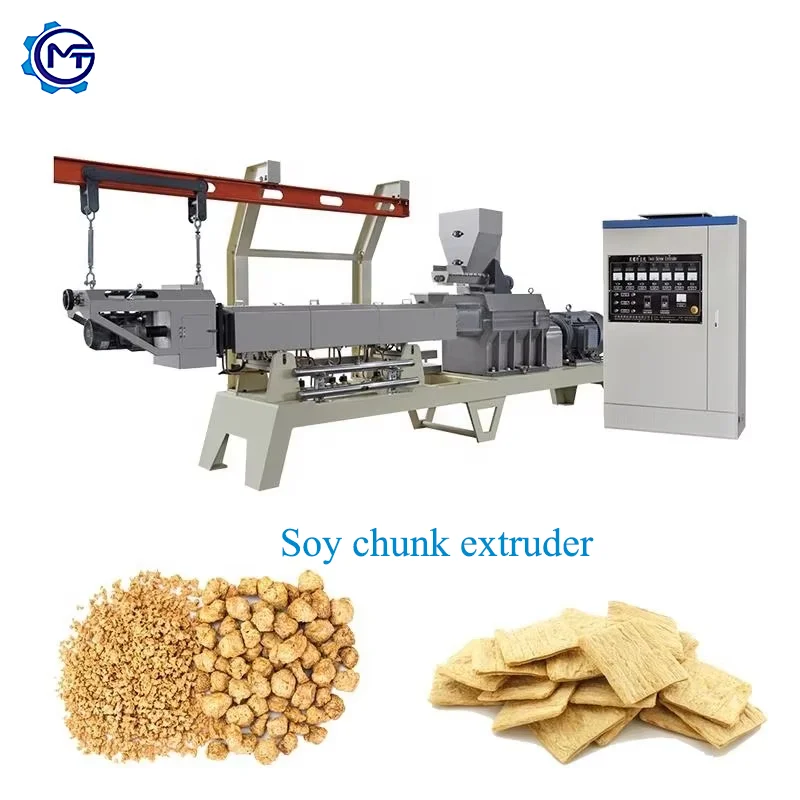

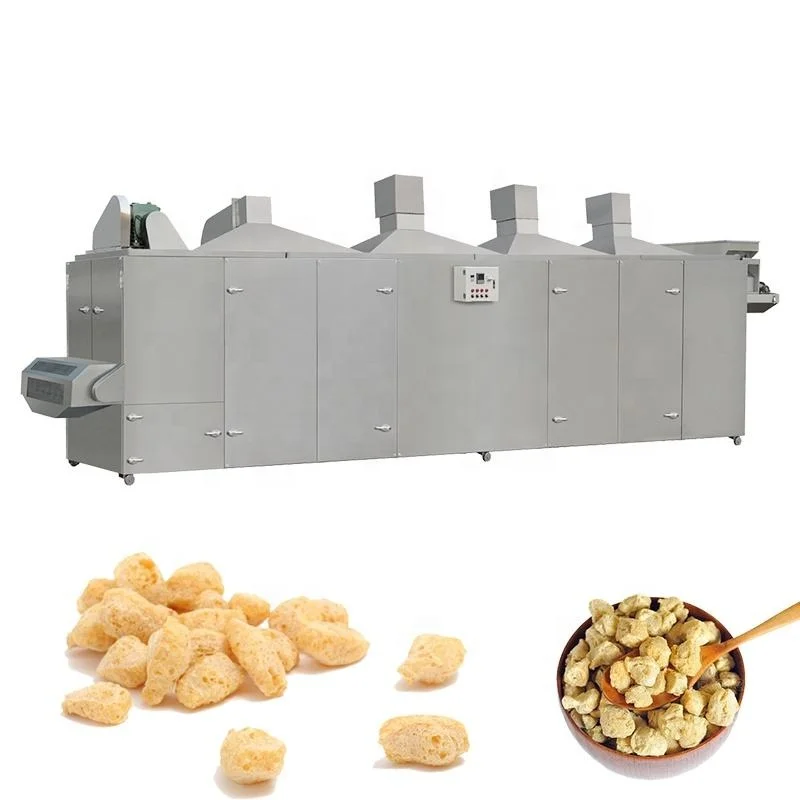


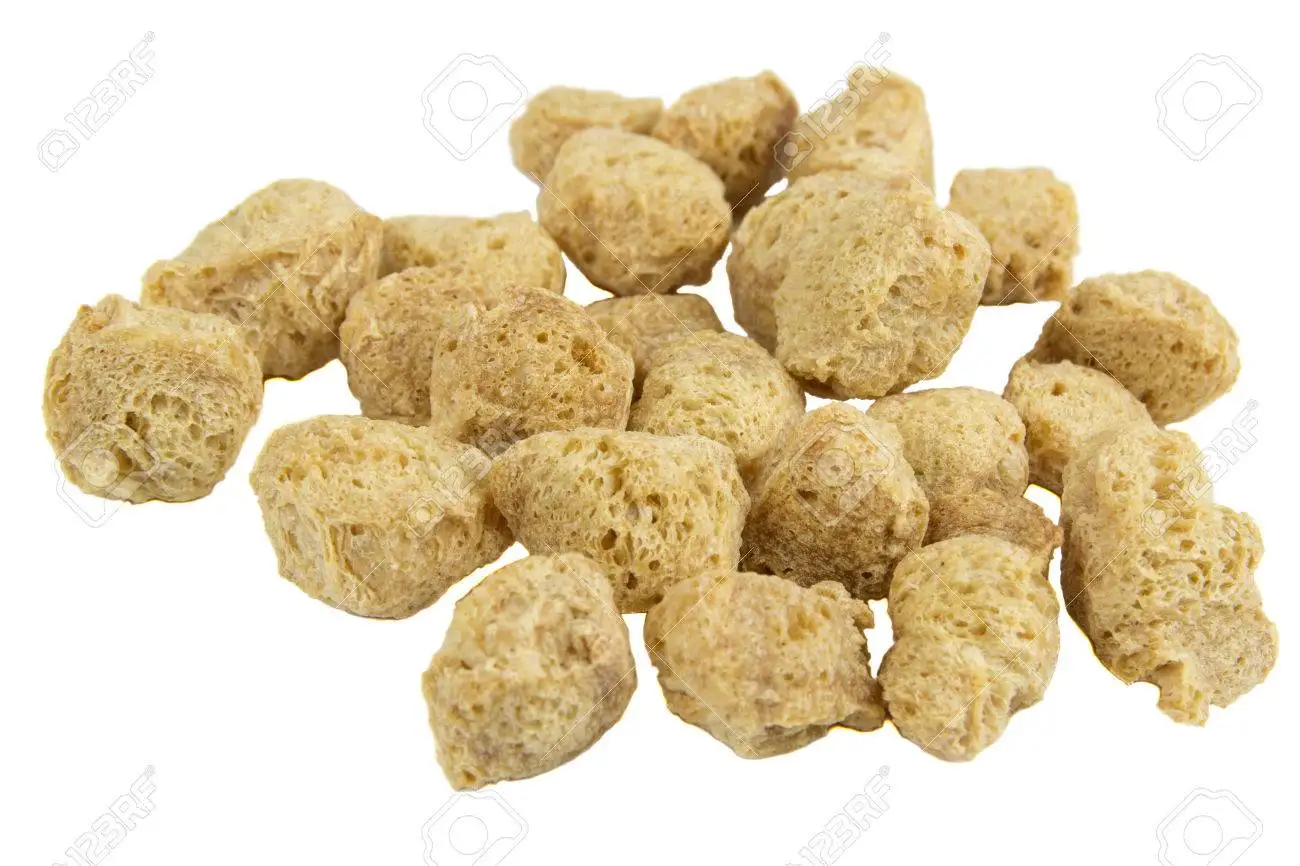
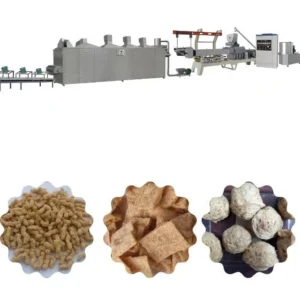
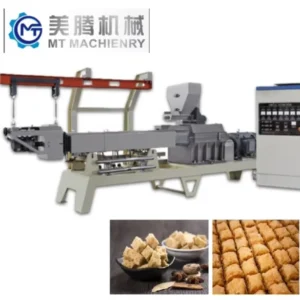
MT65 / MT70 / MT85 Textured Vegetable Protein Production Line, Twin-Screw Extruder, PLC & MCC Control — engineered as one integrated turnkey project from batching through extrusion, drying, cooling, and packing, with every station’s throughput matched to eliminate bottlenecks across the line.
- Screw configuration and die design specified to your raw material and target fiber structure
- In-house trial runs on customer-supplied raw material before shipment
One-supplier responsibility covers line layout, capacity calculation, installation, commissioning, and operator training so the entire project stays on a single coordinated schedule.
Description
Integrated Project Engineering — Every station on this textured vegetable protein production line turnkey system is throughput-matched from mixer to packer, eliminating the bottlenecks that plague multi-vendor assemblies.
Technical Specifications
| Parameter | Value |
|---|---|
| Product Type | Textured Vegetable Protein (TVP) Extrusion Production Line |
| Models Available | MT65, MT70, MT85 |
| Screw Type | Twin-screw |
| Installed Power | MT65: 85 kW | MT70: 120 kW | MT85: 195 kW |
| Actual Power Consumption | MT65: 65 kW | MT70: 90 kW | MT85: 165 kW |
| Output Capacity | MT65: 150–200 kg/h (basis not stated in source) | MT70: 200–300 kg/h (basis not stated in source) | MT85: 600–800 kg/h (basis not stated in source) |
| Overall Dimensions (L×W×H) | MT65: 18000×1300×2300 mm | MT70: 20000×1500×2400 mm | MT85: 24000×3500×4300 mm |
| Material of Construction | Stainless steel (food-grade contact materials) |
| Powder Mixer | 300–600 kg/h capacity, 150 kg tank volume, 10 min/batch, 385 rpm, 4 kW |
| Double Screw Extruder (unit) | 200–250 kg/h output, main motor 30 kW, 2800×830×1875 mm |
| High-temperature Roaster | 300–400 kg/h, effective belt length 3.5 m, far infrared + gas heating, 4500×1500×1600 mm |
| Cooling Machine | 200–300 kg/h capacity |
| Line Sequence | Raw material preparation → Mixing → Conveying → Extrusion → Conveying → Drying → Cooling → Packing |
| Standards | CE certified, ISO certified |
Application Suitability
| Application | Material or Output |
|---|---|
| Textured soybean protein for plant-based meat alternatives | Low-temperature soybean meal as primary protein source |
| Peanut protein extrusion for vegetarian products | Peanut meal blended with functional soy fractions |
| Ham and sausage ingredient supply | High-fiber TVP chunks mimicking muscle texture |
| Canned food and ready-meal components | Shelf-stable dried TVP pieces rehydratable at point of use |
| Quick-frozen food manufacturing input | Extruded protein structures compatible with freezing cycles |
Why Nominal Capacity Claims Fail on Real Raw Materials
A line rated at a number only holds that number on the exact flour, moisture, and ambient condition the manufacturer tested.
I spent four days in a Lagos workshop watching a soy protein line refuse to expand because the local soybean meal had lower protein content than the standard trial material. The screw configuration was right for the datasheet, wrong for the bag the client actually bought. When buyers compare proposals from different suppliers, the output column rarely says what feedstock it was measured on [NEED_CITE: extrusion output dependence on raw material protein content and moisture]. The textured vegetable protein production line turnkey proposal must state the exact trial conditions before the number means anything.
Sequencing Every Station to the Same Throughput Target
A textured vegetable protein production line turnkey project fails the moment any single station runs slower than the extruder. The mixer must batch at a rate that feeds continuous extrusion without starving or flooding the screw barrel. The dryer must remove moisture at a rate matching extruder discharge, otherwise product backs up or exits under-dried and prone to spoilage. Our line layouts calculate throughput at each transfer point so the MT85’s higher output is matched by a correspondingly sized roaster and cooling conveyor.
Raw Material Trial Before the Line Ships
We run customer-supplied soybean meal and peanut meal through our in-house testing workshop before the extruder leaves the factory. The screw combination, die geometry, and moisture profile are adjusted to produce the target fiber structure on the buyer’s actual material. This means commissioning on-site becomes a verification exercise rather than a development marathon. Engineers adjust fine parameters instead of rebuilding screw stacks from scratch [NEED_CITE: twin-screw configuration tuning for plant protein fiber formation].
What the Numbers on the Spec Sheet Actually Mean
The installed power versus actual consumption gap matters for utility planning. On the MT70, 120 kW installed with 90 kW actual draw means the electrical supply must support the peak but running costs track the lower figure. The high-temperature roaster combines far infrared elements rated at 3.9 kW each (24 units) with gas consumption at 6.8 m³, giving the operator flexibility between electric and thermal drying depending on local energy costs. Screw length and barrel segmentation inside the twin-screw extruder determine residence time — longer residence at controlled shear develops the laminar protein fiber that distinguishes TVP from simple puffed meal. Die design controls cross-section and density of the extrudate entering the dryer.
The Hidden Cost of a Mismatched Line
When the dryer cannot keep pace with extruder output, wet product accumulates on transfer conveyors, developing off-flavors and microbial growth within hours. When the cooling station undershoots capacity, packed bags trap residual heat and condensation ruins shelf life. These are not defects in individual machines — they are engineering gaps between machines bought from different vendors [NEED_CITE: food processing line throughput matching requirements]. A turnkey scope under one supplier forces accountability for the entire chain.
Why Engineers Specify This Line as a Single Project
The screw and die configuration is specified against the buyer’s raw material, not copied from a generic soy application. Factory test records document extruder behavior on the exact protein source before shipping. Electrical schematics confirm voltage, frequency, and control language for the destination market, preventing the delays I have seen on sites where a 50 Hz motor was shipped to a 60 Hz grid. The line layout drawing shows throughput match at every transfer point rather than leaving coordination to the buyer’s contractor. On-site installation includes phased commissioning with operator training on the actual production recipe.
Documentation & Verification
- Line layout drawing with capacity calculation across every station transfer point
- Trial run report on customer’s soybean or peanut meal from in-house testing workshop
- Screw and die configuration record matched to buyer’s raw material and fiber target
- Electrical schematic with confirmed voltage, frequency, and control language
- CE declaration of conformity and ISO certificate for export documentation
- Operation and maintenance manual with wear parts list and replacement intervals
Installation, Commissioning & Support
- Foundation must support MT85 footprint of 24000×3500×4300 mm with level tolerance for conveyor alignment
- Dedicated electrical circuit sized for installed power up to 195 kW on the MT85 model
- Line arrives in sectional assemblies for staged positioning inside existing plant buildings
- Commissioning includes first-run parameter logging on buyer’s raw material and moisture conditions
- Operator training covers screw combination changes, die swaps, and dryer temperature profiles
- Wear parts inventory with lead times for replacement screws, dies, and mixer blades
What We Need to Build Your Line
To size the textured vegetable protein production line turnkey system correctly, share the protein content and source of your raw material, the target daily output in kilograms, and your facility’s available floor area and ceiling height. Confirm local voltage and frequency, preferred control language, and whether existing upstream milling or downstream packing equipment must integrate. If your raw material differs from standard low-temperature soybean meal, send a sample for trial runs before we finalize the screw configuration.
Frequently Asked Questions
Q: How is the output capacity verified, and on which raw material and moisture content is it based?
A: Output capacity figures on the MT65, MT70, and MT85 are measured during trial runs on specific raw materials. We document the protein content, moisture level, and ambient conditions of every test. Your line proposal will include a capacity statement tied to your own raw material sample, verified in our testing workshop before shipment.
Q: How do you ensure throughput is matched between the extruder, dryer, and cooler to avoid line bottlenecks?
A: The line layout drawing calculates transfer rates between every station. The roaster belt speed and effective drying length are sized to the extruder’s discharge rate. The cooling conveyor capacity matches the dryer output. If one station is undersized, the entire line throttles down — so we engineer every station to the same throughput target under a single project scope.
Q: What voltage, frequency, and control language are confirmed before production starts?
A: We request the buyer’s electrical specification and control preference during the proposal stage. The electrical schematic and motor nameplate data are locked before manufacturing begins. This prevents the commissioning delays that occur when equipment arrives with the wrong frequency rating or an interface in a language the operators cannot read.
Q: What is the installation, commissioning, and operator training process on-site?
A: Equipment is positioned according to the approved line layout. Our engineers connect utilities, verify rotation directions, and run the first batches on the buyer’s raw material. Operator training covers screw combination adjustments, dryer temperature control, die changes, and daily maintenance routines. Commissioning concludes with a production run at agreed throughput.
Q: Can a trial run be performed on my specific raw material before the line is shipped?
A: Yes. We require a sample of your actual soybean meal, peanut meal, or blended protein source. The testing workshop runs the material through a twin-screw extruder with various screw and die combinations. You receive a trial run report showing the achieved fiber structure, expansion, and moisture profile before your line enters production.
Related products
-
Dry Protein Drawing Equipment – Intelligent Puffing Machine for Cake Protein & Vegetarian Meat
¥65.00 Select options This product has multiple variants. The options may be chosen on the product page -
High Moisture Vegetarian Meat Extrusion Machine
¥9,500.00 Select options This product has multiple variants. The options may be chosen on the product page -
Vegetable Meat Making Machine Textured Soybean Protein Maker
¥30.00 Select options This product has multiple variants. The options may be chosen on the product page -
Vegetarian Beef Substitute Making Machine with Twin Screw Extruder
¥9,500.00 Select options This product has multiple variants. The options may be chosen on the product page