
Cómo Calcular el ROI de Manejo y Empaque Robótico en Línea de Extrusión para Fabricantes de Plástico en China
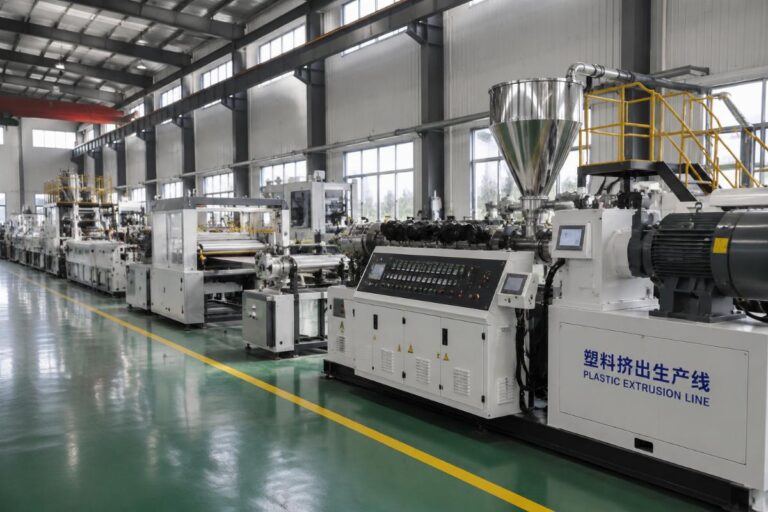
La automatización ligera personalizada para líneas de extrusión existentes ofrece un ROI 40% más rápido que la integración de una nueva línea de alta gama, desafiando las suposiciones comunes sobre los costos de automatización.{{ZKF_2}} La mayoría de los operadores de producción de plásticos asumen automáticamente que un mayor gasto inicial en automatización se traduce directamente en períodos de recuperación más largos, pero los datos operativos del mundo real de las instalaciones en mercados emergentes revelan un patrón de retorno muy diferente que se alinea directamente con la capacidad de producción real en lugar de conjuntos de características teóricas.{{ZKF_3}} Para las instalaciones de producción de plástico de alto rendimiento en el sudeste asiático, África, Oriente Medio y América Latina, la automatización del manejo y empaquetado al final de la línea de extrusión ofrece un retorno de inversión predecible de 12 a 24 meses, con proveedores de maquinaria con sede en China que ofrecen integración llave en mano a precios competitivos.{{ZKF_2}} Esta no es una estimación teórica: es un resultado consistente observado en docenas de proyectos implementados que abarcan la fabricación de tuberías, la granulación de reciclaje y la producción de perfiles, con ganancias claras y medibles en costos laborales, desperdicio de materiales y eficiencia de producción.{{ZKF_3}}En mis 14 años apoyando a los operadores de producción de plásticos con actualizaciones de líneas de extrusión, he visto demasiados proyectos que ofrecen retornos mediocres simplemente porque los operadores copiaron diseños de automatización genéricos sin adaptarlos a sus volúmenes de producción exactos y especificaciones de producto. [NEED_CITE: La descoordinación entre la configuración de automatización y la capacidad de producción real es la causa principal del bajo rendimiento del ROI de la automatización de líneas de extrusión, no los altos costos de hardware.] Incluso las instalaciones que operan a un rendimiento moderado pueden obtener retornos positivos si seleccionan los componentes adecuados para su flujo de trabajo específico, en lugar de sobreinvertir en características que nunca utilizarán.
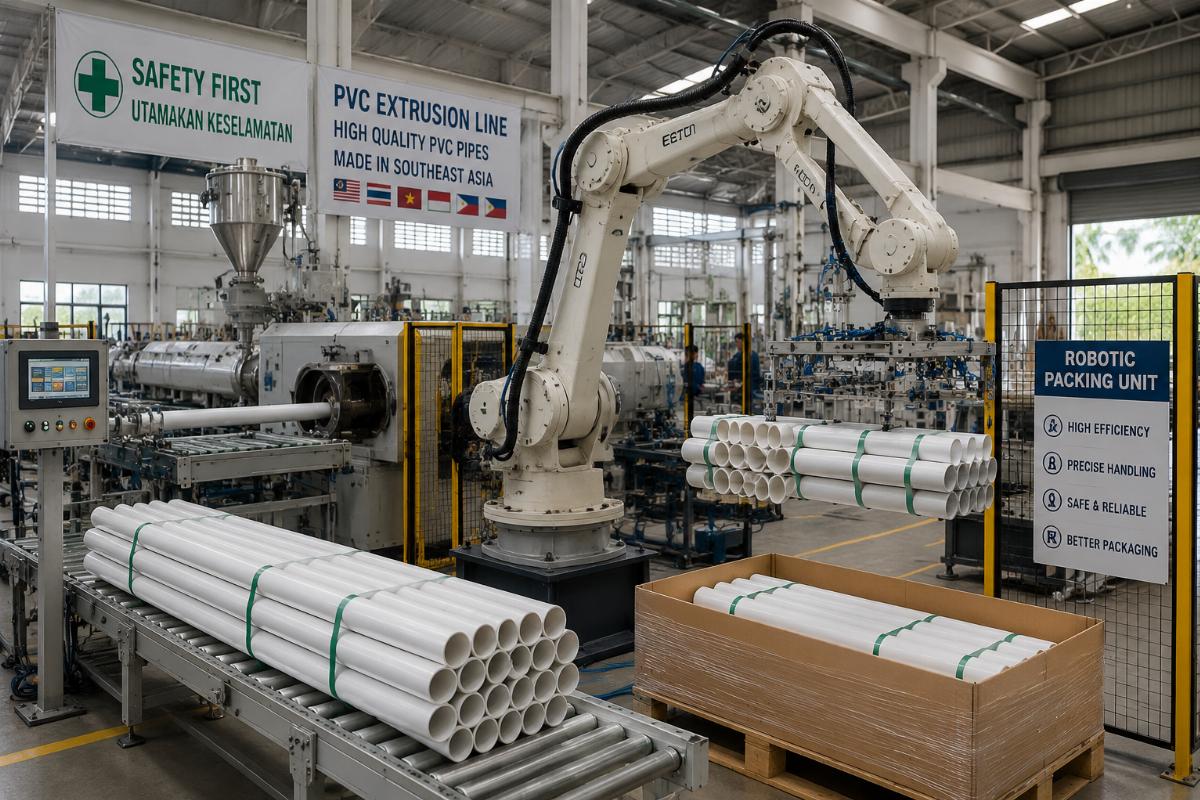
Las siguientes secciones desglosan los umbrales exactos, los marcos de cálculo y las mejores prácticas de implementación que necesitas para validar tu propio proyecto.
¿Por qué la mayoría de los proyectos de automatización de líneas de extrusión no logran alcanzar el ROI esperado?
La sobreconfiguración de la automatización más allá de las necesidades reales de producción es la razón más común para los plazos de recuperación prolongados.{{ZKF_2}} Muchos operadores optan por paquetes de automatización de marcas premium completas sin auditar su flujo de trabajo existente, lo que lleva a características no utilizadas y costos iniciales inflados que tardan años en recuperarse.{{ZKF_3}}[NEED_CITE: Los fabricantes de maquinaria de extrusión con sede en China ofrecen módulos de automatización llave en mano a un costo de 30-50% inferior al de las marcas premium europeas con calidad de componentes centrales equivalentes.]
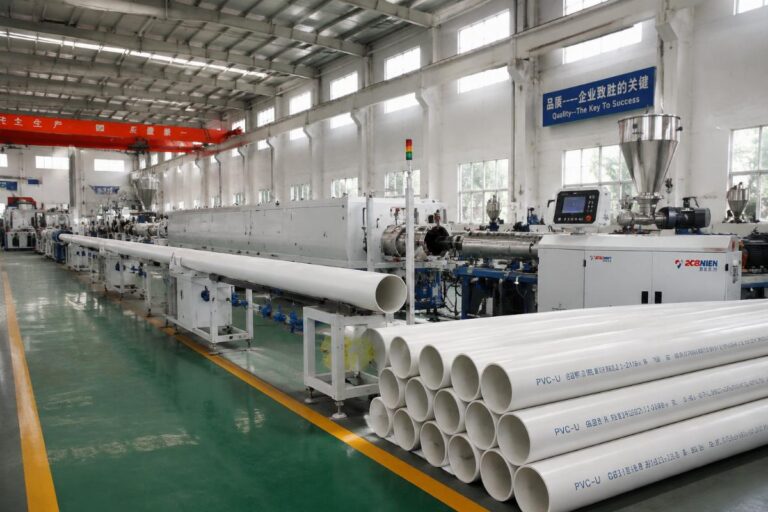
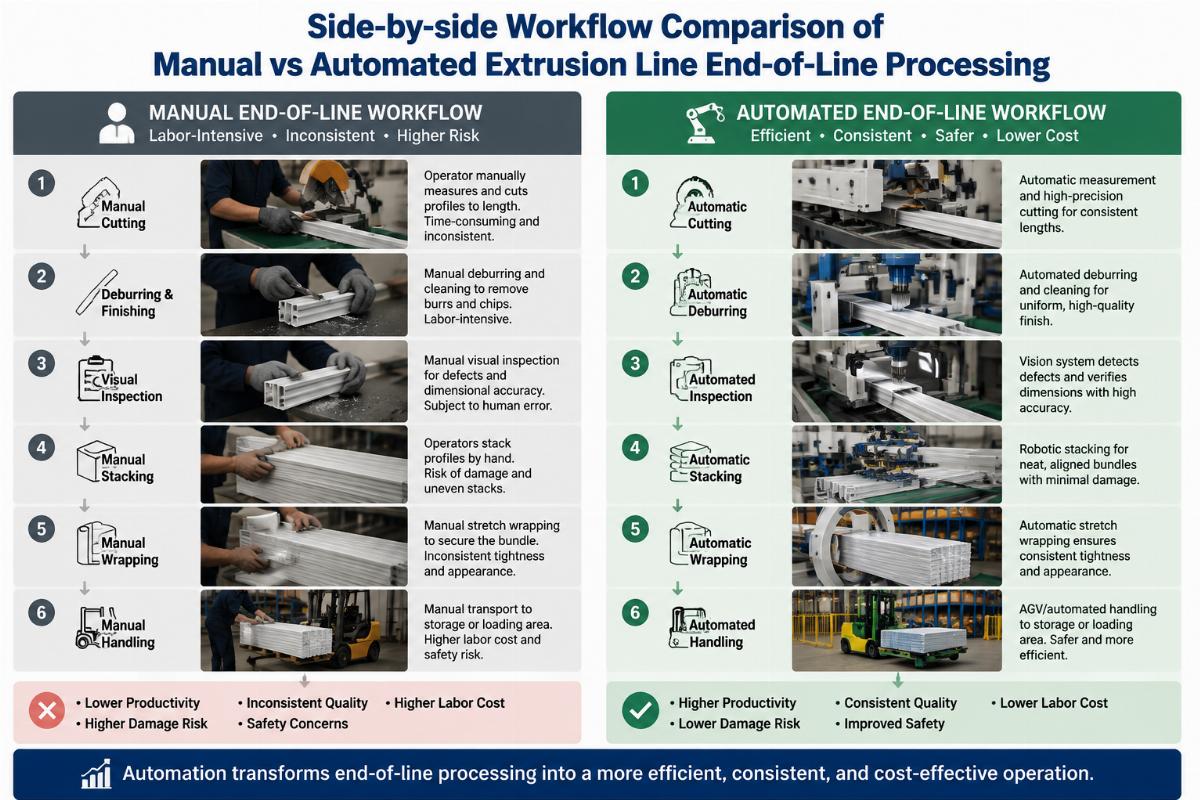
Un fabricante de tuberías de PVC de tamaño mediano en Vietnam que opera a una producción diaria de 1200 kg/h inicialmente planeó un reemplazo completo de la línea de producción con componentes de automatización alemanes, pero cambió a una integración de paletizado y empaque robótico dirigido que redujo su inversión inicial en un 42%. El proyecto eliminó 3 operadores fijos a tiempo completo por línea, lo que generó un ahorro anual en costos laborales de 18,000 USD y alcanzó el reembolso total en 14 meses, 6 meses antes de su proyección original.
-
Auditoría del Flujo de Trabajo Actual{{ZKF_2}} – Mapee cada paso existente del manejo al final de la línea, empaque y apilamiento para identificar solo los cuellos de botella que impactan directamente en el costo o la producción.{{ZKF_3}}
Benchmarking de Capacidad{{ZKF_2}} – Confirme su producción media real de 30 días en lugar de utilizar números teóricos de capacidad máxima para su línea.{{ZKF_3}}
Priorización de Componentes{{ZKF_2}} – Seleccione solo los módulos de automatización que aborden sus cuellos de botella documentados, sin complementos opcionales que no ofrezcan retornos medibles.{{ZKF_3}}
¿Cuál es el umbral mínimo de producción para justificar la integración de manejo y empaque robótico?
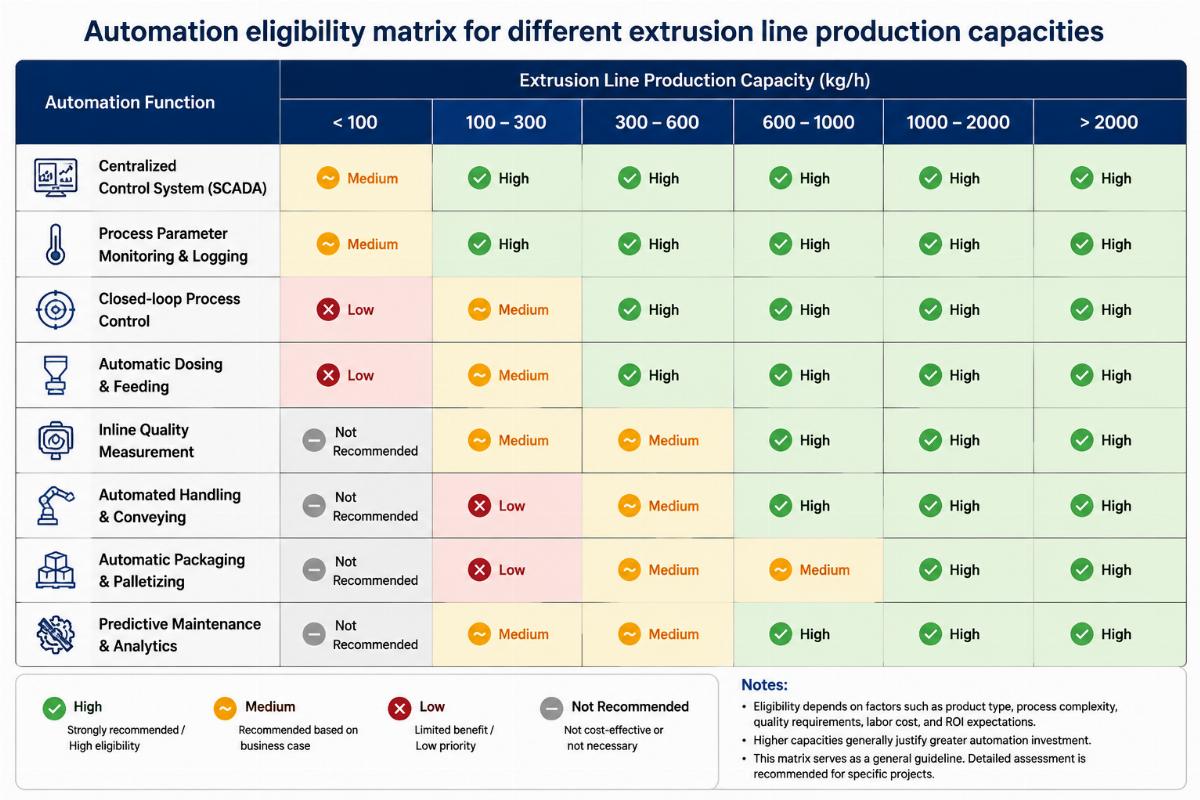
Incluso las pequeñas instalaciones de extrusión pueden alcanzar un ROI positivo, con un umbral mínimo tan bajo como 500kg/h de producción diaria para líneas de tuberías y granulación comunes.{{ZKF_2}} Este umbral cubre más del 70% de las instalaciones de producción de tamaño mediano en mercados emergentes, lo que significa que la mayoría de los operadores ya son elegibles para un proyecto de automatización viable.{{ZKF_3}}[NEED_CITE: Small pipe factories in China’s Jiangsu region with 500kg/h daily output have delivered full automation payback within 24 months.]
Una pequeña instalación de producción de tuberías en Jiangsu con una producción diaria de 520 kg/h implementó una unidad de embalaje automatizada compacta en 2024, y vio un retorno completo de su inversión de 28,000 USD en 21 meses, con ganancias mensuales consistentes gracias a la reducción de desperdicio de material y menor rotación de personal. El proyecto no requirió modificaciones importantes en su línea existente y operó en el mismo horario de turno único que su flujo de trabajo manual original.
-
Verificación del Conteo de Turnos{{ZKF_2}} – Confirme el número de turnos de producción activos por día para ajustar el cálculo del retorno anual total en consecuencia.{{ZKF_3}}
Verificación de Consistencia del Producto{{ZKF_2}} – Verifique que el 80% o más de su producción se encuentre dentro de una sola categoría de producto para evitar la sobrecomplejidad en el diseño de automatización.{{ZKF_3}}
Seguimiento de Tiempo de Inactividad{{ZKF_2}} – Registre el tiempo de inactividad promedio semanal causado por cuellos de botella al final de la línea para incluir ese valor en sus ganancias proyectadas totales.{{ZKF_3}}
¿Cómo calcular con precisión el período de recuperación de la automatización de la línea de extrusión?
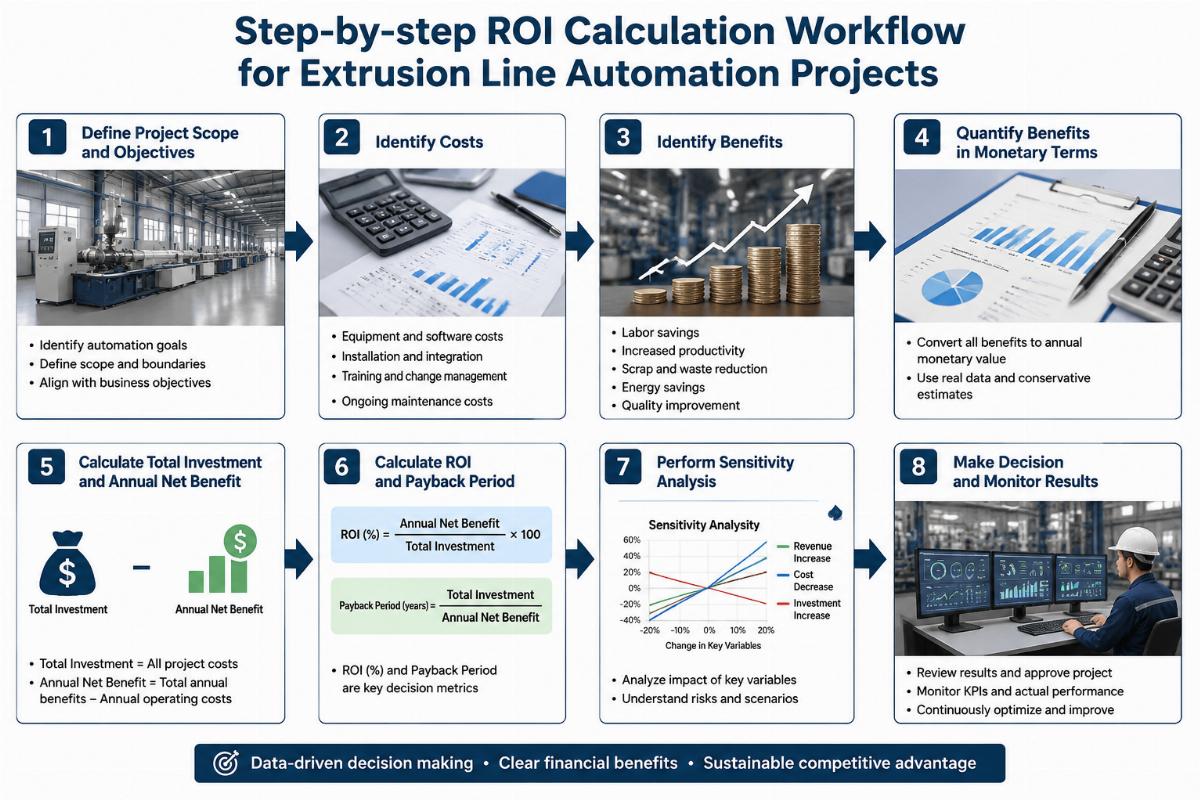
Un cálculo completo del ROI incluye ganancias ocultas más allá de la reducción directa de costos laborales, incluyendo menor desperdicio de material y reducción del tiempo de inactividad no planificado.{{ZKF_2}} Muchos operadores solo cuentan los ahorros en costos laborales al hacer sus cálculos, lo que lleva a subestimar el retorno anual total en hasta un 35%.{{ZKF_3}}[NECESITA_CITA: La integración automatizada para líneas de extrusión reduce el tiempo de inactividad en un 60% en comparación con las unidades de marcas europeas debido a tiempos de respuesta postventa un 70% más rápidos.]
Una gran instalación de producción de tuberías de HDPE en Arabia Saudita integró un sistema automatizado de corte y apilamiento en 2023, y vio su tasa de defectos en el embalaje del producto caer del 2.1% al 0.4%, generando 3200 USD al mes en reducción de pérdidas por productos defectuosos además de ahorros en mano de obra. Combinado con una reducción del 22% en el tiempo de inactividad de la línea, el proyecto logró un retorno total de la inversión en 13 meses, 3 meses más rápido que su cálculo inicial que solo tenía en cuenta los recortes en costos laborales.
-
Seguimiento de Línea Base de 3 Meses{{ZKF_2}} – Recolecte 90 días de datos históricos sobre costos laborales, tasas de defectos, volumen de producción y tiempo de inactividad antes de redactar su presupuesto del proyecto.{{ZKF_3}}
Agregación de Ganancias{{ZKF_2}} – Sume todas las ganancias medibles en lugar de centrarse únicamente en el ítem más obvio como los ahorros en mano de obra.{{ZKF_3}}
Asignación de Contingencia{{ZKF_2}} – Agregue un 10% de contingencia a su estimación de inversión inicial para cubrir costos imprevistos de instalación y capacitación.{{ZKF_3}}
¿Dónde obtener soluciones de automatización llave en mano rentables para líneas de extrusión?
Los proveedores de maquinaria de extrusión con sede en China ofrecen paquetes de automatización llave en mano preintegrados con un valor total mucho mejor que los proveedores de automatización europeos independientes.{{ZKF_2}} Estos proveedores ya tienen una amplia experiencia en la construcción de líneas de extrusión para mercados globales y pueden diseñar módulos de automatización que se integren directamente con el equipo existente sin costosas personalizaciones.{{ZKF_3}}[NEED_CITE: MT Extrusion Machinery ofrece soluciones completas de líneas de extrusión llave en mano, incluyendo soporte de formulación, diseño de disposición de fábrica y envío gratuito de ingenieros al extranjero para la instalación in situ.]
Una gran instalación de granulación de reciclaje en Nigeria adoptó una línea de envasado totalmente automatizada de un proveedor chino de equipos de extrusión en 2024, y vio aumentar la eficiencia de producción en un turno en un 28% sin añadir personal adicional de producción. El proveedor proporcionó instalación completa en el sitio y capacitación para operadores en inglés, y el