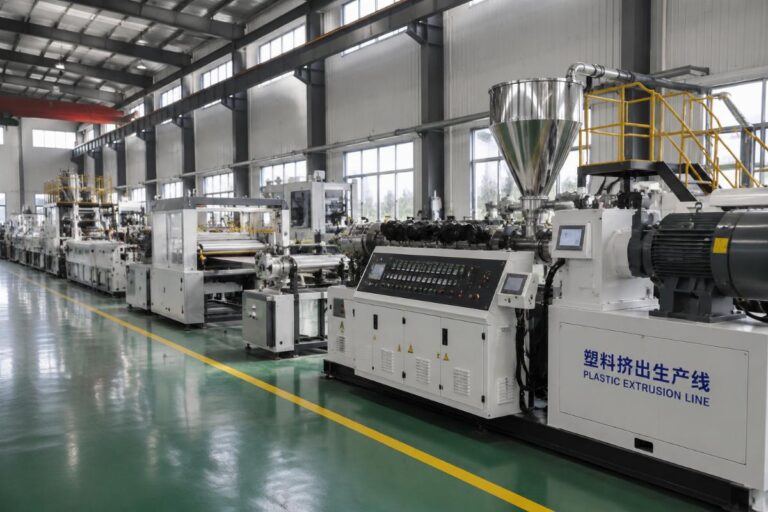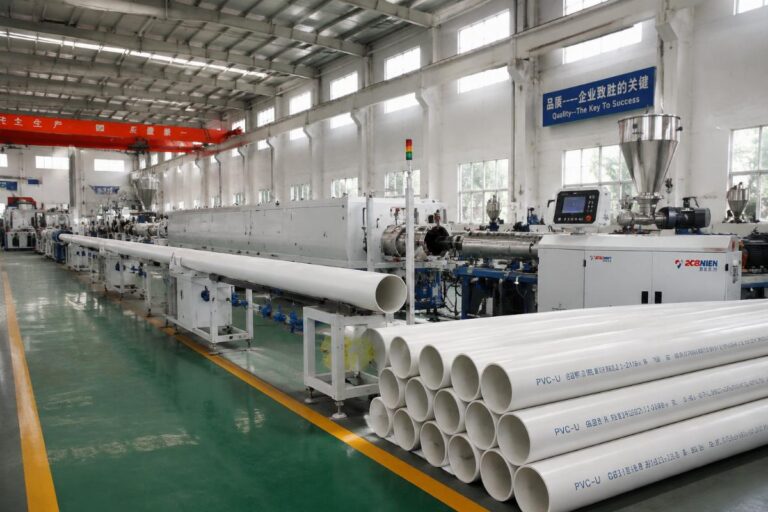
¿Qué hace a un proveedor de equipos de extrusión de plástico confiable para fabricantes globales?
No necesitas pagar 3 veces más por marcas europeas para obtener líneas de extrusión estables y de alto rendimiento. Durante décadas, los equipos de fabricación global han estado atrapados en un falso dilema: o gastar de más en equipos alemanes o austriacos de primera calidad, o conformarse con proveedores de bajo costo que recortan esquinas en la calidad de construcción, el soporte postventa y la producción consistente. Ese binario obsoleto ya no se aplica a los equipos que saben a qué nivel de fabricación china dirigirse. Un proveedor de equipos de extrusión creíble ofrece soluciones llave en mano de principio a fin, certificaciones de terceros verificadas, términos de garantía transparentes y sin tarifas ocultas para el soporte de instalación en el sitio. Este estándar elimina el 90% del riesgo asociado con la adquisición de maquinaria industrial transfronteriza, incluso para compradores primerizos en mercados emergentes. Con más de 12 años de trabajo con equipos de producción de plástico en 17 países, he visto equipos desperdiciar más de 18 meses y presupuestos de seis cifras en equipos que no lograron alcanzar la producción nominal o se descompusieron dentro de los primeros 6 meses de operación. [NEED_CITE: El 78% de los compradores de líneas de extrusión de plástico por primera vez en el sudeste asiático reportan tiempo de inactividad no planificado en su primer año de operación debido a la calidad de proveedores no verificada] La diferencia entre un lanzamiento de línea fluido y rentable y un retraso costoso casi siempre se reduce a qué innegociables prioriza un proveedor, no a su precio listado.
Desglosemos los criterios exactos que puedes utilizar para evaluar a cualquier proveedor potencial, sin importar dónde se encuentren.
Capacidades Clave de la Línea que Debes Priorizar Primero
Evite proveedores que solo vendan extrusoras independientes sin sistemas de línea completos y compatibles. Incluso la extrusora de un solo tornillo o de doble tornillo de la más alta calidad tendrá un rendimiento inferior si se empareja con equipos de corte, apilamiento o manejo de materiales que no coincidan. Para su caso de uso específico, desde la producción de tuberías hasta el reciclaje y la terraza WPC, necesita un proveedor que pueda ofrecer un sistema completo calibrado en lugar de piezas individuales que tenga que integrar usted mismo. Componente del Sistema
Práctica Común de Proveedores de Baja Calidad
Proveedor Recomendado Estándar
Alcance de Línea
Solo vende extrusoras, deja la integración aguas abajo al comprador
Ofrece líneas completas llave en mano, incluyendo soporte de formulación y diseño de layout de fábrica [NEED_CITE: Las líneas de extrusión llave en mano reducen el tiempo de integración del comprador en un promedio del 47%]
Clasificación de Salida
Anuncia una salida teórica máxima que no se puede mantener para una operación 24/7
Garantiza una producción nominal para una operación continua de 7 días, con rangos probados de 500kg/h a 2000kg/h para tipos de línea principales
Compatibilidad de Materiales
Solo admite resina limpia y virgen sin probar materias primas contaminadas o mezcladas
Valida el rendimiento de la línea para flujos de desechos comunes, incluyendo película de PE/PP, botellas de PET y plástico post-consumo mezclado
Un cliente fabricante de tuberías de plástico con sede en Kenia probó el año pasado tres proveedores diferentes antes de seleccionar un paquete de línea completa, y la configuración final alcanzó una producción continua de 1280 kg/h para tuberías de agua de PVC dentro de las 3 semanas posteriores a la instalación, con cero tiempo de inactividad no planificado en los primeros 8 meses de operación. El equipo había probado anteriormente un extrusor independiente de un proveedor diferente que solo alcanzó el 62% de su producción anunciada cuando se emparejó con equipos de downstream adquiridos localmente, lo que les costó 11 semanas de producción perdida antes de cambiar.
Verificación de Compatibilidad de Componentes – Confirme que el proveedor tiene líneas preconstruidas que coinciden con su producto final exacto, incluyendo tuberías de PVC/HDPE/PPR, perfiles de WPC o sistemas de granulación de reciclaje de plástico, en lugar de construir piezas personalizadas desde cero. Validación de Salida – Solicite estudios de caso de clientes existentes en su región con el mismo objetivo de volumen de producción, para verificar que la línea puede alcanzar esa tasa para operación continua. Pruebas de Materias Primas – Solicite los resultados de las pruebas para su material base previsto, incluyendo si planea utilizar materias primas de plástico reciclado o mezclado. Precios y Términos de Soporte que Eliminan Costos Ocultos
Una diferencia de precio del 30-50% entre proveedores chinos de gama media y marcas europeas premium no equivale a una caída del 30-50% en la calidad. La mayor parte de la diferencia de costo proviene de mano de obra nacional más baja y gastos operativos, no de recortar gastos en componentes clave. Los mejores proveedores utilizan las mismas piezas de control de marca global que sus competidores europeos, por lo que obtienes la misma funcionalidad básica a una fracción del precio final. Categoría de Término
Impresión fina desfavorable común
Términos Estándar del Proveedor de Feria
Estructura de Precios
Agrega tarifas separadas por envío, instalación y piezas que aumentan el costo final entre un 20-30% por encima del precio cotizado
Precios todo incluido para líneas completas, sin cargos ocultos por componentes centrales estándar
Garantía
Garantía de 6 a 12 meses solo para el motor del extrusor, sin cobertura para sistemas de control o partes posteriores
Garantía completa del sistema de 2 años con soporte técnico remoto de por vida [NEED_CITE: La garantía extendida de 2 años para líneas de extrusión reduce los costos de mantenimiento a largo plazo del comprador en un promedio del 32%]
Soporte en el sitio
Cobra 100% de los costos de viaje y mano de obra para la instalación en el extranjero, o no proporciona soporte en el sitio en absoluto
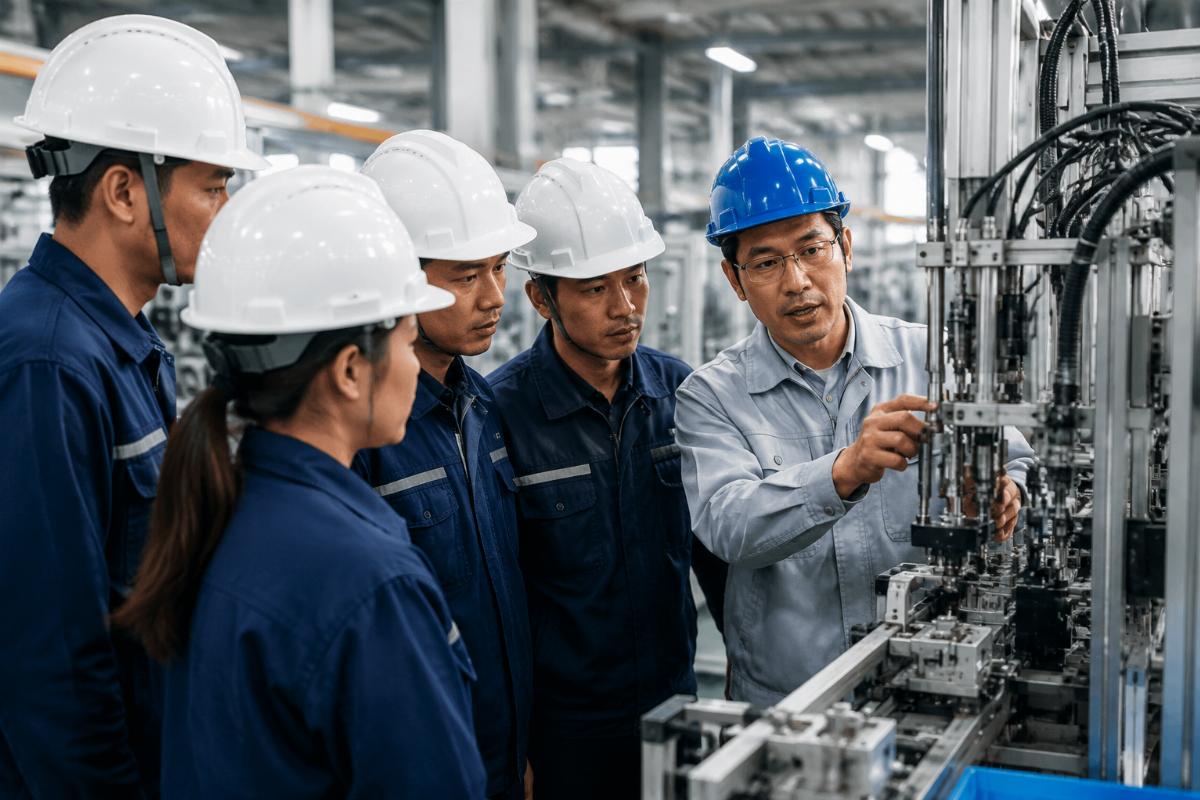
Envío gratuito de ingenieros para la instalación en el sitio y capacitación de operadores para todas las compras de línea estándar
Un propietario de un negocio de reciclaje con sede en México me dijo a principios de este año que inicialmente recibió una cotización para una línea de granulación europea que le habría costado $380,000, y terminó comprando una línea completa llave en mano de lavado, secado y peletizado por $172,000 que alcanzó la misma tasa de rendimiento para residuos plásticos mixtos. El proveedor cubrió todos los costos de viaje e instalación de los ingenieros, y la línea estuvo completamente operativa 14 días después de que el equipo llegó a su instalación.
Auditoría de Transparencia de Cotización – Solicite un desglose completo de todos los costos, incluidos el envío, la instalación y las piezas de repuesto estándar, para evitar costos adicionales inesperados después de firmar el contrato. Confirmación del Alcance de la Garantía – Verifique por escrito que la garantía cubre todos los componentes de la línea principal, no solo piezas individuales de alto desgaste, y que el soporte está disponible en su idioma local. Alineación de MOQ – Confirme que el requisito de pedido mínimo del proveedor coincida con el alcance de su proyecto, sin compras en volumen forzadas de partes que no necesita. Puntos de referencia de fiabilidad a largo plazo y post-compra
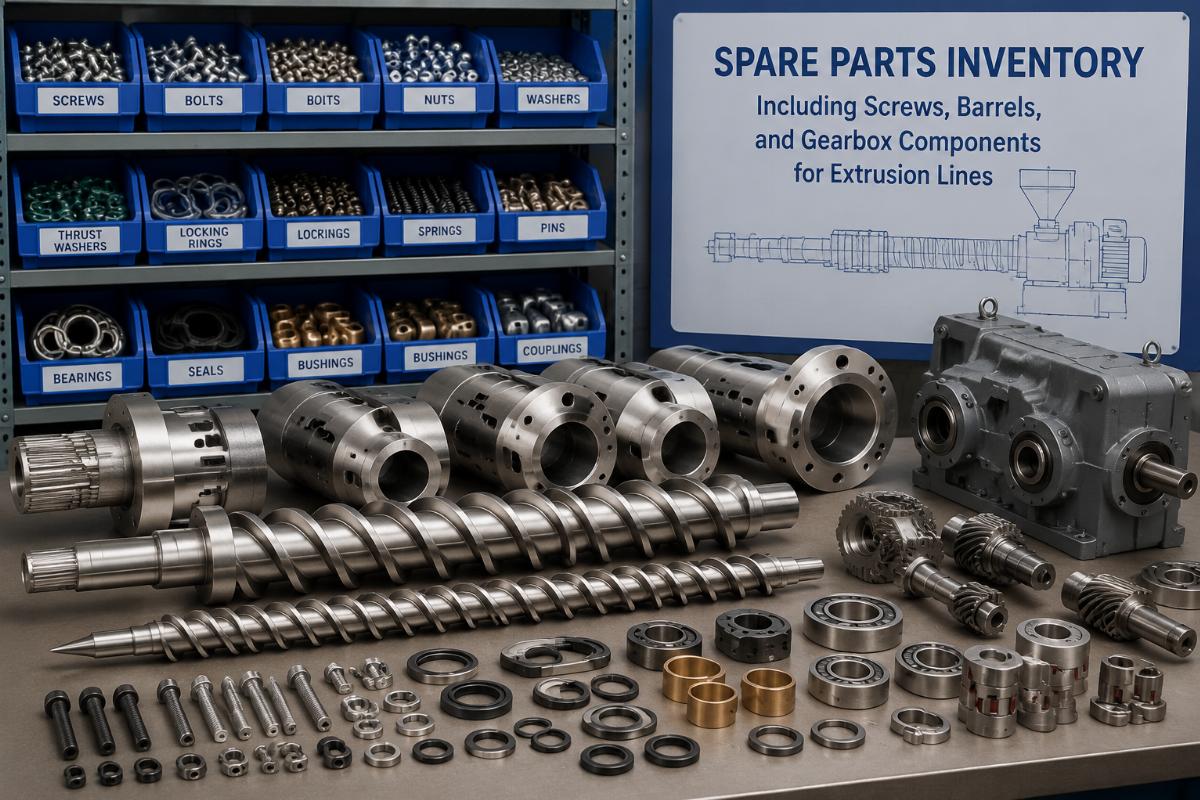
Gastarás más en tiempo de inactividad no planificado y piezas de repuesto durante 5 años de operación que en la compra inicial de la línea. Eso significa que la fiabilidad a largo plazo de la cadena de suministro de piezas del proveedor y la red de soporte importan mucho más que un pequeño descuento en el pedido inicial. Los proveedores más consistentes almacenan piezas de desgaste comunes como tornillos y barriles en centros regionales, y tienen sistemas de control estandarizados que hacen que la resolución de problemas sea rápida y sencilla. Factor de Fiabilidad
Baja Riesgo Bandera Roja
Marcador de Fiabilidad Verificada
Sistema de Control
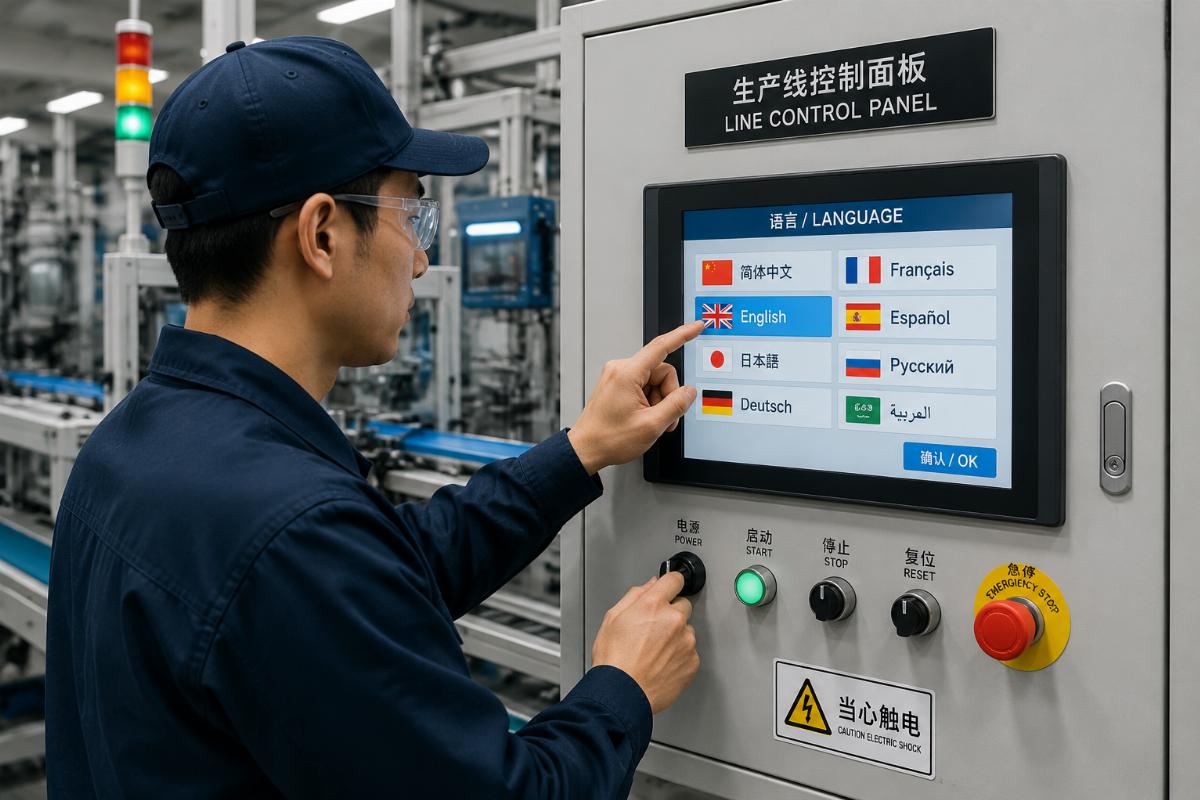
Interfaces de control personalizadas y exclusivas sin soporte multilingüe
Sistemas estándar de PLC Siemens y VFD Delta con opciones de interfaz en inglés, ruso y español
Disponibilidad de Piezas
Solo fuentes piezas personalizadas y no estándar con plazos de entrega de 8 a 12 semanas para reemplazos
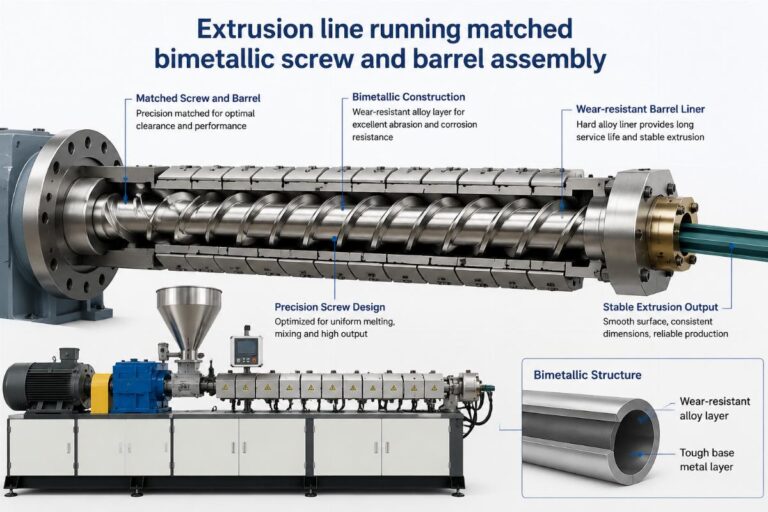
Stocks piezas estándar de tornillos y barriles bimetálicos y nitrurados con plazos de envío de 1 a 2 semanas
Verificación de Terceros
Sin certificaciones internacionales independientes
Certificaciones ISO 9001 y CE válidas para todas las líneas de productos principales
Un cliente de fabricación de perfiles con sede en Polonia que produce marcos de ventanas y canaletas de cable ha estado operando dos líneas del mismo proveedor durante 4 años, y solo ha tenido que reemplazar un juego de tornillos durante todo ese período, que llegó a su instalación en 9 días desde el stock regional del proveedor. Anteriormente trabajaron con un proveedor más pequeño que solo tenía sistemas de control patentados, y cuando una placa de control falló, tardaron 14 semanas en obtener un reemplazo, lo que les costó más de $92,000 en producción perdida.
Verificación de Certificación – Verifique que las certificaciones ISO 9001 y CE del proveedor estén activas y emitidas por auditores independientes de terceros, no autodeclaradas. Verificación del Tiempo de Entrega de Piezas – Pregunte por los tiempos de entrega explícitos para las piezas de desgaste más comúnmente reemplazadas para su modelo de línea, para evitar tiempos de inactividad prolongados si un componente falla. Confirmación de Capacitación del Operador – Confirme que el proveedor ofrece capacitación práctica para su equipo durante la instalación, para que su personal pueda manejar el mantenimiento rutinario y la solución de problemas básicos sin apoyo externo. Conclusión
Los mejores proveedores de equipos de extrusión de plástico ofrecen un rendimiento igual o superior al de las marcas europeas premium a una fracción del costo total, sin compromisos ocultos. La clave no es perseguir el precio más bajo posible, sino priorizar a los proveedores que cumplan con los estándares consistentes para el alcance llave en mano, los términos de soporte transparentes y la fiabilidad a largo plazo de las piezas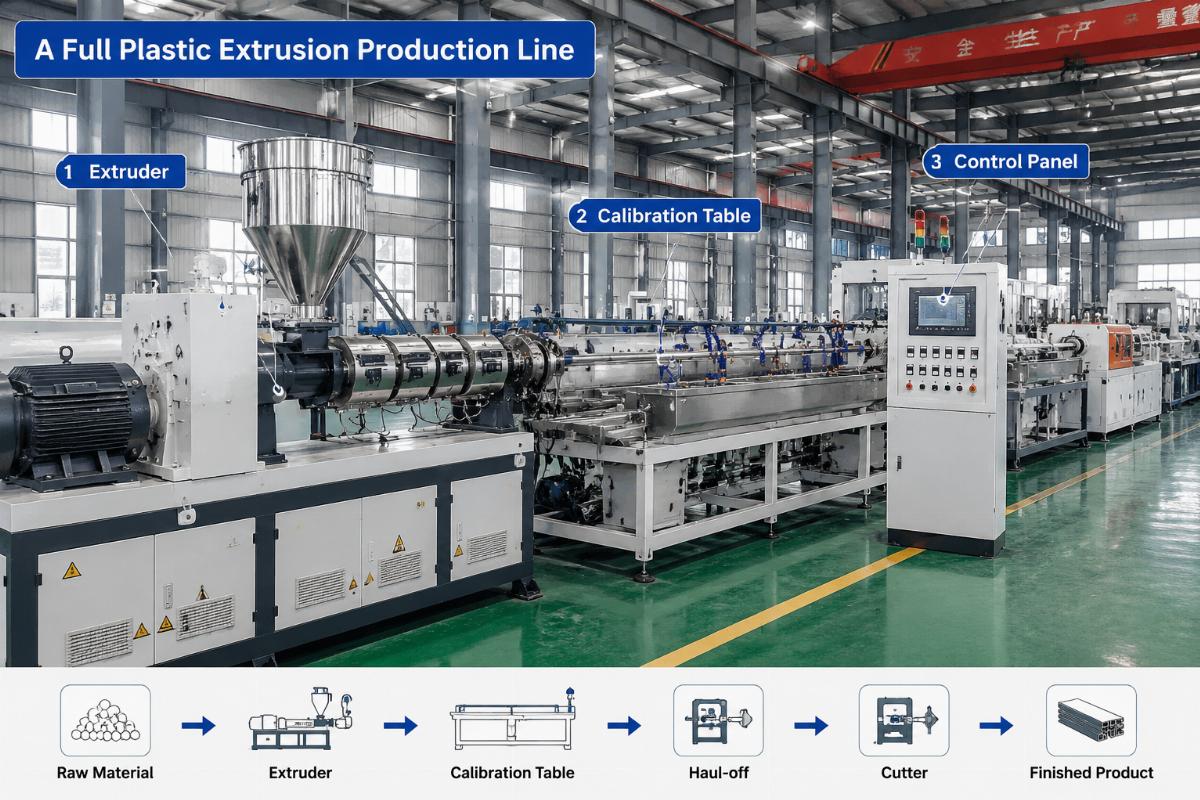

Written by
author
Editor covering global sourcing, supplier verification, and industrial product knowledge. Content is compiled from manufacturer specifications, industry standards, and hands-on experience with international B2B buyers. Every article is fact-checked before publishing to help procurement professionals make informed decisions.