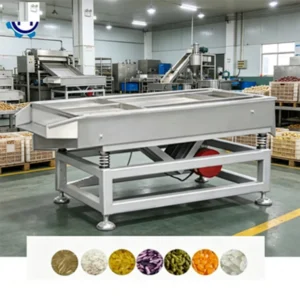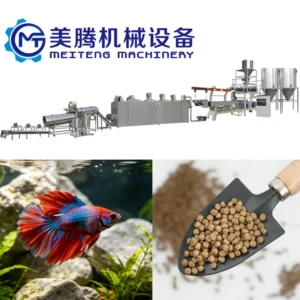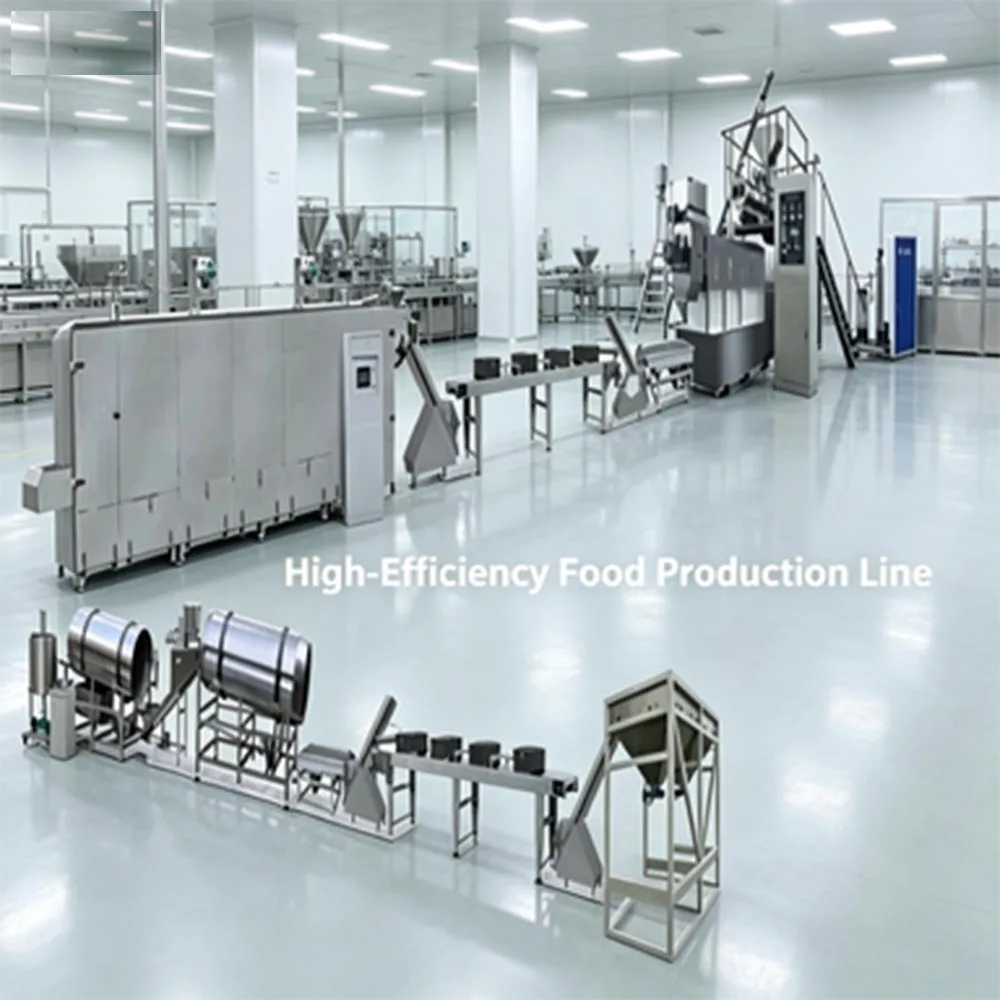


Floating Fish Feed Production Line, Twin-Screw Extruder, 0.5–12mm Pellet Range — engineered as a turnkey project from batching through extrusion to pelletizing, with throughput matched across every station. Screw configuration and die design are specified to your raw material formulation, controlling expansion and buoyancy so floating pellets meet the density your market expects. Line layout and capacity calculation documents are provided for your floor planning and utility preparation.
- Stainless steel contact parts for corrosion resistance in continuous aquatic feed processing
- Fully automatic operation covering feeding, mixing, extruding, and pelletizing stages
- Trial runs on customer raw material completed in-house before shipment
Description
Integrated Throughput Matching — Every station from batching to packing is calculated against the extruder’s actual output on your aquatic feed formulation, preventing bottlenecks before the line ships.
Technical Specifications
| Parameter | Value |
|---|---|
| Product Type | Floating Fish Feed Production Line |
| Extruder Type | Twin Screw |
| Output Capacity | 500 kg/h (basis not stated in source — confirm raw material / moisture / pellet size) |
| Pellet Size Range | 0.5 mm to 12 mm |
| Control System | Simple control panel (PLC / MCC option to be confirmed) |
| Line Stations | Feeding, mixing, extruding, pelletizing (dryer / cooler / coating to be confirmed) |
| Structure Material | Stainless Steel (main contact parts) |
| Automation Level | Fully automatic continuous operation |
| Power / Voltage / Frequency | Configurable to site requirement (basis to be confirmed) |
| Screw Diameter / L:D Ratio | Configured per formulation (basis to be confirmed) |
Application Suitability
| Application | Material or Output |
|---|---|
| Floating pellets for grow-out tilapia and catfish | Fish meal, soybean meal, corn flour, wheat bran blends |
| Ornamental koi and goldfish feed | High-protein formulations with pigment and binder additives |
| Multi-stage aquatic feed production | Pellet diameters from 0.5 mm fry feed to 12 mm adult ration |
| Small and medium aquaculture feed mills | Continuous runs of floating kibble for regional distribution |
Why Your Floating Pellets Sink Before Reaching the Pond Surface
Buoyancy is decided in the extruder barrel, not patched at the dryer.
I watched a producer in Southeast Asia lose an entire batch when pellets that floated during the factory trial dropped straight to the bottom on their local soy-heavy formulation. The extruder had been configured for a standard fish meal recipe, and the lower protein content changed the gelatinisation window entirely [NEED_CITE: starch gelatinisation thresholds in twin-screw extrusion for aquatic feed]. When the screw profile does not match the raw material, expansion collapses and density rises — no amount of drying time fixes that. A floating fish feed production line turnkey project only holds its specification when the die geometry and barrel temperature zones are set against the buyer’s actual blend, not a generic reference recipe.
Barrel Zones and the Gelatinisation Window
A twin-screw extruder processes aquatic feed through sequential heating and shear stages. Each barrel zone contributes to starch gelatinisation, which directly determines how much the pellet expands at the die face. On a floating fish feed production line turnkey installation, the number of active heating zones and the temperature gradient between them must correspond to the starch content and moisture level of the incoming mix. Insufficient gelatinisation leaves dense, sinking pellets; excessive heat degrades protein and reduces nutritional value.
Die Geometry and Pellet Buoyancy Control
The die plate is where internal pressure converts to expansion. Hole diameter, land length, and pattern spacing all influence the final pellet density. For floating aquatic feed, the die must allow rapid pressure release so that trapped steam creates the internal pore structure that keeps the pellet on the surface [NEED_CITE: die land length and expansion ratio in twin-screw food extrusion]. Switching between 0.5 mm fry feed and 12 mm adult pellets means swapping die plates, and each plate requires its own documented screw speed and moisture setting to maintain buoyancy.
Reading the Specs That Actually Matter
The twin-screw configuration is the core of this floating fish feed production line turnkey system, providing the shear and residence time needed for high-starch aquatic formulations. Pellet size adjustability from 0.5 mm to 12 mm covers the full growth cycle of most freshwater and ornamental species without requiring a second extruder. Stainless steel contact parts resist the corrosive effect of fish meal and mineral premixes over long production runs. The simple control panel manages continuous operation, though buyers targeting automated recipe management should confirm whether PLC or MCC control is available for their installation [NEED_CITE: PLC versus MCC control panel options for extrusion lines]. Output capacity is listed at 500 kg/h, but this figure depends on the raw material formulation, target moisture, and pellet diameter — always verify the basis before sizing downstream equipment.
The Cost of Skipping a Raw Material Trial
Producers who approve a line configuration based solely on a factory trial with standard reference material frequently discover density problems during commissioning. Floating feed that sinks means the entire batch is unsaleable to farmers who depend on surface feeding to monitor stock health. Reworking the screw combination on-site costs production days and burns through raw material while the correct profile is established [NEED_CITE: commissioning delays caused by unverified screw configurations in aquatic feed extrusion]. The expense of a pre-shipment trial on the buyer’s actual formulation is minor compared to the loss of a full production run that fails buoyancy specification.
What Separates a Matched Line from a Mismatched One
Throughput calculations across every station — feeding, mixing, extruding, and pelletizing — are completed before the layout is finalized, so no single unit constrains the rest. The screw and die combination is specified against the buyer’s documented raw material formulation rather than copied from a generic build. An in-house testing workshop allows trial runs on the customer’s actual ingredients before the line ships, confirming pellet buoyancy and density against the target specification. Electrical schematics and control panel language are confirmed to match the destination market, avoiding commissioning delays caused by voltage or interface mismatches. Documentation covers the full project lifecycle from layout through factory test records.
Documentation & Verification
- Line layout drawing with station throughput matching calculations for aquatic feed output
- Screw and die configuration record tied to your raw material formulation
- Factory trial report on your actual ingredients confirming pellet buoyancy
- Electrical schematic with voltage, frequency, and panel language confirmed
- CE declaration of conformity covering the full extrusion line assembly
- Wear parts list with screw element and die plate replacement intervals
Installation, Commissioning & Support
- Foundation plan detailing load points for the twin-screw extruder and mixing station
- Dedicated circuit specification based on confirmed total line power draw
- Modular station delivery allowing phased assembly in restricted workshop spaces
- First-run parameter logging with your formulation to establish baseline settings
- Operator training covering die changes across the 0.5 mm to 12 mm pellet range
- Spare screw elements and die plates staged for the first replacement cycle
What We Need to Configure Your Line
Share your raw material formulation including protein and starch percentages, target pellet sizes across fish growth stages, and daily output requirement so the extruder and downstream stations can be sized together. Confirm the local voltage, frequency, and preferred control panel language to ensure the electrical package matches your facility before dispatch. If your formulation uses non-standard ingredients or local agricultural by-products, send a sample batch so we can run a buoyancy trial in the testing workshop prior to shipment.
Frequently Asked Questions
Q: How is the 500 kg/h capacity verified for my specific formulation?
A: Capacity depends on raw material composition, moisture content, and pellet diameter. We confirm throughput during a trial run using your actual formulation in the testing workshop, documenting the achieved output alongside screw speed and barrel temperature settings. This verified figure — not a generic rating — becomes the basis for sizing every downstream station on your floating fish feed production line.
Q: Will the screw and die configuration match my raw material?
A: Yes. The screw element sequence and die plate geometry are selected after reviewing your formulation’s protein, starch, and fat ratios. A trial run on your sample material confirms expansion, density, and buoyancy before the configuration is locked. This record ships with the line so your team can reproduce the settings from day one.
Q: Are dryer and coating stations included with matched throughput?
A: The standard line covers feeding, mixing, extruding, and pelletizing. Dryer, cooler, and coating stations can be added with capacity calculated against the extruder’s verified output on your formulation. Matching throughput across all stations prevents bottlenecks that occur when individual units are sourced separately without a unified line calculation.
Q: Can I send my raw material for a trial before the line ships?
A: The in-house testing workshop is set up for exactly this purpose. Send a representative sample of your formulation, and we run the extruder with your material to confirm pellet size, buoyancy, and density. The trial report documents all parameters so you can evaluate results against your market specification before approving shipment.
Q: What voltage and control panel options are available?
A: Voltage, frequency, and phase are configured to your site’s electrical supply. The control panel language is confirmed during the specification stage so operators can read all labels and alarms in their working language. These details are locked in the electrical schematic before production begins, avoiding rewiring or reprogramming during commissioning.
Related products
-
MT70 100-200kg/h Dog & Cat Pet Food Processing Line with 380V 50Hz Three Phase Power
¥35,000.00 Select options This product has multiple variants. The options may be chosen on the product page -
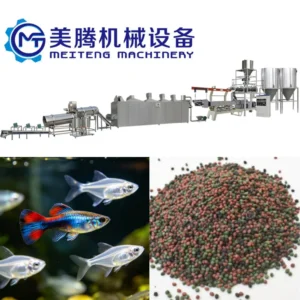
Línea de procesamiento de alimento para peces multi-especies con capacidad de 200-300kg/h para producir alimento para peces
¥34,000.00 Select options This product has multiple variants. The options may be chosen on the product page -
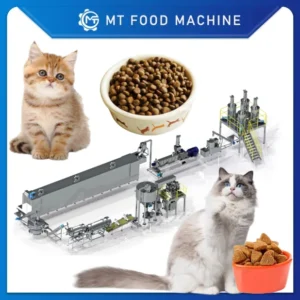
Marca Línea de Procesamiento de Comida para Gatos de Múltiples Especies Controlada por PLC de 2.5-3.0t/h¥55,000.00
Select options This product has multiple variants. The options may be chosen on the product page -
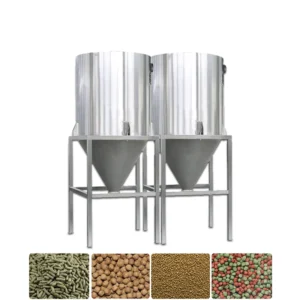
Línea de producción de alimentos para mascotas en stock / Máquina de extrusión de alimentos para perros y gatos
¥9,500.00 Select options This product has multiple variants. The options may be chosen on the product page