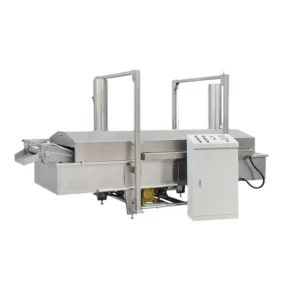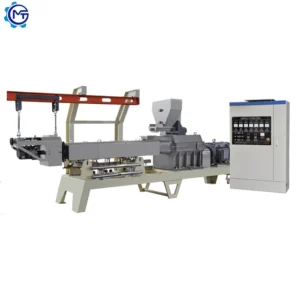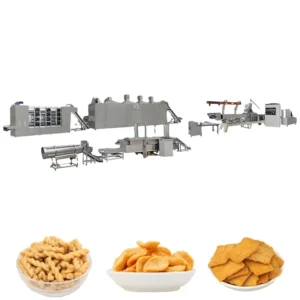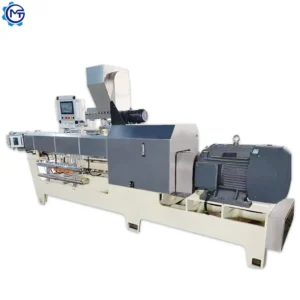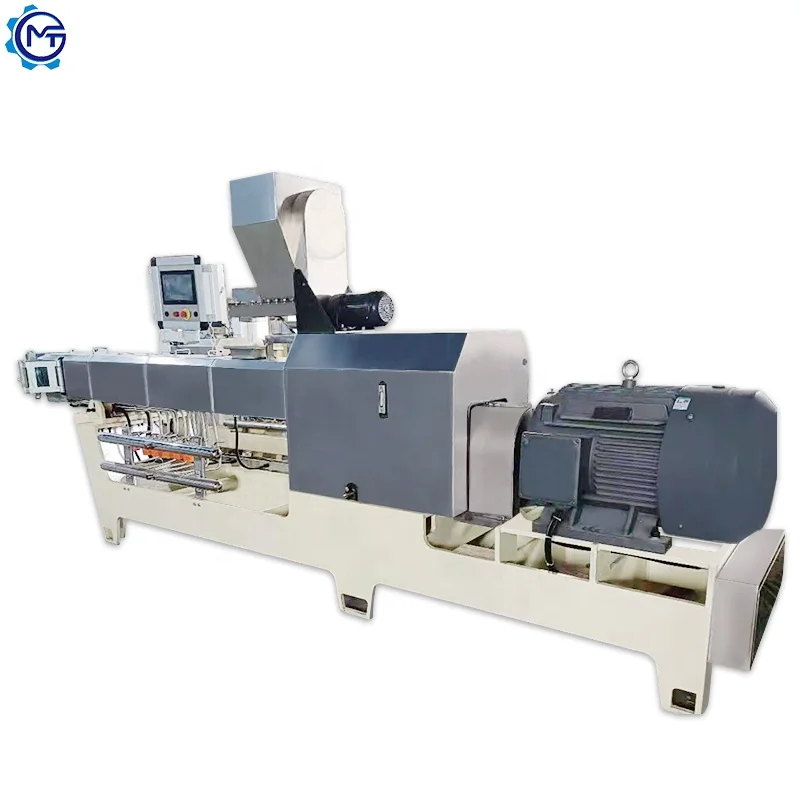


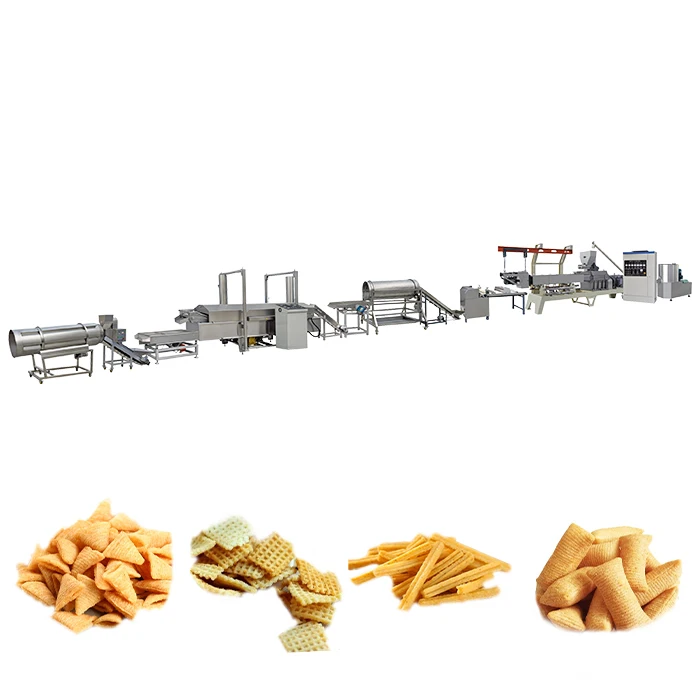

MT65 / MT70 / MT70c / MT75 Twin Screw Extruder Corn Flour Puff Snack Production Line, 22–55 kW, Alloy 38CrMoAl Screws — configured for Nacho, tortilla and Bugles-style chips from corn flour with matched frying and flavoring stations.
- Screw elements and die geometry are specified to the buyer’s corn flour blend and target chip density, controlling expansion and moisture profile through the barrel zones.
- Speed-adjusted converter control across feeding, extrusion and cutting maintains stable throughput; fryer available in electric, diesel or gas heating.
- Station capacities are calculated and matched across extruder, fryer and double-drum flavoring system to eliminate bottlenecks.
Every line undergoes a trial run on the buyer’s actual raw material in our testing workshop before shipment, with screw configuration record and capacity calculation provided for verification.
Description
Complete Turnkey Frying Snack Line — Extruder, fryer and flavoring stations throughput-matched under one supplier so the line runs at rated capacity without bottlenecking at any single station.
Technical Specifications
| Parameter | Value |
|---|---|
| Model | MT65 / MT70 / MT70c / MT75 |
| Product Type | Twin Screw Extruder Corn Flour Puff Snack Production Line |
| Screw Type | Twin screw |
| Screw Material | Alloy (38CrMoAl), nitriding process |
| Main Power | 22 kW (MT65) / 30 kW (MT70) / 45 kW (MT70c) / 55 kW (MT75) |
| Real Power | 22 kW (MT65) / 30 kW (MT70) / 55 kW (MT70c) / 55 kW (MT75) |
| Output Capacity | 100–150 kg/h (MT65) / 150–200 kg/h (MT70) / 200–250 kg/h (MT70c) / 200–300 kg/h (MT75) (basis not stated in source) |
| Overall Dimensions | 22000×1200×2200 mm (MT65) / 25000×1500×2200 mm (MT70) / 30000×3500×4300 mm (MT70c) / 33000×3500×4300 mm (MT75) |
| Control System | Speed adjusted converter on feeding, extrusion, and cutting systems |
| Feeding System | Food-grade stainless steel twin screw feeder |
| Main Motor | Siemens brand |
| Gearbox | Automatic lubrication function |
| Cooling | Increased radiator on driving part for forced cooling |
| Cutting System | Rotary cutting knife fixed in die head seat, V-belt drive |
| Line Stations | Mixing → Twin screw extrusion → Shaping → Frying → Flavoring |
| Fryer Energy Options | Electric / diesel / gas |
| Self-Cleaning | Yes |
| Assembly State | Complete line with inline air conveyor |
| Certification | CE, ISO |
Application Suitability
| Application | Material or Output |
|---|---|
| Nacho and tortilla chips | Corn flour blend, fried and seasoned |
| Doritos-style triangular chips | Corn powder with target density and expansion |
| Bugles and cone-shaped snacks | Corn flour, extruded through shaped die then fried |
| Savory puffed pellets | Corn-based dough, fried to target crispness |
| Snack manufacturers expanding into fried formats | Existing puffed snack lines adding frying and flavoring capacity |
What "Nominal Capacity" Leaves Out About a Twin Screw Extruder Snack Production Line Turnkey
A capacity figure is only meaningful when tied to the raw material, moisture content, and target product density that define your actual production run.
I have watched lines get shipped to West Africa with an output number on the nameplate that collapsed the moment local corn flour — higher in fiber, different in starch profile — hit the barrel. The extruder ran, but the downstream fryer sat idle waiting for enough throughput to justify oil temperature, and the flavoring drum turned half-empty batches. The bottleneck was not the machine; it was the mismatch between what the line was tested on and what the buyer actually had in the silo [NEED_CITE: raw material variability in corn flour across growing regions]. This twin screw extruder snack production line turnkey is configured after your specific corn blend is run through the testing workshop, with screw elements and die geometry selected to hold the expansion and density your market expects.
Screw Configuration Dictates What Your Corn Flour Actually Becomes
A twin screw extruder snack production line turnkey lives or dies by the screw element sequence inside the barrel. Conveying elements, kneading blocks, and reverse-screw sections each control how much shear and residence time the corn flour dough experiences. More kneading blocks raise gelatinization but also increase motor load and barrel temperature. The MT series uses alloy 38CrMoAl nitrided screws with self-cleaning capability, so when you switch from a Nacho chip recipe to a Bugles cone recipe, the barrel clears without manual disassembly.
Why the Fryer Cannot Be an Afterthought
The frying station determines final product texture, oil uptake, and shelf life — parameters that define whether the snack passes quality control or gets rejected at the distributor level. If the fryer capacity is sized to a nominal extruder output that your actual corn flour cannot sustain, the oil temperature drops every time a batch enters, producing chips that are greasy and under-crisped. The fryer on this line is available with electric, diesel, or gas heating, selected based on your site utility conditions, and its throughput is calculated against the extruder’s real-world output on your material rather than a generic nameplate figure [NEED_CITE: industrial fryer sizing methodology for snack lines].
Reading the Specs That Matter for Fried Snack Production
The main motor ranges from 22 kW on the MT65 to 55 kW on the MT75, and that power envelope determines how much mechanical energy can be delivered into the barrel for starch gelatinization of corn flour. The speed-adjusted converter control across feeding, extrusion, and cutting systems allows operators to tune each section independently — critical when a change in corn flour moisture requires a slower feed rate but faster cutting speed to maintain chip weight consistency. The food-grade stainless steel twin screw feeder prevents dead zones where corn flour can accumulate and ferment between batches. Overall line dimensions stretch to 33,000 mm for the MT75 configuration, which means floor planning must account for the full material flow path from mixing through the double-drum flavoring system, not just the extruder footprint alone.
The Hidden Cost of Buying Stations from Separate Vendors
When the extruder, fryer, and flavoring drum come from different suppliers, each one quotes capacity in isolation. The extruder vendor guarantees throughput on ideal material, the fryer vendor sizes for a batch weight, and the flavoring drum vendor assumes a feed rate. Nobody is responsible for the fact that these numbers do not align on your factory floor. The result is a line where one station always runs below capacity while another chokes, and the three vendors point at each other when the problem surfaces during commissioning [NEED_CITE: turnkey line integration challenges in snack manufacturing].
What This Turnkey Approach Changes
Every station on this line — from the twin screw feeder through the extrusion barrel, the fryer, and the double-drum flavoring system with integrated powder hopper — is throughput-matched before the line ships. The screw and die configuration is documented against your specific corn flour blend, not copied from a generic build. The in-house testing workshop runs your actual raw material so that expansion, density, and fry behavior are confirmed before the line is crated. Siemens main motors and automatic gearbox lubrication reduce the maintenance variables that typically emerge during the first year of production. Electrical schematics and voltage specifications are confirmed to your site power supply before manufacturing begins, not discovered during installation.
Documentation & Verification
- Line layout and capacity calculation matching extruder, fryer, and flavoring throughput
- Screw and die configuration record for your specific corn flour blend and target chip format
- Trial run report on your raw material from the in-house testing workshop
- Electrical schematic and voltage confirmation aligned to your facility power supply
- CE declaration of conformity and ISO certificate for the complete line
- Wear parts list covering screw segments, dies, and cutting blades with lead times
Installation, Commissioning & Support
- Floor plan must accommodate up to 33,000×3500×4300 mm for the MT75 full line layout
- Power supply must match confirmed voltage and frequency before the main motor and fryer heaters are energized
- Inline air conveyor and all inter-station connections are assembled and tested on-site
- First production run parameters — screw speed, barrel temperature, fryer oil temperature, flavoring drum speed — are set based on workshop trial data
- Operator training covers self-cleaning procedure for material changeover between chip formats
- Spare screw segments, dies, and rotary cutting blades are supplied with the initial shipment
What We Need to Configure Your Line
To build an accurate line layout and quotation, we need your corn flour specification including starch content and target moisture, the chip format you are producing (Nacho, tortilla, Bugles, or other shape), your daily production target in kilograms, and your site voltage and frequency. If you have existing upstream mixing or downstream packing equipment, share the interface dimensions so the line integrates without modification.
Frequently Asked Questions
Q: On what raw material basis are the output capacity figures calculated?
A: The kg/h figures listed for each model are based on standard corn flour blends under controlled moisture conditions, but actual throughput varies with your specific raw material composition, starch content, and target product density. The testing workshop trial run on your material provides the verified capacity figure for your quotation.
Q: How are the screw elements and die geometry selected for different chip shapes?
A: The screw element sequence — conveying, kneading, and reverse sections — is configured to control shear and residence time for your corn flour blend, while the die opening geometry determines the cross-sectional shape of the extrudate before it is cut and fried into the target chip format.
Q: How do you ensure the fryer does not bottleneck the extruder?
A: Fryer capacity is calculated against the extruder’s real-world throughput on your raw material, not the nominal nameplate figure. Oil volume, heating power, and belt speed are matched so the fryer handles continuous output without temperature drop between batches.
Q: Is the voltage and control language confirmed before production starts?
A: Yes. Your site voltage, frequency, and preferred control panel language are confirmed during the specification stage. The electrical schematic is reviewed and signed off before the line enters manufacturing, preventing commissioning delays caused by mismatched power supply or unreadable HMI text.
Related products
-
Orion TURTLE CHIPS Maquinaria de Snack Puffing Línea de Producción Crujiente de Cuatro Capas de Celebridad de Internet
¥65.00 Select options This product has multiple variants. The options may be chosen on the product page -
Máquinas automáticas para la fabricación de snacks crujientes Bugles, extrusora de alimentos Sala a base de harina de trigo.
¥100.00 Select options This product has multiple variants. The options may be chosen on the product page -
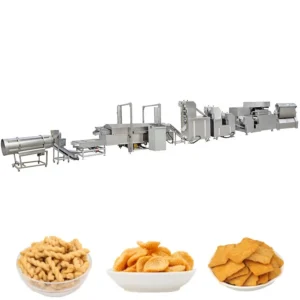
Línea de producción de máquina de alimentos para fritura de bocadillos de chips fritos de pellets de Bugles de maíz 3D crujientes, extrusora para hacer Bugles
¥100.00 Select options This product has multiple variants. The options may be chosen on the product page -
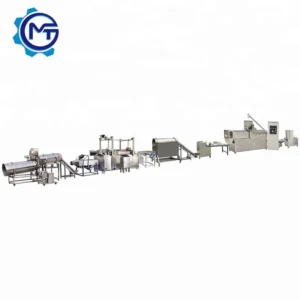
Máquina para Fabricar Aperitivos de Masa Frita Línea Completa Solución de Diseño por Precio de Fábrica Máquina de Aperitivos Crujientes
¥20.00 Select options This product has multiple variants. The options may be chosen on the product page