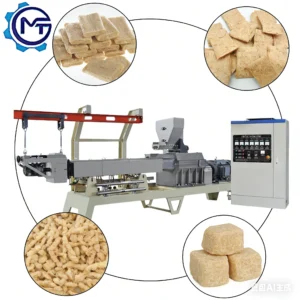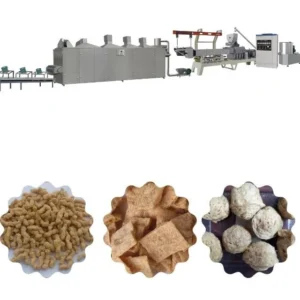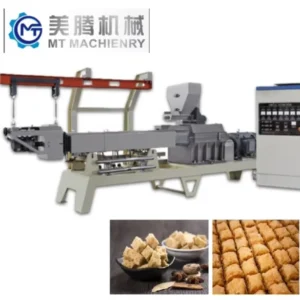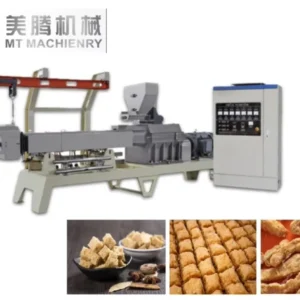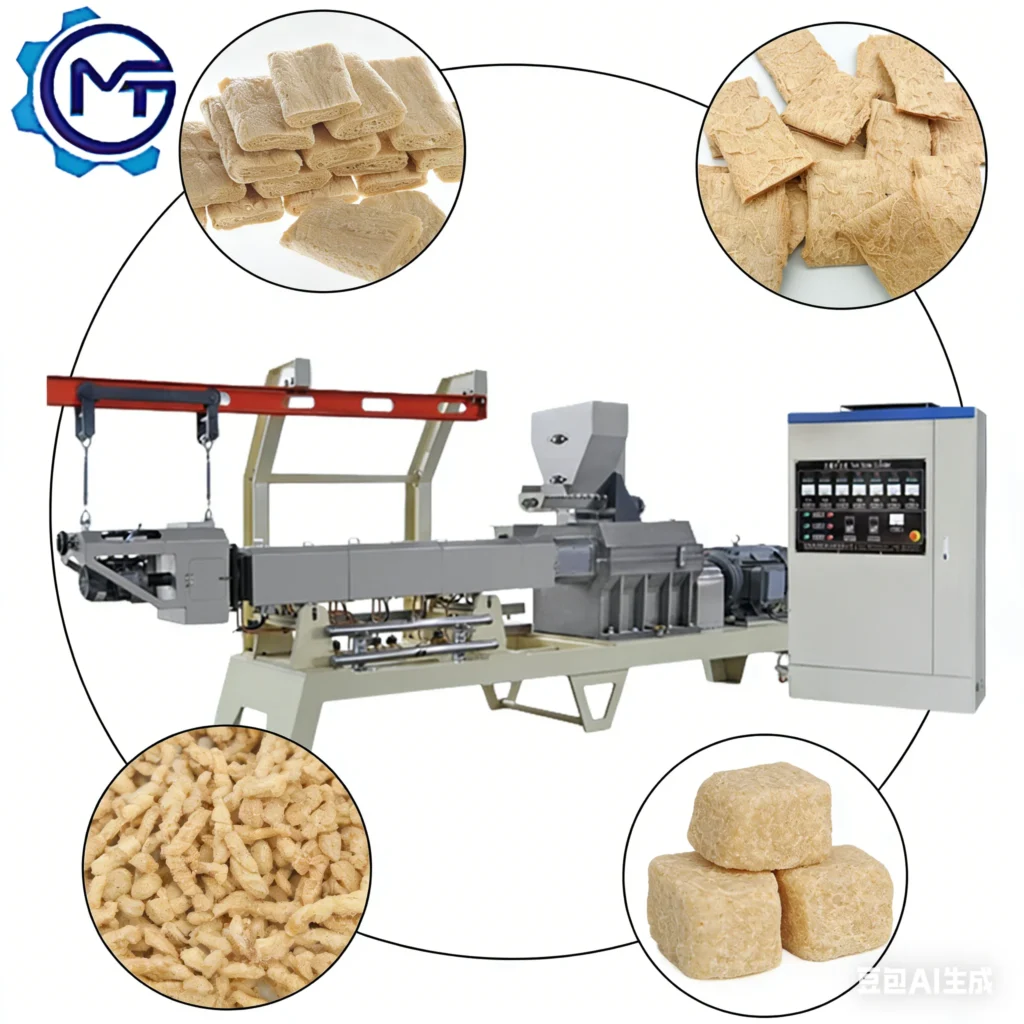
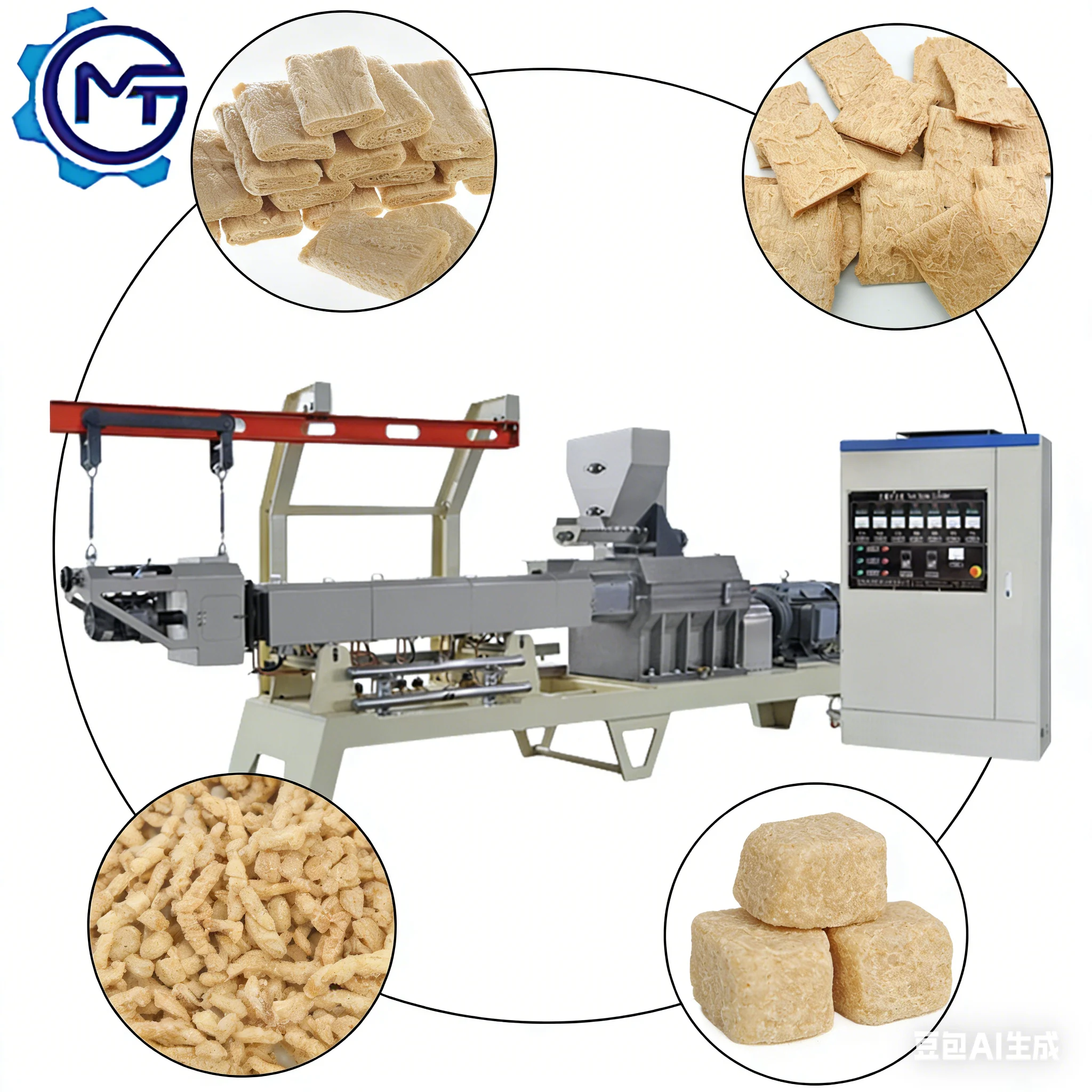

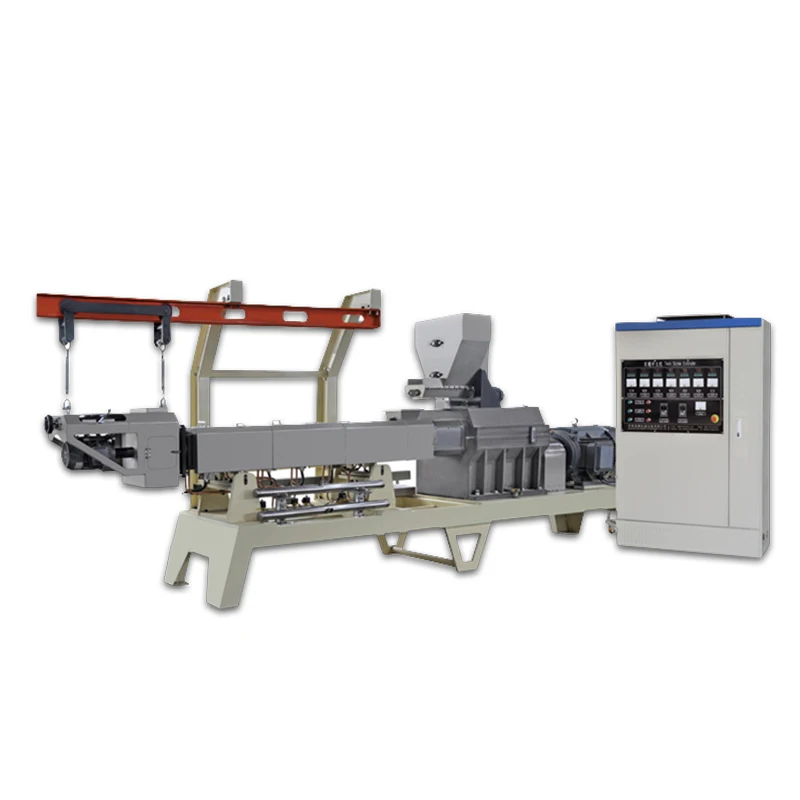

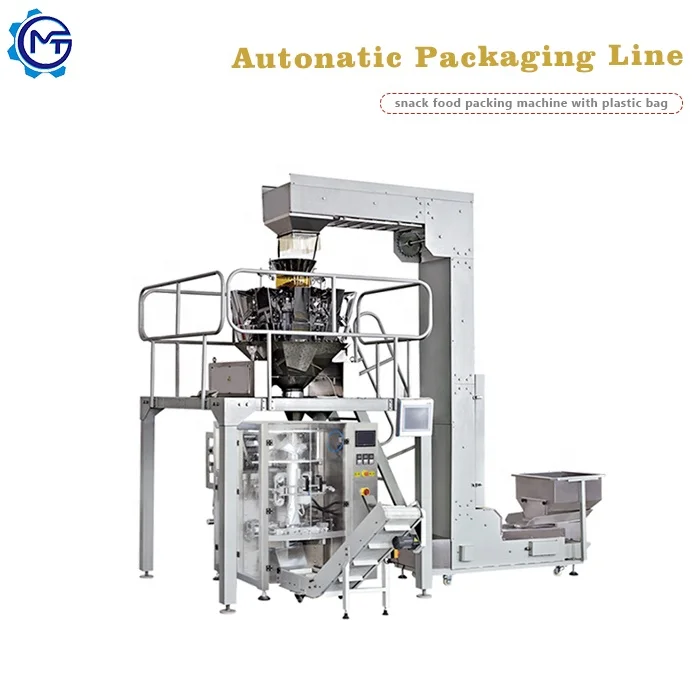
MT65 Twin Screw Extrusion Line for High Moisture Vegetarian Meat, 84 kW Installed Power, 40 m Layout — engineered for textured vegetable protein and soy-based meat analogues with layered fiber structure.
- Screw combination and die geometry specified to your defatted soya flour or low-temperature soya flakes formulation, controlling shear and moisture for consistent protein texturization
- Multi-layer dryer with selectable fuel, gas, or electric heating, matched to extruder output to prevent line bottleneck
Delivered as a complete turnkey project from batching through cooling, with throughput calculated across every station and an in-house trial run on your raw material before shipment.
Description
Matched throughput from batching to cooling — every station in this high moisture vegetarian meat extrusion production line is capacity-balanced as a single integrated project, so the dryer and cooling conveyor never fall behind the extruder output.
Technical Specifications
| Parameter | Value |
|---|---|
| Product Type | High Moisture Vegetarian Meat Extrusion Production Line |
| Model | MT65 |
| Screw Type | Twin Screw |
| Installed Power | 84 kW |
| Power Consumption | 59 kW |
| Main Motor Power | 22 kW (extruder) |
| Output Capacity | 100–150 kg/h (basis not stated in source — confirm raw material formulation and moisture content) |
| Overall Dimensions | 40000 × 1200 × 2200 mm |
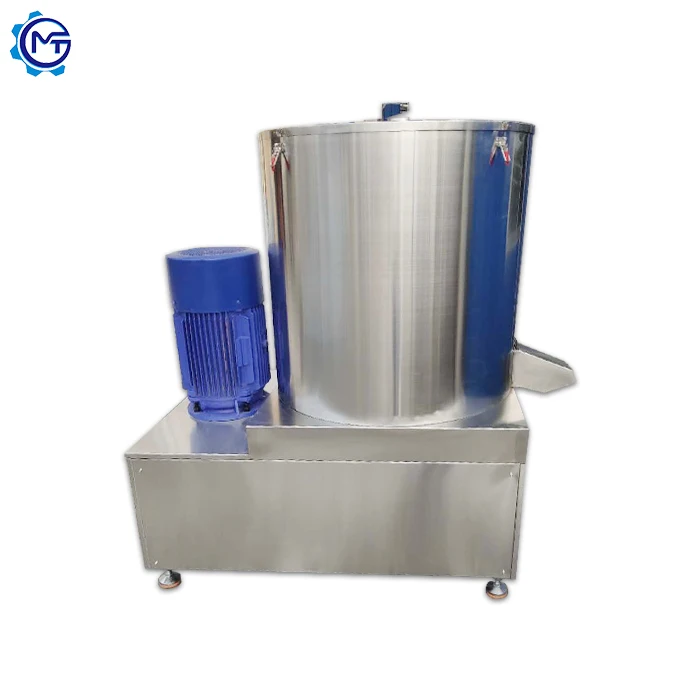
| Mixer Power Options | 4 kW / 7.5 kW / 15 kW |
| Mixer Capacity Options | 20–30 kg / 70–80 kg / 170–180 kg |
| Mixer Contact Material | Stainless Steel 304 |
| Feeding Motor | 0.75 kW |
| Rotary Cutting Motor | 0.75 kW |
| Pump Motor | 0.37 kW |
| Heating Power | 10 kW |
| Dryer Heating Options | Fuel / Gas / Electricity (buyer selectable) |
| Dryer Drive | Double pitch roller chain, round-trip drying |
| Line Stations | Mixer → Screw Conveyor → Twin Screw Extruder → Air Conveyor → Multi-layer Dryer → Cooling Machine |
| Standards | CE, ISO |
Application Suitability
| Application | Material or Output |
|---|---|
| High moisture meat analogue production | Defatted soya flour and low-temperature soya flakes forming layered fiber structures |
| Textured vegetable protein (TVP/TSP) | Soya chunks and nuggets from soy protein isolate and concentrates |
| Plant-based ingredient supply for meat processors | Soybean dregs and peanut dregs reprocessed into fibrous protein bases |
| Fast food and deep-frozen food manufacturing | Vegetarian meat patties, strips, and slices with consistent bite texture |
| Maigre snack production | Seasoned soya-based snack pieces with controlled density and chew |
When Line Stations Are Not Talking to Each Other
Capacity balancing across every workstation is the first engineering task, not an afterthought.
I have watched a Southeast Asian plant run a high moisture extruder flat out while the downstream cooling belt simply could not accept the volume — semi-finished product piled up on the floor and the entire high moisture vegetarian meat extrusion production line stalled at that one bottleneck. The extruder was rated correctly on paper, but nobody had matched its discharge rate to the cooling conveyor speed or the dryer residence time. [NEED_CITE: throughput synchronization in multi-station food processing lines] When stations are sourced from different vendors and bolted together, these mismatches surface only after installation, when rework costs real production days.
Screw Configuration That Follows Your Protein Formulation
The twin-screw extruder in this line does not ship with a generic screw build. The screw combination and die geometry are selected after reviewing the buyer’s specific raw material — whether that is defatted soya flour, low-temperature soya flakes, or a blend incorporating soybean dregs. Protein content, particle size, and target moisture level all shift the shear profile inside the barrel, and the screw arrangement must respond to those variables to develop the layered fiber structure that defines a convincing meat analogue. This configuration work happens before the machine is assembled, not after it arrives on your floor.
Dryer and Cooling Sized to the Extruder’s Real Discharge Rate
The multi-layer dryer uses a double pitch roller chain drive with round-trip drying passes, and its heating source is selectable between fuel, gas, and electricity to match your plant’s available utilities. What matters more than the heating method itself is that the dryer belt length and air flow volume are calculated against the extruder’s actual discharge rate at your specific moisture content. The cooling machine downstream is then matched to the dryer output temperature and throughput, closing the loop so product reaches packing at a stable condition without manual intervention or floor staging. [NEED_CITE: thermal management in high moisture protein extrusion]
Reading the Numbers That Actually Matter on a Turnkey Line
The 84 kW installed power and 59 kW operating consumption reflect the full station chain — mixer, screw conveyor, extruder, air conveyor, dryer, and cooling machine running together. The 22 kW main motor on the extruder provides the torque needed for high moisture protein doughs, which are considerably more viscous than starch-based snack formulations. Overall line length reaches 40 meters, which means your facility must accommodate a continuous run with adequate clearance for maintenance access on both sides. The stainless steel 304 contact surfaces on the mixing station meet food-grade requirements, and the mixer is available in three capacity tiers — 20–30 kg, 70–80 kg, or 170–180 kg — so batch size can be aligned with the extruder’s hourly throughput rather than guessed at the ordering stage.
What Happens When the Dryer Is Undersized
An extruder running at full screw speed discharges product faster than an undersized dryer can remove moisture, and the result is wet, structurally weak protein strands that collapse during cooling instead of holding their fiber alignment. The line then produces scrap instead of sellable product, and operators instinctively slow the extruder to compensate — which means the nameplate capacity becomes irrelevant. [NEED_CITE: moisture removal rates in multi-layer belt dryers for protein products] These throughput mismatches are the single most common reason a new plant fails to reach its planned output in the first quarter of operation.
Why Sourcing the Full Line From One Supplier Changes the Commissioning Phase
Every station in this high moisture vegetarian meat extrusion production turnkey project is specified under one layout document, so the throughput calculation is traceable from the mixer batch size through to the cooling conveyor speed. The screw and die configuration record is written against your actual raw material formulation, not copied from a standard build sheet. An in-house testing workshop runs your material before shipment, producing a trial run report that confirms fiber structure and moisture profile — so the first day on your floor is about fine-tuning, not troubleshooting. Electrical schematics and voltage confirmation are completed before production begins, matching your local supply standards. [NEED_CITE: pre-shipment factory acceptance testing for food extrusion equipment] CE and ISO documentation ships with the line, supporting regulatory filing in your market.
Documentation & Verification
- Line layout and capacity calculation showing throughput balance across mixer, extruder, dryer, and cooling stations
- Screw and die configuration record matched to your defatted soya flour or soya flake formulation
- Trial run report on your raw material conducted in the testing workshop before dispatch
- Electrical schematic with voltage and frequency confirmation for your local grid standard
- Operation and maintenance manual covering all stations from batching through cooling
- Wear parts list specifying replacement screws, dies, and dryer chain components
Installation, Commissioning & Support
- 40-meter line footprint requires level concrete flooring with anchor points at each station base
- 84 kW installed load demands a dedicated three-phase circuit with isolation at the main panel
- Stations ship as individual assemblies for sequential installation along the production axis
- First-run parameter setting covers barrel temperature zones, screw speed, and dryer residence time
- Operator training addresses screw combination changes when switching between soya flour and soya flake recipes
- Wear parts inventory includes spare screw elements and die plates sized to your configuration
What We Need to Configure Your Line
To prepare an accurate layout and throughput calculation, share your primary raw material type and its protein content, your target hourly output, and the moisture level you need in the finished product. Provide your facility’s available voltage and frequency, the heating source you prefer for the dryer, and the ceiling height in the installation area so the multi-layer dryer can be planned correctly. If you have existing upstream milling or downstream packing equipment, send the interface specifications so the line endpoints are matched from day one.
Frequently Asked Questions
Q: On what basis is the 100–150 kg/h output capacity confirmed?
A: That range depends on the specific raw material formulation, protein content, and target moisture level of your product. We confirm the actual throughput during a trial run using your material in our testing workshop before shipment, and the resulting report becomes part of your documentation package.
Q: How are the screw and die selected for my particular soya formulation?
A: We review your raw material data sheet — including protein percentage, particle size distribution, and whether you use defatted soya flour, low-temperature flakes, or dregs blends. The screw combination and die geometry are then specified to develop the fiber layering your end product requires.
Q: Which dryer heating source should I choose for my facility?
A: The multi-layer dryer accepts fuel, gas, or electric heating depending on what your plant already has available. Gas is common where natural gas lines are in place, while electric heating suits facilities with sufficient transformer capacity. We confirm the selection during the voltage and utility planning stage.
Q: How do I plan utilities for a 40-meter line installation?
A: The 84 kW total installed power requires a dedicated supply circuit, and the 40-meter length needs unobstructed floor space with maintenance clearance on both sides. We provide a full utility planning document covering electrical, water, and ventilation requirements before installation begins.
Q: Can you run my actual raw material before the line ships?
A: Yes. Our in-house testing workshop conducts trial runs on the buyer’s own raw material, producing a documented report covering fiber structure, moisture content, and throughput. This ensures product development starts before delivery rather than after commissioning.
Related products
-
New High Efficiency Protein Production Line Plant Protein Equipment for Artificial Vegetarian Meat Processing Food Grade
¥65.00 Select options This product has multiple variants. The options may be chosen on the product page -

Vegetarian Meat Floss Production Line with Twin Screw
¥9,500.00 Select options This product has multiple variants. The options may be chosen on the product page -
Meat Taste Textured Soybean Protein Processing Machine Vegetable Protein Soy Meat Making Machine
¥8,650.00 Select options This product has multiple variants. The options may be chosen on the product page -
Soybean Protein Making Machine Automatic Soy Chunk Production Line
¥30.00 Select options This product has multiple variants. The options may be chosen on the product page