

7867
Description
Matched Line Throughput — Every station from batching to packaging is balanced under one supplier, so the extruder output never waits on a bottlenecked dryer or under-sized seasoning drum.
Technical Specifications
| Parameter | Value |
|---|---|
| Product Type | Twin Screw Extruder Floating Sinking Aquatic Fish Feed Production Line |
| Screw Configuration | Twin-screw |
| Control System | PLC automatic control |
| Material of Contact Parts | Food-grade 304 stainless steel |
| Processing Method | High temperature and high pressure extrusion |
| Pellet Adjustability | Size, hardness, buoyancy |
| Production Mode | Full continuous automatic operation |
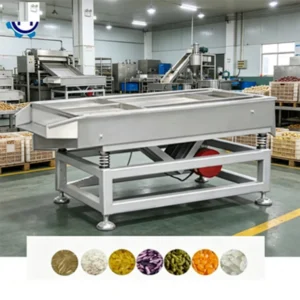
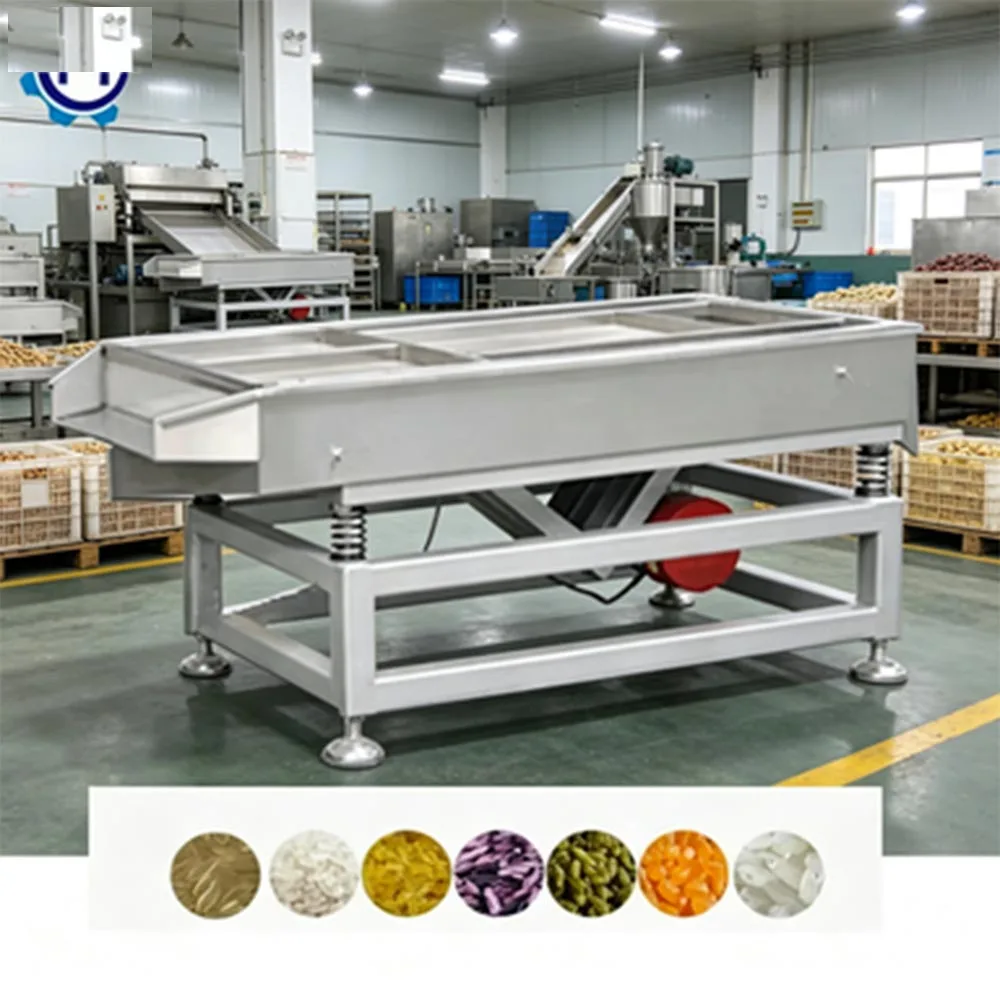
| Line Stations | Mixer, extruder, dryer, seasoning coater, vibrating sieve, conveyors |
| Energy Feature | Optimized energy-saving transmission and heating |
| Assembly State | Complete matched turnkey configuration |
| Certification | CE, ISO |
Application Suitability
| Application | Material or Output |
|---|---|
| Floating feed for surface-feeding species | Fish meal, soybean meal, corn powder with compound additives |
| Sinking feed for bottom-dwelling species | High-protein formulations with controlled density adjustment |
| Ornamental fish feed for koi and goldfish | Pigmented raw material blends with precise pellet sizing |
| Commercial aquaculture mass production | Compound formulations requiring uninterrupted continuous runs |
Why "Rated Capacity" Means Nothing Without Your Raw Material Formula
A quoted throughput is only valid for the exact starch-protein-moisture ratio it was calculated on.
I once spent two weeks reconfiguring a screw stack in West Africa because the local cassava starch tested lower gelatinisation than the maize profile the line was originally quoted against. The pellets came out dense, and what was supposed to be floating feed dropped straight to the tank bottom. When sourcing an aquatic fish feed production line turnkey, the first question is never what the machine can do in theory, but what it will hold on your specific ingredients at your target moisture [NEED_CITE: raw material starch gelatinisation behaviour in twin-screw extrusion]. A line designed on a generic formulation will stall the moment real production starts.
How Screw Configuration Controls Pellet Buoyancy
The ratio of conveying elements to kneading blocks inside the barrel determines how much shear the raw material receives and how fully the starch gelatinises. For floating pellets, the screw stack must generate enough expansion at the die face so that air cells form inside the pellet and trap buoyancy. Sinking feed requires a tighter configuration with higher compression to drive moisture deeper into the protein matrix before the pellet exits. An aquatic fish feed production line turnkey must specify the screw profile against the buyer’s actual recipe, not copy a default build.
Die Geometry and the Expansion Window
The open area of each die hole, combined with the land length, sets the pressure drop at the moment the extrudate exits the barrel. Too small a land and the pellet tears on exit; too long and expansion is choked back into a dense cylinder. For multi-species operations producing both floating and sinking formats, the die plate must be swapped or redesigned between runs. Trial runs in a testing workshop catch these mismatches before the line ever ships [NEED_CITE: die land length effect on extrudate expansion ratio].
Reading the Specifications That Actually Matter
The twin-screw arrangement provides a self-wiping action that prevents sticky, high-protein aquatic formulations from building up inside the barrel, a problem single-screw machines struggle with when fish meal ratios climb. The food-grade 304 stainless steel contact surfaces resist the corrosive salts and amino acids present in wet aquaculture recipes, extending wear life across continuous campaigns. PLC control logs barrel temperature profiles per zone, which is what makes batch-to-batch consistency achievable rather than relying on operator guesswork. The energy-saving transmission and heating design reduces baseline utility draw during long uninterrupted runs.
What Happens When Stations Are Not Throughput-Matched
I have walked into plants where the extruder was pushing full output but the dryer was still cycling through the previous batch, forcing the operator to shut the extruder down and lose temperature stability. An undersized seasoning drum means coated pellets pile up wet and clump before they can cool. On an aquatic feed line, these mismatches do not just reduce output; they shift pellet density mid-run, sending floating product to the bottom and sinking product to the surface [NEED_CITE: throughput mismatch effects on extrusion pellet density].
Why Procurement Starts with the Layout, Not the Price Tag
Every line is configured from the buyer’s raw material sample and target pellet spec, so the screw stack, die plate, dryer residence time, and coating drum volume are all calculated together rather than sourced as standalone units. The in-house testing workshop runs your actual ingredients before shipment, producing a trial report that confirms buoyancy, pellet size, and surface finish. Electrical schematics arrive with voltage, frequency, and PLC language confirmed for your facility, eliminating commissioning delays. Wear parts lists ship with the line so screw elements and die plates are on hand before the first changeover [NEED_CITE: pre-shipment trial run documentation standards].
Documentation & Verification
- Line layout confirming throughput balance across mixer, extruder, dryer, and coater
- Screw and die configuration record matched to your raw material formula
- Trial run report on your ingredients from the in-house testing workshop
- Electrical schematic with confirmed voltage, frequency, and PLC language
- CE declaration and ISO certificate for international customs clearance
- Operation manual and wear parts list with reorder codes
Installation, Commissioning & Support
- Foundation plan sized to the full line footprint including dryer exhaust routing
- Dedicated power circuit matching confirmed PLC voltage and frequency spec
- Barrel and screw elements installed on-site and aligned to the trial record
- First production run replicates workshop trial parameters zone by zone
- Operator training covers screw stack swaps between floating and sinking runs
- Wear parts inventory reviewed against expected screw and die changeover intervals
What We Need from You to Build the Line Layout
Provide the full raw material formulation including starch source, protein ratio, and target moisture content at the mixer discharge. Confirm the pellet diameter range and whether the market requires floating, sinking, or both formats. Share the available workshop footprint, ceiling height, and local voltage and frequency so the electrical design matches your grid before production begins.
Frequently Asked Questions
Q: How is line capacity verified against my raw material formulation?
A: Throughput is calculated from your specific starch, protein, and moisture ratio, not from a generic reference formula. A trial run in the testing workshop confirms the quoted output on your actual ingredients, and the trial report accompanies the shipment as the baseline for commissioning.
Q: How do you achieve the correct buoyancy for floating versus sinking pellets?
A: Screw configuration and die geometry are selected based on your target species and raw material profile. Floating pellets require a specific expansion window at the die face, while sinking pellets need higher compression and denser starch-protein binding. Both formats are validated during the pre-shipment trial.
Q: What electrical details are confirmed before production starts?
A: Voltage, frequency, and PLC control language are locked in during the specification review stage. The electrical schematic reflects your facility’s grid conditions so that no rewiring or reprogramming is needed when the line arrives on site.
Q: Is a trial run on my raw material conducted before shipment?
A: Yes. Your ingredients are processed through the exact screw and die configuration specified for your line, and the trial report records pellet density, buoyancy, size, and surface finish. This report becomes the commissioning reference when the line is installed at your plant.
Q: How is throughput matched between extruder, dryer, and coating stations?
A: Each station is sized during the layout phase so that the dryer handles full extruder discharge without queuing, and the seasoning drum coats at the same rate. No station waits on another, which prevents pellet density drift during continuous production.
Related products
-

200-250kg/h Capacity PLC Controlled Multi-Species Dog Food Processing Line with MT-70 Extruder
¥35,000.00 Select options This product has multiple variants. The options may be chosen on the product page -
MT Brand 450-550kg/h PLC Controlled Multi-Species Pet Food Processing Line
¥40,000.00 Select options This product has multiple variants. The options may be chosen on the product page -
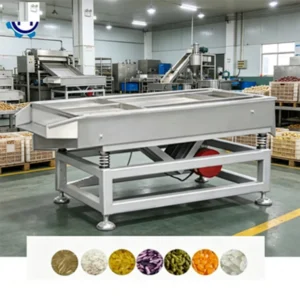
Energy Saving Automatic Twin Screw Extruder Floating Sinking Aquatic Fish Feed Industrial Production Processing Line
¥65.00 Select options This product has multiple variants. The options may be chosen on the product page -
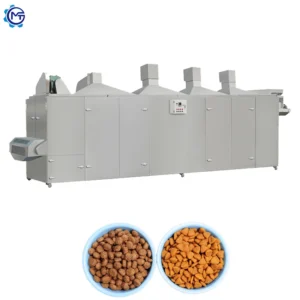
Premium Pet Food Processing Equipment Dog Cat Feed Making Machine
¥9,500.00 Select options This product has multiple variants. The options may be chosen on the product page