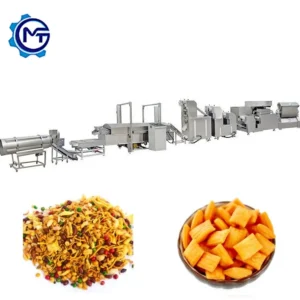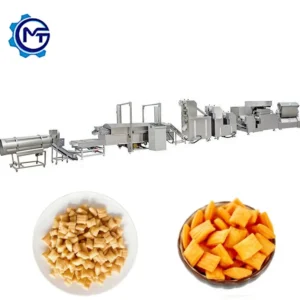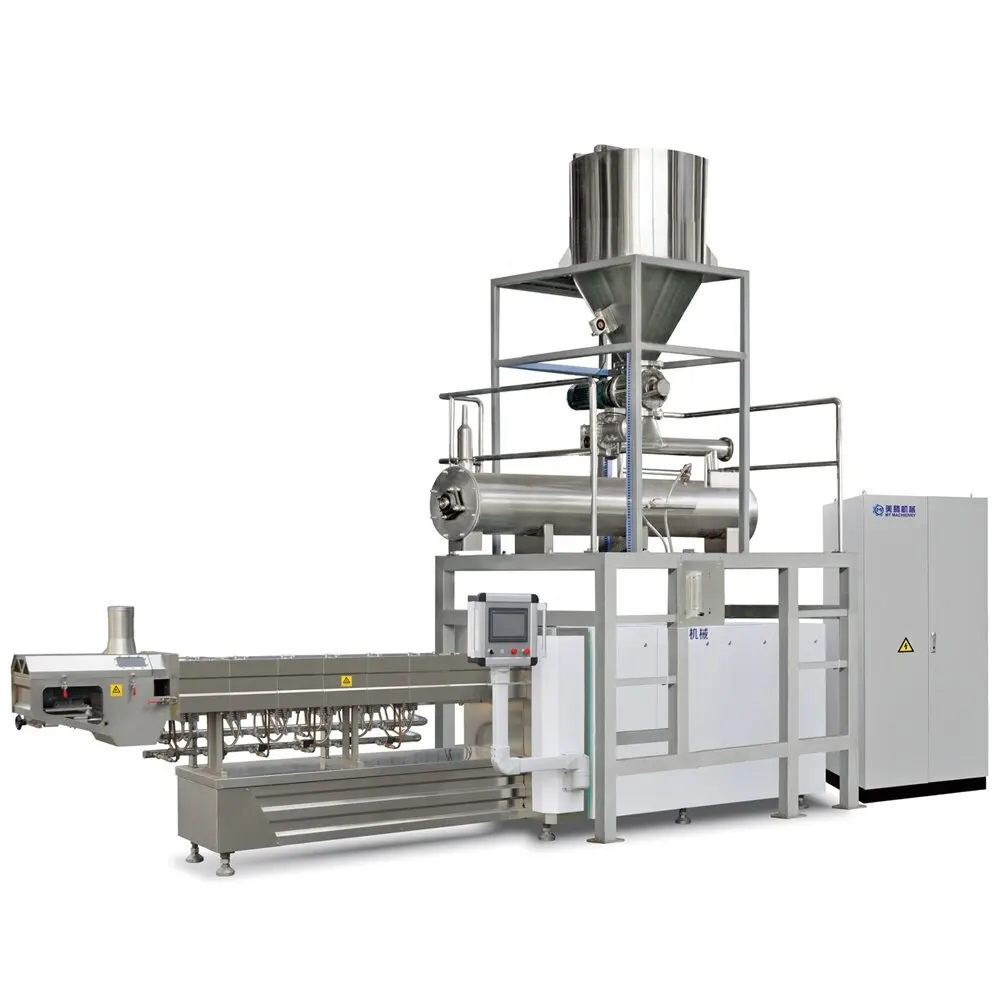

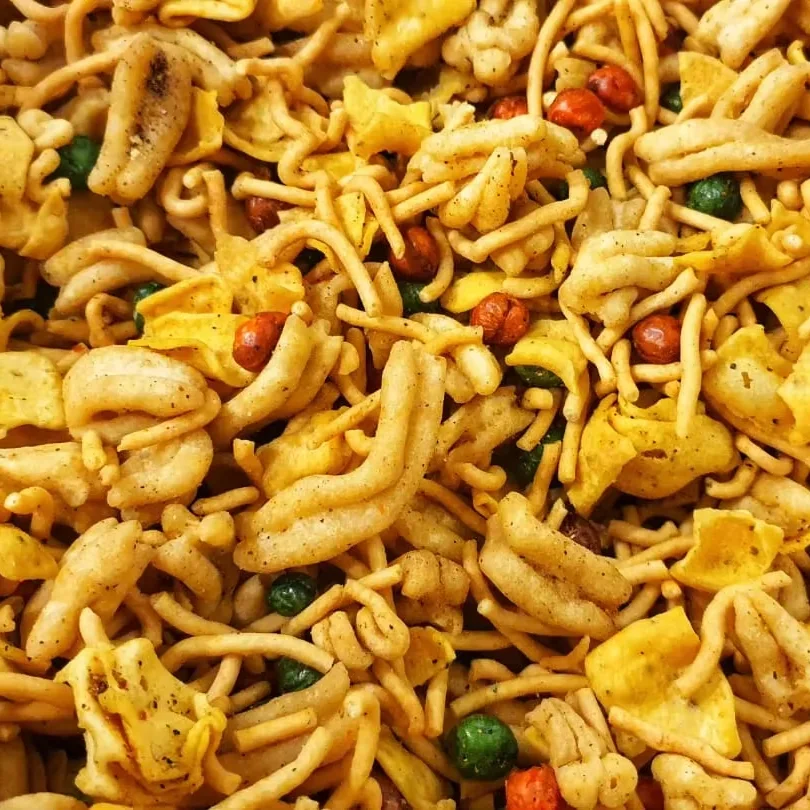


Fried Extruded Snack Production Line, 150–200 kg/h, Food-Grade Stainless Steel, Twin-Screw — engineered as one integrated project from batching through extrusion, frying, seasoning, and packing with throughput matched at every station.
- Screw and die configuration specified to your raw material and target format like Nimko, Kurkure, or fried pasta shapes, with moisture and expansion control tuned to product density
- Line capacity verified through in-house trial runs on your actual raw material before shipment
Description
Integrated Line Throughput — Every station from extrusion to packing is capacity-matched on your actual raw material, preventing the fryer-idle bottleneck I once watched a European buyer endure for weeks before we recalculated the full line balance.
Technical Specifications
| Parameter | Value |
|---|---|
| Product Type | Fried Extruded Snack Production Line |
| Output Capacity | 150–200 kg/h (basis not stated in source — confirm raw material type, moisture content, and product format) |
| Extrusion Structure | Twin-screw configuration |
| Control System | Automatic integrated feeding, extruding, molding, and conveying (PLC/MCC not specified — confirm with manufacturer) |
| Product Formats | Nimko, Kurkure, fried pasta snacks, extruded crispy foods |
| Construction Material | Food-grade stainless steel |
| Energy Configuration | Optimized heating and power (rated power and voltage/frequency to be confirmed) |
| Certification | CE/ISO status to be confirmed with manufacturer |
Application Suitability
| Application | Material or Output |
|---|---|
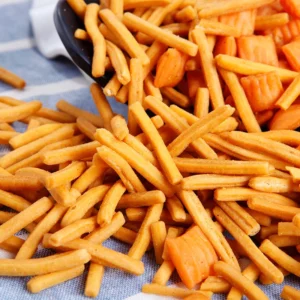
| Nimko production | Corn grits, gram flour, and spice-blended dough extruded into short, rigid shapes before frying |
| Kurkure manufacturing | Corn meal and rice flour mixtures extruded through a die plate to form the characteristic curved, irregular texture |
| Fried pasta snacks | Wheat semolina or blended starch doughs shaped into tubes, shells, or spirals prior to deep frying |
| Extruded crispy foods | Multi-grain or single-grain formulations targeting the savory snack aisle in export and domestic markets |
What "150 kg per Hour" Actually Means on Your Floor
Capacity only holds when every downstream station — fryer, de-oiling belt, seasoning drum, cooling conveyor, and packer — is sized to the same real-world throughput.
I remember standing in a European snack factory where a buyer had ordered a standalone fryer rated at a nominal output. The extruder upstream pushed product faster than the fryer could handle, and the seasoning drum downstream couldn’t keep pace either. Raw dough piled up on transfer belts while the fryer operator scrambled to manage oil temperature swings from cold product surges. The whole fried extruded snack production line turnkey concept exists precisely to prevent this kind of mismatch [NEED_CITE: throughput balancing principles in continuous snack processing lines]. When one vendor supplies the entire line, the responsibility for balancing throughput sits with that vendor — not split across three equipment invoices and three sets of blame.
How the Stations Connect in Practice
A fried extruded snack production line turnkey project starts at the batching station, where flour, meal, and minor ingredients are weighed and blended before entering the extruder hopper. The twin-screw extrusion structure then cooks and shapes the dough under controlled heat and shear. From the die face, the formed product moves directly onto a transfer conveyor that feeds the fryer at a regulated rate. After frying, the product passes through a de-oiling stage, enters a rotating seasoning drum where flavor powder is applied, cools on a belt conveyor, and finally reaches the packing station. Each handoff point is where mismatched capacity causes the most visible problems.
Matching Fryer Residence Time to Extruder Output
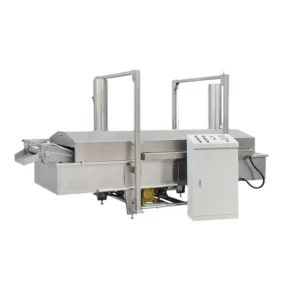
The fryer is the most common bottleneck in a fried extruded snack line. If the extruder pushes product at a rate that exceeds the fryer’s belt speed and oil recovery capacity, the oil temperature drops with every cold product load [NEED_CITE: oil temperature recovery requirements in continuous industrial fryers]. This produces uneven color, inconsistent moisture in the finished snack, and accelerated oil degradation. In a turnkey layout, the fryer belt length, oil volume, and heating capacity are specified against the extruder’s confirmed output on your specific raw material — not against a generic catalog number.
Reading the Specs That Matter for Your Product
The twin-screw extrusion structure gives this line the flexibility to handle a wider range of raw materials than a single-screw alternative — from pure corn grits for Kurkure to wheat semolina blends for fried pasta shapes. The screw configuration and die design determine whether you get the tight, dense bite of Nimko or the open, airy curl of a Kurkure. The food-grade stainless steel construction across contact surfaces is essential for snack lines where oil residue and seasoning powder accumulate during long production runs and require frequent washdowns. The automatic integrated feeding and conveying system reduces manual transfer points, which is where product breakage and contamination most often occur. Voltage and frequency must be confirmed before production begins — a 50 Hz motor running on a 60 Hz supply will alter extruder screw speed and fryer conveyor rate, throwing the entire line balance off.
The Cost of Getting One Station Wrong
I have seen lines where the extruder and fryer were perfectly matched, but the seasoning drum was undersized. The result was a pile of unseasoned product waiting in bins between the cooling conveyor and the drum, absorbing ambient moisture and losing the crispness the frying stage was meant to deliver [NEED_CITE: moisture pickup in fried snacks during intermediate storage]. The buyer then had to purchase a second drum or accept reduced packing speed. When stations are sourced from separate vendors, each supplier guarantees only their own equipment’s throughput — the gaps between them belong to nobody.
Why This Line Is Engineered as One Project
Every station is specified against the same capacity target based on your raw material, so the extruder, fryer, seasoning drum, and packer run at matched rates. Screw configuration and die design are selected for your target product format — Nimko, Kurkure, or fried pasta — not copied from a generic build sheet. An in-house testing workshop allows trial runs on your actual raw material before the line ships, so product development starts in the factory, not on your floor during commissioning. Pre-sales layout design includes utility planning for power, water, drainage, and ventilation so that installation proceeds without unexpected infrastructure work. Documentation covers the full line — from line layout and capacity calculation through electrical schematics to operation manuals — giving your maintenance team a single reference source.
Documentation & Verification
- Line layout and capacity calculation showing throughput at each station matched to your raw material
- Screw and die configuration record specifying the exact geometry for your Nimko, Kurkure, or fried pasta format
- Electrical schematic with voltage, frequency, and control language confirmed for your target market
- Trial run report from the in-house testing workshop using your raw material before shipment
- Operation and maintenance manual covering every station from batching through packing
- Wear parts list identifying screws, dies, fryer belts, and seasoning drum liners with replacement intervals
Installation, Commissioning & Support
- Utility plan specifies dedicated electrical circuits matching the line’s confirmed voltage and total power draw
- Floor layout includes station spacing, drainage slopes for fryer oil containment, and ventilation ducting for the frying zone
- Phased commissioning begins with the extruder and progresses downstream so each station is validated before the next starts
- Operator training covers screw speed adjustment, fryer temperature management, and seasoning drum powder feed rate
- Spare wear parts package includes matched screw elements, die plates, and fryer belt sections for the first replacement cycle
What We Need to Start Your Line Layout
To prepare a line layout and capacity calculation, we need your target product format (Nimko, Kurkure, fried pasta, or another extruded crisp), the raw material recipe you plan to run, and your target daily output. Please also share your workshop dimensions, local voltage and frequency, and preferred control language. If you have existing upstream or downstream equipment you intend to integrate, include those specifications so the new line can be matched to them.
Frequently Asked Questions
Q: How is the line capacity verified, and what raw material assumptions is it based on?
A: Capacity is calculated against your specific raw material recipe, moisture content, and target product format — not a generic catalog figure. We run a trial in our in-house testing workshop using your actual material and document the throughput at every station before the line ships. The trial run report becomes part of your delivery documentation.
Q: How do you ensure throughput is matched across extruder, fryer, seasoning, and packing stations?
A: Each station is sized during the line layout phase based on the confirmed extruder output on your raw material. The fryer belt speed, oil volume, seasoning drum diameter and rotation rate, and packer feed rate are all calculated against the same throughput figure so no single unit creates a bottleneck.
Q: Can a trial run be done on our raw material before the line ships?
A: Yes. Our in-house testing workshop conducts trial runs on the buyer’s actual raw material before shipment. This confirms that the screw configuration, die design, and frying parameters produce the correct product texture, density, and color — so product development is largely complete before the line arrives at your facility.
Q: What electrical voltage, frequency, and control language options are available for our market?
A: Voltage, frequency, and control panel language are confirmed during the specification stage before production begins. We match these to your facility’s supply standard and operator language so that commissioning is not delayed by electrical mismatches or untranslated interface screens.
Q: What is the phased installation and commissioning schedule, and is operator training included?
A: Installation follows a phased sequence starting with the extruder and progressing through frying, seasoning, cooling, and packing. Each station is validated before the next is energized. Operator training covers daily operation, parameter adjustment for different product formats, and routine maintenance — included as part of the commissioning visit
Related products
-
New Doritos Chips Frying Equipment Machine Automatic Tortilla Corn Chips Making Line Portable High Productivity
¥100.00 Select options This product has multiple variants. The options may be chosen on the product page -
Doritos Chips Making Extruder Fried Corn Bugles Crispy Chips Process Machine Frying Salad Sticks Pellet Snacks Production Line
¥100.00 Select options This product has multiple variants. The options may be chosen on the product page -
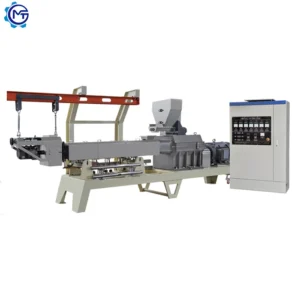
Industrial Wheat Flour Snacks Processing Equipment – Stainless Steel Fried Food Production Line
¥65.00 Select options This product has multiple variants. The options may be chosen on the product page -
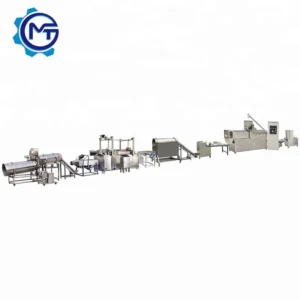
Fried Puffs Snack Food Making Machine Whole Line Solution Design by Factory Price Crispy Snack Machine
¥20.00 Select options This product has multiple variants. The options may be chosen on the product page