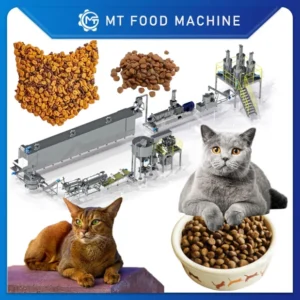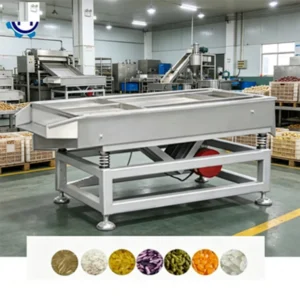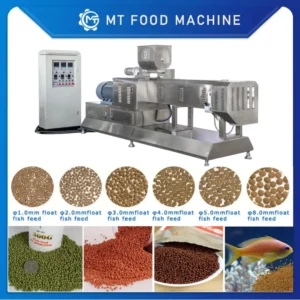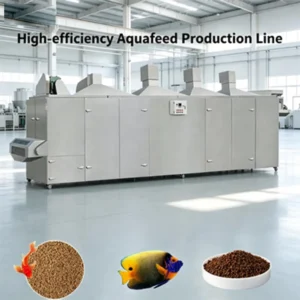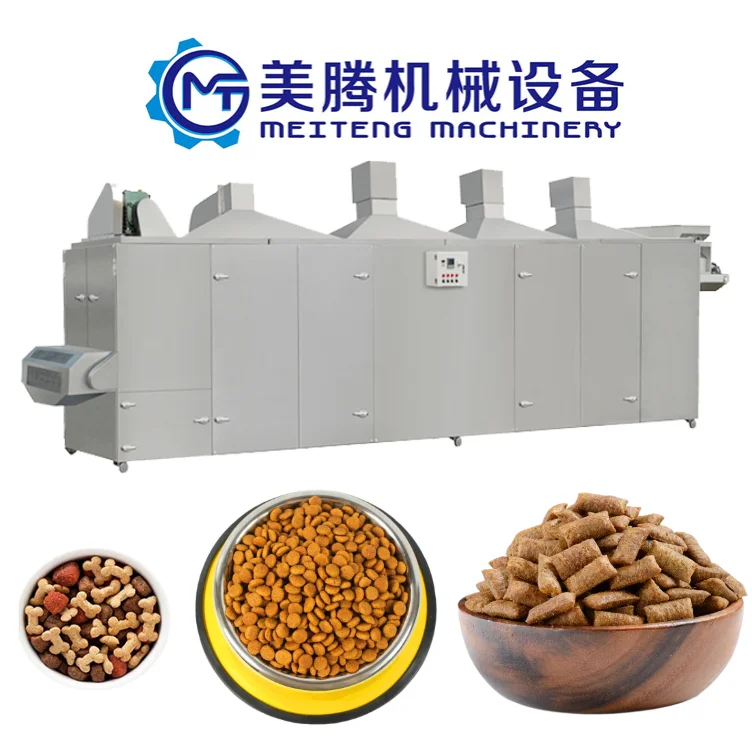


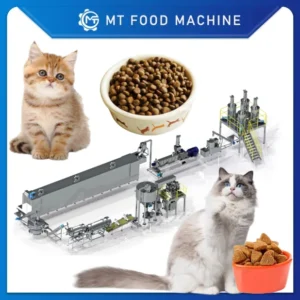
MT85 Multi-Purpose Pet Food Processing Line, Twin-Screw, 45 kW — fully automated from mixing through extrusion to drying and packaging.
- Configured with matched throughput across every station to prevent bottlenecks and hold your target output consistently.
- Screw configuration and die design specified to your raw material and target kibble density.
Supported by in-house trial runs on your actual raw material before shipment, ensuring the line delivers your intended product specification from day one.
Description
Throughput-matched turnkey engineering — Every station on the MT85 pet food production line, from raw material batching through extrusion to final packaging, is calculated against a single target output so no downstream bottleneck limits your actual throughput.
Technical Specifications
| Parameter | Value |
|---|---|
| Model | MT85 |
| Product Type | Multi-Purpose Pet Food Processing Line |
| Extruder Type | Twin-screw |
| Output Capacity | 500 kg/h (basis not stated in source — confirm raw material, moisture, and kibble size) |
| Line Stations | Mixing, Extrusion, Drying, Packaging |
| Rated Power | 45 kW |
| Voltage & Frequency | 380V 50Hz Three Phase |
| Control System | PLC with automated process control |
| Automation Level | Full automation from mixing to packaging |
| Recipe Adaptability | Dry kibble, semi-moist formats, pet treats |
| Standards | CE, FDA |
Application Suitability
| Application | Material or Output |
|---|---|
| Dry kibble production | Corn, rice, wheat, meat meal, and vitamin premix formulations for dogs, cats, and birds |
| Semi-moist pet food | High-meat-content formulations requiring controlled moisture retention |
| Floating and sinking aquatic feed | Fish meal and starch blends for aquaculture species |
| Pet treat extrusion | High-protein and functional ingredient blends for snack-format products |
| Dietary formulation trials | Alternative protein sources and specialty ingredient batches |
Why "500 kg/h" Means Nothing Without the Rest of the Line
A nominal extruder output that exceeds your dryer or packing capacity is the most expensive line design error in pet food manufacturing.
I have watched production floors where the extruder pushed material faster than the downstream dryer could handle it. The product sat on transfer conveyors, cooled below the threshold needed for moisture evaporation, and hardened into a texture that broke apart during packaging. The entire line stalled, operators manually cleared material, and the batch was scrapped. The rated capacity of the extruder alone tells you almost nothing about what the line will actually produce over an eight-hour shift on your specific raw material blend. A pet food production line turnkey system only delivers its stated throughput when every station — mixing, extrusion, drying, flavouring, and packing — is calculated against a single shared target [NEED_CITE: throughput matching methodology in continuous food processing lines].
Full-Line Throughput Synchronization Across Every Station
The MT85 is not configured as a standalone extruder with generic downstream equipment attached. Each station in the pet food production line turnkey system is sized against the extruder’s actual output on the buyer’s raw material, accounting for moisture addition during mixing, expansion ratio at the die, and moisture removal rate in the dryer. The mixing batch cycle time is calculated so that fresh material arrives at the extruder hopper at the same rate it is consumed, preventing both starvation and overflow.
Screw Configuration Matched to Your Kibble Density Target
The twin-screw configuration and die geometry are specified after reviewing the buyer’s raw material composition and target product density. High-meat formulations behave differently inside the barrel than starch-dominant recipes: they require different screw element spacing, compression ratios, and barrel temperature profiles to achieve consistent expansion. A screw setup copied from a generic build will produce kibble that is either too dense for the dry pet food market or too fragile to survive the coating and packing stages [NEED_CITE: twin-screw extrusion parameters for varying protein-to-starch ratios].
How the Core Parameters Shape Your Actual Output
The 45 kW motor provides sufficient mechanical energy input for the shear and pressure required to gelatinise starch across a range of formulations, from high-cereal kibble to protein-dense treats. The twin-screw design allows the operator to adjust the screw element arrangement without replacing the entire screw shaft, making recipe changes practical on a production floor. The PLC control system stores process parameters — barrel zone temperatures, screw speed, feeder rates, and dryer settings — so that each product recipe is reproducible across shifts and operators. The 380V 50Hz three-phase supply matches standard industrial power in most export markets, but frequency confirmation must happen before electrical panels are built, as a 60Hz installation site requires different motor winding specifications.
The Hidden Cost of Mismatched Line Components
When the dryer capacity falls short of extruder output, the excess moisture trapped in the kibble creates a storage environment where mould develops within days of packing. When the coating drum cannot keep pace, unseasoned product piles up in holding bins, absorbing ambient humidity and losing its surface texture. These are not theoretical problems. I have seen them shut down a facility for an entire shift while operators recalculated the line balance manually. The cost of that downtime, plus the scrapped material and the delayed shipment, far exceeds what it would have taken to specify matched components from the start [NEED_CITE: cost of unplanned downtime in continuous food extrusion operations].
What Sets This Configuration Apart
The MT85 line is engineered as a single-supplier system, meaning throughput calculations, mechanical interfaces, and control logic are designed together rather than assembled from separate vendor specifications. The in-house testing workshop runs your actual raw material through the extruder and dryer before the line ships, producing a trial run report that documents the achievable output and product quality on your formulation. Screw and die configurations are recorded and supplied with the machine so that replacements match the original production parameters. Pre-sales engineering covers layout planning that accounts for your factory dimensions and utility connection points. The documentation package includes electrical schematics with confirmed voltage and frequency, not generic drawings.
Documentation & Verification
- Line layout with throughput calculation for each station matched to your target output
- Screw and die configuration record specific to your raw material and kibble specification
- Trial run report from the in-house testing workshop on your supplied raw material
- Electrical schematic with voltage, frequency, and control language confirmed for your site
- Factory test record documenting performance before crating and dispatch
Installation, Commissioning & Support
- Foundation and floor space plan based on the MT85 line footprint and 45 kW utility load
- 380V 50Hz three-phase circuit requirements with dedicated breaker specifications for each station
- Sequential commissioning protocol starting from mixer calibration through extruder die alignment to dryer temperature mapping
- Operator training covering PLC recipe management, screw speed adjustment, and emergency stop procedures
- Wear parts list identifying screws, dies, and barrel liners with reorder codes
- Maintenance schedule for barrel inspection, screw element replacement intervals, and dryer airflow checks
What We Need to Configure Your Line
To move from a general inquiry to a specific line proposal, share your primary raw material formulation including the main ingredients and approximate ratios, your target kibble size and density specification, and your daily production volume. Include your factory floor dimensions and available ceiling height so the layout can be drafted to your space. Confirm the local voltage and frequency at your installation site, as this determines the motor and control panel build before production begins.
Frequently Asked Questions
Q: How is the 500 kg/h capacity verified, and what conditions does it assume?
A: The 500 kg/h figure requires confirmation against your specific raw material blend, moisture content at the extruder inlet, and target kibble size. We verify this by running your actual material in the in-house testing workshop and documenting the achievable sustained output in a trial run report before the line is finalized for production.
Q: How do you ensure throughput is matched between the extruder, dryer, and packing station?
A: Each station is sized during the line design phase based on the extruder’s verified output on your material. The dryer is selected for its moisture removal capacity at the specific throughput, and the packing station speed is matched to the dried product flow rate. The capacity calculation document shows every station’s rated throughput.
Q: Can the line configuration be adapted to different factory floor sizes and future expansion?
A: The line layout is customized to your available floor space and ceiling height during the proposal stage. The PLC control system supports recipe storage for multiple product formats, and the mechanical layout can accommodate additional downstream stations if your product range expands in subsequent phases.
Q: What spare wear parts are supplied with the line, and how are replacements handled?
A: The initial delivery includes a defined set of spare screws, dies, and seals based on your product specification. The wear parts list with reorder codes is included in the documentation package. Replacement lead times depend on the configuration and are confirmed during the quotation stage.
Related products
-
High Capacity Pet Food Extrusion Production Line Suitable for Dog. Cat. Bird. Fish and Cattle Feed
¥9,500.00 Select options This product has multiple variants. The options may be chosen on the product page -
MT100 Brand 1.5-2.0t/h PLC Controlled Multi-Species Cat Food Processing Line
¥45,000.00 Select options This product has multiple variants. The options may be chosen on the product page -
MT70 200-250kg/h Dog Cat Pet Food Processing Line 380V 50HZ Three Phase 45KW
¥35,000.00 Select options This product has multiple variants. The options may be chosen on the product page -
MT135 Brand 2.5-3.0t/h PLC Controlled Multi-Species Cat Food Processing Line
¥55,000.00 Select options This product has multiple variants. The options may be chosen on the product page