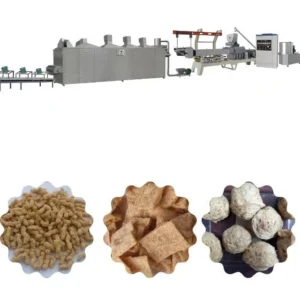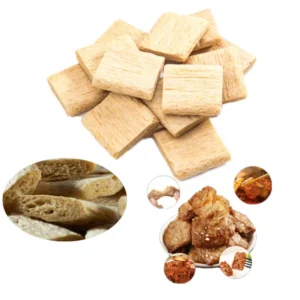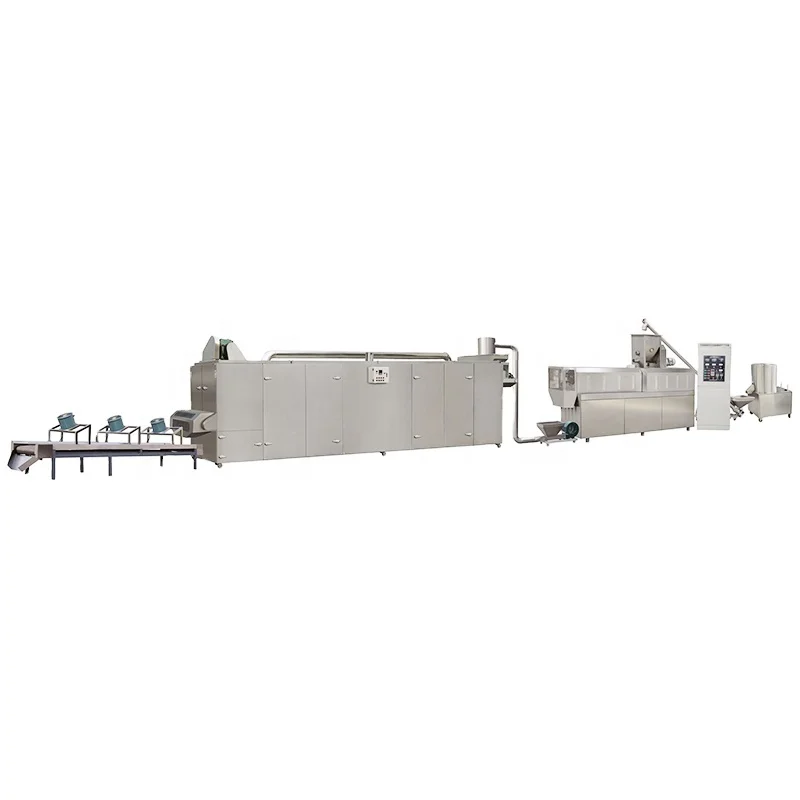

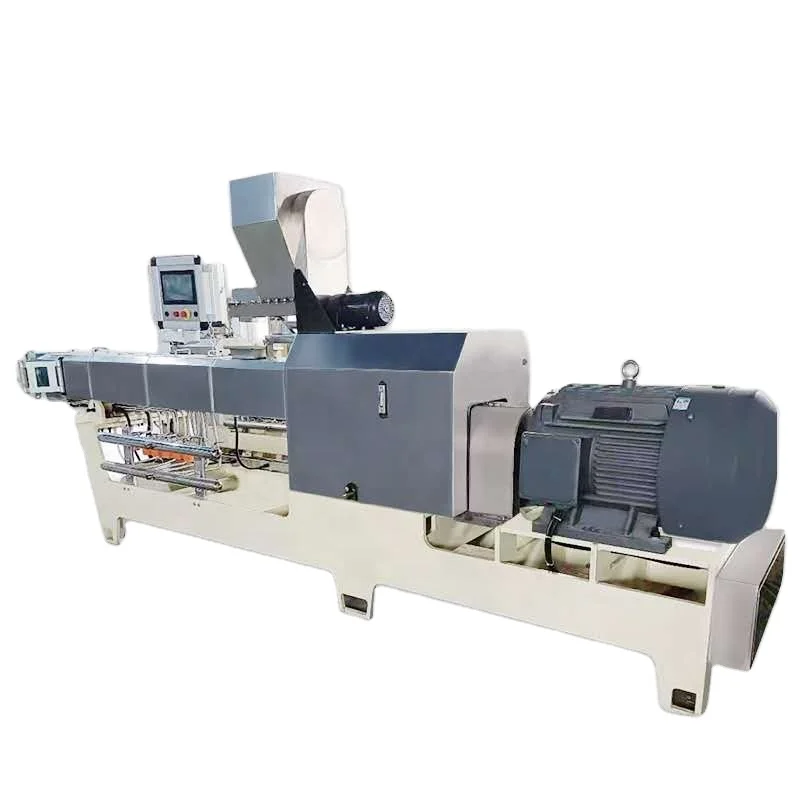
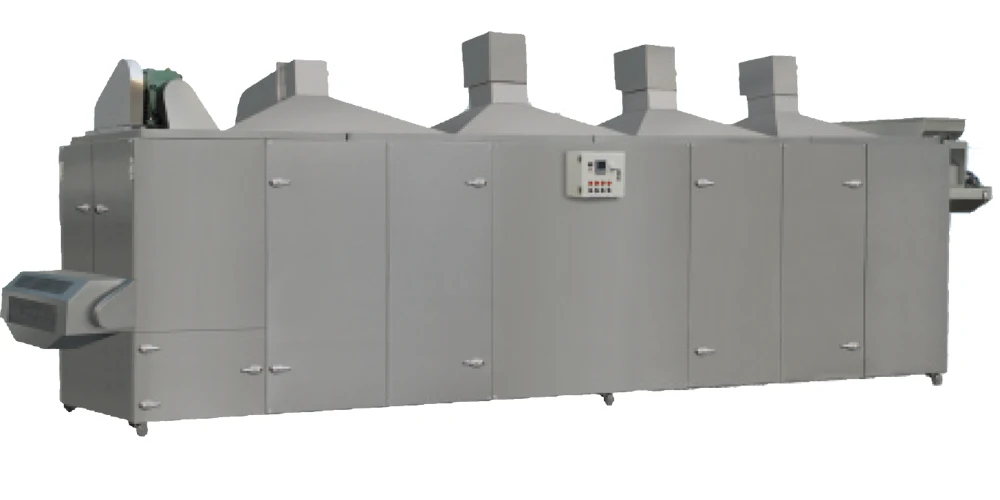


Textured Vegetable Protein Production Line, Twin-Screw Extrusion, Stainless Steel Construction — engineered as one integrated turnkey project from raw material batching through extrusion, drying, cooling, and packing. Every station is throughput-matched under a single supplier to eliminate bottleneck risk when assembling from separate vendors. Screw configuration and die design are specified to your soybean or peanut meal formulation and target fibre structure.
- In-house testing workshop trials your actual raw material before shipment
- Line layout, capacity calculation, and electrical schematic confirmed pre-production
- On-site installation, commissioning, and operator training included
Description
Integrated throughput engineering — Every station from batching through extrusion, drying, cooling, and packing is calculated against the same hourly mass flow, so your TVP line runs at design capacity without upstream pile-ups or downstream starvation.
Technical Specifications
| Parameter | Value |
|---|---|
| Product Type | Textured Vegetable Protein (TVP) Production Line |
| Extruder Models Available | MT65 / MT70 / MT85 |
| Screw Type | Twin-screw |
| Output Capacity (MT65) | 150–200 kg/h (basis not stated in source — confirm raw material formulation and moisture content) |
| Output Capacity (MT70) | 200–300 kg/h (basis not stated in source — confirm raw material formulation and moisture content) |
| Output Capacity (MT85) | 600–800 kg/h (basis not stated in source — confirm raw material formulation and moisture content) |
| Installed Power (MT65) | 85 kW |
| Installed Power (MT70) | 120 kW |
| Installed Power (MT85) | 195 kW |
| Real Power (MT65) | 65 kW |
| Real Power (MT70) | 90 kW |
| Real Power (MT85) | 165 kW |
| Overall Dimensions (MT65 Line) | 18,000 × 1,300 × 2,300 mm |
| Overall Dimensions (MT70 Line) | 20,000 × 1,500 × 2,400 mm |
| Overall Dimensions (MT85 Line) | 24,000 × 3,500 × 4,300 mm |
| Powder Mixer Tank Volume | 150 kg |
| Powder Mixer Mixing Time | 10 min per batch |
| Powder Mixer Rotary Speed | 385 rpm |
| Powder Mixer Power | 4 kW |
| High-Temperature Roaster Effective Belt Length | 3.5 m |
| Roaster Far Infrared Heater Power | 3.9 kW × 24 |
| Roaster Gas Consumption | 6.8 m³/h (rated or peak not specified) |
| Cooling Machine Operating Temperature | 0–260 °C (source value — verify against final product target) |
| Control System | PLC and MCC (configurable to site requirements) |
| Construction Material | Stainless steel food-grade contact surfaces |
| Assembly State | Complete turnkey line |
| Warranty | 1 year complete warranty |
| Standards | CE, ISO |
Application Suitability
| Application | Material or Output |
|---|---|
| Textured vegetable protein from soybean meal | Low-temperature defatted soybean meal with controlled moisture addition |
| Textured vegetable protein from peanut meal | Peanut meal formulations for vegetarian meat analogues |
| Plant-based ham and sausage analogues | Fibrous TVP chunks sized and textured for further processing into deli-style products |
| Quick-frozen food protein ingredients | TVP granules and chunks for frozen dumpling, patty, and ready-meal filling |
| Canned food meat extenders | Heat-stable TVP pieces that retain structure during retort processing |
Why "Rated Capacity" Means Nothing Without the Whole Line
A textured vegetable protein production line only delivers its nameplate output when every station — mixer, extruder, dryer, cooler — is balanced to the same mass flow.
When I was on the buyer side sourcing extrusion equipment for a protein processing plant, we once received an extruder that ran beautifully in isolation. Within a week, wet TVP was piling up on the floor because the dryer could only handle half the extruder’s discharge. The bottleneck was invisible on the spec sheet but painfully obvious on the production floor [NEED_CITE: importance of matched throughput in multi-station food processing lines]. Sourcing a turnkey TVP extrusion plant from a single supplier who calculates capacity across every station eliminates that mismatch before the first bolt is tightened.
Line-Wide Throughput Matching from Batching to Packing
Designing a textured vegetable protein production line as one integrated project means the powder mixer batch cycle, screw feeder rate, extruder throughput, dryer belt speed, and cooling conveyor length are all calculated from the same target hourly output. The 150 kg mixer tank and 10-minute batch cycle are sized to feed the selected extruder without starving it between batches or causing overflow. This station-by-station calculation is where a turnkey approach differs fundamentally from assembling individual machines from separate vendors.
Phased Installation and Utility Planning
A complete TVP extrusion plant requires coordinated electrical, steam, gas, and compressed-air connections across an 18- to 24-meter line footprint depending on the extruder tier chosen. Utility planning starts during the layout phase so that the 3.9 kW × 24 far-infrared heater array in the roaster and the gas supply rated at 6.8 m³/h are provisioned before equipment arrives [NEED_CITE: industrial food line utility coordination standards]. Commissioning then proceeds station by station — mixer verification first, then extruder screw and die tuning, followed by dryer temperature profiling — keeping the schedule predictable for your installation contractor.
Reading the Specs That Actually Matter for TVP Texture
Twin-screw extrusion is central to forming the fibrous, chewy structure that distinguishes textured vegetable protein from simple puffed pellets. The screw configuration and die geometry are selected based on your specific soybean or peanut meal formulation, because protein content and residual oil level directly influence shear behavior and expansion inside the barrel. Barrel temperature profiling across multiple heating zones controls the degree of protein denaturation and starch gelatinisation, which together determine whether the extrudate exits with an open cellular structure or a dense, meat-like fibre alignment.
The roaster’s 3.5-meter effective belt length provides the residence time needed to drive moisture down to a shelf-stable target without case-hardening the surface. If drying is too aggressive, the exterior seals while the interior retains moisture, leading to spoilage in storage. The cooling machine operating range up to 260 °C (confirm this figure against your actual product exit temperature) must bring the TVP down to a safe packing temperature to prevent condensation inside the bag [NEED_CITE: moisture migration risks in packaged dried protein products]. PLC and MCC control across the line ensures that each station’s setpoints are repeatable from shift to shift.
The Hidden Cost of Skipping Line Integration
When a TVP line is assembled from separate purchase orders, the extruder vendor quotes capacity based on an ideal formulation, the dryer vendor quotes based on a generic moisture reduction, and nobody is contractually responsible for the gap between them. The result on the factory floor is wet product stacking up before the dryer entrance, forced extruder slowdowns, and inconsistent fibre texture because the material spends unpredictable time inside the barrel. These problems compound: operators adjust screw speed to compensate, which shifts the shear profile, which changes the very texture the product was designed to achieve [NEED_CITE: compounding process deviations in extrusion-based food lines]. A single-supplier turnkey project makes one entity accountable for the output at the packing station, not just at the extruder die.
Why Source This TVP Line as One Project
Every station from the powder mixer through the cooling conveyor is engineered under one roof, so throughput calculations reference the same raw material data set rather than optimistic catalog figures from disconnected vendors.
Screw configuration and die design are specified against your actual soybean or peanut meal sample, not copied from a generic TVP build, because protein percentage and particle size distribution alter the shear and residence requirements inside the barrel.
An in-house testing workshop runs your raw material through the selected extruder before shipment, generating a trial run report that confirms fibre structure and density targets are achievable at the quoted throughput.
PLC and MCC control panels are programmed with your facility’s voltage, frequency, and preferred operator language before the line leaves the factory, preventing commissioning delays caused by mismatched electrical standards.
Pre-sales layout design, on-site installation supervision, commissioning with your operators, and ongoing wear parts supply are all handled by the same engineering team that configured the line.
Documentation & Verification
- Line layout drawing with throughput calculation for every station from mixer to packing
- Screw and die configuration record matched to your soybean or peanut meal sample
- Trial run report on your raw material conducted before shipment
- Electrical schematic with voltage and frequency confirmed to your facility standard
- Factory test record documenting each station’s performance prior to crating
- Operation and maintenance manual with wear parts list for screws, dies, and dryer belts
Installation, Commissioning & Support
- Foundation plan reflecting line dimensions up to 24,000 × 3,500 mm for the MT85 configuration
- Dedicated electrical circuit provisioning for installed power up to 195 kW at the extruder main drive
- Station-by-station commissioning sequence starting with mixer calibration before extruder start-up
- On-site screw and die adjustment using your production raw material to verify target fibre texture
- Operator training covering PLC setpoint management, barrel temperature profiling, and emergency shutdown
- Wear parts inventory recommendation covering screws, die plates, and dryer belt segments for the first year
Planning Your Inquiry
To move from a general inquiry to a workable line proposal, we need your raw material specification including protein content and particle size, your target hourly output on that formulation, and your available floor space with ceiling height. Share your facility voltage and frequency so the MCC and PLC panels can be wired correctly before dispatch, and let us know whether you want a trial run on your material in our testing workshop before the line ships.
Frequently Asked Questions
Q: How is line throughput verified and what raw material formulation is the capacity based on?
A: Capacity figures for the MT65, MT70, and MT85 extruder tiers are confirmed through a trial run using your actual soybean or peanut meal sample. We document moisture content, protein level, and the achieved hourly output in a written report before the line ships, so the quoted throughput reflects your specific formulation rather than a generic benchmark.
Q: How are extruder, dryer, and cooling station capacities matched to prevent bottlenecks?
A: Each station is sized against the same target mass flow. The powder mixer batch cycle feeds the extruder continuously, the roaster belt length and heater array provide sufficient residence time for the extruder’s discharge moisture, and the cooling conveyor brings product to packing temperature without backlog. One engineering team calculates all stations together.
Q: What voltage, frequency, and control language options are confirmed before production?
A: Your facility’s electrical standard is confirmed during the proposal stage and written into the specification sheet. The PLC and MCC panels are then programmed and wired for that voltage, frequency, and your preferred operator interface language before the line leaves the factory, avoiding on-site rewiring or commissioning delays.
Q: What does on-site installation, commissioning, and operator training include?
A: Our engineers supervise station-by-station installation, run the extruder with your raw material to fine-tune screw configuration and die settings, and train your operators on PLC setpoint adjustment, temperature profiling, and routine maintenance. Wear parts replacement procedures are covered so your team can handle screw and die changes independently.
Q: Can a trial run be performed on our raw material before the line ships?
A: Yes. Our in-house testing workshop is equipped to run your soybean or peanut meal through the selected extruder model before the full line is crated. You receive a trial run report documenting fibre structure, density, and achievable throughput, giving you confidence that the line will produce the target TVP texture from day one.
Related products
-
Textured Soy Protein Production Line for Vegetarian Meat Nugget Manufacturing
¥8,238.27 Select options This product has multiple variants. The options may be chosen on the product page -
Small Multifunctional Textured Soy Protein Machine – Soy Protein Production Line – Vegetarian Meat Processing Equipment
¥65.00 Select options This product has multiple variants. The options may be chosen on the product page -
High Moisture Vegetarian Meat Extrusion Machine
¥9,500.00 Select options This product has multiple variants. The options may be chosen on the product page -
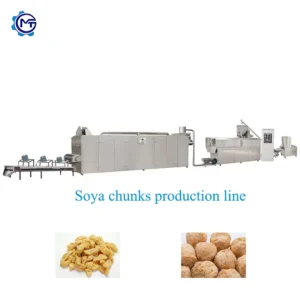
Soybean Protein Making Machine Automatic Soy Chunk Production Line
¥30.00 Select options This product has multiple variants. The options may be chosen on the product page