
What Should You Prioritize When Sourcing Plastic Extrusion Equipment for Your Manufacturing Line?
Você não precisa gastar demais em marcas europeias para obter sistemas de extrusão confiáveis e certificados pela ISO que atendam suas metas de produção. Por décadas, a maioria dos produtores de plástico de médio a grande porte em mercados emergentes optou por linhas de extrusão premium alemãs ou austríacas, assumindo que nenhuma alternativa poderia igualar seu desempenho e durabilidade.
O caminho de aquisição de equipamentos de extrusão de maior valor e menor risco prioriza suporte completo de solução turnkey, compatibilidade de material verificada e cobertura pós-venda transparente em relação apenas ao nome da marca.
I’ve worked with over 120 extrusion buyers across 27 countries over the last 8 years, and the single most common costly mistake I see is teams fixating on screw diameter or per-kilogram output numbers before vetting whether a supplier can deliver end-to-end support that cuts their time to first production run by 40% or more [NEED_CITE: End-to-end turnkey support for extrusion lines reduces factory commissioning time by an average of 42% for new manufacturing facilities].
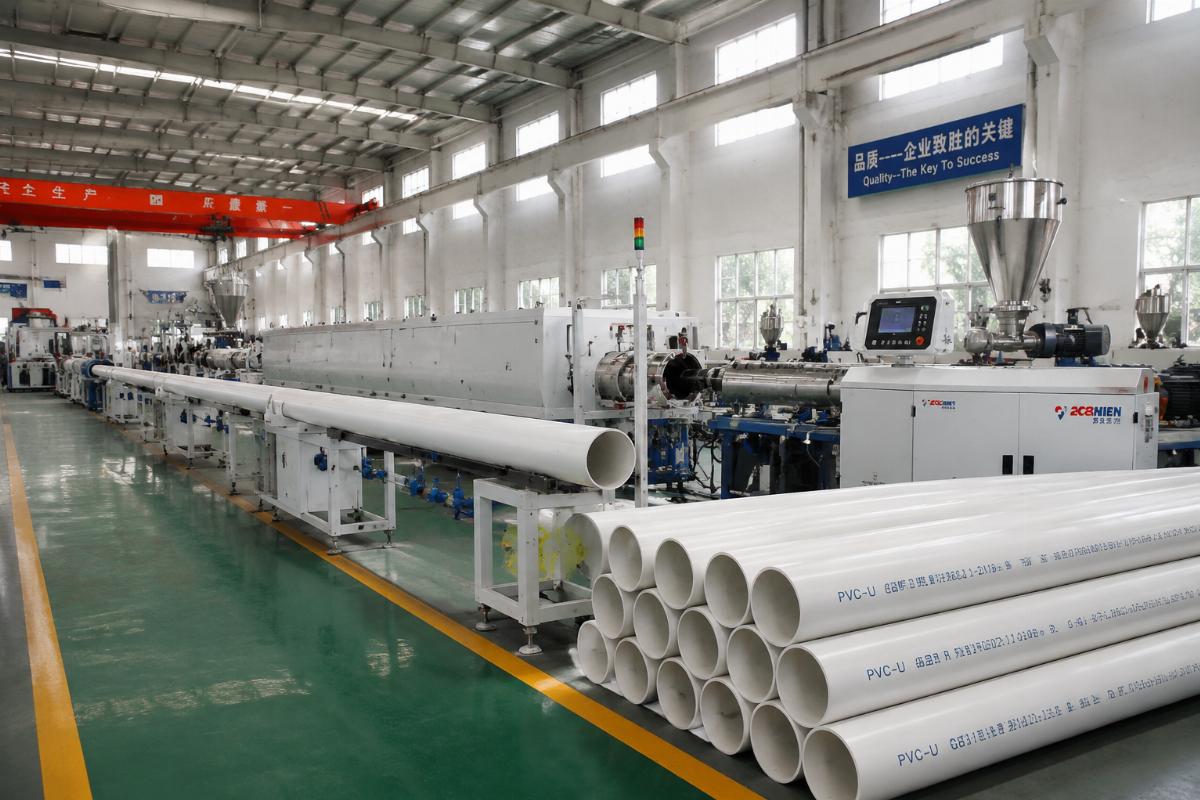
Com essa base em mente, vamos detalhar os fatores específicos que determinarão o sucesso ou fracasso do seu ROI de sourcing.
One-size-fits-all extrusion setups will cost you 15-25% in wasted raw material and unplanned downtime in the first 6 months of operation. The five core user segments for extrusion equipment each have non-negotiable requirements that generic line configurations cannot meet: pipe producers need consistent high-volume output, recycling operators need systems that handle contaminated feedstock, profile makers need fast die changeover, film producers need high-clarity multi-layer capability, and distributors need flexible OEM support. Extrusora monorosca padrão para todo processamento de PVC
Extrusora de dupla rosca cônica SJSZ para produção de tubos e perfis de PVC rígido [NEED_CITE: Extrusoras de dupla rosca cônica proporcionam 30% mais eficiência energética para processamento de PVC rígido em comparação com alternativas de rosca única]
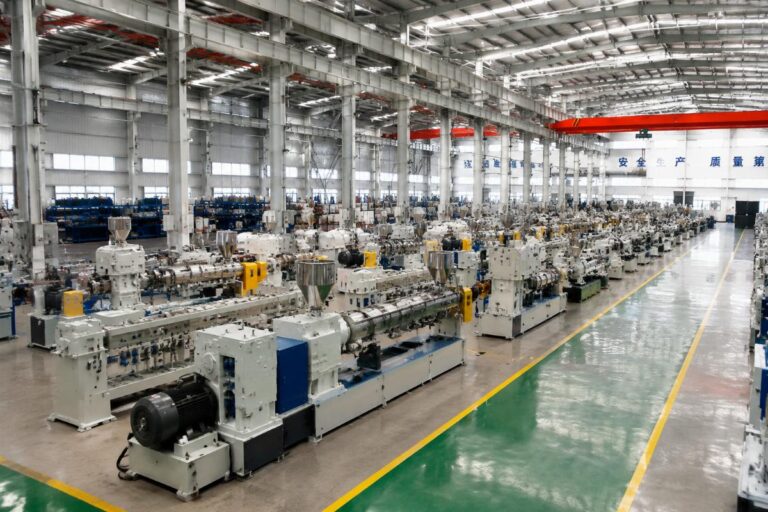
Earlier this year, a plastic pipe manufacturer based in Kenya ordered a standard 65mm single-screw line from a cheap offshore supplier, only to find it could not process local recycled PVC feedstock without 22% of production batches being rejected for inconsistent wall thickness. We connected them to a supplier with pre-configured SJSZ twin-screw lines built for mixed virgin-recycled feed, and they hit their 1200kg/h production target within 14 days of installation, with a 98.7% first-pass yield. Upfront sticker price only makes up 45% of total ownership cost for an extrusion line over its first 5 years of operation. Too many buyers focus exclusively on the initial purchase amount and end up paying exorbitant fees for installation, training, and spare parts that erase any initial cost savings. A recycling facility owner in Colombia told me last quarter that he had originally budgeted $18,000 for installation and operator training for a granulation line he ordered from a European supplier, only to get billed an extra $12,700 for extended on-site support when the line could not handle the local mixed plastic waste he was processing. When he switched to a supplier that included all installation support in the base line price, his total project cost ended up 38% lower than his original budget [NEED_CITE: Inclusive turnkey pricing for extrusion lines reduces unplanned project overspend by an average of 38% for recycling and pipe manufacturing operations]. Suppliers that cannot demonstrate a track record of projects in your region will leave you stranded for 3+ months if a critical component fails mid-production. The most reliable extrusion equipment manufacturers do not just sell machines: they have a proven track record of delivering full turnkey solutions, holding internationally recognized certifications, and building systems that work with the local infrastructure and operator skill levels in your market. Last year, a distribution company based in Vietnam was vetting three different extrusion line suppliers, and one small supplier offered a quote 22% lower than the other two, but could not provide any references of projects in Southeast Asia and could not confirm CE certification for their lines. The distributor chose a supplier with over 20 years of manufacturing experience, a 40,000+ square meter production facility, and 17 existing operational lines across Vietnam, and their first delivered project was commissioned 21 days ahead of schedule with zero post-installation defects. Conclusão
Sourcing high-performance extrusion equipment does not require choosing between premium European pricing and low-quality, no-support generic imports. By aligning line specs to your exact production use case, eliminating hidden add-on costs from your supplier contract, and vetting for demonstrated regional support track records, you can secure a full turnkey line that meets or exceeds the performance of premium brand systems at a 30-50% lower cost. This approach cuts your time to full production by an average of 6 weeks, reduces unplanned downtime in the first year by 70%, and delivers a total ownership ROI that is 2x higher than either extreme of the sourcing market. The key is to prioritize solution delivery over sticker price or brand name, and to build a long-term partnership with a supplier that understands the unique challenges of your production segment and regional market.How Do You Match Extrusion Line Specs to Your Core Production Use Case?
Equipment Category
Common Misaligned Spec Choice
Recommended Target Spec for Core Use Case
Extruder Type
Line Compatibility
Lines rated only for clean, virgin resin
Integrated washing and drying modules for post-consumer plastic waste processing
Customization Scope
Only changing screw length for higher output
Full custom configuration for screw geometry, control system interface, and downstream handling
What Hidden Costs Should You Eliminate Before Finalizing a Supplier Contract?
Cost Component
Common Hidden Cost Trap
Transparent, Low-Risk Pricing Structure
Installation & Training
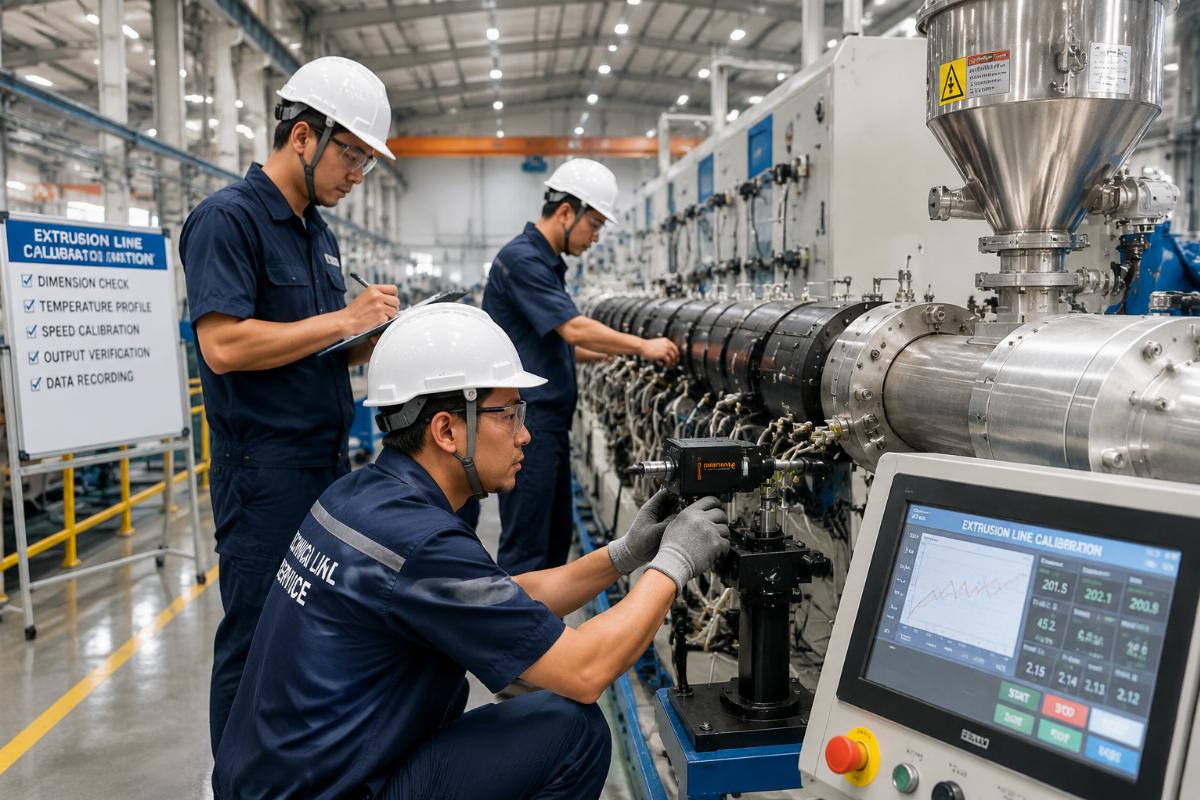
Separate, marked-up on-site engineer fees charged per day
Free overseas engineer dispatch for on-site installation and operator training
Warranty Coverage
6-month limited warranty only for core motor parts
2-year full system warranty with lifetime free technical support
Minimum Order Requirements
10+ unit minimums even for standard component orders
MOQ of 1 full line with no penalty for custom configuration requests
How Do You Verify a Supplier Can Deliver Consistent, Long-Term Support?
Verification Step
Lazy, Unreliable Vetting Practice
Rigorous, Low-Risk Vetting Practice
Supplier Certifications
Accepting generic local quality certificates only
Requiring valid, up-to-date ISO 9001 and CE certifications for all production lines
Reference Check Scope
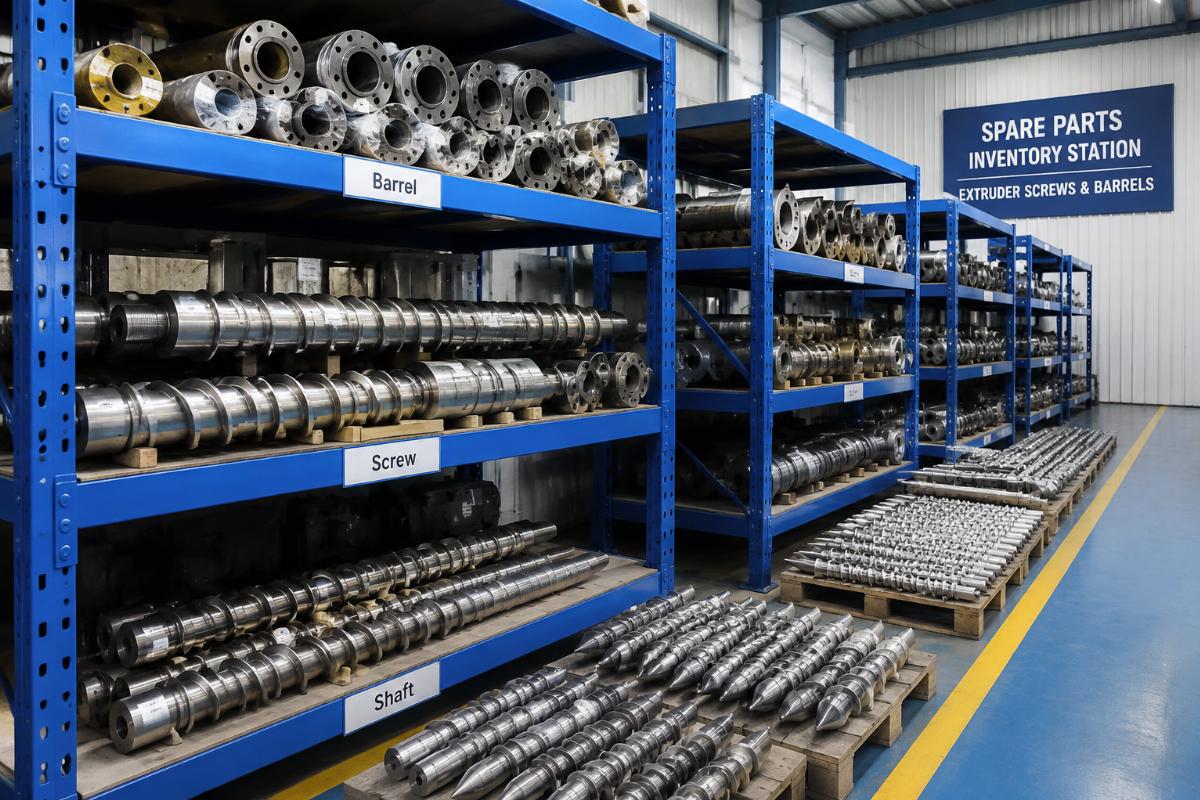
Asking for 1-2 generic references with no location details
Requesting 3+ references of operational lines in your same country and production segment
Control System Compatibility
Assuming pre-installed interfaces work for your team
Confirming the line uses Siemens PLC and Delta VFD systems with interface options for English, Russian, or Spanish