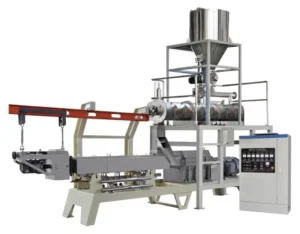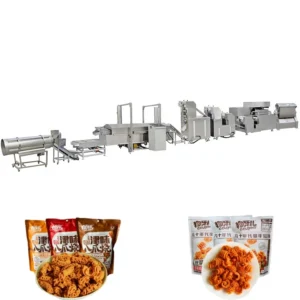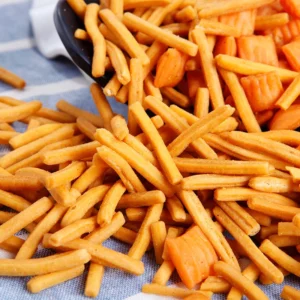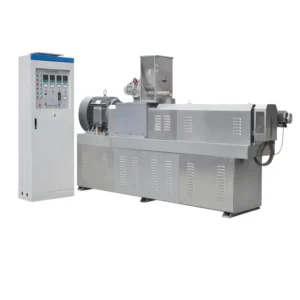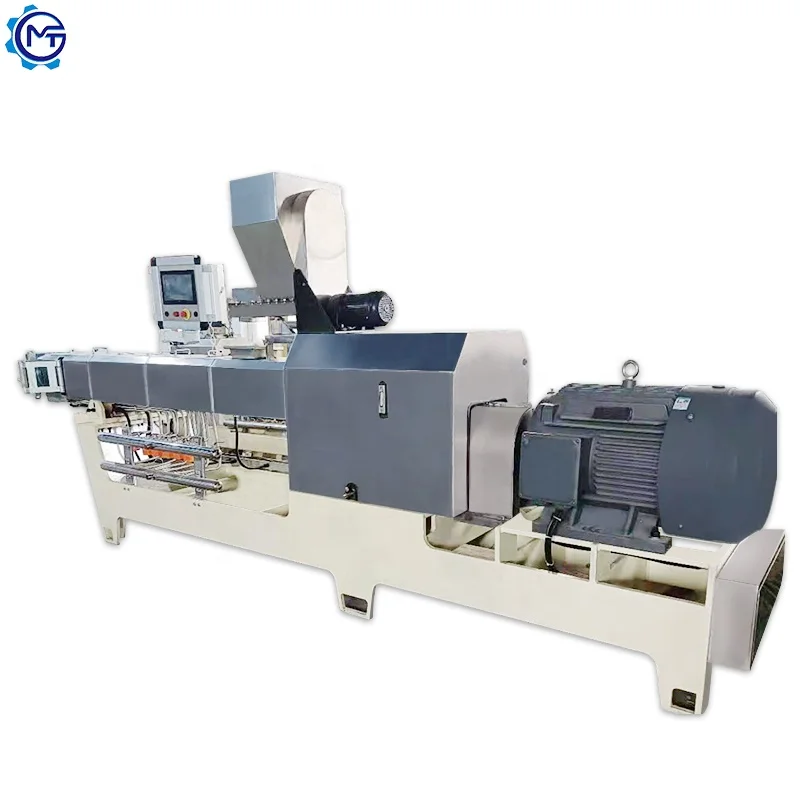
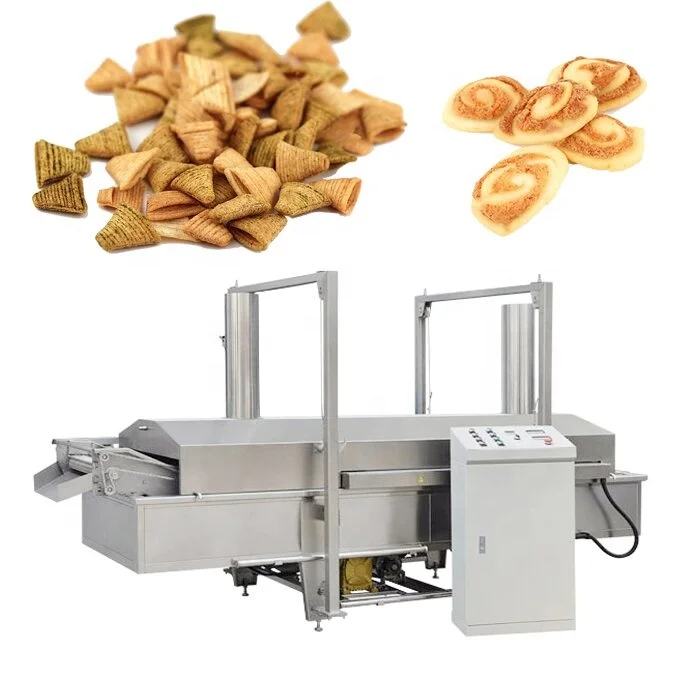

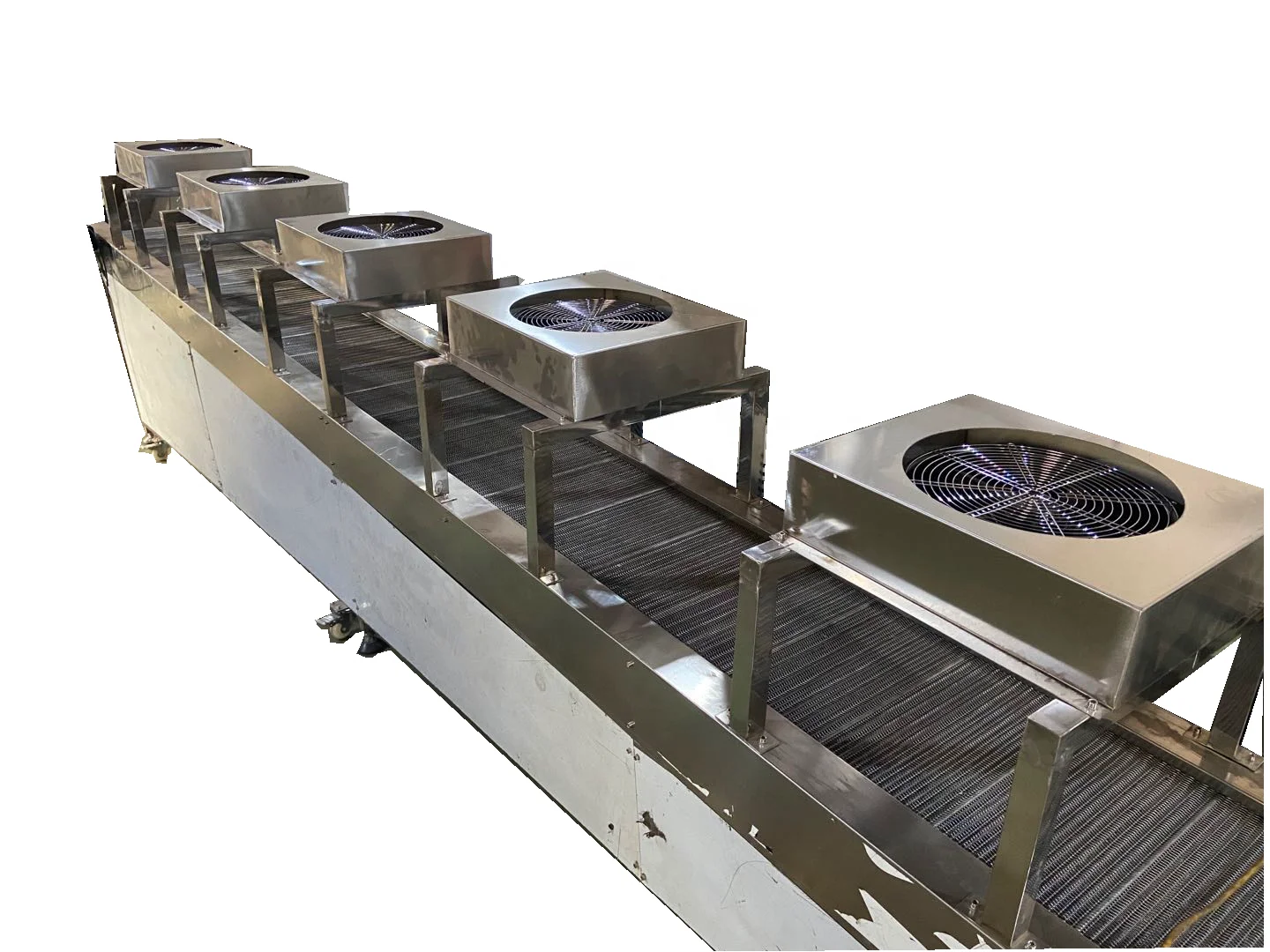
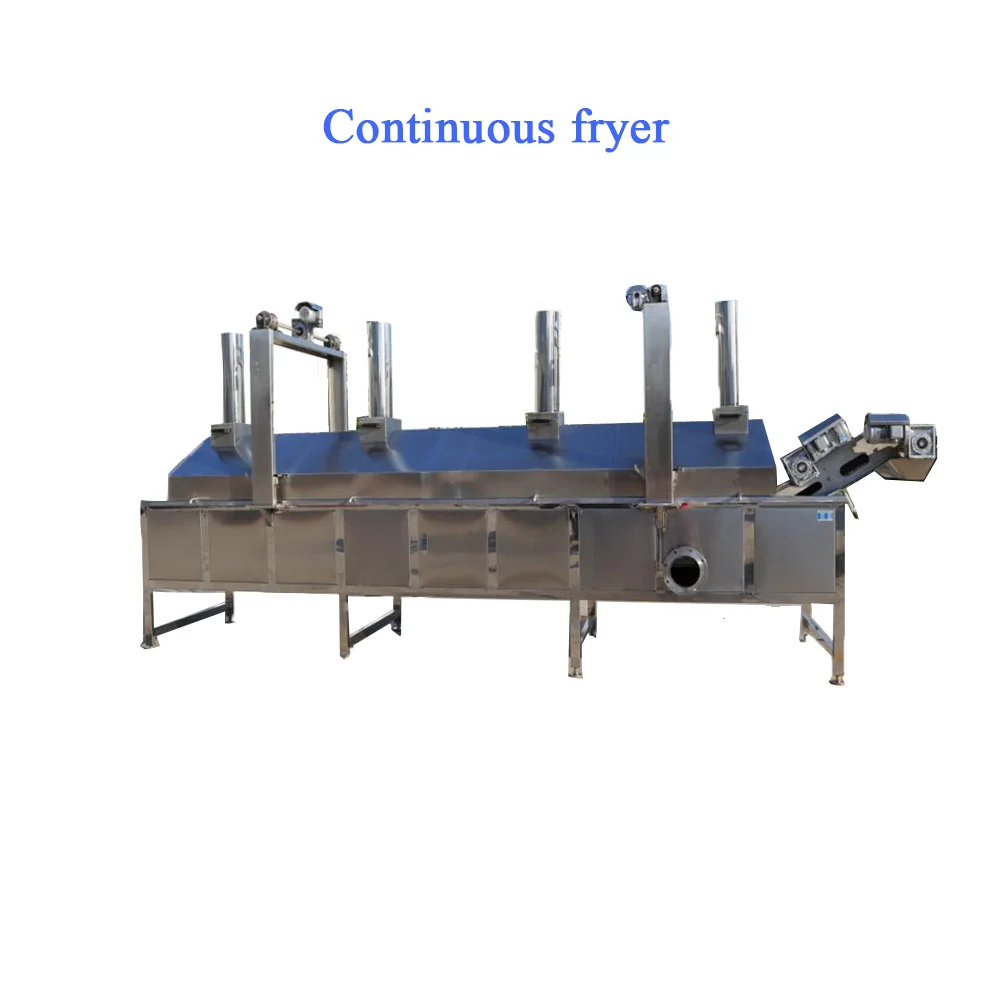

MT65 Fried Snack Food Processing Line, 142KW Installed Power, Twin-Screw Extrusion — throughput-matched from mixing through frying and flavouring for bugles, pizza rolls and rice crust chips. Screw configuration and die design specified to your flour blend and target texture, with barrel temperature profile controlled for consistent expansion and density. Stations sized so fryer and seasoning drum match extruder output rather than bottleneck it. Trial runs on your actual raw material completed in our testing workshop before shipment, with full screw and die configuration records provided.
Description
Throughput-Matched Line Integration — every station from the 150kg batch mixer through the MT65 twin-screw extruder to the 260℃ fryer is sized so no single unit bottlenecks your fried snack food processing line turnkey output.
Technical Specifications
| Parameter | Value |
|---|---|
| Model | MT65 |
| Product Type | Fried Snack Food Processing Line |
| Screw Type | Twin-screw (Double Screw Extruder) |
| Installed Power (Full Line) | 142 kW |
| Real Power (Full Line) | 100 kW |
| Output Capacity | 120–150 kg/h (basis not stated in source — confirm raw material / moisture / product format) |
| Overall Dimensions | 22,000 × 1,200 × 2,200 mm |
| Extruder Main Motor Power | 30 kW |
| Extruder Installed Power | 45.87 kW |
| Extruder Actual Power | 30–35 kW |
| Extruder Dimensions | 2,800 × 830 × 1,875 mm |
| Powder Mixer Tank Volume | 150 kg per batch |
| Powder Mixer Rotary Speed | 385 rpm |
| Powder Mixer Mixing Time | 10 min per batch |
| Powder Mixer Power | 4 kW |
| Powder Mixer Dimensions | 1,000 × 630 × 1,100 mm |
| Fryer Temperature Range | 0–260℃ |
| Fryer Capacity | 200–300 kg/h (basis not stated in source — confirm product format / moisture) |
| Fryer Dimensions | 4,500 × 1,350 × 2,350 mm |
| Flavor Line Output | 400 kg/h |
| Flavor Line Power | 1.5 kW |
| Flavor Line Dimensions | 3,000 × 1,650 × 1,800 mm |
| Construction Material | Stainless steel (304 for main food-contact parts) |
| Control System | PLC and MCC |
| Warranty | 1 year complete, life-time maintenance |
| Payment Terms | 30% T/T down, 70% irrevocable L/C at sight before delivery |
Application Suitability
| Application | Material or Output |
|---|---|
| Bugles and horn-shaped crisps | Corn flour, wheat flour, starch blends extruded through ring dies, then fried |
| Pizza rolls and core-filled snacks | Flour-based dough with savoury filling, twin-screw co-extrusion |
| Rice crust chips and tortilla chips | Rice flour or corn masa, sheeted and die-cut before frying |
| 2D/3D pellet snacks (triangles, sala, duck shapes) | Multi-grain flour blends, pellet-extruded then fried to expand |
| Small fish cakes and golden horns | Wheat and starch blends with seasoning, formed through shaped dies |
| Gourd-shaped crisps and Christmas tree snacks | Composite flour dough, die-formed for seasonal or novelty formats |
Why Nominal Capacity Figures Mislead Fried Snack Buyers
A fried snack food processing line turnkey quoted at a single output number rarely tells you what happens when your flour blend has a different moisture content or starch ratio than the factory default. Real throughput only exists relative to your actual raw material and the product shape you run. I have watched lines stall at two-thirds of the nameplate figure because the extruder screw profile was set for corn grits while the buyer was running a rice-dominant formula. The fryer then ran half-empty, and the flavouring drum spun product through too fast for even coating. [NEED_CITE: extruder throughput dependency on raw material moisture and starch composition]
Screw Configuration Dictates What Your Dough Becomes
The MT65 twin-screw extruder processes flour blends through a barrel where shear, heat and moisture combine to gelatinise starch before the die. Different snack shapes demand different screw element sequences: a high-shear mixing zone works for dense pizza roll dough, while a gentler conveying section suits fragile bugle walls. When the screw profile matches your flour composition and target expansion ratio, the fried snack food processing line turnkey produces uniform wall thickness and consistent oil uptake downstream.
Die Geometry and Its Effect on Frying Behaviour
Every snack shape exits through a die plate whose orifice dimensions and land length control the initial dough geometry. A ring die for bugles must produce a tube wall thin enough to crisp during frying but thick enough to hold its curl. Flat dies for rice crust chips require precise lip gaps so the sheet thickness fries evenly without blistering. The die design is documented in the screw and die configuration record so replacements match the original profile. [NEED_CITE: die land length influence on extrudate surface finish and dimensional tolerance]
Reading the Numbers That Actually Matter
The full line draws 142 kW installed but runs at roughly 100 kW real power, reflecting the duty cycle of the mixer, extruder, fryer and flavouring drum working together. The extruder itself uses 30–35 kW of its 45.87 kW installed capacity during steady-state operation, with the 30 kW main motor handling the mechanical shear load. The fryer spans 0–260℃, covering the range needed for shallow-frying delicate rice crusts at lower temperatures and flash-frying corn-based bugles at higher settings. The 150 kg batch mixer at 385 rpm with a 10-minute cycle feeds the extruder without starvation or surge, keeping the line balanced.
What Happens When Stations Are Mismatched
An extruder that outpaces its fryer means product piles up on the conveyor, losing moisture and developing a skin that blocks oil penetration. A flavouring drum sized below the fryer output leaves half the batch uncoated, forcing a second pass that breaks fragile shapes. I once saw a line where the fryer was rated for a lower moisture evaporation load than the extruder produced, resulting in oil temperature drops and soggy chips that could not hold seasoning. These mismatches surface only after installation, when reconfiguring the layout costs more than sizing correctly at the outset. [NEED_CITE: impact of station throughput mismatch on snack line yield loss]
Why This Line Configuration Stands Up
The entire fried snack food processing line turnkey comes from one supplier, so mixing capacity, extrusion throughput, fryer evaporation rate and flavouring drum speed are calculated together rather than assembled from separate vendors. The in-house testing workshop runs your actual flour blend through the MT65 before shipment, confirming screw and die settings against your target texture. Food-contact surfaces use 304 stainless steel throughout, meeting hygiene requirements for snack production environments. Line layouts are available across multiple capacity tiers from the MT65 upward, allowing scale-up without redesigning the entire floor plan. Electrical schematics, voltage specifications and control language are confirmed before production begins, preventing commissioning delays at your site.
Documentation & Verification
- Line layout and capacity calculation matched to your flour blend and target snack shape
- Screw and die configuration record documenting element sequence and orifice dimensions
- Factory test record from trial run on your raw material before dispatch
- Electrical schematic with voltage and frequency confirmation for your facility
- Operation and maintenance manual with wear parts list for extruder screws and dies
- CE declaration of conformity and ISO certificate for the complete line
Installation, Commissioning & Support
- Floor plan accounts for the 22 m line length and 2.2 m headroom clearance needed for the fryer exhaust
- Dedicated electrical circuit sized for 142 kW installed load with local voltage and frequency confirmed
- Extruder barrel segments and screw elements shipped disassembled for container loading, reassembled on-site
- First production run supervised to set barrel temperature zones and fryer belt speed for your product
- Operator training covers screw changeover procedures and die replacement for different snack shapes
- Wear parts inventory list provided with initial spare screw elements and die plates
Before You Send an Inquiry
Provide your target snack format, the flour or starch blend you plan to run, and the daily output you need so the line configuration can be calculated from your actual material. Include your facility voltage, frequency and preferred control language so electrical packages match local standards before the machines enter production. If you have existing upstream batching or downstream packing equipment, share the interface dimensions so the line layout connects cleanly.
Frequently Asked Questions
Q: How is output capacity verified on my specific flour formulation?
A: Your raw material is run in the testing workshop on the MT65 extruder before shipment. The trial records the screw speed, barrel temperature profile and die pressure needed to achieve your target snack shape and wall thickness. Capacity figures are then confirmed based on that actual material rather than a generic flour blend.
Q: Is the fryer and flavouring drum capacity matched to the extruder output?
A: Every station is sized together during line layout. The fryer handles evaporation loads calculated from the extruder’s real output on your material, and the flavouring drum at 400 kg/h covers the fried product volume so coating is even without a second pass or bottleneck.
Q: What voltage, frequency and control language options are confirmed before shipment?
A: Electrical schematics and voltage specifications are finalised during the sales process based on your facility supply. The PLC and MCC control panels are configured to your local frequency and language preference before the machines leave the factory, avoiding rewiring or reprogramming during commissioning.
Q: Can a trial run be done on my raw material before the line ships?
A: The in-house testing workshop conducts production trials using your flour blend. The resulting trial report documents product texture, expansion ratio, moisture content after extrusion and frying behaviour, giving you data to adjust formulations or confirm the line meets your market specifications before dispatch.
Q: How are screw and die configurations selected for different snack shapes?
A: Each snack format requires a specific screw element sequence and die orifice geometry. Bugles use ring dies with controlled wall thickness, while pizza rolls need co-extrusion dies for filling injection. The configuration is documented so future replacements reproduce the same product profile consistently across production runs.
Related products
-
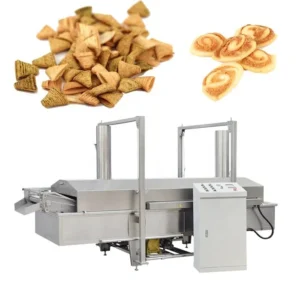
Double Screw Extruder Corn Flour Puffs Snack Nacho Chips Tortilla Doritos Making Machine Savory Snack Production Line
¥50.00 Select options This product has multiple variants. The options may be chosen on the product page -
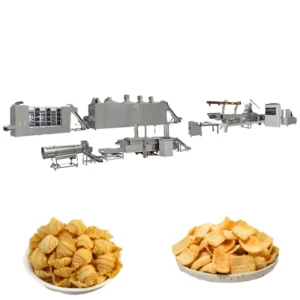
Hot Selling Puffed Ball Snacks Food Processing Line Fried Snacks Processing Line Corn Puff Snacks Machine
¥100.00 Select options This product has multiple variants. The options may be chosen on the product page -
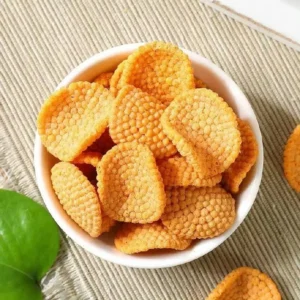
New Automatic Bugles Puff Snack Production Line Price Corn Chips Making Machine Fried Maize Machine High Productivity Large
¥8,570.00 Select options This product has multiple variants. The options may be chosen on the product page -
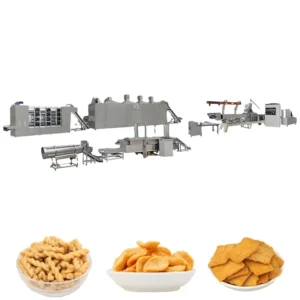
Doritos Chips Making Extruder Fried Corn Bugles Crispy Chips Process Machine Frying Salad Sticks Pellet Snacks Production Line
¥100.00 Select options This product has multiple variants. The options may be chosen on the product page