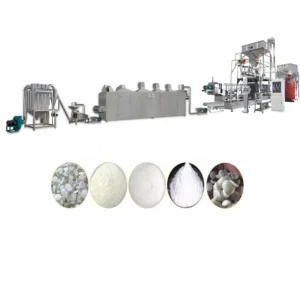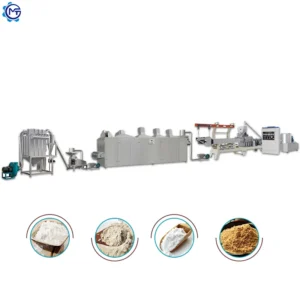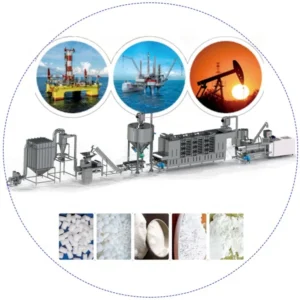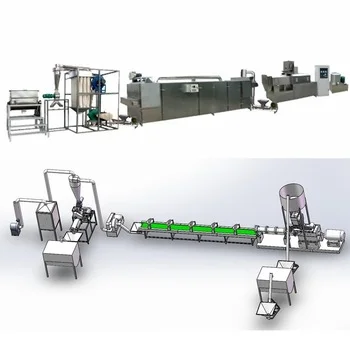



Modified Starch Processing Line, 100-1500 kg/h, Twin-Screw Extruder, PLC & MCC Control — turnkey solution for oil drilling, food and paper industry starch modification.
- Screw and die configuration matched to your raw material and target modification degree, ensuring precise gelatinisation and density control
- Automated PLC system maintains consistent barrel temperature and moisture profiles across every production run
Complete line throughput verified station-by-station from batching to packing, with in-house trial runs on your specific starch base before shipment.
Description
Throughput-Matched Engineering — every station in the modified starch processing line is balanced from batching to packing, eliminating the bottlenecks that arise when extruders, dryers, and grinders are sourced separately.
Technical Specifications
| Parameter | Value |
|---|---|
| Product Type | Modified Starch Processing Line |
| Output Capacity | 100–1500 kg/h (basis not stated in source — confirm raw material type, moisture content and modification degree) |
| Total Installed Power | 45–200 kW (varies by line configuration) |
| Voltage & Frequency | 220–440V, tri-phase (exact frequency to be confirmed per site) |
| Control System | Automated PLC and MCC |
| Extruder Type | Twin-screw |
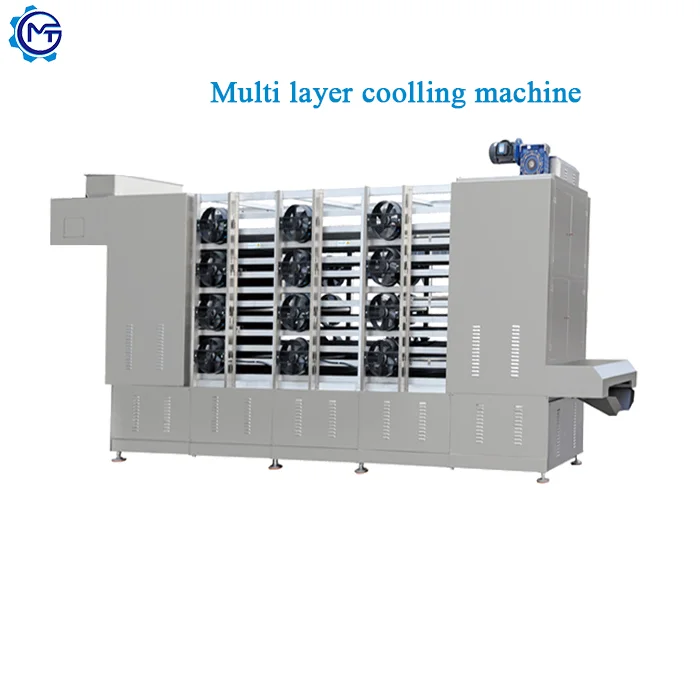
| Line Stations | Twin-screw extruder, cooling conveyor, pulse grinder |
| Contact Material | Food-grade stainless steel |
| Net Weight | 1000–5000 kg (varies by final line layout) |
| Standards | CE, ISO |
Application Suitability
| Application | Material or Output |
|---|---|
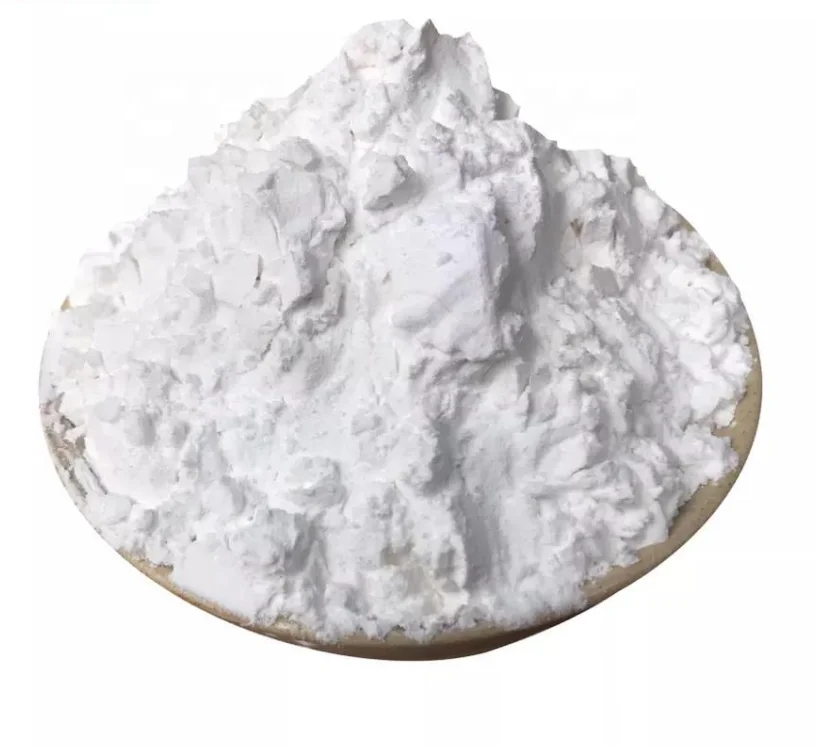
| Oil drilling fluid additives | Corn starch modified for thermal stability and viscosity control in drilling mud |
| Food-grade thickening agents | Corn flour or rice flour processed into pregelatinised starch for instant foods |
| Paper coating and sizing | Grain-based starch modified for surface strength and printability |
| Industrial binder production | Soybean flour and other grain flours converted to adhesive-grade modified starch |
Why "Rated Capacity" Means Nothing Without Your Raw Material
A modified starch processing line turnkey proposal is only as honest as the trial run behind it.
When a line is quoted on a nominal figure like 1500 kg/h, that number is usually based on a standard reference material — often corn starch at a specific moisture level. Swap in potato starch or a waxy maize variant, and the gelatinisation temperature shifts, shear requirements change, and the actual throughput can drop noticeably. I once saw a line stall for two weeks after arrival because the buyer switched starch sources and the screw profile was never reconfigured [NEED_CITE: starch gelatinisation temperature ranges by botanical source]. Before any modified starch processing line turnkey project leaves the factory, the real raw material has to run through the actual extruder, dryer, and grinder at production speed.
Screw Configuration Dictates Starch Modification Degree
The twin-screw extruder in this line is configured with screw elements and die geometry matched to the buyer’s target modification — whether that is pregelatinisation, dextrinisation, or cross-linking. Barrel temperature zones are mapped to the thermal profile of the specific starch base. Getting the L/D ratio and screw pitch wrong means incomplete gelatinisation or excessive degradation, both of which show up as inconsistent viscosity in the finished product.
In-House Trial Runs Catch Mismatches Before Shipment
The testing workshop runs the buyer’s actual corn flour, rice flour, or soybean flour through the full modified starch processing line turnkey setup before any equipment is crated. This trial verifies that the extruder output aligns with the cooling conveyor’s belt capacity and the pulse grinder’s throughput. When stations are matched on paper but not on material, the bottleneck only reveals itself during commissioning — costing the buyer time and rerun expenses [NEED_CITE: industrial extrusion trial run best practices]. The trial run report documents real output, temperature profiles, and screw wear observations.
What the Specification Numbers Actually Mean on the Floor
The 45–200 kW total power range reflects the difference between a compact line running light pregelatinised starch and a full-scale setup producing high-viscosity oil drilling starch. The PLC and MCC control system manages barrel heating zones, screw speed, and feed rate simultaneously, which matters when a starch modification recipe requires holding temperature within a narrow band across multiple zones. Food-grade stainless steel contact surfaces prevent iron contamination that would discolour white starch products. The twin-screw design allows operators to adjust shear intensity by rearranging screw elements — a single-screw unit cannot offer that flexibility without a complete barrel change.
The Cost of Skipping Configuration Verification
When a modified starch line arrives at site with generic screw settings, the buyer faces a choice: run the line as-is and accept off-spec product, or halt production while new screw elements are sourced and shipped. I have seen buyers lose weeks of output because the die design was copied from a standard build rather than matched to their specific starch modification target. Voltage mismatches compound the problem — a 440V extruder running on a 380V supply without transformer adjustment will underperform from day one [NEED_CITE: voltage and frequency standards by export market]. These are not warranty issues; they are specification gaps that a pre-shipment trial would have exposed.
What Sets This Procurement Path Apart
Every station in the modified starch processing line turnkey package is sourced and balanced by one supplier, so the extruder’s output, the cooling conveyor’s belt speed, and the pulse grinder’s capacity are calculated against each other rather than assembled from separate vendor quotes. Screw and die configurations are specified to the buyer’s raw material and target starch type, not pulled from a catalogue default. The testing workshop allows trial runs on customer-supplied flour before shipment, producing a documented report rather than a generic performance claim. Electrical schematics and voltage are confirmed against the buyer’s site supply before production begins, not discovered during commissioning.
Documentation & Verification
- Line layout drawing showing throughput balance across extruder, cooler, and grinder
- Screw and die configuration record matched to your starch modification target
- Trial run report on your raw material with measured output and temperature data
- Electrical schematic confirming voltage, frequency, and control language for your site
- CE declaration of conformity and ISO certificate for customs and local compliance
Installation, Commissioning & Support
- Foundation plan accounts for the pulse grinder’s vibration isolation and the extruder’s operating weight
- Dedicated power circuit sized to the confirmed 45–200 kW total load and local voltage
- Twin-screw barrel and screw elements shipped disassembled for safe transit and on-site reassembly
- First-run commissioning includes PLC parameter tuning for your specific starch gelatinisation profile
- Operator training covers screw element rearrangement for different modification degrees
- Wear parts list with lead times for replacement screws, dies, and grinder screens
Preparing Your Inquiry
To move a modified starch processing line turnkey project forward, share your raw material type — corn, rice, potato, or another starch base — along with the target modification and any product specifications your downstream customers require. Confirm your facility’s available floor area, ceiling height, and local voltage and frequency so the line layout and electrical design can be built around real constraints rather than assumptions.
Frequently Asked Questions
Q: How is the line capacity verified on my specific starch raw material?
A: The testing workshop runs your actual raw material through the extruder, cooling conveyor, and pulse grinder at production speed. The trial run report records measured output, barrel temperature profiles, and any screw adjustments needed. This ensures the quoted capacity reflects your material, not a generic reference starch.
Q: How are stations matched to prevent bottlenecks in the full line?
A: Each station’s throughput is calculated against the others during layout design. The extruder’s output rate, cooling conveyor belt speed, and pulse grinder capacity are balanced so no single unit constrains the rest. The line layout drawing documents these calculations before fabrication begins.
Q: What screw and die configuration is specified for my target modified starch?
A: Screw element arrangement and die geometry are designed around your raw material’s gelatinisation temperature and your target modification degree. The configuration record is included in the documentation package and can be adjusted for different starch products by rearranging elements on-site.
Q: Is a trial run performed on my raw material before shipment?
A: Yes. Customer-supplied raw material is run through the complete line in the testing workshop before dispatch. The resulting trial run report confirms output, process parameters, and product quality so commissioning at your facility starts from a known baseline.
Q: What voltage and control language is confirmed before production?
A: The electrical schematic and PLC interface language are confirmed against your site’s power supply and operator requirements during the specification phase. Voltage, frequency, and control labels are verified before production starts to avoid delays during on-site commissioning.
Related products
-
New Automatic Modified Starch Puffing Production Line – Long Service Life Pregelatinized Starch Equipment
¥65.00 Select options This product has multiple variants. The options may be chosen on the product page -
Modified Starch for Construction Adhesives Production – Custom Built Double Screw Extruder Line
¥65.00 Select options This product has multiple variants. The options may be chosen on the product page -
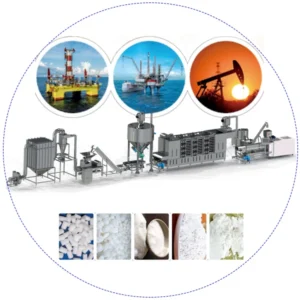
Modified Starch Production Line for Industrial Drilling Twin Screw Extruder Large Output Modified Starch Manufacturing Machine
¥50.00 Select options This product has multiple variants. The options may be chosen on the product page -
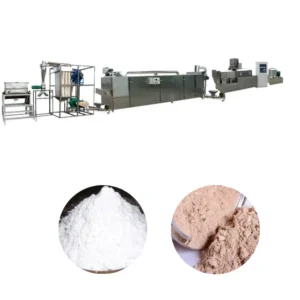
Modified Starch Production Line Modified Starch Processing Line Modified Starch Extruder
¥8,580.00 Select options This product has multiple variants. The options may be chosen on the product page