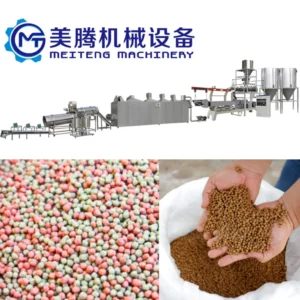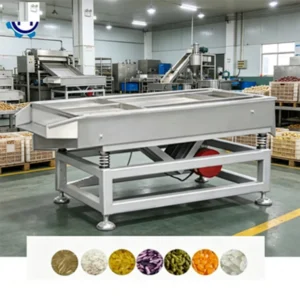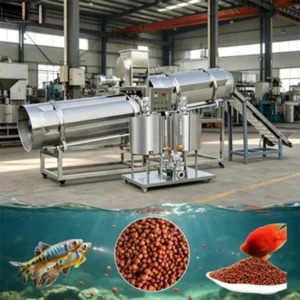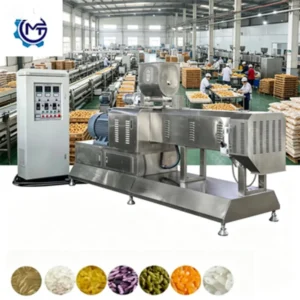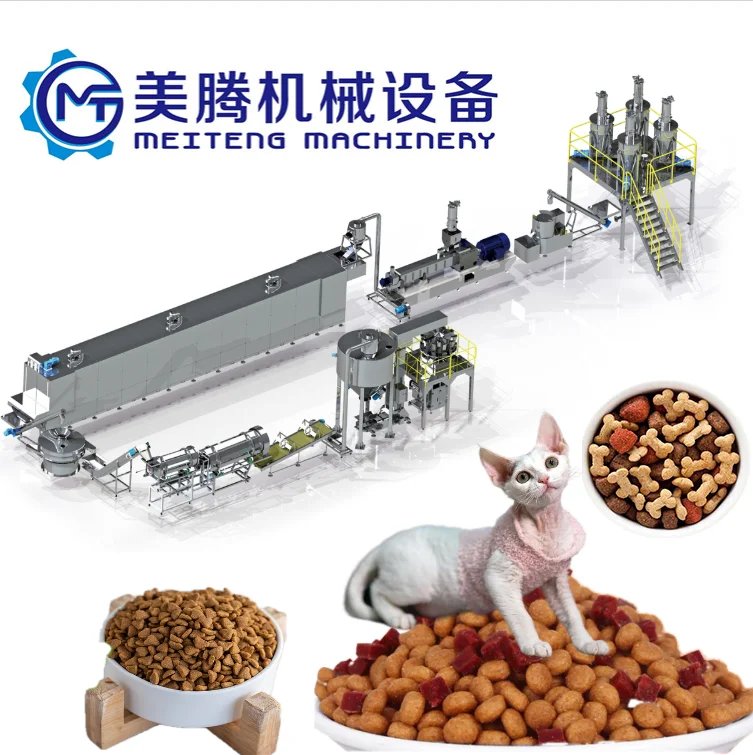


MT70 Twin Screw Pet Food Extrusion Line, 100-200 kg/h, 380V 50Hz, PLC/MCC Control — engineered for dry kibble, semi-moist and treat formats with screw configuration and die design matched to your specific raw material formula and target density.
- Throughput-matched across mixing, extrusion, drying and packing stations to sustain rated output on actual production material
- Twin-screw barrel temperature profile and moisture control ensure consistent starch gelatinisation and expansion
Delivered as a complete turnkey project with in-house trial run on your raw material before shipment, full line layout documentation, and on-site commissioning support.
Description
Screw configuration matched to your raw material — The MT70 is set up with screw elements and die geometry chosen after a trial run on your actual pet food formula, not a generic build copied across every order.
Technical Specifications
| Parameter | Value |
|---|---|
| Model | MT70 |
| Product Type | Twin Screw Pet Food Extrusion Line |
| Output Capacity | 100–200 kg/h (basis not stated in source — confirm raw material formula / moisture content) |
| Voltage & Frequency | 380V 50Hz Three Phase (configurable for destination country) |
| Control System | PLC / MCC (configuration to be confirmed at order) |
| Screw Type | Twin-screw |
| Line Stations | Mixing → Extrusion → Drying → Packaging |
| Product Formats Supported | Dry kibble, semi-moist, treats |
| Assembly State | Complete turnkey line |
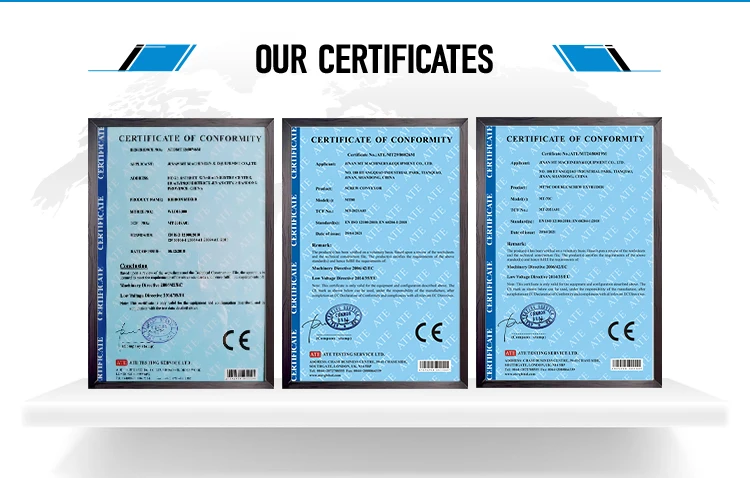
| Standards | CE, FDA compliant |
Application Suitability
| Application | Material or Output |
|---|---|
| Dry dog kibble production | Corn, rice, meat meal, poultry by-product blends |
| Dry cat kibble production | High-protein formulas with fish meal and animal fat |
| Semi-moist pet food | Meat slurry and binder-based formulations with higher moisture |
| Pet treats and bites | Extruded shapes from starch and protein concentrates |
Why "Rated Capacity" Means Nothing Without Your Formula
A pet food production line turnkey quoted at a flat output number often cannot hold that throughput once your specific raw material enters the barrel. Capacity is only real when it is validated on the formula you will actually run.
I have watched a line rated for a certain hourly output on corn flour drop to nearly half once the customer switched to a fresh meat slurry blend. The screw profile that handled dry starch could not feed the denser, stickier slurry at the same rate, and the dryer downstream was suddenly oversized for the reduced flow. The buyer spent weeks re-tuning what should have been correct from day one. That mismatch is avoidable when the screw configuration, die opening, and dryer belt speed are all chosen against your actual recipe rather than a lab sample. [NEED_CITE: twin-screw extrusion behavior on high-moisture pet food formulations]
How Throughput Matching Prevents Line Bottlenecks
Every station on a pet food production line turnkey must pass the same mass flow per hour. If the extruder runs faster than the dryer can remove moisture, product piles up and quality degrades. If the coating drum cannot keep pace, kibble exits unseasoned or waits too long and cools below the fat-adhesion threshold. The MT70 line is configured so that mixing batch size, extruder screw speed, dryer belt length, and packaging speed are calculated together against your target moisture loss and coating percentage. This is where a single-supplier layout removes the finger-pointing that happens when separate vendors each guarantee only their own station.
What the Pre-Shipment Trial Run Actually Covers
Before the line ships, your raw material is run through the extruder in the testing workshop. The trial captures screw speed, barrel temperature profile across each heating zone, die pressure, and the expansion ratio of the kibble as it exits. Moisture before and after the dryer is logged, and sample bags are sealed for your review. You receive a trial run report with these readings so that commissioning at your factory starts from a known baseline rather than a blank control panel. [NEED_CITE: pre-shipment extrusion trial protocols for food processing lines]
Reading the Specs That Matter for Pet Food Density
Twin-screw extrusion gives the MT70 a wider processing window than a single-screw machine when handling high-fat or high-moisture pet food blends. The screw elements can be rearranged — conveying sections, kneading blocks, reverse-flight segments — to control how much shear the material receives and for how long. A longer residence time inside the barrel drives more complete starch gelatinisation, which directly affects kibble expansion and the final bulk density your packaging line expects. The die opening diameter and the cutter speed at the face determine individual kibble size, while the dryer temperature profile locks in the target moisture content. PLC control holds these parameters constant across shifts, so the bag weight and kibble count stay within tolerance from the first run of the morning to the last.
The Cost of Skipping Screw and Die Specification
When screw configuration is copied from a previous order without adjusting for your formula, the extruder may hit the target output on paper but produce kibble that is too dense, too porous, or inconsistent in shape. Downstream, the coating drum then applies fat unevenly because the surface texture is wrong, and the final product fails the palatability test the brand relies on. Buyers who skip the trial run often discover these issues only after the line is bolted to the floor, turning a commissioning week into a month-long troubleshooting cycle. [NEED_CITE: extrusion screw profile impact on kibble density and fat absorption]
Why Source the Full Line from One Supplier
The MT70 line arrives with throughput already balanced between the mixer, extruder, dryer, and packaging station, eliminating the integration gaps that appear when each machine comes from a different vendor. Screw elements and die plates are documented against your formula, so reorder lead times for wear parts are predictable. Electrical schematics and the PLC screen language are confirmed for your country before production starts, avoiding on-site rewiring delays. The in-house testing workshop runs your raw material before shipment, meaning the first production day at your factory is a repeat, not a first attempt. CE and FDA compliance documentation ships with the line, supporting your local registration and inspection requirements.
Documentation & Verification
- Line layout drawing with matched throughput at each station
- Trial run report on your raw material with temperature and moisture logs
- Screw and die configuration record tied to your formula
- Electrical schematic with confirmed voltage and frequency for your market
- CE declaration of conformity and FDA compliance statement
- Operation and maintenance manual with wear parts list
Installation, Commissioning & Support
- Foundation plan showing load points for the MT70 extruder and dryer footprint
- Dedicated circuit requirement for the 380V three-phase supply and PLC cabinet
- Station-by-station assembly sequence with matched conveyor heights
- First-run parameter upload from the pre-shipment trial into the PLC
- Operator training on screw speed, barrel zones, and die cutter adjustment
- Wear parts kit including spare screw elements and die plates shipped with the line
What to Include with Your Inquiry
Send your raw material formula with approximate moisture content and the target kibble size and density you need for your market. Include your local voltage and frequency, the control language your operators read, and whether any upstream milling or downstream bagging equipment is already in place. If you can provide a sample batch of your blend, the testing workshop can run a trial before the quotation is finalized.
Frequently Asked Questions
Q: How is the 100–200 kg/h capacity verified on my specific pet food formula?
A: The quoted range depends on your raw material composition and moisture level. Before shipment, your formula is run through the MT70 in the testing workshop, and actual throughput is recorded alongside screw speed and barrel temperature. The trial run report documents the confirmed output, so you know the capacity figure applies to your recipe, not just a standard corn-based test blend.
Q: How are screw configuration and die design chosen for my target kibble size and density?
A: Screw elements — conveying flights, kneading blocks, and reverse segments — are arranged to match the shear and residence time your formula needs. The die opening diameter and face cutter speed are then set to achieve your target kibble dimensions. These settings are recorded in the configuration document that ships with the line.
Q: What does the pre-shipment trial run include, and how do I review it?
A: Your raw material is extruded, dried, and sampled in the workshop. The trial report covers barrel temperature at each zone, screw speed, die pressure, moisture before and after drying, and kibble expansion measurements. Sealed sample bags and the full report are sent to you for review before the line is crated.
Q: How is voltage, frequency, and control language confirmed before commissioning?
A: During the order confirmation stage, your local electrical standard and preferred PLC screen language are locked into the electrical schematic. The MCC and PLC cabinet are wired and labeled accordingly at the factory, so the control panel is readable and the power supply matches on arrival.
Q: What spare wear parts should I order with the first shipment?
A: The recommended first-order kit includes a set of replacement screw elements for the high-wear kneading zone and spare die plates in your confirmed diameter. These are packed with the line, so replacements are on hand when the first changeover is due, avoiding downtime waiting for international shipping.
Related products
-
Automatic Fish Feed Production Line Machine Floating Sinking Pellet Manufacturing High Capacity Energy Saving Design
¥9,500.00 Select options This product has multiple variants. The options may be chosen on the product page -
MT70 200-250kg/h Dog Cat Pet Food Processing Line 380V 50HZ Three Phase 45KW
¥35,000.00 Select options This product has multiple variants. The options may be chosen on the product page -
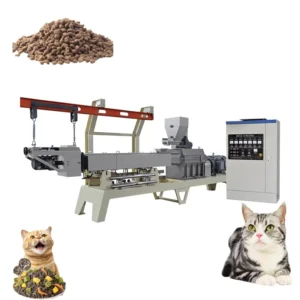
Premium Pet Food Processing Equipment Dog Cat Feed Making Machine
¥9,500.00 Select options This product has multiple variants. The options may be chosen on the product page -
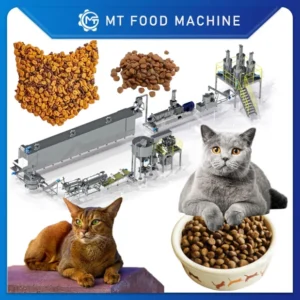
250-300kg/h Capacity PLC Controlled Multi-Species Cat Food Processing Line
¥35,000.00 Select options This product has multiple variants. The options may be chosen on the product page