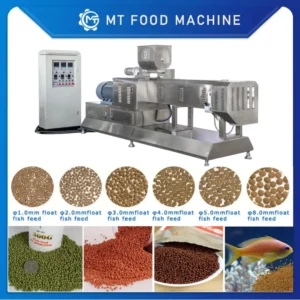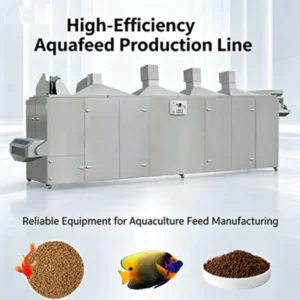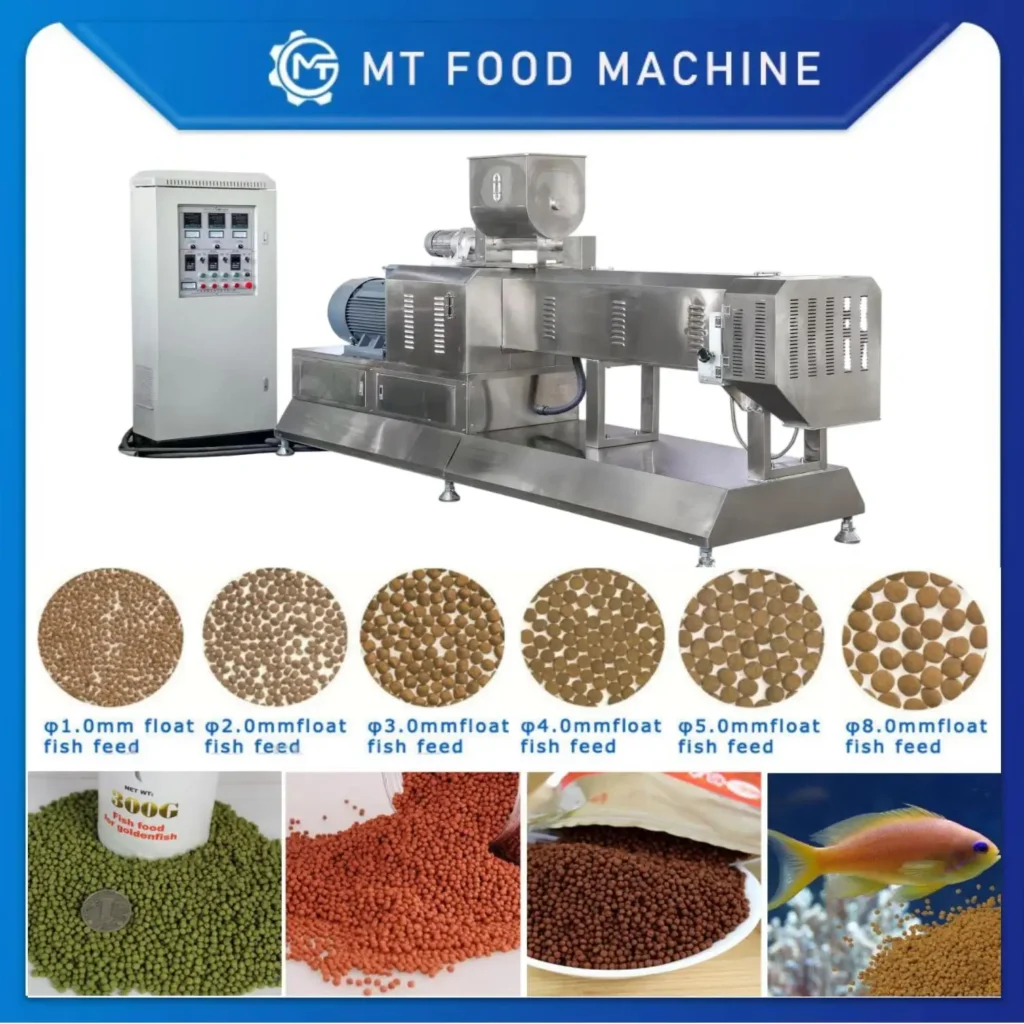
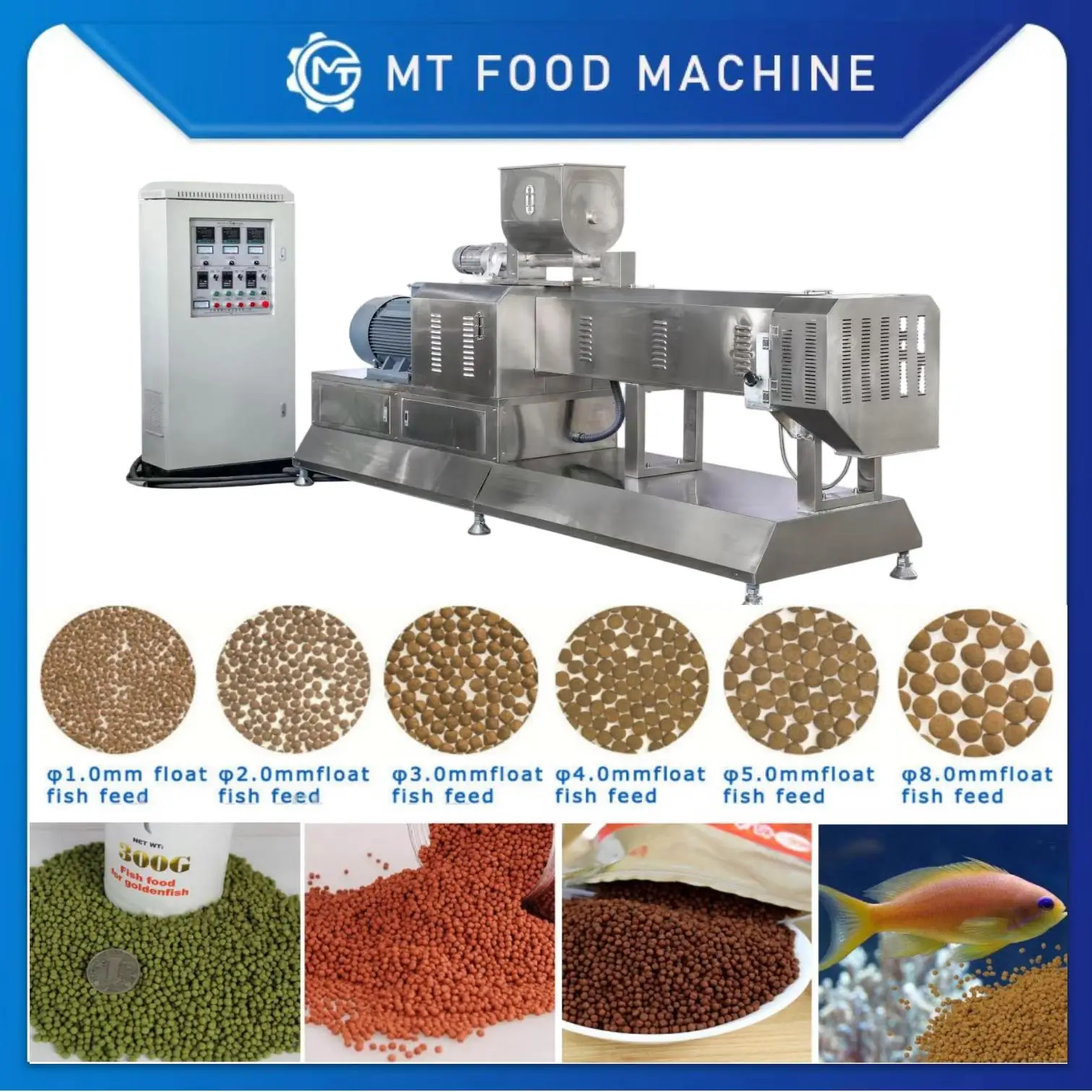

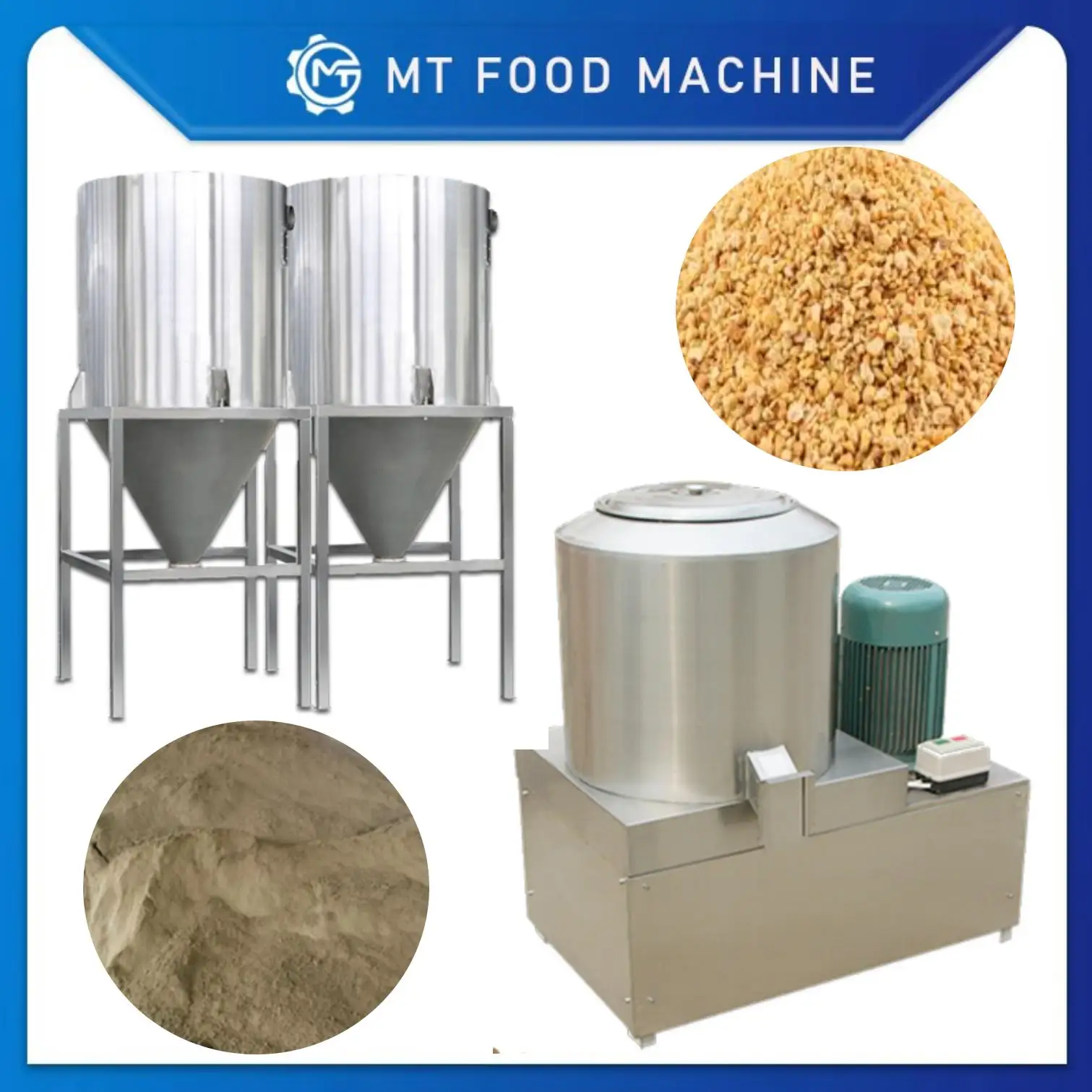


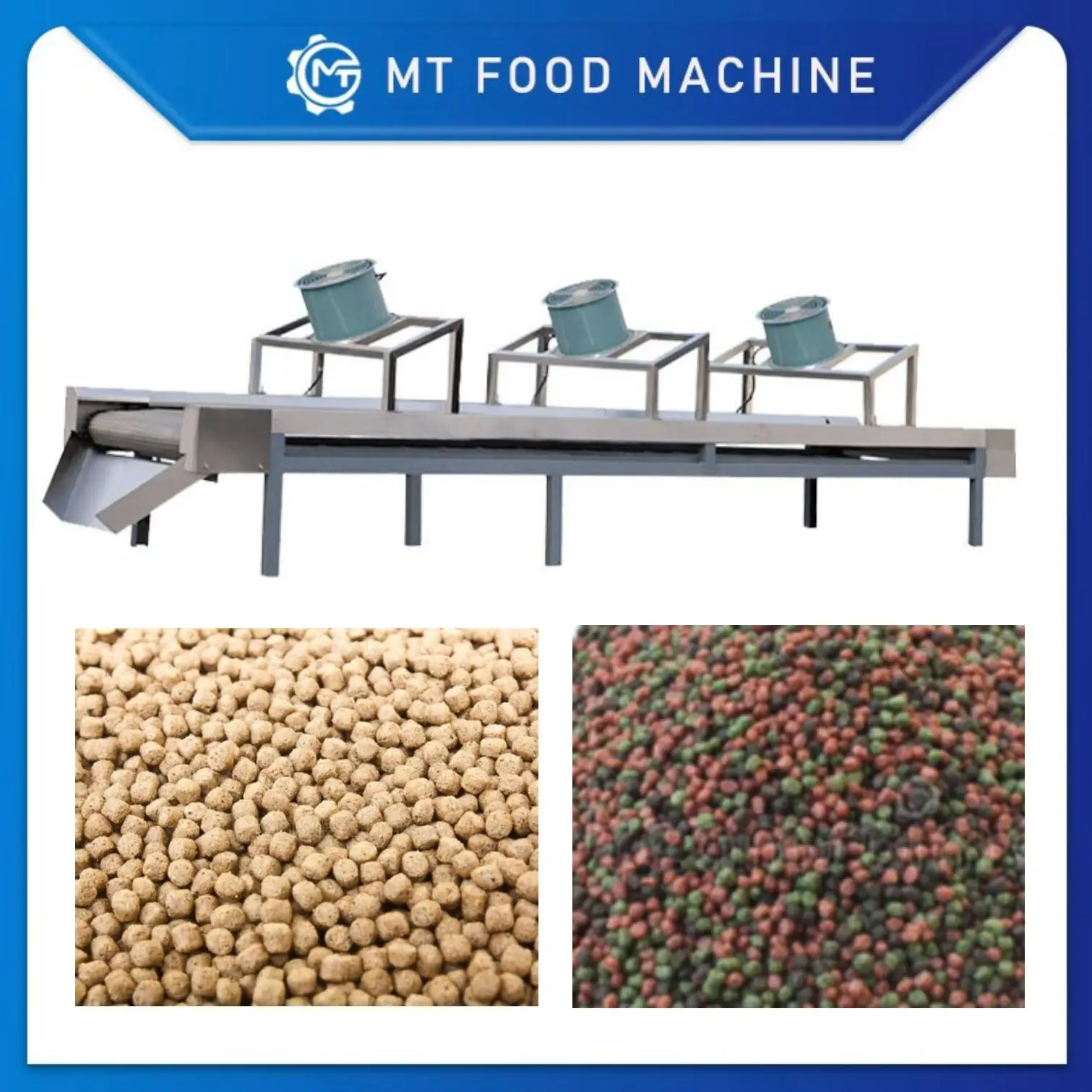
Fish Feed Extrusion Production Line, Twin-Screw, PLC & MCC Control — configured as a complete turnkey project for floating and sinking aquatic feed.
- Engineered around twin-screw extrusion with screw configuration and die design matched to your raw material formulation, target pellet density, and species-specific floating or sinking behaviour
- Throughput calculated across every station — batching, extrusion, drying, coating, cooling and packing — under one supplier to eliminate cross-vendor bottlenecks
- Trial runs on customer raw material conducted in the in-house testing workshop before shipment, with full trial report and screw/die configuration record provided
Description
Matched throughput across every station — a single supplier engineers your complete aquatic feed line so the extruder, dryer, coater and cooler are calculated together rather than assembled from separate vendors.
Technical Specifications
| Parameter | Value |
|---|---|
| Product Type | Fish Feed Extrusion Production Line |
| Output Capacity | 4–5 t/h (basis not stated in source — confirm raw material formulation, moisture content, pellet size and species target) |
| Extruder Type | Twin-screw extruder |
| Construction Material | 304 stainless steel (food-contact parts) |
| Control System | PLC and MCC automated control |
| Screw Configuration | Matched to buyer’s raw material and target pellet specification |
| Die Design | Specified to target pellet size, density and floating/sinking behaviour |
| Line Stations | Batching and mixing, extrusion, drying, coating/flavouring, cooling, packing |
| Target Species | Trout, salmon, catfish and other freshwater/marine species |
| Pellet Types | Floating and sinking aquatic feed |
| Assembly State | Complete turnkey line |
| Voltage & Frequency | To be confirmed per buyer’s country |
| Language Options | Control interface language to be confirmed |
| Certification | CE, ISO |
Application Suitability
| Application | Material or Output |
|---|---|
| Large-scale aquaculture feed mills | Floating and sinking pellets for trout, salmon, catfish, tilapia and shrimp |
| Pet food manufacturers expanding product lines | High-capacity aquatic feed formats using existing extrusion expertise |
| Turnkey project contractors | Complete aquatic feed processing plants with phased installation schedules |
Why "4–5 Tons Per Hour" Means Nothing Without Your Recipe
A fish feed processing line turnkey quotation is only as reliable as the raw material formulation it was tested against.
I once watched an aquaculture producer lose half their rated output because the supplier sized the line on a standard corn-starch recipe, while the buyer’s actual formulation carried high fresh-meat inclusion. Moisture spiked entering the extruder, the barrel temperature profile could not compensate, and downstream drying became the bottleneck. The dryer ran continuously while the extruder idled, waiting for capacity to clear [NEED_CITE: twin-screw extrusion moisture limits for high-protein aquatic feed formulations]. When a line is quoted on nominal capacity without a trial run on your specific ingredients, the number on the nameplate is an aspiration rather than a guarantee.
Screw Geometry Dictates What Your Formula Can Become
The twin-screw extruder in this fish feed processing line turnkey system is configured after reviewing your raw material sheet. Screw element sequence — conveying, kneading, reverse-conveying and metering sections — determines residence time, shear intensity and the degree of starch gelatinisation inside the barrel. A formulation heavy in fish meal demands a different kneading block arrangement than one built around soy concentrate, because protein denaturation and starch breakdown occur at different shear thresholds. Getting this wrong produces pellets that either crumble in water or fail to achieve the buoyancy your target species requires.
Throughput Matching Prevents the Dryer Bottleneck
A recurring failure in multi-vendor aquatic feed lines is an extruder that outpaces the dryer [NEED_CITE: dryer capacity matching in extruded feed production lines]. When the extrusion station pushes 5 t/h but the dryer can only handle 3.5 t/h of wet pellet, the line rhythm collapses. Every station in this fish feed processing line turnkey project — batching, extrusion, drying, coating, cooling and packing — is calculated as one system under a single supplier. The dryer length, airflow volume and retention time are specified to handle the moisture load leaving the die, not a generic average.
Reading the Specs That Actually Matter
The 304 stainless steel contact surfaces matter because aquatic feed formulations often contain salt, mineral premixes and organic acids that corrode carbon steel over a production season. The PLC and MCC control architecture allows voltage, frequency and interface language to be locked in before production starts, avoiding the commissioning delays that occur when a control panel arrives wired for a different grid standard. Screw configuration records and die design documents are generated per order, meaning the die hole diameter and land length are chosen to produce the exact pellet size and density — floating or sinking — that your market specification demands. The in-house testing workshop runs your raw material through the configured extruder before the line ships, so product development begins before installation rather than after [NEED_CITE: pre-shipment trial run standards for extrusion machinery exports].
The Cost of Skipping Configuration Verification
Buyers who accept a generic screw build without demanding a configuration record often discover weeks into production that pellet durability index falls below market requirements. Sinking feed intended for bottom-feeding catfish floats, or trout pellets disintegrate before reaching the cage floor. Re-cutting dies and re-ordering screw elements after installation means production downtime, air-freight costs for replacement parts, and a formulation team troubleshooting variables that should have been resolved at the factory [NEED_CITE: pellet durability index standards for commercial aquaculture feed]. These are not warranty claims — they are configuration oversights that shift cost and delay onto the buyer.
Why Source This Line From One Supplier
The entire line from batching to packing sits under one engineering team, so throughput calculations at every station reference the same production target rather than independent vendor assumptions. Screw and die configurations are specified against your raw material data sheet, not copied from a catalogue build. The testing workshop conducts trial runs on your actual ingredients before shipment, generating a report that documents pellet density, expansion ratio and moisture at each station. Electrical schematics confirm voltage and frequency for your facility before the control cabinets are wired. CE and ISO certification covers the complete line, simplifying import documentation and local compliance audits.
Documentation & Verification
- Line layout showing throughput calculations matched across extruder, dryer, coater and packing stations
- Trial run report generated on your raw material in the testing workshop before dispatch
- Screw and die configuration record specific to your target pellet size and density
- Electrical schematic with voltage, frequency and control language confirmed for your facility
- CE declaration of conformity and ISO certificate covering the full production line
- Wear parts list identifying screw elements, dies and seals by part number
Installation, Commissioning & Support
- Foundation plan accounts for extruder and dryer footprint, load-bearing requirements and drainage slope
- Dedicated power circuit sized for the combined PLC and MCC load with voltage confirmed pre-production
- Line arrives in modular sections for phased assembly aligned to your contractor’s commissioning schedule
- First-run parameter setting covers barrel temperature zones, screw speed and die pressure for your formulation
- Operator training addresses screw element replacement sequences and die changeover procedures
- Wear parts inventory recommendation based on your target annual running hours and raw material abrasiveness
What We Need To Quote Accurately
Share your raw material formulation including protein source, fat percentage and target moisture content entering the extruder. Specify the pellet diameter range and whether your market requires floating, sinking or both formats. Confirm your facility voltage, frequency and preferred control interface language. If you are integrating this line into an existing plant, provide the available floor area and ceiling height so the layout can be drafted around your structural constraints.
Frequently Asked Questions
Q: How is the line capacity verified against our specific formulation?
A: Capacity is confirmed through a trial run in the testing workshop using your raw material. The extruder is fitted with the screw configuration and die specified for your recipe, and output is measured at steady state. A trial run report documents actual throughput, pellet density, expansion ratio and moisture content at each station, so the quoted capacity reflects your formulation rather than a generic benchmark.
Q: How do you prevent throughput mismatches between stations?
A: Every station — extruder, dryer, coater, cooler and packing — is calculated as one system under a single engineering team. The dryer airflow and retention time are sized for the moisture load leaving the die, and the coater drum volume matches the pellet output rate. This prevents the common failure where one vendor’s equipment outpaces another’s, creating idle time and work-in-progress accumulation.
Q: Can we run a trial on our raw material before the line ships?
A: Yes. The in-house testing workshop conducts a trial run on your supplied raw material using the exact screw configuration and die ordered for your line. The resulting report covers pellet geometry, density, floating or sinking behaviour and moisture levels. This allows formulation adjustments before shipment rather than during on-site commissioning.
Q: How is floating versus sinking pellet density controlled?
A: Pellet density is governed by screw configuration, barrel temperature profile, die land length and moisture content at the die face. The screw element sequence is adjusted to control shear and residence time, while the die is specified with hole diameter and land length matched to your target species. The trial run validates that the configured hardware produces pellets within your required buoyancy specification.
Q: What does the installation and commissioning schedule look like?
A: The line arrives in modular sections aligned to a phased installation plan. Foundation and utility preparation proceeds in parallel with mechanical assembly. Commissioning covers individual station testing, then integrated line runs with your raw material. Operator training runs alongside the final commissioning phase, covering parameter adjustment, screw replacement and routine maintenance intervals specific to your production schedule.
Related products
-
Energy Saving Automatic Twin Screw Extruder Floating Sinking Aquatic Fish Feed Industrial Production Processing Line
¥65.00 Select options This product has multiple variants. The options may be chosen on the product page -
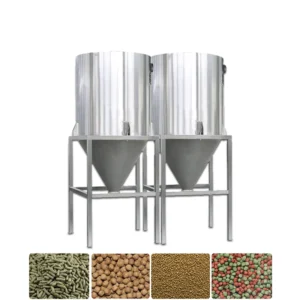
In Stock Pet Feed Production Line / Dog Cat Food Extrusion Machine
¥9,500.00 Select options This product has multiple variants. The options may be chosen on the product page -
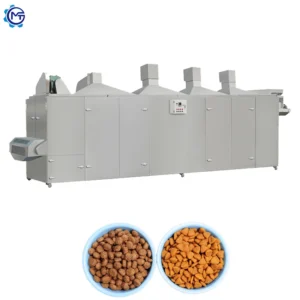
Premium Pet Food Processing Equipment Dog Cat Feed Making Machine
¥9,500.00 Select options This product has multiple variants. The options may be chosen on the product page -
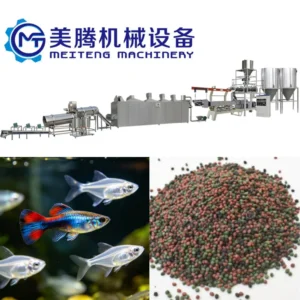
200-300kg/h Capacity Multi-Species Fish Feed Processing Line to Produce Fish Food
¥34,000.00 Select options This product has multiple variants. The options may be chosen on the product page