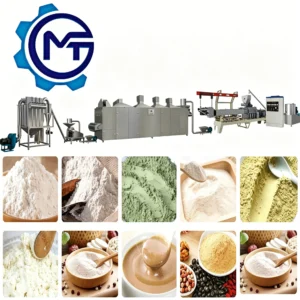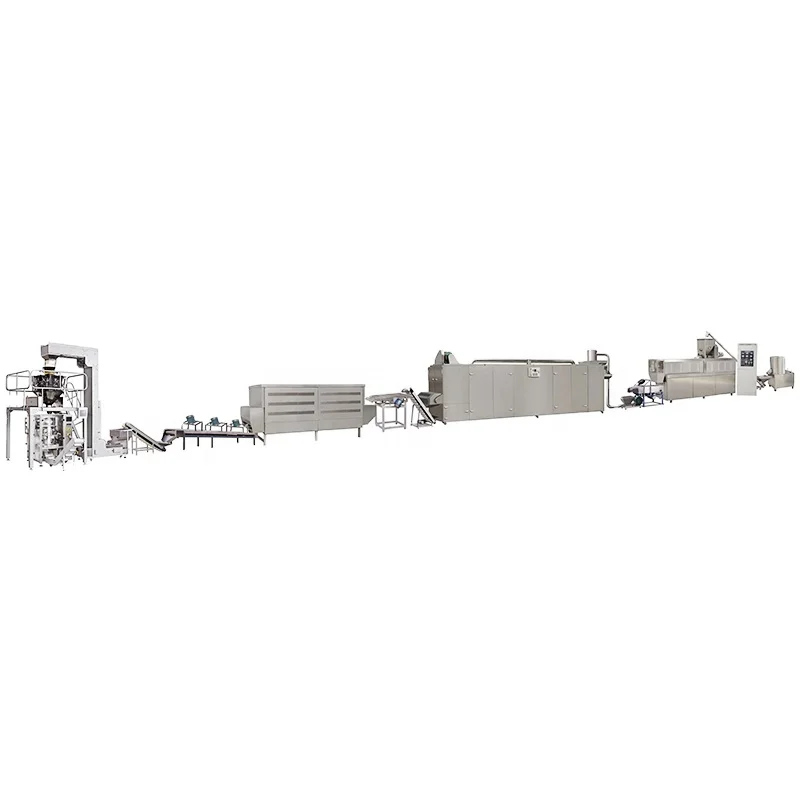
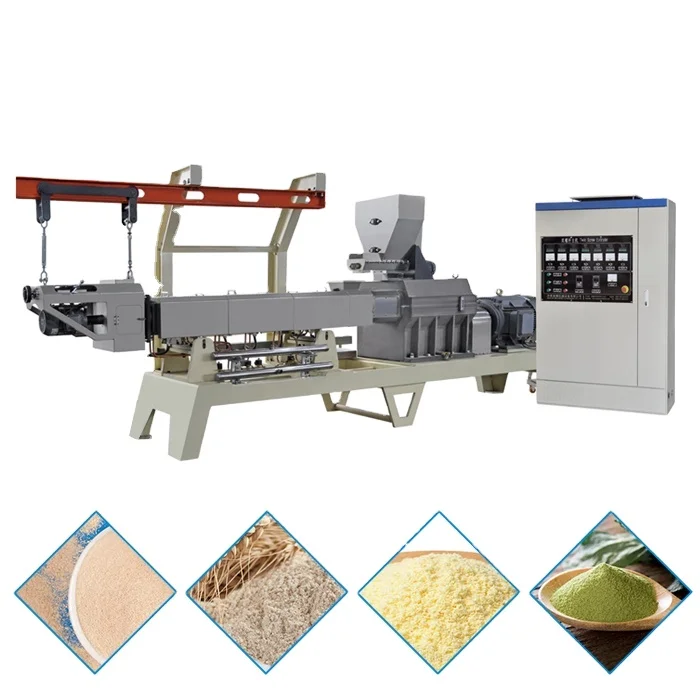
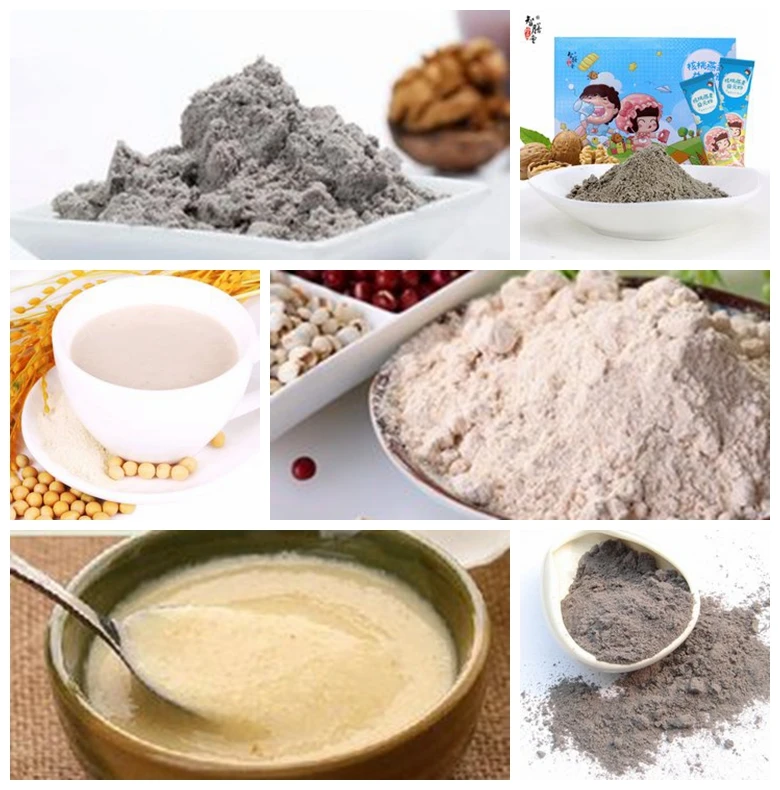
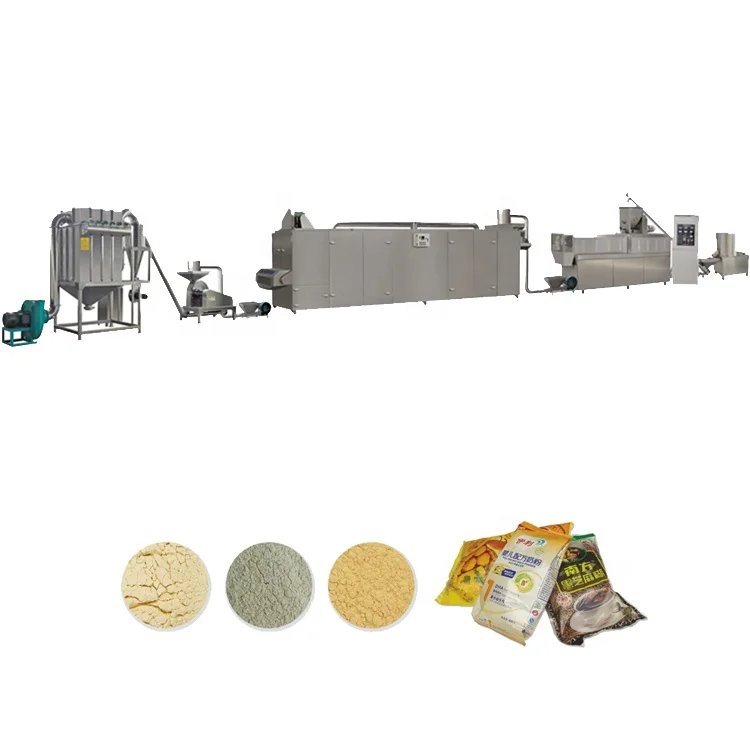
MT65, MT70, MT85 Nutritional Powder Processing Line, Twin-Screw Extrusion, Siemens Motor — designed for instant baby cereal and nutritional powder production with high-temperature, high-pressure extrusion that denatures starch within five seconds for improved digestibility. Frequency changer control and interchangeable die configurations support flexible product formats across output ranges. Complete turnkey line delivered with throughput matched at every station, in-house trial runs on your raw material before shipment, and electrical schematics confirmed to your local voltage and control language.
Description
Integrated throughput matching — every station from batching to packing is calculated against your actual formulation so the nutritional powder processing line turnkey holds its rated output in real production, not just on paper.
Technical Specifications
| Parameter | Value |
|---|---|
| Product Type | Nutritional Powder Processing Line |
| Models Available | MT65, MT70, MT85 |
| Screw Type | Twin-screw extrusion |
| Installed Power (MT65) | 66 kW |
| Real Power (MT65) | 50 kW |
| Installed Power (MT70) | 100 kW |
| Real Power (MT70) | 67 kW |
| Installed Power (MT85) | 130 kW |
| Real Power (MT85) | 80 kW |
| Extrusion Method | High-temperature and high-pressure, starch denaturation within five seconds |
| Control System | Frequency changer controlled |
| Motor Brand | Siemens |
| Construction Material | Stainless steel |
| Die Configuration | Interchangeable die head and model |
| Voltage & Frequency | Three phases 380V/50Hz, single phase 220V/50Hz, customizable to local voltage |
| Warranty | 12 months |
Application Suitability
| Application | Material or Output |
|---|---|
| Instant baby cereal powder | Rice, corn, oat and mixed grain formulations |
| Nutritional supplement powder | Soy, whey protein and vitamin-fortified blends |
| Meal replacement powder | Multi-grain and protein composite recipes |
| Infant food powder | Pre-gelatinised starch and micronutrient carriers |
| Modified starch processing | Raw grain denaturation and functional starch production |
What "Nominal Capacity" Leaves Out on a Nutritional Powder Line
A line rated at a certain throughput on standard rice flour may produce half that volume on your actual high-protein formulation.
When buyers evaluate a nutritional powder processing line turnkey, the capacity figure quoted is frequently based on a generic raw material that behaves predictably under heat and shear. Real infant cereal and meal replacement formulations carry substantial whey protein, fat, and micronutrient loads that alter viscosity, residence time, and expansion inside the barrel. Without a trial run on your exact recipe, there is no reliable way to confirm the line will meet the throughput your business plan depends on [NEED_CITE: starch gelatinisation behaviour under varying protein and fat ratios]. I have watched lines arrive at project sites in the Middle East, get bolted down, and then fail to reach half their nameplate output because the screw configuration and barrel temperature profile were set for a completely different material. The cost is not just lost production — it is weeks of reformulation and re-commissioning while the facility sits idle.
Line Layout and Station Throughput Matching
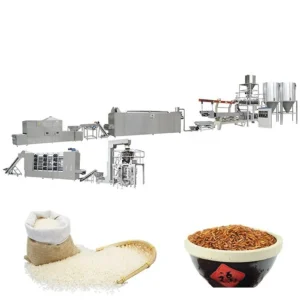
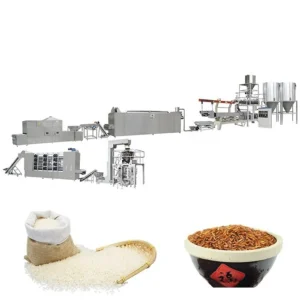
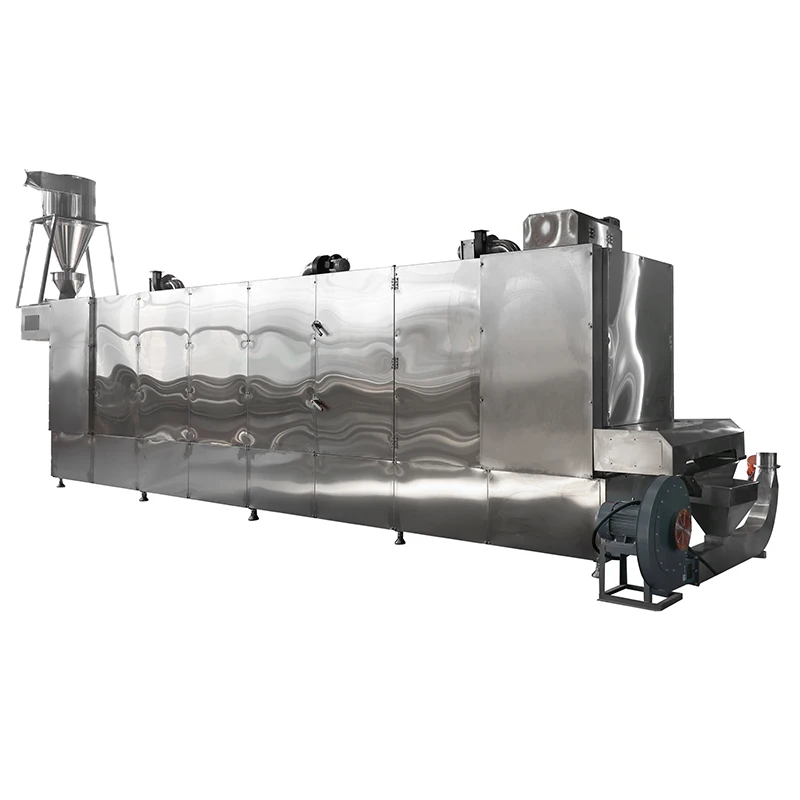
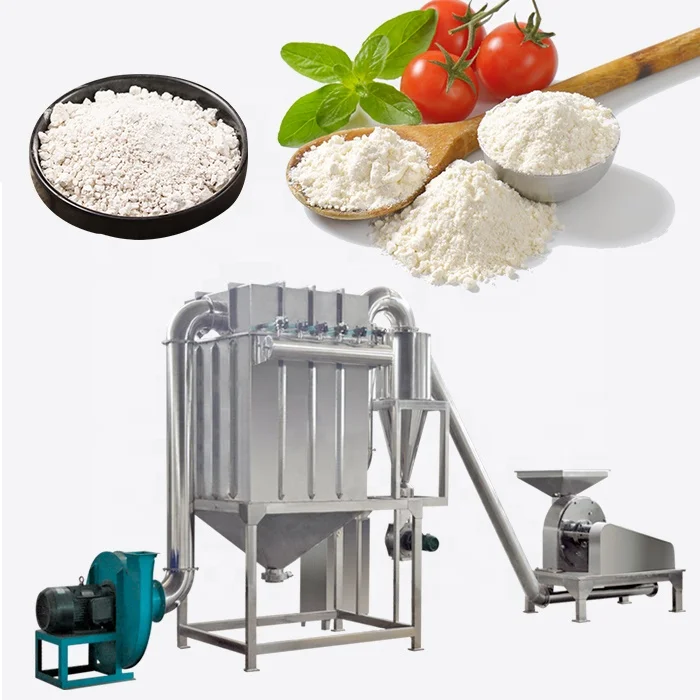
A turnkey nutritional powder project succeeds or fails on whether every station is sized to the same real throughput. The extruder may be capable of a given output, but if the dryer, milling stage, or packing station cannot keep pace, the entire line bottlenecks at the slowest link. Our layout calculations start with your formulation’s moisture profile and bulk density, then work backward from packing speed to extruder feed rate. This approach ensures the nutritional powder processing line turnkey runs as a continuous system rather than a collection of mismatched machines.
In-House Trial Runs Before the Line Ships
The testing workshop allows us to run your actual raw material through the extruder before the line is crated for dispatch. We document screw configuration, barrel temperature zones, moisture addition rate, and die selection against your target powder granularity and gelatinisation degree. If the formulation demands adjustments — a longer barrel section, a different screw pitch, or revised die geometry — those changes are made and validated at the factory [NEED_CITE: twin-screw extrusion parameter adjustment protocols for high-protein formulations]. The trial run report ships with the line, giving your commissioning team a proven baseline from day one.
Reading the Specs That Actually Matter
The twin-screw configuration is central to how this line handles the diverse raw materials found in infant food and nutritional powders. Twin-screw extrusion provides positive conveying action, which matters when formulations include sticky protein concentrates or fat-coated grain particles that would stall in a single-screw barrel. The high-temperature, high-pressure extrusion method denatures starch within five seconds, achieving the gelatinisation degree that instant powders require for rapid reconstitution in water. Real power consumption figures — 50 kW on the MT65, 67 kW on the MT70, and 80 kW on the MT85 — give a more honest basis for utility planning than installed motor ratings. The interchangeable die head lets operators switch between powder densities and particle structures without replacing major barrel components, supporting product range expansion without a new extruder purchase. Frequency changer control across the line gives operators direct speed adjustment at each station, which is essential when tuning throughput to match upstream batching cycles.
The Hidden Cost of Skipping Configuration Verification
When voltage, frequency, and control language are not confirmed before production, the line arrives at a site where it cannot start. Transformers must be sourced locally, control panels rewired, and HMI screens relabeled or replaced — all while installation crews stand by at daily rates [NEED_CITE: electrical commissioning delays caused by voltage mismatch in export machinery]. Equally costly is the scenario where screw and die configuration is copied from a generic build: the extruder produces powder with inconsistent granularity, forcing the milling station to recirculate material and the packing station to run below its rated speed. These are not minor adjustments. They consume the project buffer that was meant for operator training and market sampling.
Why Procure This Line From One Project Supplier
Sourcing the entire nutritional powder processing line turnkey from a single supplier means throughput is calculated across every station by the same engineering team, eliminating the blame-shifting that occurs when separate vendors supply extruders, dryers, and packers. The in-house testing workshop validates your formulation before shipment, so commissioning starts from a documented baseline rather than a guess. Screw and die configurations are recorded and matched to your specific target product density, not borrowed from a generic catalogue build. Electrical schematics and voltage are confirmed to your factory’s local grid before the control cabinets are wired, avoiding on-site rewiring delays. Pre-sales consultation carries through to on-site installation, commissioning, and operator training, with a wear parts list provided so your first screw or die replacement does not become an emergency sourcing exercise.
Documentation & Verification
- Line layout and capacity calculation showing matched throughput at every station
- Trial run report on your raw material formulation before dispatch
- Screw and die configuration record matched to your target powder density
- Electrical schematic with voltage and frequency matched to your local grid
- Operation and maintenance manual with wear parts replacement schedule
Installation, Commissioning & Support
- Foundation and floor loading plan sized to the MT85 overall dimensions of 30000 × 3500 × 4300 mm
- Dedicated power circuit planning based on confirmed local voltage and real power draw up to 80 kW
- Frequency changer parameter setting and calibration during first startup on your formulation
- On-site operator training covering screw configuration changes and die interchange procedures
- Wear parts list covering screws, dies, and barrel liners with recommended replacement intervals
Preparing Your Inquiry
To configure a line that matches your production target, share your raw material formulation including protein and fat percentages, your target daily output, and the floor space available in your facility. Confirm your local voltage, frequency, and preferred control language so electrical documentation is correct before manufacturing begins. If you have existing upstream mixing or downstream packing equipment, provide their throughput ratings so the nutritional powder processing line turnkey can be integrated without bottlenecks. Let us know whether you plan to send raw material samples for an in-house trial run before the line ships.
Frequently Asked Questions
Q: How is line capacity verified against my actual raw material before shipment?
A: We run your formulation through the extruder in our testing workshop, documenting screw configuration, barrel temperatures, moisture rate, and die selection. The trial run report confirms throughput and powder characteristics against your specification, and any required adjustments are completed before the line is packed for dispatch.
Q: What utility planning and installation schedule is included?
A: We provide a complete layout with power circuit requirements based on confirmed local voltage, floor loading data for foundation design, and a phased installation timeline. The schedule covers mechanical assembly, electrical connection, dry commissioning, and production trials with your raw material on site.
Q: How are extrusion, drying and packing stations matched?
A: Each station is sized from your formulation’s moisture profile and target bulk density. The dryer capacity is calculated to handle the extruder’s real output at the moisture level your powder requires, and the packing station speed is matched so no station bottlenecks the nutritional powder processing line turnkey.
Q: Is voltage and control language confirmed before production?
A: Yes. We confirm your factory’s local voltage, frequency, and preferred HMI language before the control cabinets are wired. Electrical schematics reflecting these specifications ship with the line, and the frequency changer parameters are preset to your confirmed utility supply.
Q: What does on-site commissioning and ongoing support include?
A: Our engineers supervise mechanical installation, run production trials on your raw material, and train operators on screw configuration changes, die interchange, and daily maintenance. A wear parts list with replacement intervals is provided so you can plan inventory before the first consumables are due.
Related products
-
High Productivity New Condition Nutritious Baby Food Meal Replacement Powder Production Line
¥30.00 Select options This product has multiple variants. The options may be chosen on the product page -

Automatic Iron Fortified Baby Rice Cereal Nutrition Powder Making Machine 500kg/h PLC Controlled
¥8,238.27 Add to cart -
CE cerelac Instant Baby Food Porridge Making Machine Production Line
¥35,000.00 Select options This product has multiple variants. The options may be chosen on the product page -
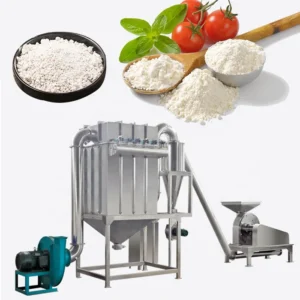
New Automatic Nutritional Powder Making Machine for Baby Food Production Line
¥20.00 Select options This product has multiple variants. The options may be chosen on the product page