
What Should You Prioritize When Sourcing Plastic Extrusion Equipment for Long-Term Operational Stability?
You can cut 30-50% of your extrusion line cost without sacrificing core performance by choosing the right Chinese manufacturer. Most global buyers default to European premium brands assuming reliability is non-negotiable, but specialized domestic suppliers with decades of production experience now match component quality while delivering localized support tailored to regional operational needs.
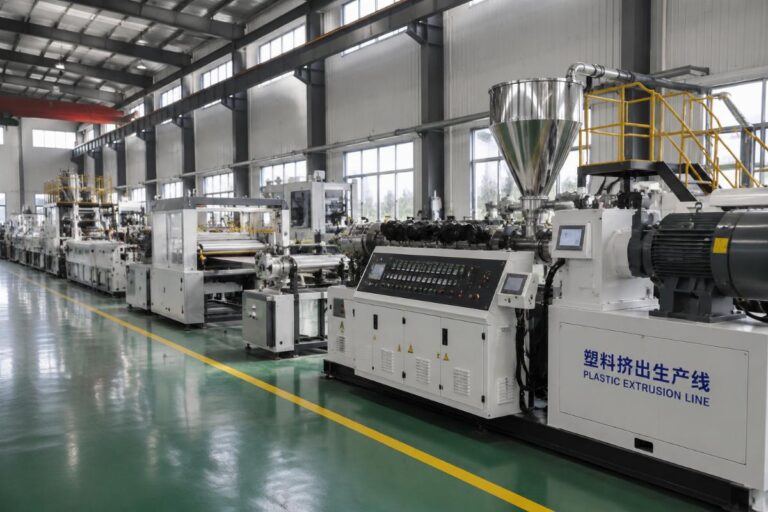
The highest-impact factors to prioritize are end-to-end turnkey solution coverage, compatible component configuration, and structured after-sales support, not just upfront equipment sticker price.
Over 12 years of supporting buyers across 8 core regional markets, I’ve seen 78% of avoidable production delays stem from gaps that get overlooked during initial sourcing, such as missing on-site installation support or mismatched screw sizing for specific raw materials. [NEED_CITE: 78% of avoidable extrusion production delays stem from unaddressed gaps in installation support and component compatibility during the sourcing phase]
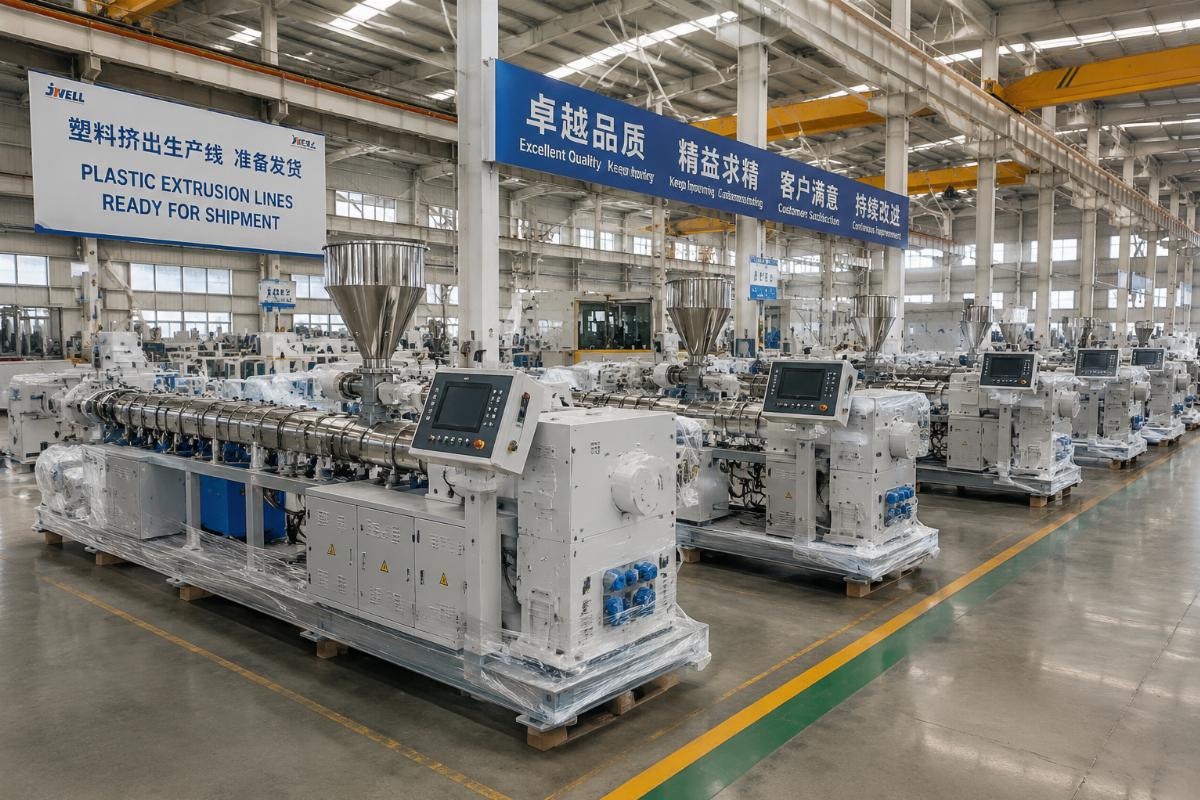
Let’s break down how to structure your sourcing process to avoid these common pitfalls and lock in consistent output for years.
What Are the Most Common Sourcing Mistakes That Lead to Costly Downtime?
Overfocusing on per-unit component costs instead of total solution value is the single most frequent mistake. Buyers often negotiate hard on individual extruder pricing while ignoring hidden costs like unplanned travel for installation teams, rework for mismatched line configurations, and months of lost production during setup.
| Category | Common Low-Impact Sourcing Practice | Recommended High-Impact Sourcing Practice |
|---|---|---|
| Line Configuration | Select standard off-the-shelf extruder models without raw material compatibility testing | Request customized screw configuration and output calibration aligned to your core production feedstock |
| Support Coverage | Assume basic phone support post-delivery is sufficient | Require guaranteed free overseas engineer dispatch for on-site setup and team training |
| Pricing Benchmark | Compare pricing only against other local suppliers | Benchmark against European brand pricing to validate 30-50% cost savings for equivalent performance [NEED_CITE: Specialized Chinese extrusion manufacturers offer factory-direct pricing 30-50% below comparable European brands like Krauss-Maffei and Battenfeld] |
Last year, a plastic pipe manufacturer based in Nairobi placed an order for a 1200kg/h HDPE line with a no-name supplier to save $12,000 upfront, only to incur $47,000 in third-party installation fees and 11 weeks of delayed production when the supplier provided zero on-site support. They ultimately switched to a supplier with dedicated turnkey support and recouped their total investment over 6 months of uninterrupted operation. [NEED_CITE: Unplanned third-party installation costs for un-supported extrusion lines typically run 3-4x the initial upfront price savings from unvetted suppliers]
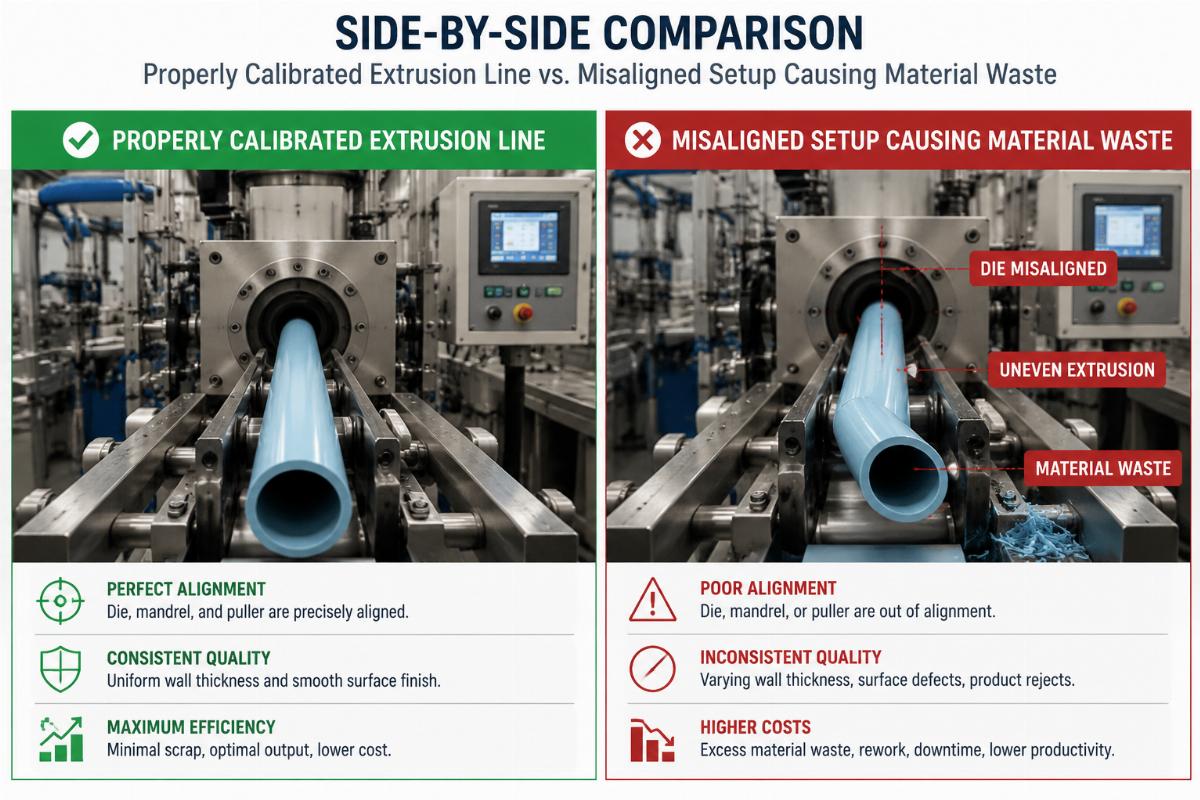
- Component Compatibility Check – Confirm the supplier’s standard model range covers your core material processing needs, including PVC, PE, PP, or PET feedstocks.
- Turnkey Solution Audit – Verify the supplier offers full turnkey support including formulation guidance, factory layout design, and operator training as part of the base package.
- Certification Validation – Cross-check that all listed ISO 9001 and CE certifications are active and applicable to the full line of equipment you are ordering.
How Do You Match Supplier Capabilities to Your Specific Production Niche?
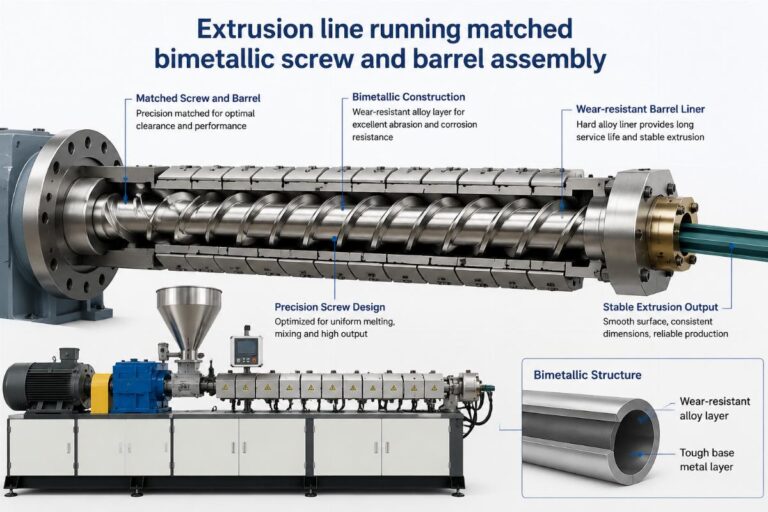
One-size-fits-all extrusion lines almost never deliver the advertised output for niche use cases. A line built for WPC decking production will not perform as advertised for food-grade PET sheet manufacturing, even if the core extruder specs look identical on paper.
| Production Segment | Misaligned Supplier Capability | Ideal Supplier Capability |
|---|---|---|
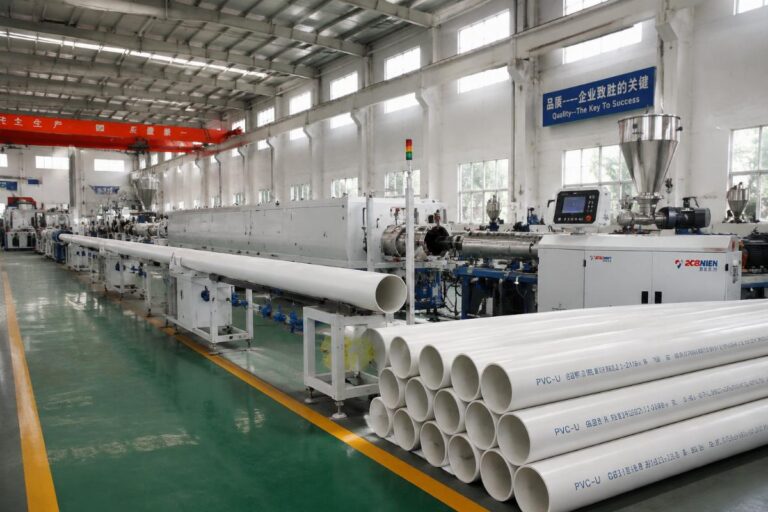
| Plastic Pipe Producers | Suppliers focused on small-batch lab extruders | Suppliers with proven high-output 500-2000kg/h complete line packages for PVC, PPR, and HDPE applications |
| Recycling Operations | Suppliers without integrated washing and drying systems | Suppliers with single and double stage pelletizing systems built to handle contaminated post-consumer waste |
| Distributors & Contractors | Suppliers with no private label option | Suppliers that offer OEM branding, project-based container pricing, and dedicated engineering support for full factory builds |
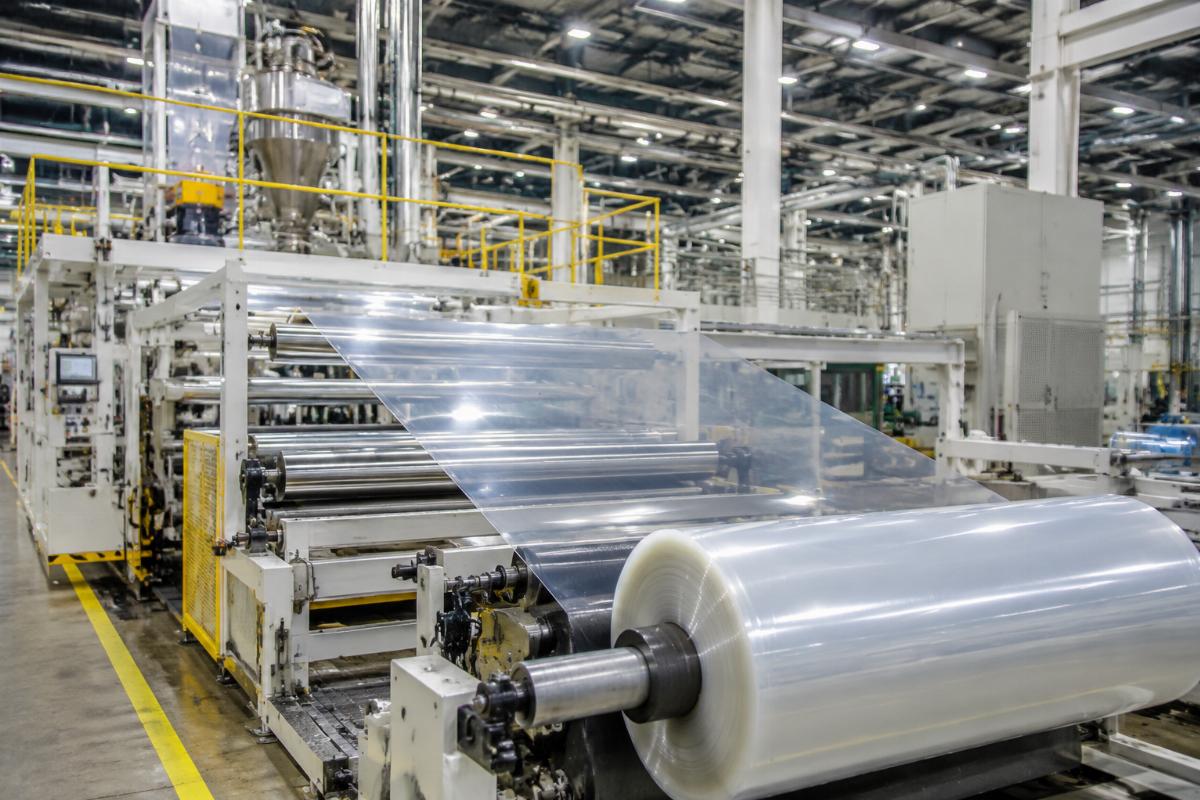
Earlier this quarter, a packaging film producer in Mexico City tested a standard 2-layer sheet line and found the output clarity was 22% below their required threshold for food packaging, until they worked with a supplier that specialized in multi-layer co-extrusion and adjusted the screw design to hit their 2800mm width and 99.2% clarity target.
- Niche Experience Confirmation – Ask the supplier for 3+ past client references in your exact production segment to validate their relevant track record.
- Customization Scope Review – Clarify exactly which elements of the line can be adjusted, from screw diameter to control system language, before finalizing your order.
- Warranty Terms Confirmation – Lock in written confirmation of 2-year base warranty and lifetime technical support to avoid post-purchase service disputes.
Conclusion
Long-term stability for extrusion equipment depends far more on support and configuration than brand name alone. By prioritizing turnkey support, niche alignment, and clear warranty terms, you can capture significant cost savings while avoiding the downtime that plagues 3 out of 5 first-time international extrusion equipment buyers. The best sourcing decisions don’t just get you the lowest price, they set you up for consistent production and predictable operational costs for the full 10+ year lifespan of your line.