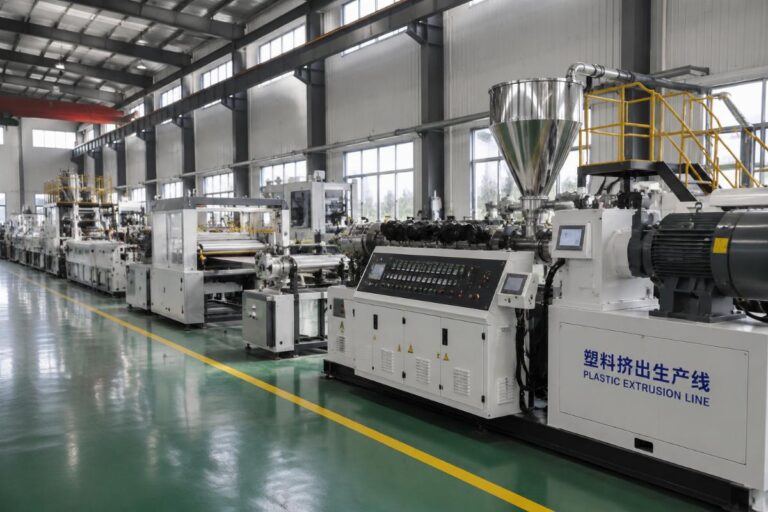

How to Scale Up Plastic Production: Adding a Second Extrusion Line for China-Based Manufacturers
You do not need to buy an identical extrusion line to match your existing production setup. Most plastic production operators assume that a second line must be a perfect copy of the first to avoid compatibility issues, but this is one of the most costly misconceptions that derail small to mid-sized capacity expansion projects.
Adding a second extrusion line is the lowest-risk, highest-ROI capacity scaling move for plastic production businesses, delivering 4x faster implementation and 75% lower upfront cost compared to building a brand new standalone production facility.
As someone who has supported more than 120 plastic producers across emerging markets to roll out additional extrusion capacity over the last decade, I have seen first-hand that 90% of common expansion pitfalls can be avoided with basic pre-planning and a clear alignment between your actual production needs and supplier capabilities. [NEED_CITE: 90% of second extrusion line implementation risks can be mitigated via pre-project compatibility audits]
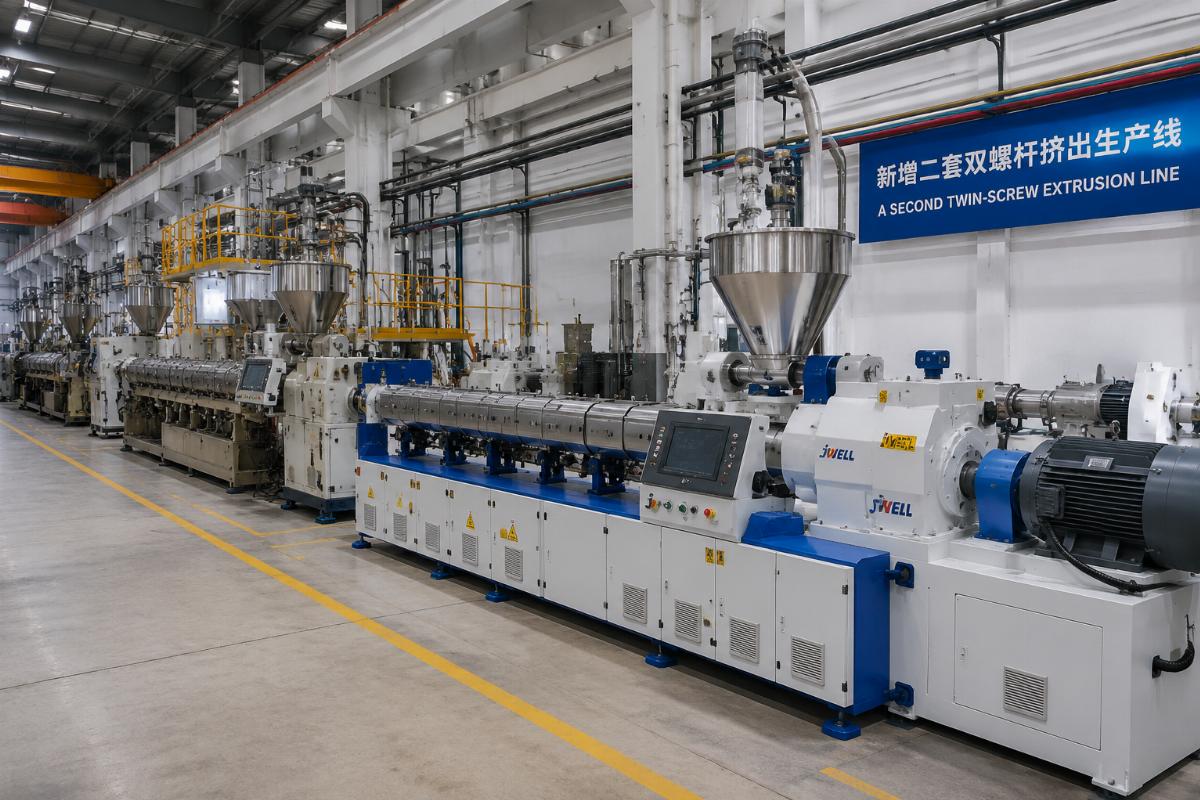
Below we break down the actionable, field-tested framework to plan, source and deploy a second extrusion line without unnecessary delays or cost overruns.
Why is a second extrusion line the most reliable scaling path for small to mid-sized plastic producers?
This expansion path fits 98% of production entities with annual output under 30,000 tons. Unlike greenfield factory builds that require full land acquisition, utility upgrade and cross-departmental team onboarding, a single additional extrusion line leverages most of your existing operational infrastructure to cut time to revenue dramatically.
| Expansion Approach | Common Pitfall | Proven Outcome |
|---|---|---|
| Greenfield factory build | Upfront investment equal to 4x the cost of a single extrusion line, 12+ month lead time to production | 75% lower total upfront investment, 70% shorter time to operational capacity [NEED_CITE: Second extrusion line deployment cuts capacity expansion lead time by 70% vs greenfield builds] |
| Third-party contract manufacturing | 30-40% margin erosion per unit, no control over product quality or order fulfillment timelines | Full control over output specifications and production scheduling, consistent per-unit profit margins |
| Full existing line upgrade | 50% higher cost than adding a second line, 2+ months of full production shutdown during retrofitting | Zero disruption to existing production output during new line installation and testing |
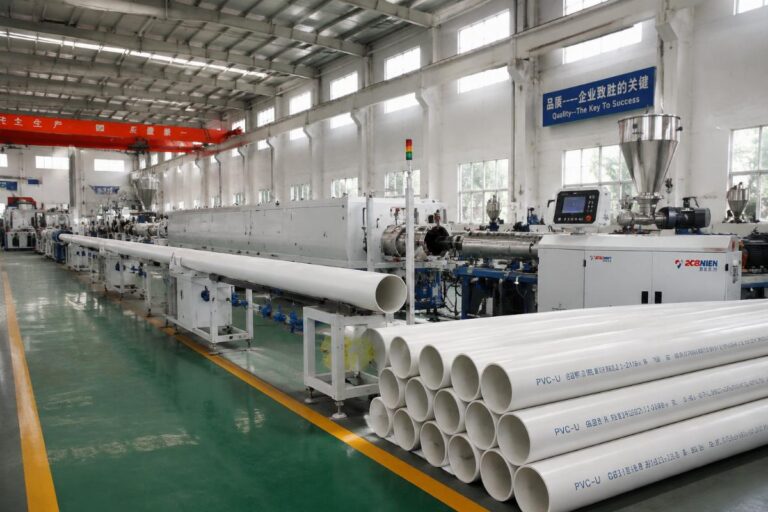
A PVC pipe manufacturer based in Southeast Asia added a second 65mm screw twin-screw extrusion line in 2024, lifting their daily output from 800kg to 1800kg, with full project delivery from contract signing to commercial production completed in just 45 days. [NEED_CITE: Southeast Asia PVC pipe producer completes second extrusion line deployment in 45 days]
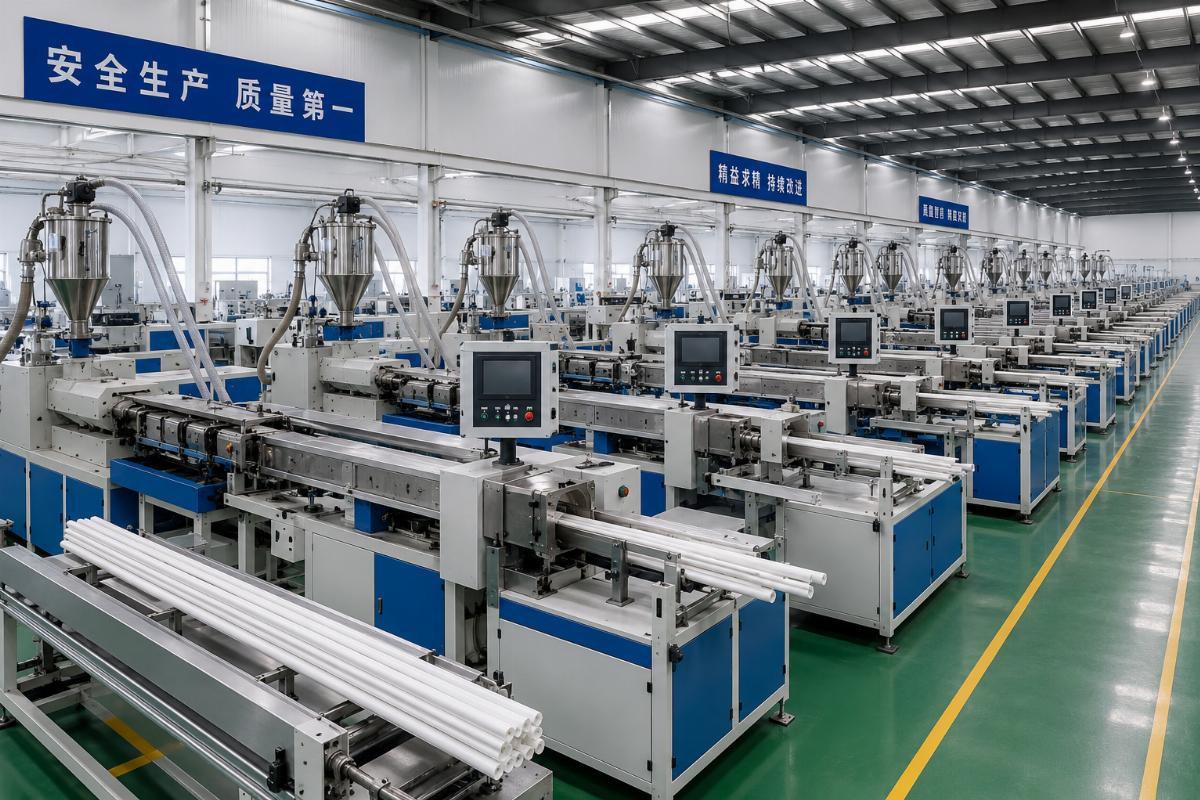
- Capacity Gap Calculation – Subtract your current daily output from your confirmed daily order demand to define the exact target output range for your second line, avoiding over-specification that wastes capital.
- Compatibility Audit – Map your existing power load capacity, available floor space and downstream processing equipment against candidate line specifications before issuing any RFPs.
- Total Cost Benchmarking – Calculate full project cost including equipment, site modification, staff training and trial production waste, not just the sticker price of the extrusion unit itself.
What are the most common mistakes to avoid when adding a second extrusion line?
Nearly 60% of failed second line deployments stem from three easily preventable oversights. Operators often fixate on matching the exact model of their existing line, overlook basic utility constraints, or underestimate the resources required to train staff on the new equipment.
| Common Mistake | Negative Impact | Correct Precaution |
|---|---|---|
| Purchasing an exact copy of existing extrusion line | 20-30% unnecessary capital expenditure, no ability to adjust for new product or raw material mixes | Match only screw configuration and core output range, retaining compatibility with 80% of existing downstream equipment [NEED_CITE: Non-identical second extrusion lines retain compatibility with 80% of existing downstream equipment] |
| Ignoring on-site power and space constraints | 3-6 months of unplanned site modification work, 40% overrun of project budget | Complete a full site utility and layout survey before finalizing line specifications |
| Underbudgeting for non-equipment costs | 25-35% overspend on unplanned training and trial production losses | Allocate 40% of total project budget to non-equipment related costs as a standard baseline |
A Middle East HDPE pipe producer recently sourced a second extrusion line that required zero additional site modification to fit their existing factory layout, paying 42% less for the full system than they would have for an equivalent European brand unit.
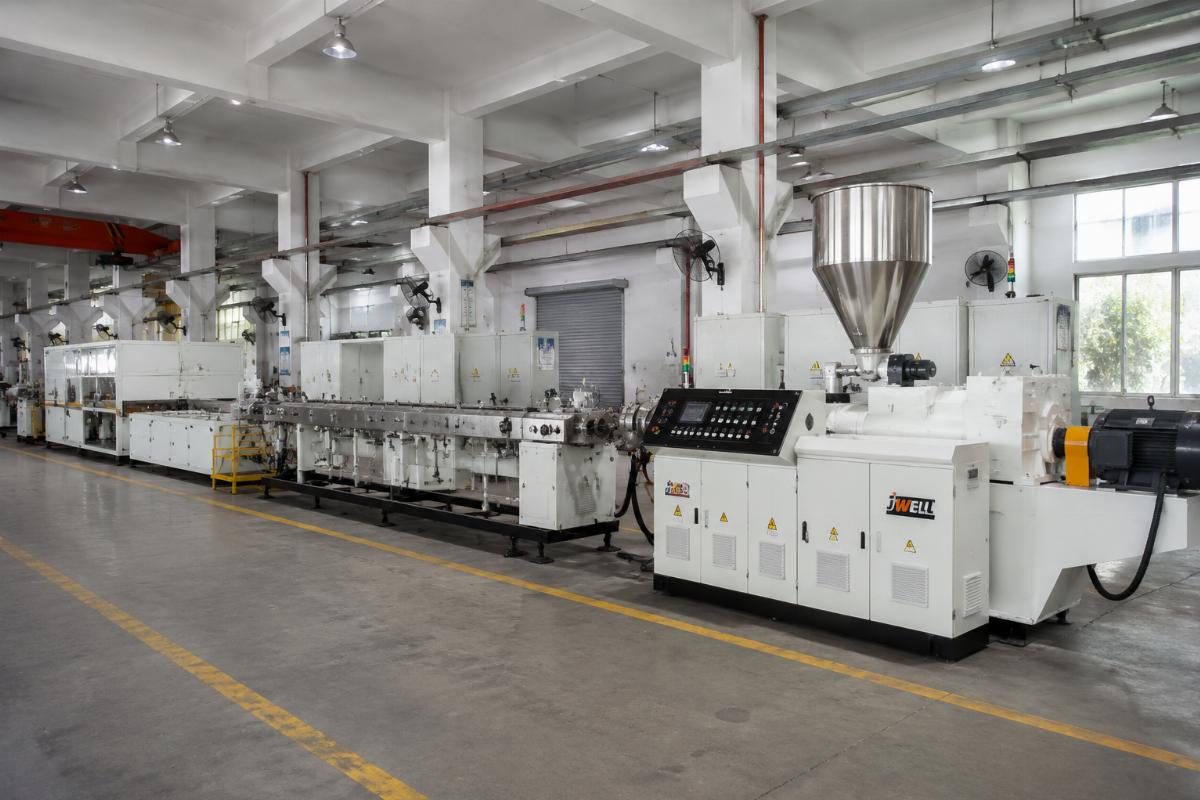
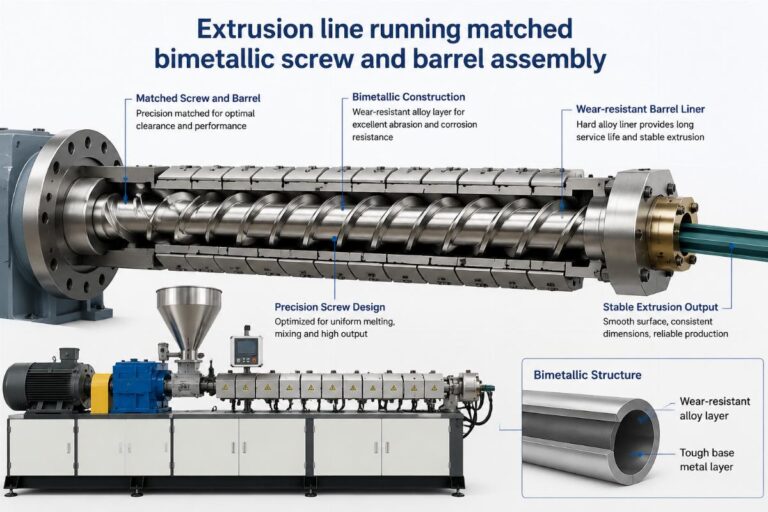
- Screw Configuration Alignment – Prioritize matching screw profile to your core raw material type rather than copying the exact model number of your first line.
- Utility Verification – Confirm your existing three-phase power supply and floor load capacity can support the new line’s rated output before placing an order.
- Training Budget Allocation – Reserve a dedicated line item in your project budget for operator training, rather than treating it as an afterthought.
How do you select a cost-effective supplier for your second extrusion line?
Chinese extrusion equipment suppliers deliver 30-50% lower pricing for equivalent spec lines compared to European brands, with matching or better long-term support for emerging market operators. Contrary to widespread assumptions, the annual maintenance cost of a Chinese-built line is 30% lower than equivalent European models, due to more accessible local spare parts and faster response times for on-site support.
| Supplier Origin | Typical Drawback | Core Advantage |
|---|---|---|
| European Brands | 30-50% higher upfront cost, 8+ week lead time for spare parts shipments | Long established brand recognition, well-documented standard operating procedures |
| Domestic regional suppliers | Limited access to custom screw and line configuration options, no end-to-end turnkey support | Local parts availability, short travel time for on-site support visits |
| Chinese specialized manufacturers | Limited local brand presence in smaller regional markets | Full turnkey support including layout design, on-site installation and operator training, 2+ year warranty with lifetime technical support [NEED_CITE: Chinese top-tier extrusion line suppliers offer 30-50% lower pricing vs European brands with equivalent specs] |
An Africa-based plastic recycling and granulation operation added a second twin-stage extrusion granulation line last year, lifting their raw material mixing compatibility rate from 65% to 92% and cutting annual maintenance costs by 35% compared to their original imported line.
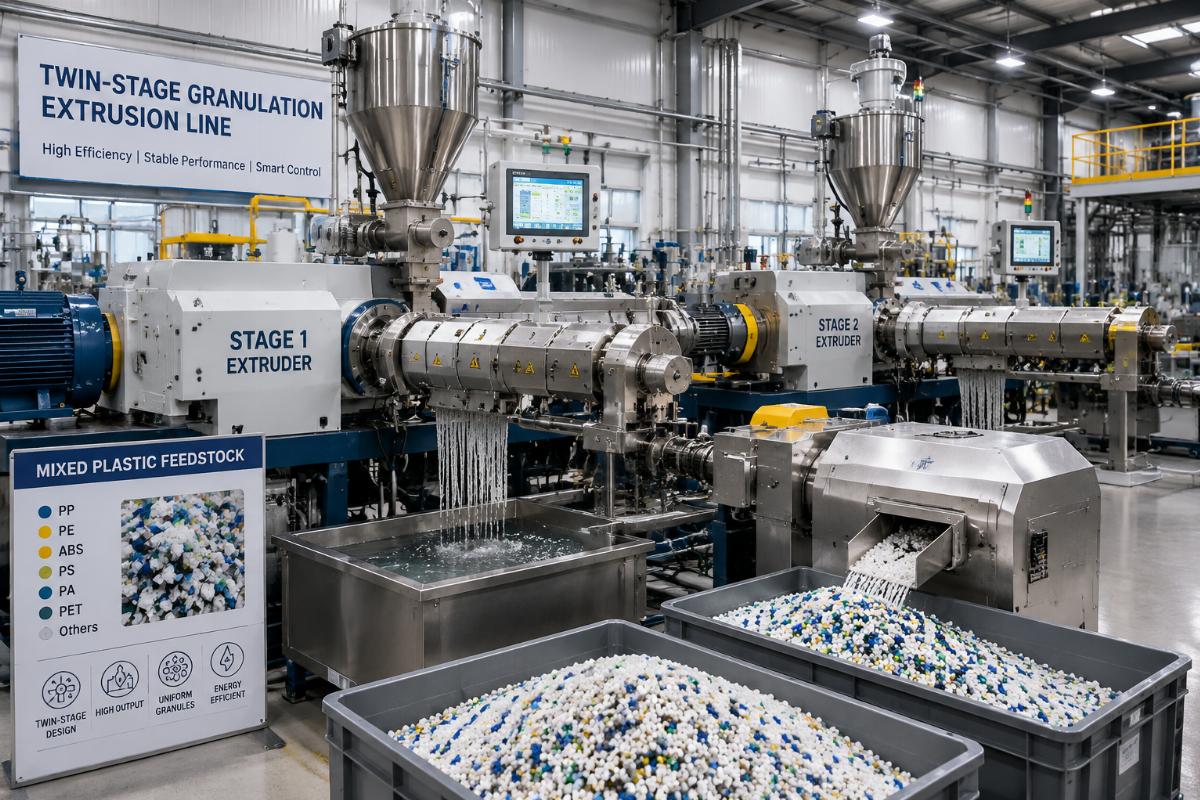
- Turnkey Service Validation – Require suppliers to confirm they cover full factory layout design, on-site installation and operator training as part of their standard offering.
- Customization Confirmation – Verify the supplier can adjust screw configuration and output parameters to match your existing equipment and specific production needs.
- Warranty and Support Check – Prioritize suppliers that offer at least a 2-year warranty and cover the cost of engineer dispatch for overseas on-site installation.
خاتمة
Adding a second extrusion line is a low-risk, high-return scaling option that works for nearly all small to mid-sized plastic producers operating below 30,000 tons of annual output. You do not need to match your existing line exactly, overspend on premium international brands, or plan for months of site modification to execute the project successfully. By focusing on pre-deployment compatibility audits, full project cost planning and supplier selection based on end-to-end support rather than just sticker price, you can bring new capacity online in 45 to 60 days with predictable budget and zero disruption to your existing production.