
How to Negotiate Prices with Chinese Extrusion Suppliers
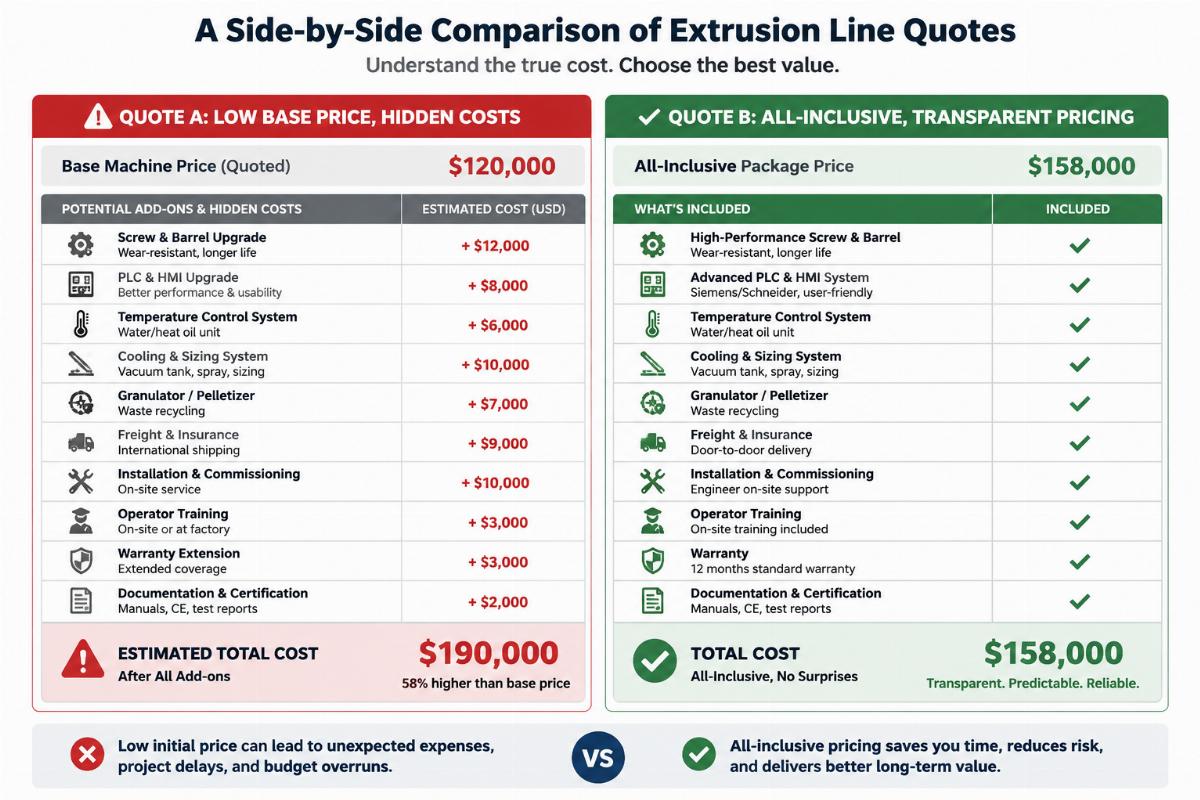
Chasing the lowest upfront bid will cost you 20-40% more over your extrusion line’s lifecycle. Most global buyers entering negotiations with Chinese extrusion suppliers default to demanding the steepest possible discount first, assuming that the lowest quoted number equals the best deal, but this common approach consistently leads to hidden fees, cut-corner components, and unplanned post-purchase support costs that erode long-term value.
The highest long-term value for your extrusion equipment investment comes from prioritizing transparent cost breakdowns, turnkey support included in your base quote, and flexible order terms rather than fixating on maximum percentage discounts.
Having supported over 200 buyers across Southeast Asia, Africa, Latin America, and Europe through their extrusion line procurement processes, I have seen first-hand that suppliers are far more willing to allocate concessions to order structure than to arbitrary price demands. [NEED_CITE: Chinese extrusion suppliers build base quotes around raw material and core component costs, leaving the most negotiation room for non-core add-on services and order flexibility]
Let’s break down the most common negotiation mistakes, proven leverage points, and actionable steps to lock in fair pricing without sacrificing equipment quality.
What Are the Costliest Negotiation Mistakes Buyers Make?
Focusing only on unit price leads to unplanned post-purchase expenses. The majority of new buyers entering the negotiation process skip over clauses for component quality, warranty coverage, and support services, assuming these are standard across all quotes, but low initial bids almost always omit these critical line items.
| Negotiation Factor | Common Ineffective Practice | |
|---|---|---|
| Pricing Focus | Demanding the highest possible percentage discount upfront | Verifying full cost breakdowns including all post-purchase support fees |
| Component Requirements | Accepting generic “standard parts” with no brand specifications | Locking in named brand control systems and certification requirements in the base quote |
| Support Terms | Assuming on-site installation and training are included by default | Confirming all after-sales services are explicitly listed in the final price |
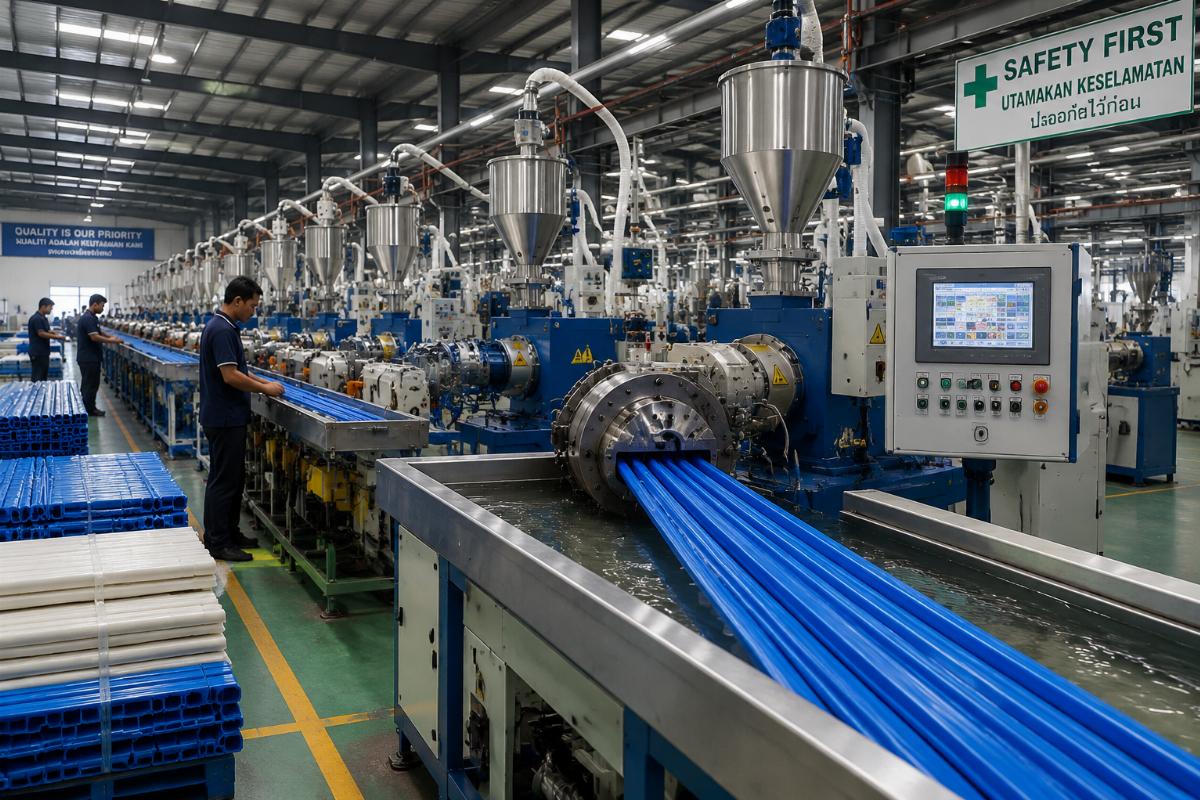
A PVC pipe producer based in Thailand recently negotiated a 18% total price cut for a 1200kg/h complete production line by bundling two sets of auxiliary equipment into the same order, and secured two years of free after-sales support with no additional charge. [NEED_CITE: Bundling auxiliary equipment orders is a proven leverage point for meaningful price cuts with Chinese extrusion suppliers]
- Price Breakdown Request – Ask suppliers to itemize every line item in the quote, including spare parts pricing, shipping fees, and after-sales support costs, before discussing any discounts.
- Component Lock Clause – Write explicit requirements for Siemens PLC control systems and CE-certified core components into your initial negotiation draft to avoid substitutions later.
- Support Verification – Cross-check every listed service against the hidden cost checklist to ensure no critical post-purchase services are omitted from the initial bid.
What Negotiation Levers Actually Deliver Meaningful Savings?
Generic demands for lower prices rarely move the needle, but structured order flexibility unlocks 15-35% cost advantages. Chinese extrusion suppliers have fixed cost floors for core materials and components, so they cannot offer deep discounts without cutting corners, but they can allocate significant concessions for adjustments to order terms that reduce their own operational overhead.
| Leverage Type | Low-Impact Approach | High-Impact Approach |
|---|---|---|
| Order Structure | Negotiating only for single complete line orders | Bundling multiple line or auxiliary equipment orders into a single contract |
| Delivery Timeline | Demanding the fastest possible delivery window | Accepting a 30-60 day extended delivery window to align with supplier production schedules |
| Long-Term Commitment | No pre-agreed terms for future purchases | Locking in a fixed price for upcoming orders 3-6 months in advance to avoid raw material volatility |
A regional extrusion distributor operating across the EU secured a 32% total cost advantage over European brand quotes for three sets of twin-screw extruder lines by agreeing to a 30% deposit structure and a 60-day extended delivery window, with no reduction to component quality or included support services. [NEED_CITE: 20+ year old Chinese extrusion manufacturers with 40,000+ sqm facilities can offer 30-50% lower pricing than European brands without sacrificing build quality]
- Order Bundling – Combine auxiliary equipment, spare part stock, or multiple production line orders into a single contract to qualify for bulk order concessions.
- Delivery Flexibility – Offer to adjust your required delivery window by up to 60 days to match the supplier’s existing production queue, in exchange for a direct price reduction.
- Price Lock Agreement – Lock in a fixed quote 3-6 months ahead of your required delivery date to avoid raw material price surges that add 10-15% to final costs.
How to Lock in Favorable Terms Without Sacrificing Quality?
Prioritizing in-stock standard configurations lets you secure better pricing while enforcing non-negotiable quality clauses. You do not have to choose between lower pricing and reliable equipment: the optimal negotiation structure lets you secure concessions on flexible terms while holding firm on requirements that directly impact your production line’s long-term performance.
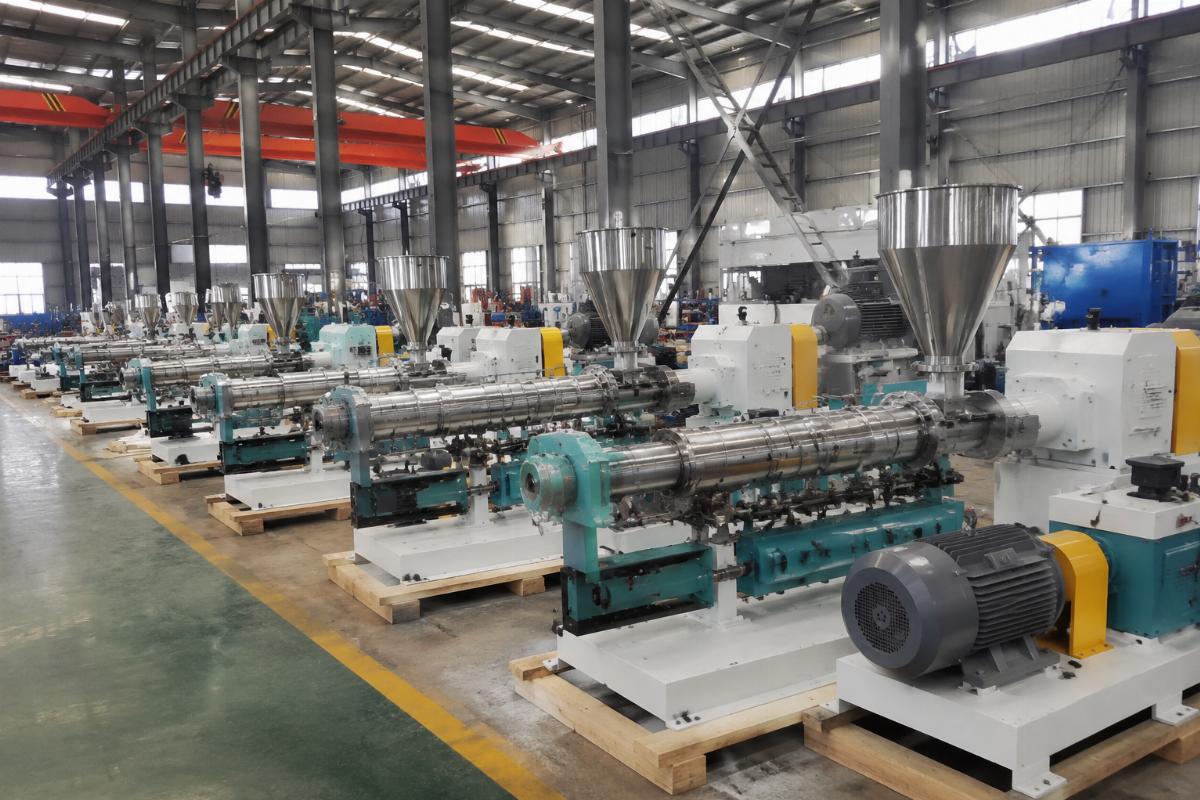
A Chinese manufacturer with over 20 years of extrusion equipment production experience and a 40,000+ square meter facility can offer 30-50% lower pricing than leading European brands, with free overseas on-site installation and a 2-year warranty included as standard in all all-inclusive quotes, with no hidden add-on fees for core support services.
| Quality Guardrail | Common Compromise | Non-Negotiable Term |
|---|---|---|
| Component Standards | Accepting unbranded control systems to lower pricing | Requiring standard Siemens PLC and Delta VFD systems with multi-language interfaces |
| Certification | Waiving certification requirements for a lower bid | Confirming all equipment meets ISO 9001 and CE certification standards for industrial machinery |
| Warranty Coverage | Accepting a 6-month limited warranty to reduce costs | Locking in a minimum 2-year warranty and lifetime technical support in your contract |
An HDPE pipe manufacturer based in Nigeria locked in a fixed price for a 1500kg/h turnkey line 6 months in advance, avoiding a 12% raw material price surge that raised final costs for all other buyers placing orders in the same period, while retaining full requirements for CE-certified components and included on-site installation support. [NEED_CITE: Large-scale extrusion suppliers often include free on-site installation at no extra charge to reduce post-purchase support disputes]
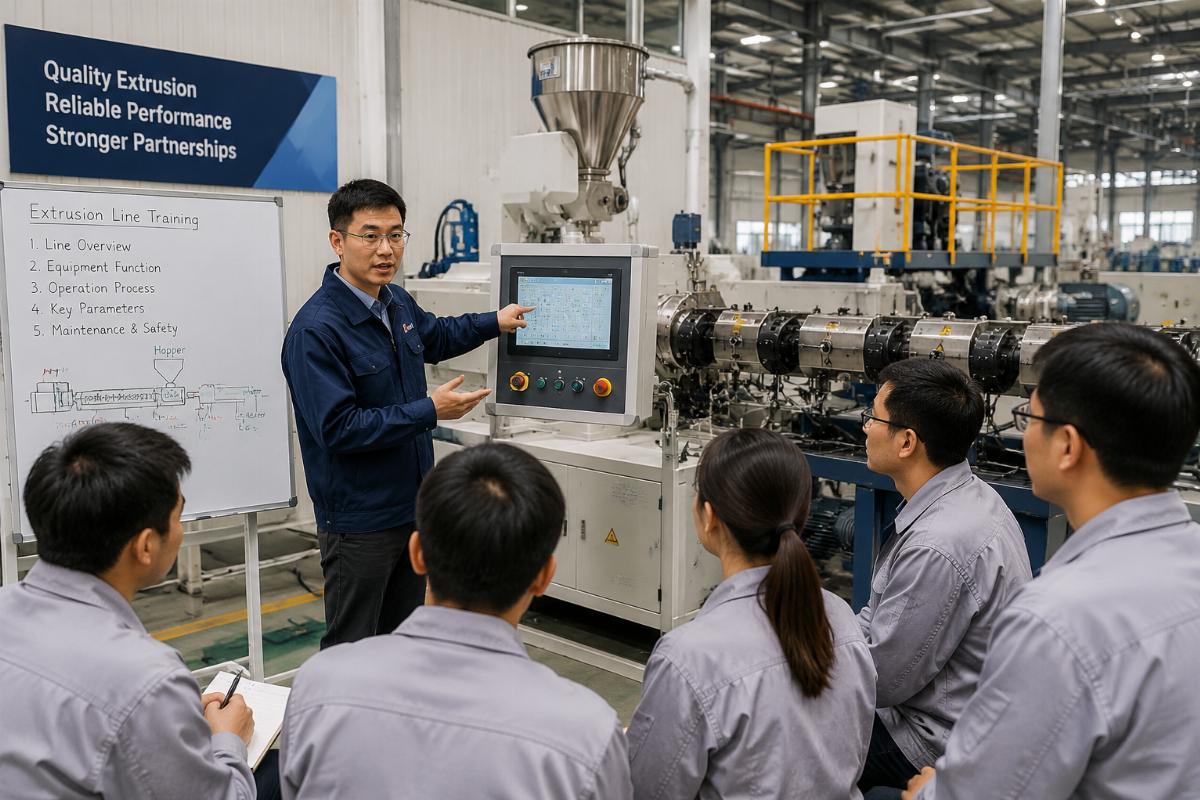
- Standard Configuration Selection – Choose in-stock standard line configurations to qualify for pre-set discounted pricing, instead of requesting custom modifications that add unnecessary costs.
- Non-Negotiable Clause Drafting – Write all quality and certification requirements directly into your contract before discussing price reductions, to eliminate any risk of post-agreement substitutions.
- All-Inclusive Quote Confirmation – Require suppliers to explicitly confirm that on-site installation, operator training, and warranty coverage are all included in the listed final price.
خاتمة
The best negotiation outcomes come from trading flexible order terms for transparent, all-inclusive pricing, not demanding the lowest possible number. You can avoid the 20-40% total cost of ownership premium that comes with low-ball quotes by focusing on cost breakdowns and support inclusion rather than arbitrary discount demands. Structured leverage points like bundled orders and extended delivery windows unlock meaningful savings without forcing suppliers to cut corners on core components, and locking in fixed price terms ahead of time protects you from volatile raw material costs. Following this structured approach lets you confidently compare quotes and finalize supplier contracts that deliver consistent long-term value for your production line investment.