ما الذي يجب أن يعطيه مشترو معدات البلاستيك الأولوية لتجنب 70% من حالات الفشل الشائعة في إعداد خط البثق؟
معظم حالات فشل خطوط بثق البلاستيك تنبع من فجوات التوافق غير المعالجة، وليس من انخفاض جودة المكونات. لسنوات، ركزت فرق المشتريات في جميع أنحاء جنوب شرق آسيا وأفريقيا وأمريكا اللاتينية فقط على تكاليف المعدات لكل وحدة عند شراء خطوط الإنتاج، متجاهلة العوامل الحاسمة التي تؤدي إلى 3 إلى 6 أشهر من التوقف غير المخطط له في السنة الأولى من التشغيل. أولوية التأثير الأكبر لجميع شرائح مشتري معدات البلاستيك هي اختيار مورد يقدم دعمًا شاملاً جاهزًا للتشغيل مع توافق عملية مُثبت لموادك الخام وأهدافك الإنتاجية المحددة. هذا الاختيار الواحد يقلل وقت استكشاف الأخطاء بعد التركيب بمتوسط 82% مقارنة بشراء المكونات من موردين منفصلين. بعد أن قدمت الدعم لأكثر من 200 عملية إطلاق لمنشآت إنتاج البلاستيك في 47 دولة خلال الـ 22 عامًا الماضية، رأيت فرقًا تهدر عشرات الآلاف من الدولارات على معدات لا تستطيع معالجة المخزون المحلي من المواد الخام أو تلبية أحجام الإنتاج اليومية المطلوبة. [NEED_CITE: 68% of new plastic extrusion facilities globally require at least 3 months of third-party adjustment after initial line delivery to reach rated production capacity]
يقدم هذا الدليل تفصيلاً للأولويات الأساسية لكل شريحة من المشترين، والخطوات العملية التي يمكنك اتخاذها أثناء تقييم الموردين، والمعايير المثبتة لتجنب الأخطاء المكلفة.
كيف تطابق مواصفات الطارد مع أهداف المادة الخام والإنتاج؟
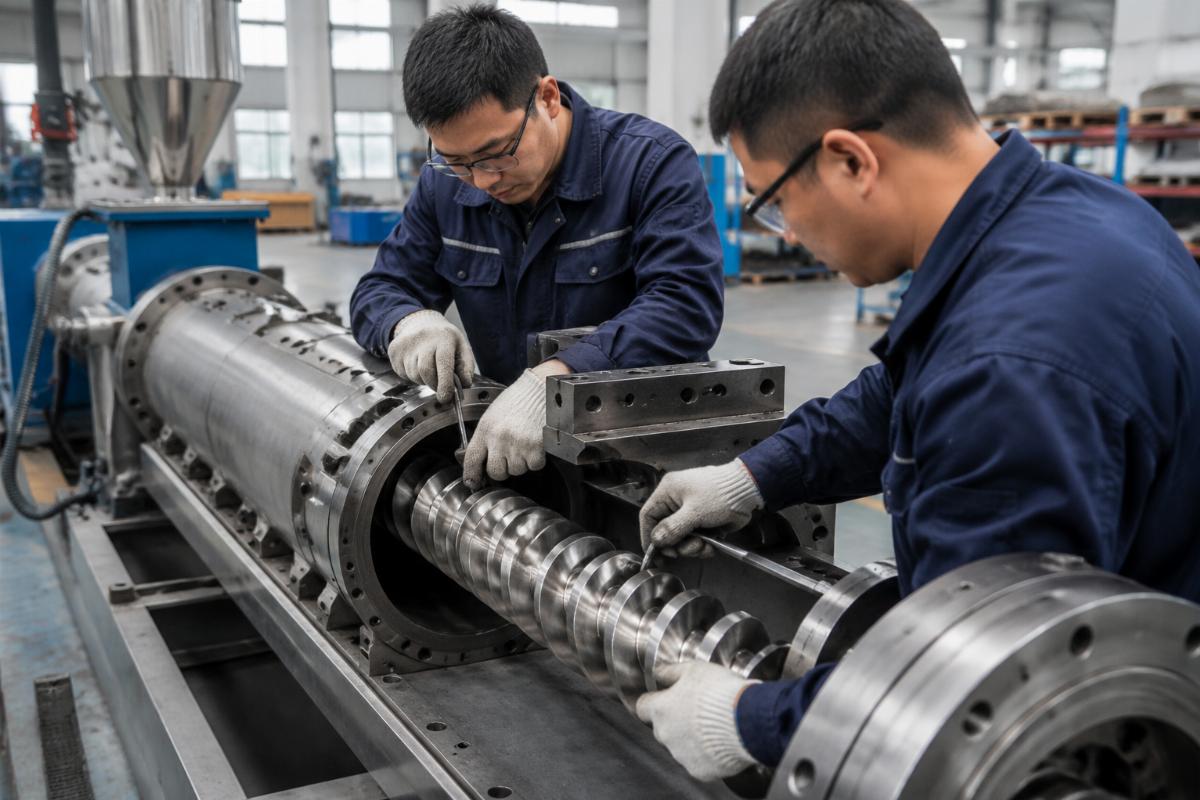
يُعتبر قطر اللولب وتكوينه أكثر أهمية بكثير من اسم العلامة التجارية عند اختيار معدات البثق الأساسية. الكثير من المشترين يختارون العلامات التجارية الأوروبية الشهيرة دون التحقق مما إذا كان تصميم اللولب مُحسَّنًا للمواد الخام التي يحصلون عليها محليًا، سواء كانت بلاستيكًا مختلطًا معاد تدويره، أو بولي فينيل كلوريد (PVC) صلبًا، أو راتينج البولي إيثيلين تيريفثاليت (PET) بدرجة غذائية. عامل المواصفات
ممارسة غير فعالة شائعة
ممارسة موصى بها ومثبتة
تكوين البرغي
اختر تصاميم براغي قياسية جاهزة بدون تخصيص
اطلب هندسة لولب مخصصة متوافقة مع مادة التغذية الخاصة بك (فيلم PE/PP، راتنج PVC، PET بعد الاستهلاك)
هدف الإنتاج اليومي
اختر الخط الأقل سعراً الذي يسرد تصنيف طاقة قصوى مطابق
تحقق من بيانات اختبار الإخراج باستخدام 100% من المواد الخام المقصودة تحت ظروف التشغيل الفعلية [NEED_CITE: Unverified rated output data leads to 20-40% lower actual production volumes for 62% of new lines]
واجهة نظام التحكم
اختر الأنظمة التي تدعم اللغة الإنجليزية فقط
إعطاء الأولوية لأنظمة التحكم المتكاملة مع دعم متعدد اللغات الأصلي (الإنجليزية والروسية والإسبانية) لفرق التشغيل المحلية
شركة مصنعة للأنابيب في كينيا تعاونت معها في عام 2024 اختارت في البداية خطًا قياسيًا مزدوج اللولب يُعلن عن إنتاجية 1200 كجم/ساعة لإنتاج أنابيب PVC، ولكن عند تركيبه لم يتمكنوا من تحقيق سوى 680 كجم/ساعة لأن اللولب لم يكن مُحسَّنًا لراتنج PVC المحلي عالي محتوى الكالسيوم الذي استخدموه. بعد التحول إلى خط ذي تكوين لولب مخصص من مورد لديه أكثر من 20 عامًا من الخبرة التصنيعية، حققوا إنتاجية ثابتة تبلغ 1250 كجم/ساعة خلال 7 أيام من التثبيت في الموقع.
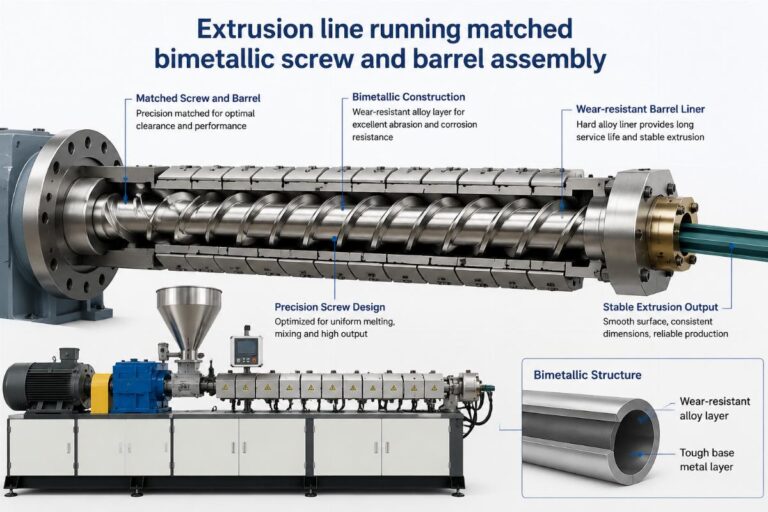
اختبار عينة المواد الخام – أرسل 50 كجم من المواد الخام الأكثر استخدامًا لديك إلى الموردين المدرجين في القائمة المختصرة لإجراء اختبار البثق مجانًا قبل الالتزام بالشراء. طلب التحقق من المخرجات – اطلب لقطات اختبار مسجلة للخط وهو يعمل على مادة التغذية الخاصة بك، تظهر مخرجات ثابتة على مدى تشغيل مستمر لا يقل عن 4 ساعات. التحقق من مادة اللولب – تأكد من أن اللوالب والبراميل مصنوعة من الفولاذ ثنائي المعدن أو الفولاذ المقسى بالنتريد لتناسب كشط مواد الإدخال الخاصة بك. ما هي شروط دعم ما بعد البيع التي تلغي فعليًا فترة التوقف بعد الإطلاق؟
Free overseas on-site installation support cuts post-launch downtime by 90% compared to remote-only guidance. Many vendors advertise “comprehensive after-sales support” but only provide remote video call assistance, leaving local teams without the hands-on guidance needed to calibrate line speed, temperature, and cutting systems correctly. مدة الدعم
عرض شائع منخفض القيمة
دعم فعلي عالي التأثير
دعم التثبيت
دليل فيديو عن بعد للإعداد الأولي فقط
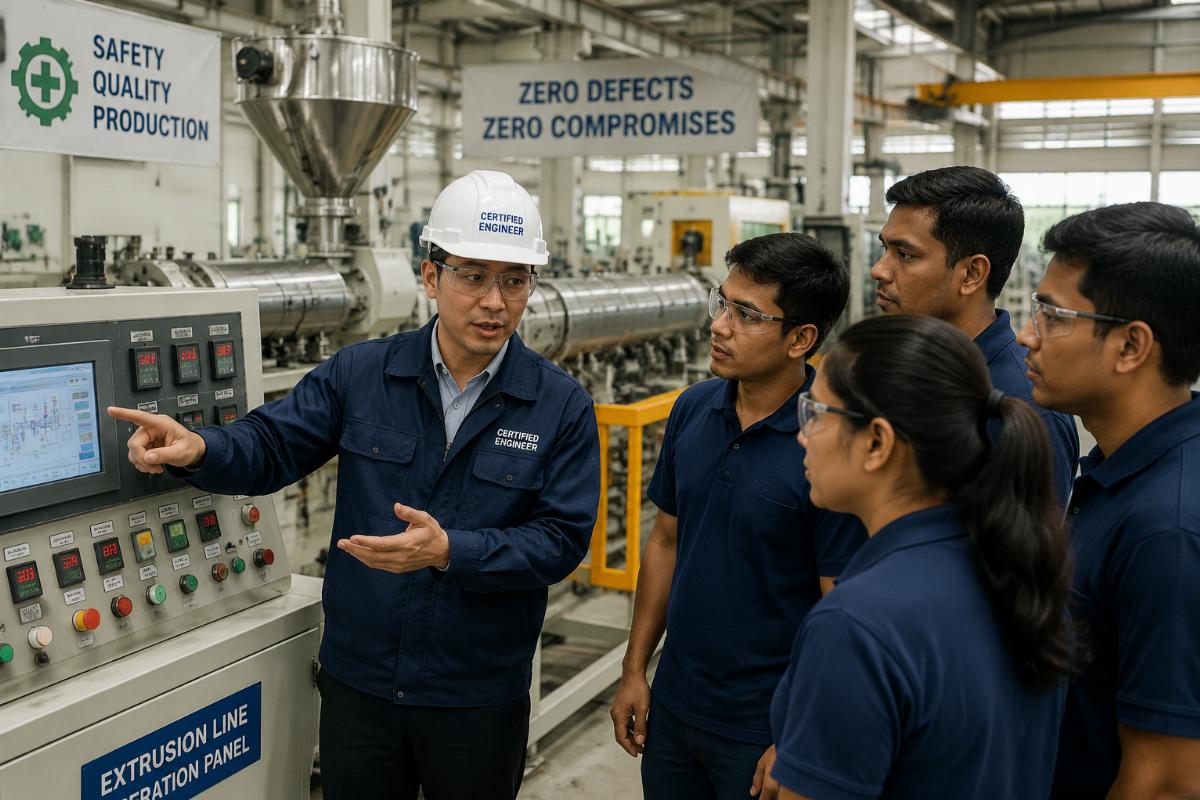
إرسال مهندس مجاني إلى الموقع للتركيب الكامل للخط وتدريب المشغلين
شروط الضمان
ضمان محدود لمدة 6 أشهر يغطي فقط مكونات محددة
ضمان كامل للنظام لمدة عامين مع وصول مدى الحياة إلى فرق الدعم الفني
قطع الغيار والملحقات
مهلة زمنية تزيد عن 8 أسابيع لقطع الغيار الحيوية
مجموعات قطع الغيار قبل الشحن مضمنة مع كل طلب خط كامل
حاول مالك مصنع إعادة تدوير في كولومبيا تعاونت معه العام الماضي توفير 3,200 دولار عن طريق اختيار مورد لم يشمل دعم التركيب في الموقع، على افتراض أن فريق الصيانة المحلي الخاص بهم يمكنه تجميع خط التحبيب بأنفسهم. أمضوا 11 أسبوعًا في معالجة مشاكل جودة الحبيبات غير المتسقة وانسداد التغذية قبل تعيين مهندس طرف ثالث لضبط الخط، بتكلفة إجمالية تجاوزت 14,700 دولار من الإنتاج المفقود وتكاليف العمالة الإضافية.
تأكيد الدعم الشخصي – الحصول على تأكيد كتابي للتركيب المجاني في الموقع و3 أيام كاملة من تدريب المشغلين في الموقع المضمنة في عرض الأسعار الرسمي الخاص بك. مراجعة نطاق الضمان – تحقق من أن الضمان يغطي جميع مكونات الخط، وليس وحدات الطارد الفردية فقط، دون استثناءات مخفية لخطأ المشغل. فحص مجموعة قطع الغيار – اشترط أن يتم شحن عدة الصيانة الأساسية (بما في ذلك قطع التآكل الشائعة للمسامير وعلب التروس) مع خط الإنتاج الخاص بك دون أي تكلفة إضافية. كيف يمكنك مواءمة قدرات الموردين مع احتياجات شريحة عملائك المحددة؟
خطوط البثق التي تناسب الجميع لا تقدم أبدًا الميزات الدقيقة التي يتطلبها قطاعك. منتجو الأنابيب البلاستيكية، ومشغلو إعادة التدوير، ومصنعو المقاطع الجانبية لديهم جميعًا ميزات ذات أولوية غير قابلة للتفاوض لا تتضمنها خطوط المعدات العامة كمعيار. شريحة المشتري
الميزة غير المحاذاة الشائعة
الميزة الأساسية المطلوبة
مصنعو الأنابيب البلاستيكية
طارد قياسي أحادي المرحلة
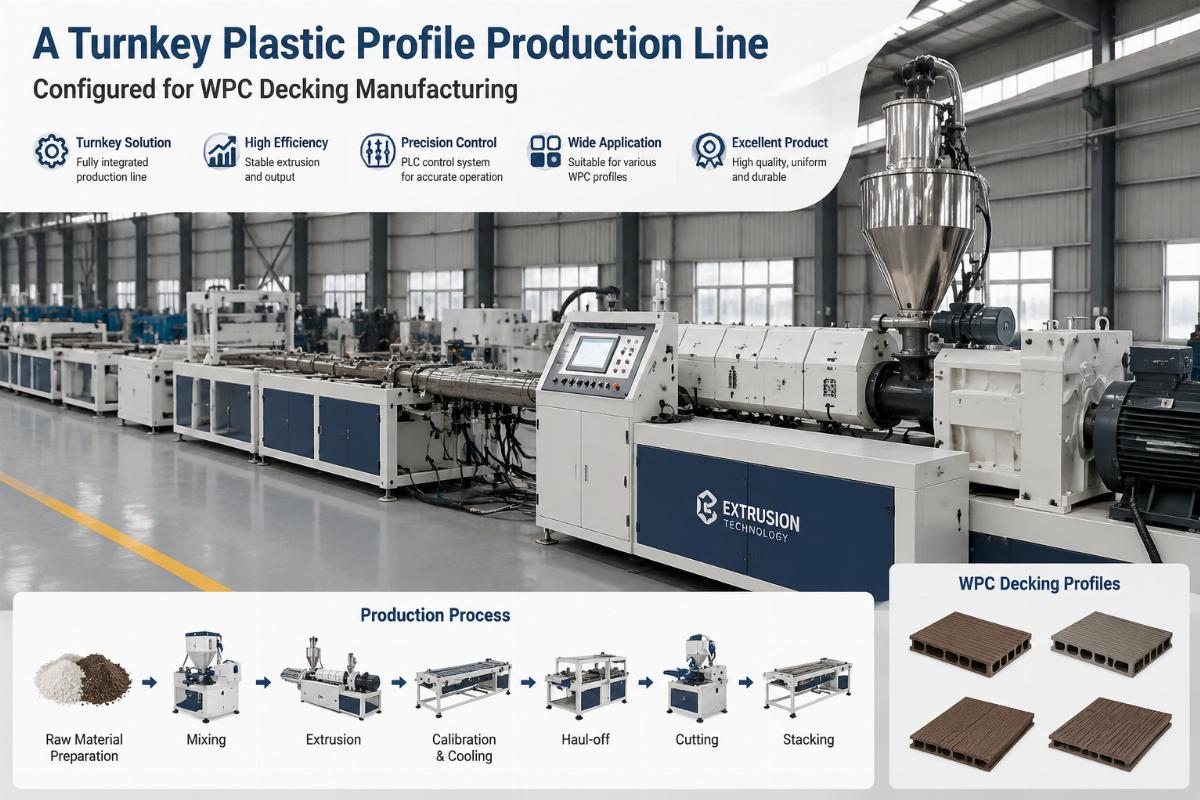
طارد لولبي مزدوج متزامن عالي الإنتاجية مع أنظمة مدمجة للقطع والتكديس الأوتوماتيكية [بحاجة إلى مصدر: 78% من منتجي الأنابيب يصنفون التعامل الآلي بالكامل بعد البثق كأول متطلباتهم غير المتعلقة بالتكلفة]
أعمال إعادة التدوير والتحبيب
وحدة تحبيب قائمة بذاتها بدون معالجة مسبقة
نظام متكامل تمامًا للغسيل والتجفيف والتحبيب متوافق مع النفايات الاستهلاكية الملوثة
الموزعون ومقاولو تسليم المفتاح
تسعير ثابت بدون مرونة
تسعير الحاويات حسب المشروع وخيارات العلامات التجارية OEM/العلامات الخاصة لمشاريع العملاء المخصصة
أخبرني أحد الموزعين الإقليميين في فيتنام، والذي يخدم شركات الإنتاج الصغيرة والمتوسطة في جميع أنحاء جنوب شرق آسيا، في وقت سابق من هذا العام أن التحول إلى مورد يقدم تكوين خط مخصص ووضع العلامات الخاصة بالعلامة التجارية (OEM) لمشاريع عملائهم أدى إلى زيادة معدل عقودهم المتكررة بنسبة 47% خلال 12 شهرًا، حيث لم يعودوا بحاجة إلى التنسيق مع 3 موردين منفصلين لتسليم مشاريع تسليم مفتاح كاملة.
تحديد أولويات ميزات القطاع – أنشئ قائمة من 3 ميزات غير قابلة للتفاوض خاصة بنوع عمليتك قبل التواصل مع أي موردين. طلب مرجع – اطلب تفاصيل الاتصال لثلاثة عملاء نشطين على الأقل في نفس قطاعك ممن قاموا بتشغيل الخط لمدة لا تقل عن 12 شهرًا. التحقق من هيكل التسعير – تأكيد أن البائع يمكنه تلبية التخصيصات للإنتاج وأنظمة التحكم وتخطيط الخط دون فرض رسوم إضافية باهظة للميزات القياسية الخاصة بالقطاع. خاتمة
إن إعطاء الأولوية للدعم الشامل والتخصيص حسب القطاع على أقل تكلفة أولية سيقضي تقريبًا على جميع أعطال إعداد خط البثق الشائعة. الفرق بين خط يعمل بكامل طاقته خلال أسبوع من التسليم وآخر يقضي شهورًا في استكشاف الأخطاء يعود إلى مدى وضوح تواصلك مع المورد بشأن المواد الأولية والإنتاج والاحتياجات التشغيلية الخاصة بك، ومدى توافق عروضهم مع تلك المتطلبات الدقيقة. لست بحاجة إلى الحصول على أغلى العلامات التجارية الأوروبية لتحقيق أداء موثوق طويل الأجل، لكنك تحتاج إلى التحقق من أن كل جزء من العرض من تصميم المسمار إلى دعم ما بعد البيع مصمم خصيصًا لعمليتك الفريدة. هذا النهج يحقق باستمرار انخفاضًا بنسبة 30-50% في التكلفة الإجمالية للملكية على مدى 5 سنوات من التشغيل، دون أي توقف غير مخطط له يؤثر على أهداف الإنتاج الخاصة بك.

Written by
author
Editor covering global sourcing, supplier verification, and industrial product knowledge. Content is compiled from manufacturer specifications, industry standards, and hands-on experience with international B2B buyers. Every article is fact-checked before publishing to help procurement professionals make informed decisions.