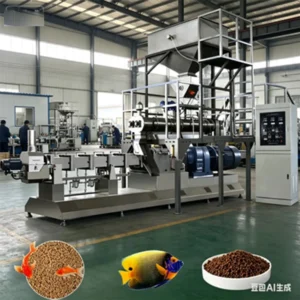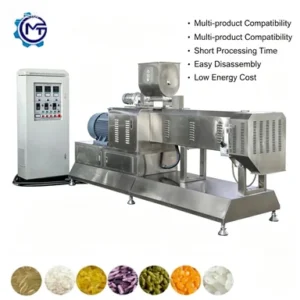


Aquatic Fish Feed Extrusion Production Line, Twin Screw, PLC Control, 304 SS — engineered for floating and sinking pellet production across diverse aquaculture species. Screw configuration and die design are matched to your raw material formula, with moisture, shear and barrel temperature profiled to control starch gelatinisation and pellet density. Every station from mixing through extrusion to packing is throughput-balanced under one supplier, verified by trial run on your actual formula before shipment.
Description
Matched Throughput Across Stations — every station from mixer to dryer is sized against your actual recipe to prevent the bottleneck that haunts poorly planned lines.
Technical Specifications
| Parameter | Value |
|---|---|
| Product Type | Aquatic Fish Feed Extrusion Production Line |
| Extruder Type | Twin Screw |
| Control System | Intelligent PLC Automatic Control |
| Material Contact Parts | Food Grade 304 Stainless Steel |
| Machine Body Material | Food Grade 304 Stainless Steel |
| Production Mode | Full Continuous Automatic Production |
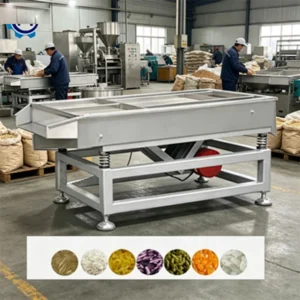
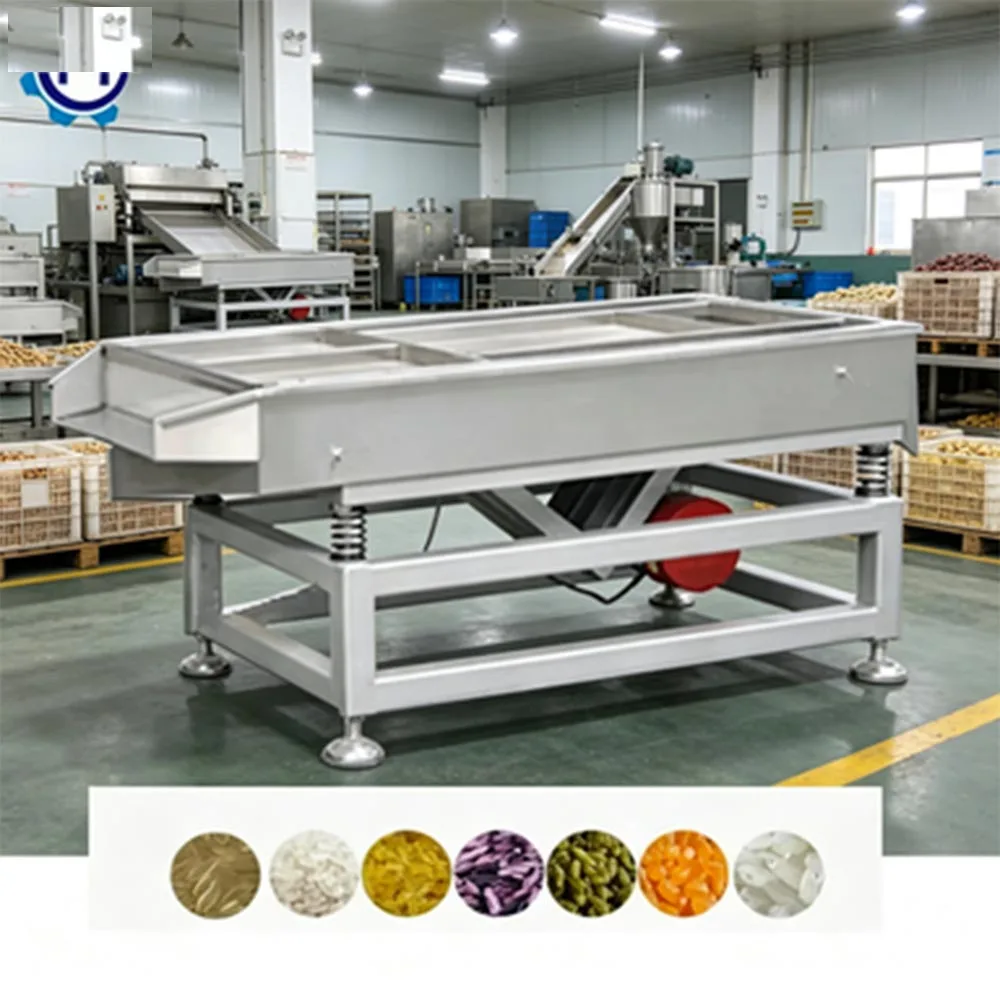
| Line Stations | Raw Material Mixer, Extruder, Dryer, Seasoning Coating Machine, Vibrating Sieve, Conveyor Equipment |
| Pellet Adjustability | Pellet Size, Hardness, Buoyancy (floating and sinking) |
| Output Capacity | Large stable processing capacity for medium to large scale industrial production (basis to be confirmed) |
| Transmission Structure | Optimized energy saving design |
| Heating System | Optimized energy saving design with reduced heat loss |
| Maintenance Design | Humanized operation interface, reasonable internal structure, convenient daily cleaning, quick replacement of vulnerable parts |
Application Suitability
| Application | Material or Output |
|---|---|
| Floating fish feed pellets for aquaculture ponds and cages | Fish meal, soybean meal, corn powder, compound additives |
| Sinking pellets for bottom-feeding species | Soybean meal, starch binders, mineral premixes |
| Koi and ornamental fish feed production | High-protein blends with pigment additives |
| Tropical and freshwater fish feed for commercial farms | Grain-based and protein-rich formulations |
| Shrimp and crustacean feed pellet processing | Fine-ground aquatic protein and carbohydrate mixes |
Why "Rated Capacity" Misleads Aquatic Feed Buyers
An extruder running at nameplate throughput means nothing when the dryer downstream cannot keep pace with your high-fat formulation.
I learned this the hard way when a Southeast Asian pet food plant trusted my line layout, only to discover the dryer was sized for a lighter recipe than what their extruder actually pushed. Bottles backed up at the dryer inlet for two straight days before we rerouted airflow and rebalanced the line. When sourcing an aquatic fish feed extruder production line turnkey, the rated output of any single machine is irrelevant unless every downstream station can absorb that exact volume on your specific raw material blend. [NEED_CITE: throughput balancing methodology for extrusion-based feed processing]
Throughput Matching From Mixer to Packing
When you run a floating or sinking pellet formulation, the extruder output must align precisely with what the dryer can handle at the required moisture reduction level. A twin screw extruder pushing high volumes of fish meal and corn powder blend will generate more wet pellets per hour than a undersized dryer can process, forcing you to either throttle the extruder or accept uneven drying. This aquatic fish feed extruder production line turnkey is configured so that the mixer batch size, extruder screw speed range, dryer belt length, and seasoning drum residence time all converge on the same sustainable throughput.
Screw Configuration Dictates Pellet Buoyancy
Whether your target market demands floating pellets for surface feeders or slow-sinking pellets for bottom dwellers, the screw element arrangement and die geometry determine the expansion ratio and internal cell structure of each pellet. The twin screw extruder in this line accepts configurable screw profiles matched to your raw material viscosity and target pellet density. [NEED_CITE: twin screw extrusion parameters affecting aquatic feed buoyancy control] Die selection works in tandem with screw configuration to set the pellet diameter and length-to-diameter ratio, which in turn influences how quickly the pellet absorbs water once it enters the pond.
Reading the Specifications That Actually Matter
The distinction between floating and sinking pellets comes down to expansion control during extrusion, which is governed by barrel temperature profile, screw shear intensity, and moisture content at the die face. The food grade 304 stainless steel contact surfaces resist the corrosive salts and fish oils present in aquatic feed formulations, extending component life compared to carbon steel alternatives. The intelligent PLC automatic control maintains consistent barrel zone temperatures and screw speed, reducing batch-to-batch variation in pellet density — the single most critical quality parameter for aquatic feed acceptance in the market. A vibrating sieve downstream removes fines and undersized pellets before they reach the coating station, ensuring only specification-compliant product moves forward.
The Hidden Cost of Unbalanced Line Stations
Choosing an extruder based solely on its maximum throughput figure without verifying dryer and coating capacity creates a cascade of operational problems. Wet pellets accumulate between stations, degrading in quality while waiting for dryer space. Seasoning coating becomes uneven when pellets arrive in surges rather than a steady flow. Over time, these imbalances increase waste, raise energy consumption per ton of finished product, and shorten the intervals between unplanned shutdowns. [NEED_CITE: production losses from mismatched station capacity in feed extrusion lines]
Why This Line Is Sourced Here
Complete station integration under one supplier means the mixer output, extruder throughput, dryer capacity, and coating drum volume are calculated together rather than assembled from disconnected vendor quotes. Screw configuration and die design are specified to your raw material and target buoyancy before the line ships, not guessed at during commissioning. An in-house testing workshop runs your actual formula through the extruder before dispatch, producing a trial run report that confirms pellet density, expansion ratio, and sustainable throughput. Pre-sales engineering covers line layout, utility planning, and phased installation scheduling so that foundation work and electrical preparation happen on schedule. Ongoing maintenance support includes operator training and a wear parts inventory plan matched to your production intensity.
Documentation & Verification
- Line layout drawing with throughput calculations matched to your aquatic feed formula
- Screw and die configuration record specific to your floating or sinking pellet target
- Trial run report on your raw material confirming pellet density and buoyancy
- Electrical schematic with voltage and control language verified for your plant
- Factory test record documenting continuous run performance before dispatch
- CE declaration of conformity for machinery entering regulated markets
Installation, Commissioning & Support
- Foundation plan sized to the twin screw extruder weight and vibration profile
- Dedicated electrical circuit matching the PLC control system power draw and voltage
- Modular station delivery allowing phased assembly within your existing facility
- First-run parameter setting for barrel zones, screw speed, and die pressure
- Operator training on daily cleaning procedures for food grade 304 stainless steel surfaces
- Wear parts list covering screws, dies, and seals with recommended replacement intervals
What We Need to Quote Your Line
To configure an aquatic fish feed extruder production line turnkey that actually holds its rated output on your floor, share your raw material formula with moisture percentages, target pellet diameter and buoyancy type, daily production volume, and available workshop dimensions. Confirm your local voltage and frequency standard along with preferred control interface language. If you operate existing upstream milling or downstream packing equipment, provide their capacity figures so the new line integrates without creating a new bottleneck.
Frequently Asked Questions
Q: How is output capacity verified on my specific raw material formula?
A: Your formula runs through the extruder in the testing workshop before shipment. The trial run measures actual throughput, pellet density, and buoyancy on your blend of fish meal, soybean meal, and additives. You receive a written report confirming sustainable output and pellet specifications before the line is crated for dispatch.
Q: How are screw and die configurations matched to floating versus sinking pellet targets?
A: Floating pellets require higher expansion achieved through specific screw element sequencing and die geometry that traps steam inside the pellet matrix. Sinking pellets need denser compression with different shear profiles. The screw configuration and die selection are chosen based on your target buoyancy and confirmed during the pre-shipment trial run.
Q: How is throughput balanced between extruder, dryer, and coating stations?
A: Each station is sized against your recipe’s moisture content and fat level. The dryer belt length and airflow are calculated to handle the extruder’s actual wet pellet output, while the seasoning drum residence time matches the coating volume required. This prevents material backlog at any transfer point.
Q: What does the turnkey scope include beyond equipment supply?
A: The scope covers line layout engineering, throughput calculation, utility planning, installation supervision, commissioning with parameter setting, operator training on the PLC interface and daily maintenance, plus a wear parts supply plan. On-site support continues through initial production ramp-up.
Q: How are voltage, frequency, and control language confirmed for my plant?
A: Your local electrical standard is confirmed during the specification phase before production begins. The PLC interface is programmed in your preferred language, and the electrical schematic reflects the confirmed voltage and frequency. This prevents commissioning delays caused by mismatched motor ratings or unreadable control menus.
Related products
-
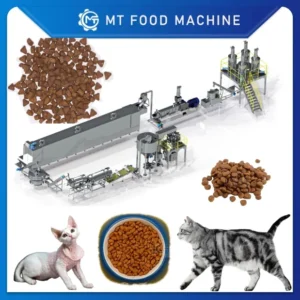
MT100 Brand 1.5-2.0t/h PLC Controlled Multi-Species Cat Food Processing Line
¥45,000.00 Select options This product has multiple variants. The options may be chosen on the product page -
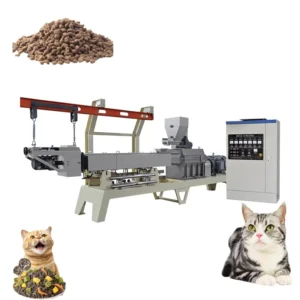
Premium Pet Food Processing Equipment Dog Cat Feed Making Machine
¥9,500.00 Select options This product has multiple variants. The options may be chosen on the product page -
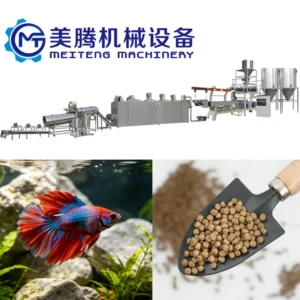
1.0-1.2t/h High Capacity Multi-Species Fish Feed Processing Line to Produce Fish Food
¥45,000.00 Select options This product has multiple variants. The options may be chosen on the product page -
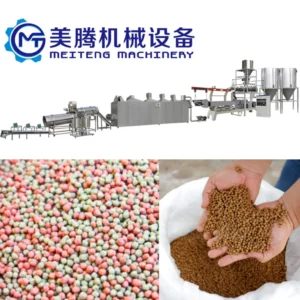
2-3t/h High Capacity Multi-Species Fish Feed Processing Line to Produce Fish Food
¥55,000.00 Select options This product has multiple variants. The options may be chosen on the product page