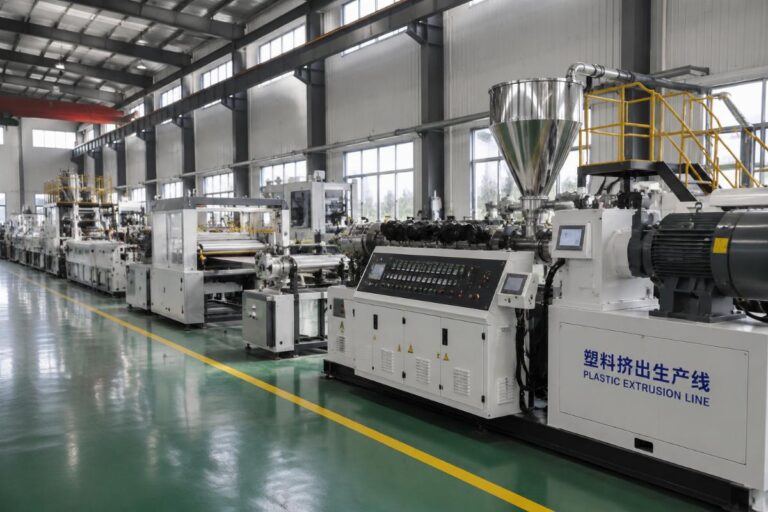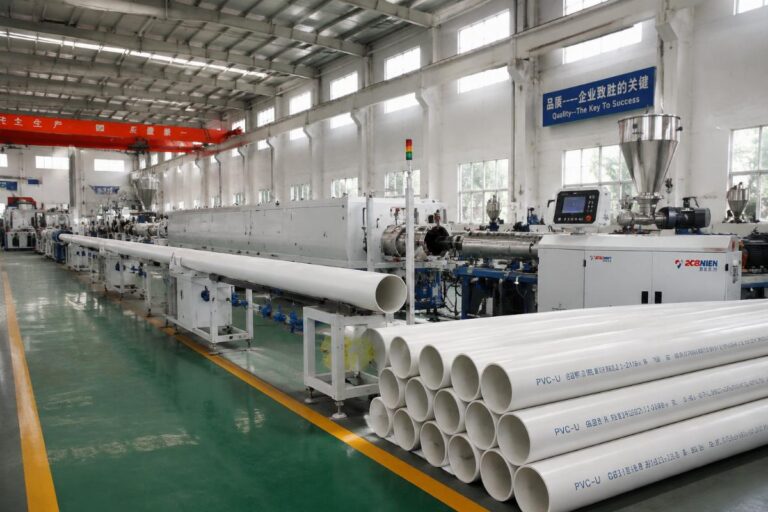
¿Qué Debes Priorizar Al Sourcing de Equipos de Extrusión de Plástico para Tu Línea de Producción?
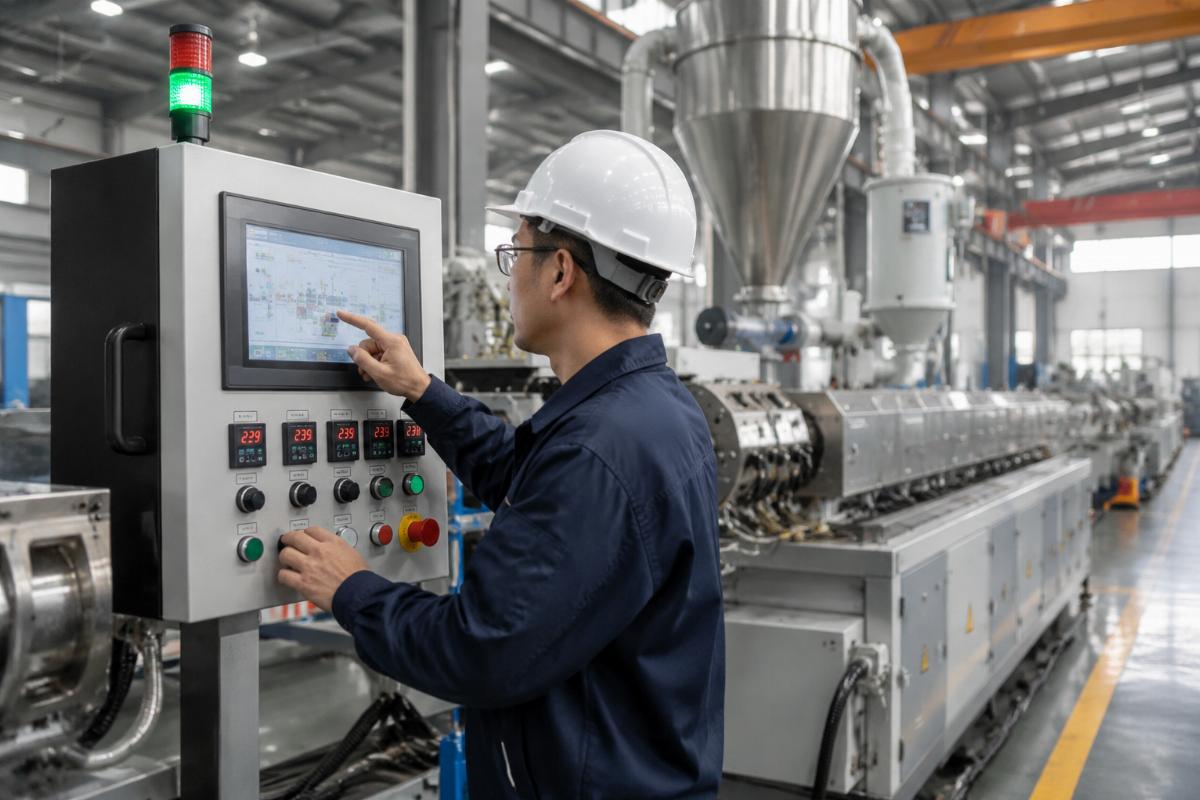
Pagar un 50% menos por maquinaria de extrusión no significa sacrificar la fiabilidad o el soporte postventa. Durante décadas, los operadores industriales han asumido que las marcas europeas ofrecen automáticamente una mejor calidad de construcción y un menor riesgo a largo plazo, pero esa narrativa ya no se sostiene para las necesidades de producción modernas en mercados emergentes y establecidos. El marco de adquisición más efectivo para equipos de extrusión de plástico equilibra el costo total de propiedad, el soporte de solución de extremo a extremo y la alineación con sus requisitos específicos de producción y materias primas, en lugar de recurrir únicamente al nombre de la marca. Con más de 12 años de experiencia trabajando con más de 400 compradores de extrusión en 27 países, he visto a equipos desperdiciar más de 6 meses y el 20% de su presupuesto total porque priorizaron las especificaciones de componentes individuales sobre la compatibilidad de toda la línea, un error que es completamente evitable [NEED_CITE: Más del 60% de las líneas de producción de extrusión de bajo rendimiento provienen de la integración de componentes desajustados en lugar de fallos en equipos individuales].
Ahora desglosaremos los factores clave que determinarán su decisión de abastecimiento, sin importar en qué segmento de clientes se encuentre.
Capacidades Clave a Verificar Antes de Realizar Su Primer Pedido
Omitir las verificaciones de compatibilidad de línea completa es la causa más común de retrasos después de la instalación. Muchos compradores se centran exclusivamente en la unidad de extrusión, ignorando cómo se conecta a los sistemas de corte, apilamiento y calibración aguas abajo que impactan directamente en su producción diaria y necesidades laborales. Categoría de Equipos
Práctica de abastecimiento ineficiente común
Estándar de Sourcing Recomendado
Selección del Tipo de Extrusora
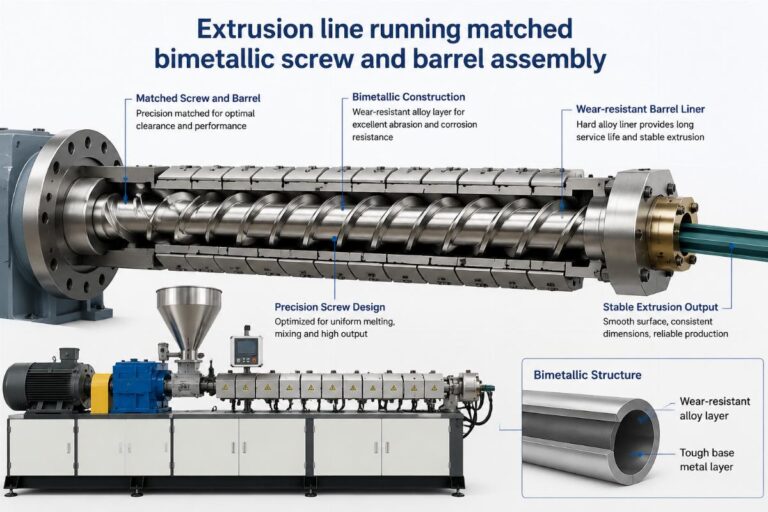
Comprar un extrusor genérico sin hacer coincidir el diámetro del tornillo con su materia prima objetivo y salida
Seleccionando extrusoras alineadas con su material principal: serie SJ de un solo tornillo para rangos de diámetro de 45-200 mm, SJSZ de doble tornillo cónico para el procesamiento de PVC [NEED_CITE: Los modelos de tornillo cónico SJSZ ofrecen un rendimiento un 18% superior en la producción de tuberías de PVC en comparación con los modelos paralelos estándar]
Alcance de la Solución
Comprar componentes individuales de 3+ proveedores diferentes para reducir el costo inicial
Asegurando un paquete completo llave en mano que incluye soporte de formulación, diseño de la disposición de la fábrica y instalación en el sitio
Términos de postventa
Aceptando una garantía limitada de 1 año con solo soporte técnico remoto
Negociando una garantía mínima de 2 años con envío gratuito de ingenieros al extranjero para la configuración inicial
En el último trimestre, un productor de tuberías de HDPE de 12,000 toneladas/año con sede en Kenia inicialmente planeó obtener su extrusora de un revendedor local y sistemas posteriores de un proveedor separado, hasta que calculamos que la posible demora en la integración les costaría un estimado de $147,000 en ingresos de lanzamiento perdidos. Cambiaron a una línea llave en mano completa, alcanzaron su objetivo de producción de 1200 kg/h en el tercer día de operación, y solo pagaron el 38% del precio cotizado que recibieron de una marca líder austriaca [NEED_CITE: el equipo de extrusión chino con certificación ISO 9001 y CE generalmente cuesta entre un 30-50% menos que las unidades de marcas europeas comparables].
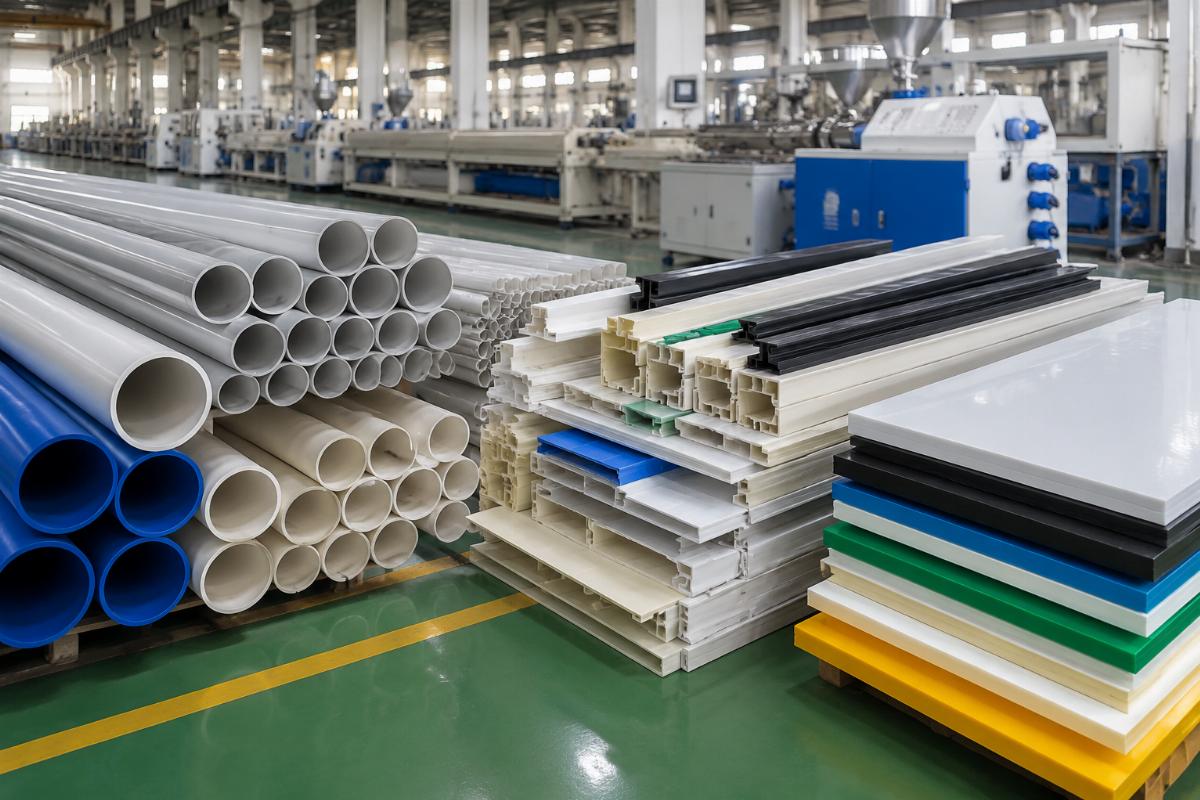
Alineación de Producción Central – Alinee su extrusora y tipo de línea con su producto principal: elija líneas de tubería dedicadas para la producción de PVC/HDPE/PPR, líneas de perfil para decking de WPC o marcos de ventanas, o líneas de reciclaje con lavado y secado integrados para el procesamiento de residuos post-consumo. Confirmación de Personalización – Confirme que su proveedor puede ajustar la configuración del tornillo, la capacidad de salida y el sistema de control para que coincidan con las especificaciones de entrada de su materia prima, en lugar de obligarlo a adaptarse a una unidad estándar de estantería. Verificación de Certificación – Verifique que todas las unidades cuenten con la certificación ISO 9001 y CE para evitar retrasos en aduanas y problemas de cumplimiento en su mercado objetivo. Cómo hacer coincidir la elección de su proveedor con su segmento de cliente exacto
Los contratos de proveedores de talla única casi nunca funcionan para casos de uso de extrusión especializados. Un negocio de reciclaje tiene requisitos de prioridad completamente diferentes a los de un productor de películas de embalaje, y no alinear la adecuación de su proveedor a su segmento creará fricción operativa evitable. Segmento de Clientes
Prioridad de abastecimiento desalineada común
Prioridad Recomendada Específica por Segmento
Fabricantes de Tubos de Plástico (Mercados Emergentes)
Priorizando el costo unitario más bajo posible
Priorizar líneas con una producción diaria de 500-2000kg/h, corte y apilamiento automatizados, y extrusoras de doble tornillo co-rotativas fiables
Negocios de Reciclaje y Granulación de Plásticos
Enfocándose solo en la velocidad del pelletizador
Priorizar líneas con sistemas de lavado y secado completamente integrados, y extrusoras de una/dos etapas compatibles con materia prima contaminada
Fabricantes de Perfiles y Hojas
Ignorando la calidad del sistema de calibración
Priorizar la capacidad de cambio de múltiples matrices y el control preciso del grosor de la pared a través de mesas de calibración dedicadas
Productores de Películas de Embalaje
Pasando por alto los requisitos de ancho y capa
Priorizar la capacidad de co-extrusión de múltiples capas y una capacidad de producción de hasta 3000 mm de ancho para una salida clara y de alta claridad
Distribuidores y Contratistas Llave en Mano
Enfocándose solo en el margen por unidad
Priorizar el soporte OEM/privado, la fijación de precios de contenedores basada en proyectos y el soporte de ingeniería dedicado para el diseño de la disposición de la fábrica
A principios de este año, un distribuidor canadiense de extrusión con 12 proyectos llave en mano regionales programados para 2026 nos dijo que anteriormente habían perdido 2 contratos de clientes porque su proveedor anterior no pudo proporcionar apoyo para el diseño de fábricas personalizado dentro de su ventana de oferta de 14 días. Al cambiar a un proveedor con equipos de ingeniería de proyectos dedicados, redujeron su tiempo de respuesta de oferta en un 60% y aseguraron todos sus 12 contratos pendientes sin costos adicionales.
Caso de Uso Filtro – Elimine cualquier proveedor que no pueda demostrar al menos 5 proyectos de referencia activos para su categoría de producto exacta en los últimos 18 meses. Alineación de MOU – Confirme que los términos de pedido mínimo se ajusten a su operación: para usuarios finales, un pedido mínimo de 1 línea con soporte completo es estándar, para distribuidores, confirme {{ZKF_4}} flexible para pedidos de proyectos a granel. Verificación de Interfaz – Verifique que el sistema de control estándar soporte el idioma principal de su equipo operativo, ya sea inglés, español o ruso. Conclusión
La compra de equipos de extrusión de mayor valor no es la más barata ni la más reconocida, es la que se ajusta a sus necesidades operativas sin costos ocultos de integración. Demasiados equipos se quedan atascados comparando las especificaciones de componentes individuales en hojas de cálculo, y olvidan que el mayor riesgo para su cronograma de lanzamiento y rentabilidad a largo plazo proviene del soporte desalineado y la integración de sistemas incompatibles. Al centrar su abastecimiento en prioridades específicas del segmento y un soporte completo llave en mano, puede reducir su costo total de propiedad mientras alcanza sus objetivos de producción más rápido de lo que lo haría con una marca europea premium. Este marco funciona para todo tipo de operación de extrusión, independientemente de su ubicación o escala de producción.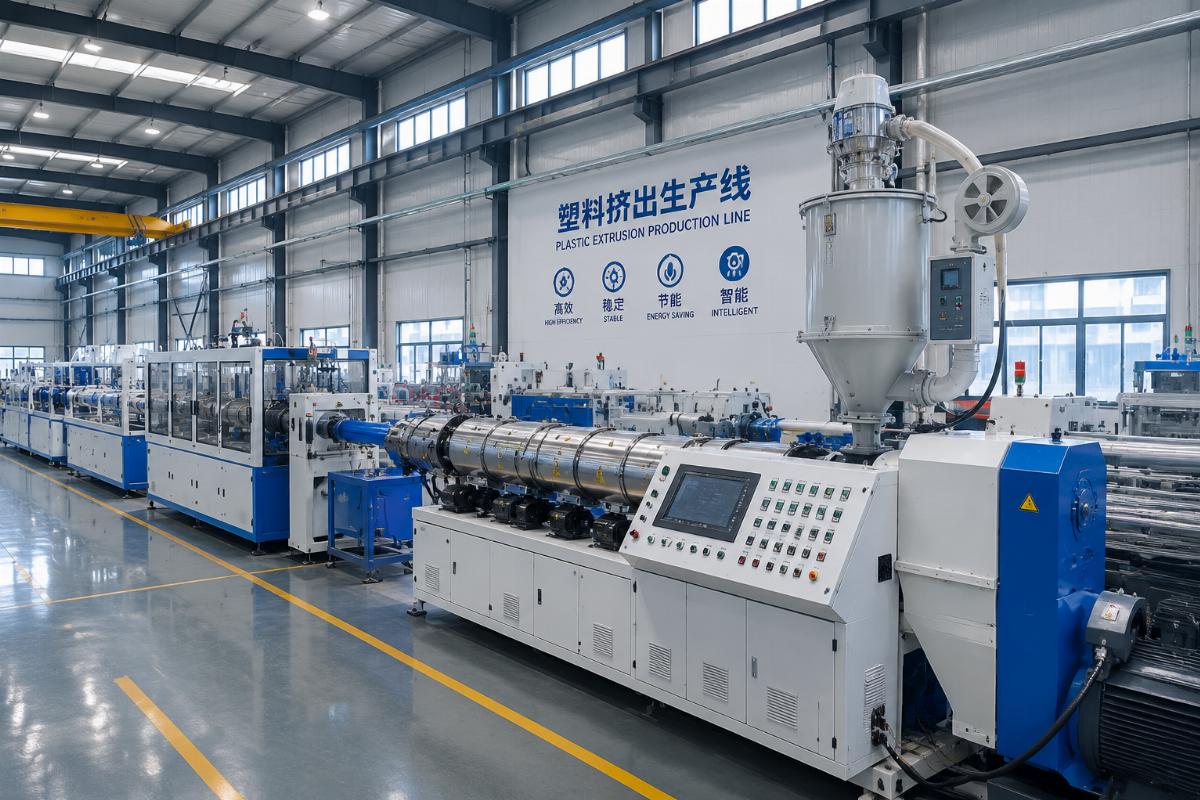

Written by
author
Editor covering global sourcing, supplier verification, and industrial product knowledge. Content is compiled from manufacturer specifications, industry standards, and hands-on experience with international B2B buyers. Every article is fact-checked before publishing to help procurement professionals make informed decisions.