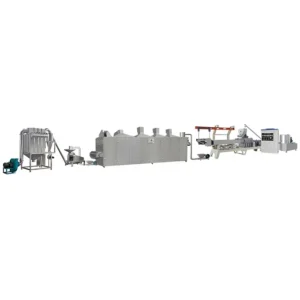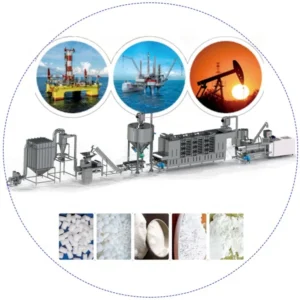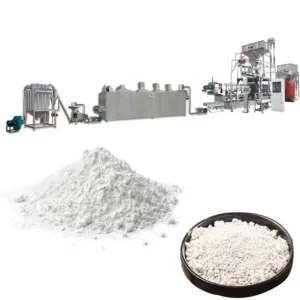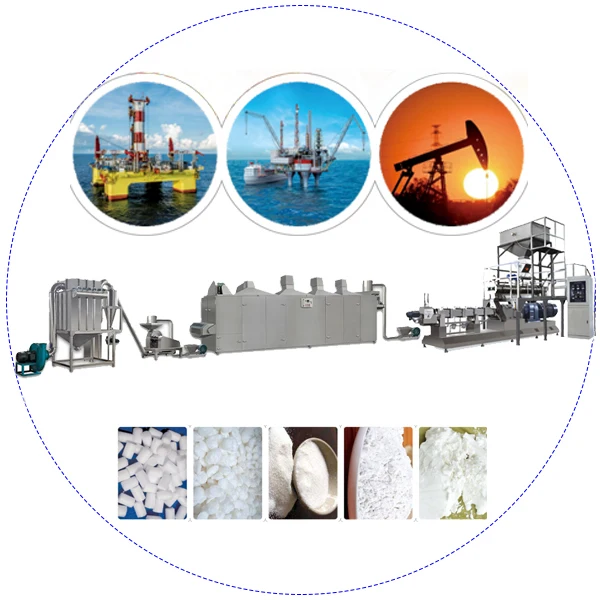




MT65 / MT70 / MT85 Modified Starch Processing Line, Twin-Screw Extrusion, PLC Control — configured as a turnkey project with throughput-matched stations from feeding through drying. Co-rotating twin-screw extruder features sectional barrel and screw modules, enabling precise starch denaturation and pre-gelatinization targets. Dryer provides adjustable belt speed and controllable temperature to meet final moisture specifications for corn, cassava, or tapioca starch.
- Line layout and capacity calculation verified across every station to eliminate bottlenecks
- Trial runs conducted on customer raw material in-house before shipment
- Electrical schematic with voltage and frequency confirmed to buyer’s site requirements
Description
Turnkey Line Engineering — Every station on this modified starch processing line is throughput-matched from feeding to drying, so the extruder never waits on the dryer and downstream capacity holds on your actual raw material.
Technical Specifications
| Parameter | Value |
|---|---|
| Product Type | Twin-Screw Extrusion Modified Starch Processing Line |
| Model | MT65 / MT70 / MT85 |
| Screw Type | Co-rotating twin-screw, sectional modules |
| Installed Power | MT65 — 72 kW; MT70 — 92 kW; MT85 — 108 kW |
| Power Consumption | MT65 — 50 kW; MT70 — 65 kW; MT85 — 75 kW |
| Output Capacity | MT65 — 140–160 kg/h (basis to be confirmed); MT70 — 240–260 kg/h (basis to be confirmed); MT85 — 500–600 kg/h (basis to be confirmed) |
| Overall Dimensions (L×W×H) | MT65 — 2200×1000×2300 mm; MT70 — 2600×1000×2300 mm; MT85 — 4500×1000×2600 mm |
| Control System | PLC |
| Line Stations | Feeding system, extruding system, cutting system, heating system, conveying system, cooling system; supporting mixer and dryer |
| Dryer | Net belt running speed adjustable; temperature controllable |
| Mixer | Stainless steel contact parts; interlocked safety discharge |
| Barrel & Screw Structure | Sectional modules for starch property modification |
| Warranty | 24 months, lifetime service |
| Certification | CE |
Application Suitability
| Application | Material or Output |
|---|---|
| Modified starch for food industry | Corn starch, cassava starch, tapioca starch |
| Pregelatinized starch for textile sizing | Natural starches with controlled gelatinisation degree |
| Industrial starch for papermaking and building materials | Corn and root-tuber starches requiring denaturation |
| Modified starch for oil drilling fluids | Starches processed for viscosity and thermal stability targets |
| Nutritional and fortified food starch bases | Starches modified for solubility and digestibility profiles |
Why "Nominal Capacity" Can Derail a Starch Line Project
A capacity number without the raw material context is not a capacity number — it is a guess.
When a modified starch processing line turnkey proposal quotes throughput based on one type of starch and your plant runs a different source with higher amylose content, the extruder screw speed, barrel temperature profile, and moisture targets all shift. I spent four days on-site in Iran re-tuning a pregelatinized starch line because the local corn starch behaved nothing like the material we tested with at the factory. The extruder ran, the dryer ran, but the gelatinisation degree and expansion were outside spec. [NEED_CITE: raw material variability in starch processing and its effect on extrusion parameters] That is why verifying throughput on the buyer’s actual formulation matters before the machines leave the workshop.
Throughput Matching Across Every Station on the Line
A modified starch processing line turnkey project fails the moment one station bottlenecks the rest. The extruder may push material faster than the dryer can reduce moisture to specification, or the mixer batch cycle may not keep pace with continuous extruder feeding. Each station on this line — feeding, extrusion, cutting, conveying, drying, cooling — is sized so that verified throughput holds across the full sequence rather than at a single machine.
Screw Configuration Specified to Your Starch Modification Target
Different starch modification goals demand different screw element arrangements and die geometries. Denaturation for industrial adhesives requires a different shear and residence-time profile than pregelatinisation for instant food applications. The co-rotating twin-screw extruder uses sectional barrel and screw modules, allowing the configuration to be reassembled around the specific chemical and physical change required in your starch. [NEED_CITE: twin-screw sectional configuration for starch modification processes] This is not a fixed build copied from a generic catalogue — it is configured after reviewing your raw material data sheet and target product specification.
Reading the Specifications That Actually Matter
The installed power figures — ranging from 72 kW on the MT65 to 108 kW on the MT85 — define the thermal and mechanical energy available for starch gelatinisation inside the barrel. Higher installed power supports greater throughput and more demanding modification reactions, but only when the screw configuration matches the material. The sectional screw modules let operators adjust compression ratio and shear intensity zone by zone, which directly controls the degree of starch granule disruption. The dryer’s adjustable belt speed and controllable temperature determine whether the final product reaches the moisture specification needed for stable storage and consistent functionality in downstream applications. The PLC control system maintains barrel temperature profiles and screw speed across production runs, keeping batch-to-batch variation within acceptable limits.
The Cost of Skipping Raw Material Trials Before Shipment
When a line ships without a trial run on the buyer’s actual starch, the first week of production becomes an expensive experiment. Screw configurations need adjustment, temperature curves must be rewritten, and the dryer settings require recalibration — all while the buyer’s customers are waiting for product. [NEED_CITE: commissioning delays caused by unverified raw material behaviour in extrusion lines] Downtime during this phase carries compounding costs: idle operators, delayed shipments, and reputational damage with end buyers who expected consistent starch functionality from day one.
What Makes This Line a Turnkey Project, Not a Machine Bundle
Every station from the mixer through the cooling conveyor is sourced and integrated under one supplier, eliminating the finger-pointing that happens when separate vendors supply mismatched equipment. The screw and die configuration is documented and specified to your raw material before the extruder is assembled. An in-house testing workshop runs your actual starch formulation to confirm expansion, viscosity, and moisture targets before any machine is crated. The line layout includes utility planning — electrical load, steam, water, and compressed air — mapped to your facility. On-site installation follows a phased schedule with commissioning milestones, not a drop-and-leave delivery.
Documentation & Verification
- Line layout and capacity calculation with throughput matched across feeding, extrusion, and drying stations
- Screw and die configuration record specified to your starch type and modification target
- Trial run report on your actual raw material conducted in the testing workshop before dispatch
- Electrical schematic with voltage and frequency confirmed to your site requirements
- CE declaration of conformity and ISO certificate included in shipping documentation
- Operation and maintenance manual with wear parts list for screws, dies, and dryer belt
Installation, Commissioning & Support
- Foundation and floor space planned around the MT85 footprint of 4500×1000×2600 mm including dryer and cooling conveyor
- Dedicated electrical circuit sized for the selected model’s installed power, up to 108 kW at confirmed voltage and frequency
- Line arrives in modular sections for phased assembly, with extruder barrel modules and dryer belt installed on-site
- First-run commissioning includes screw speed, barrel temperature, and dryer belt speed calibration on your starch formulation
- Operator training covers PLC interface navigation, screw module changeover, and safety interlock procedures on the mixer
- Wear parts inventory recommended for screws, dies, and dryer belt based on your planned annual operating hours
What We Need to Move Your Project Forward
To prepare an accurate line layout and throughput calculation, share your starch source and grade, the specific modification or pregelatinisation target, and your planned daily output. Include your facility voltage and frequency, available floor area with ceiling height, and whether existing upstream or downstream equipment must integrate with the new line. If you have a preferred control language for the PLC interface, note that as well so the HMI is configured before shipping.
Frequently Asked Questions
Q: How is line capacity verified on my specific starch raw material and moisture level?
A: We run your actual starch sample in our in-house testing workshop before shipment. The trial covers extruder screw speed, barrel temperature zones, and dryer settings to confirm that output capacity, gelatinisation degree, and final moisture all meet your specification. A trial run report is provided with the shipping documentation.
Q: What is included in the turnkey scope for layout and installation?
A: The scope covers line layout with throughput matching across all stations, utility planning for electrical, steam, and water connections, a phased installation schedule, and on-site commissioning. Operator training and initial wear parts provisioning are included so production can start without waiting for follow-up visits.
Q: How are screw configuration and die design selected for different starch targets?
A: The sectional twin-screw modules are arranged based on your starch source and the specific modification required — whether denaturation for industrial use or pregelatinisation for food applications. Die geometry is matched to the expansion and density profile your downstream process expects.
Q: How is throughput matched between the extruder and dryer to prevent bottlenecks?
A: Each station is sized during the line layout phase so that the extruder output rate aligns with dryer belt speed and residence time. This prevents material backlog at the cutting or conveying stage and ensures the final moisture specification is achieved without slowing the line.
Q: What operator training and wear parts support is provided after commissioning?
A: Training covers PLC operation, screw module changeover, mixer safety interlocks, and dryer belt adjustment. A wear parts list identifies screws, dies, and belt sections with recommended replacement intervals based on your production schedule and raw material abrasiveness.
Related products
-
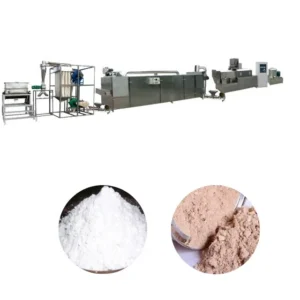
Almidón modificado de gran capacidad para uso industrial y aditivos alimentarios
¥50.00 Select options This product has multiple variants. The options may be chosen on the product page -
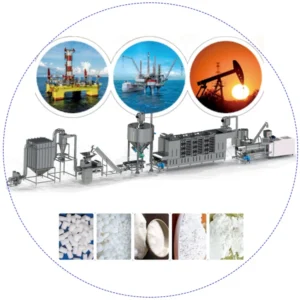
Máquina automática de fabricación de almidón de maíz modificado de acero inoxidable 304 TORNILLO DOBLE 500kg/h Capacidad Línea de producción de procesamiento de almidón
¥50.00 Select options This product has multiple variants. The options may be chosen on the product page -
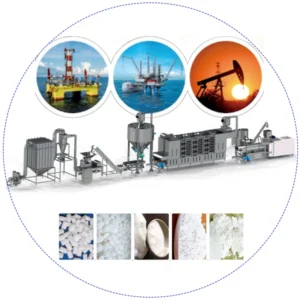
Máquina de producción de almidón modificado de gran capacidad
¥30.00 Select options This product has multiple variants. The options may be chosen on the product page -
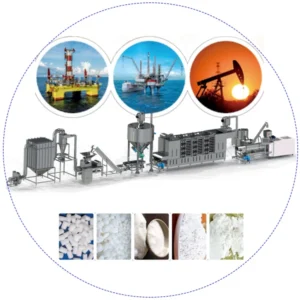
Automatic Pregelatinized Starch Processing Machine – Large-Scale New Condition Modified Starch Production Line
¥65.00 Select options This product has multiple variants. The options may be chosen on the product page