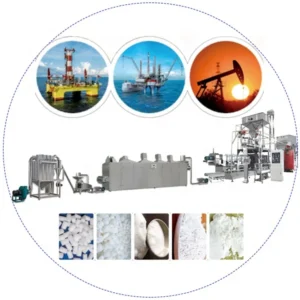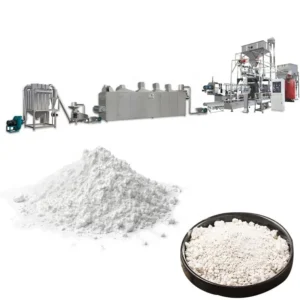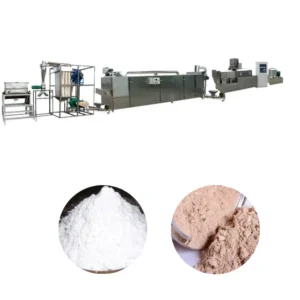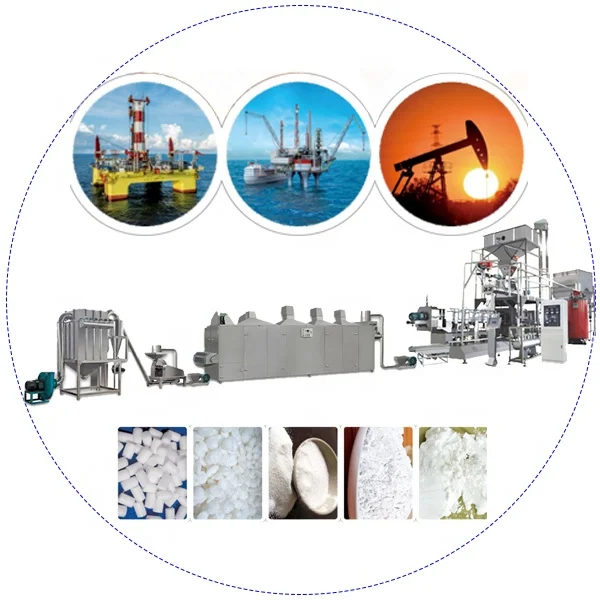
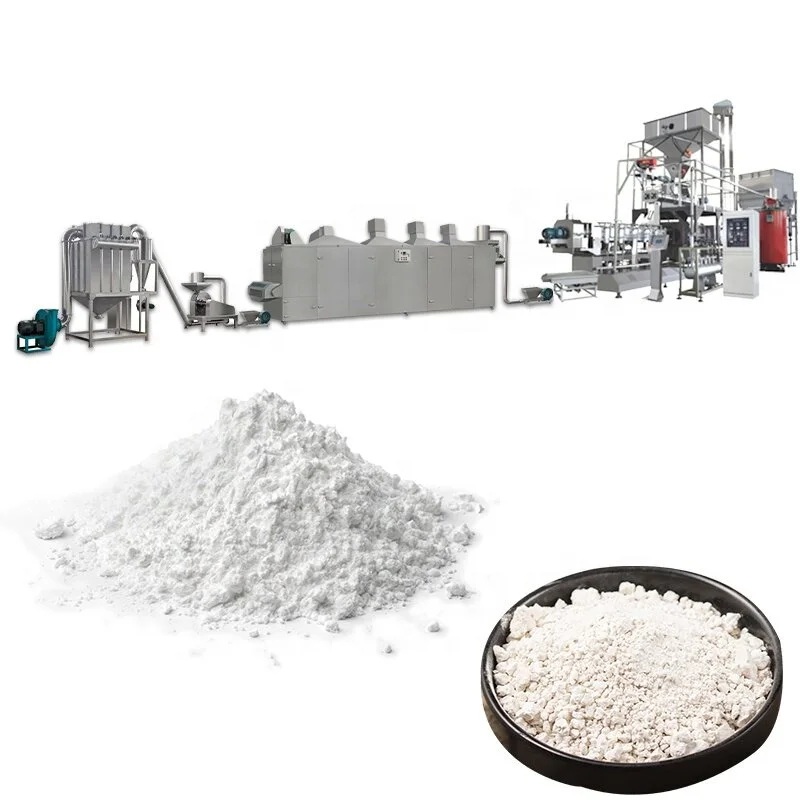
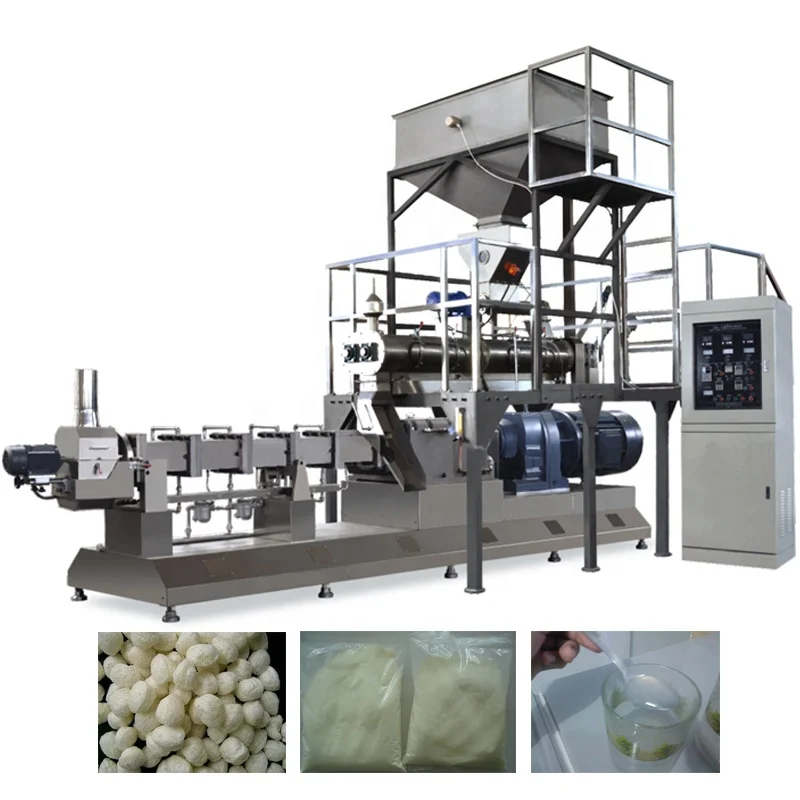
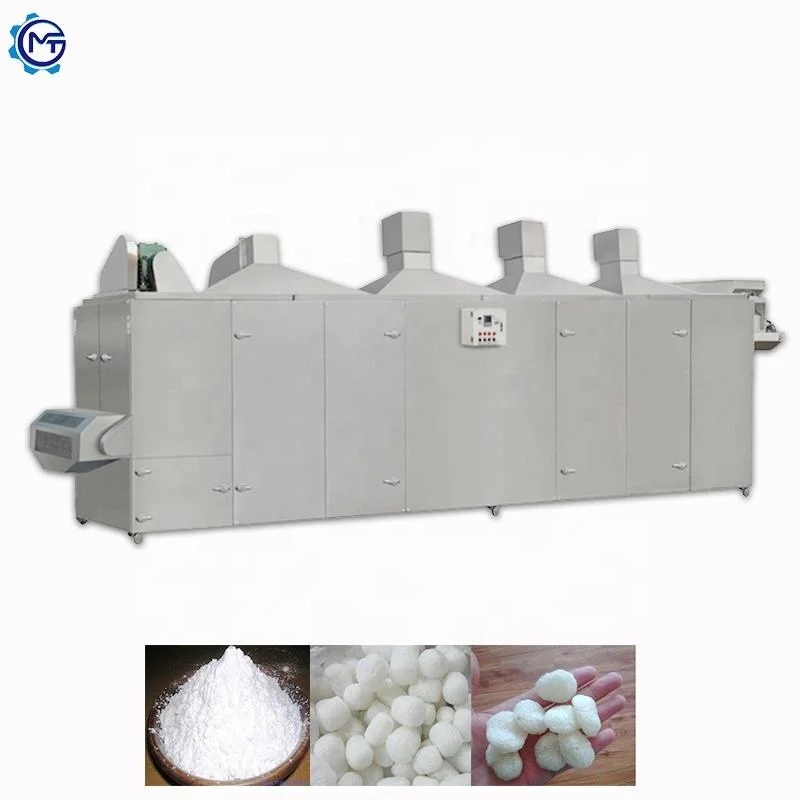
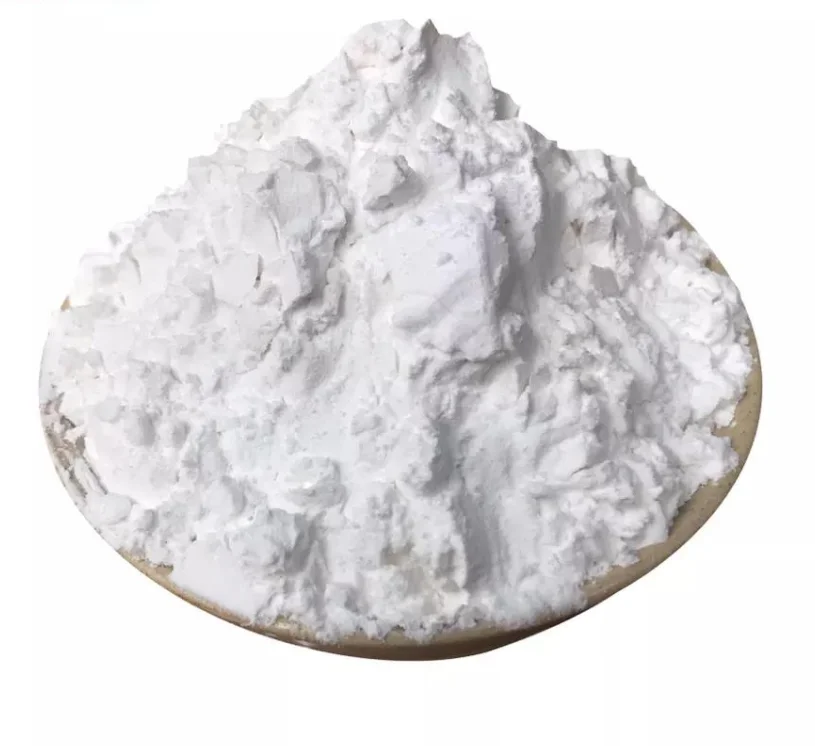
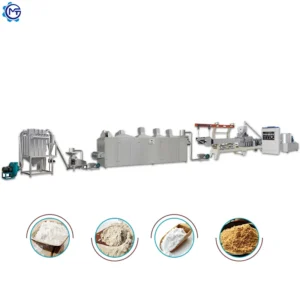
Modified Starch Production Line, Twin-Screw Extruder, 80–500 kg/h Capacity, PLC Control — designed as a complete turnkey project from mixing through extrusion, drying, conditioning, and grinding.
- Screw configuration and die design matched to your raw starch material and target gelatinisation level
- Throughput calculated across every station so extruder, dryer, and grinder run at balanced output
- Energy options include electricity, gas, diesel, or steam based on site utilities
- CE certified with food-grade stainless steel 304 contact parts
Trial runs on your actual raw material are completed in our testing workshop before shipment, with a full configuration report provided.
Description
Integrated Line Engineering — Every station from mixing through grinding is throughput-matched as a single project, so the extruder never waits on the dryer and the grinder never chokes on surge flow.
Technical Specifications
| Parameter | Value |
|---|---|
| Product Type | Modified Starch Twin-Screw Extrusion Line |
| Extruder Type | Twin-screw |
| Output Capacity | 80–500 kg/h (basis not stated in source — confirm raw material type, moisture content and modification degree) |
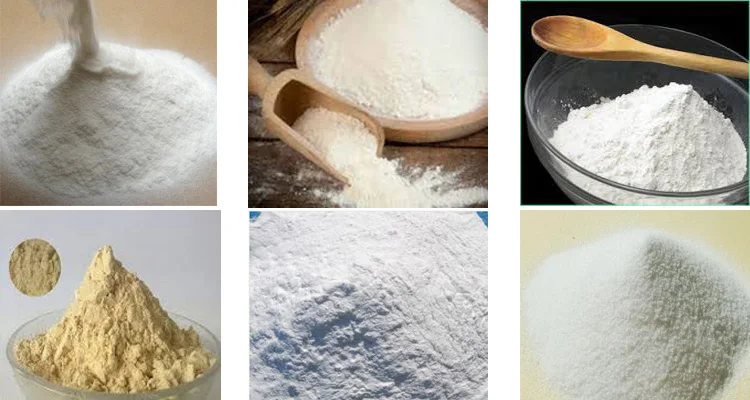
| Raw Materials | Wheat flour, corn starch, potato starch |
| Frame Material | Stainless steel 201 |
| Contact Material | Food grade stainless steel 304 |
| Voltage & Frequency | Three phases 380V/50Hz; Single phase 220V/50Hz (customizable to local voltage) |
| Electrical Heating Power | approx. 100 kW (source value — verify against manufacturer catalog) |
| Gas/Diesel Heating Power | approx. 50–60 kW (source value — verify against manufacturer catalog) |
| Energy Options | Electricity, gas, diesel, steam |
| Motor Brand | Siemens (China) or China top brand |
| Inverter | Delixi or Delta |
| Line Stations | Mixer → Screw Conveyor → Twin Screw Extruder → Shift → Air Conveyor → Dryer → Air Conveyor → Conditioning → Conveyor → Grinder |
| Mixer Motor | 4.0 kW |
| Mixer Dimensions | 1.2 × 0.9 × 1.4 m |
| Mixer Output | 3.0–4.0 kg/batch (source value — verify against manufacturer catalog) |
| Screw Conveyor Motor | 1.1 kW |
| Screw Conveyor Dimensions | 2.5 × 0.6 × 2.3 m |
| Screw Conveyor Output | 0–150 kg/h (source value — verify against manufacturer catalog) |
| Assembly State | Complete turnkey line |
| Certification | CE |
Application Suitability
| Application | Material or Output |
|---|---|
| Pre-gelatinized starch for instant food mixes | Corn starch, potato starch |
| Modified starch for bakery and sauce thickening | Wheat flour, corn starch |
| Industrial binder starch for paper and corrugated board | Corn starch, potato starch |
| Modified starch for meat processing and emulsification | Wheat flour, corn starch |
| Pre-gelatinized starch for oil drilling fluids | Corn starch, potato starch |
Why Nominal Capacity Means Nothing Without Your Raw Material
A line rated at a headline throughput figure is only as real as the starch you actually feed it.
Starch processors regularly discover that a modified starch production line turnkey rated on one feedstock cannot sustain that output when the raw material changes. Corn starch, potato starch, and wheat flour each demand different screw configurations, barrel temperature profiles, and moisture levels. A setup tuned for one material can produce ungelatinized dead zones or excessive shear degradation on another [NEED_CITE: starch gelatinisation temperature ranges by source material]. When a line is assembled from separate vendors, nobody takes responsibility for matching throughput across the whole chain — the extruder runs fast, the dryer falls behind, and output stalls at the bottleneck.
Screw and Die Design Locked to Your Starch Type
Every modified starch production line turnkey starts with the raw material. The twin-screw configuration is specified around the buyer’s starch source, target modification degree, and end-use viscosity requirement. Screw element sequencing and die geometry are chosen to control residence time, shear intensity, and expansion ratio. Potato starch with a lower gelatinisation temperature needs a gentler thermal profile than corn starch. Getting this wrong means either incomplete modification or thermal degradation that destroys the functional properties the buyer’s customer depends on.
Full-Chain Throughput Matching Across Every Station
A turnkey project is only turnkey if every station keeps pace. The mixer batch cycle, screw conveyor feed rate, extruder throughput, dryer residence time, conditioning dwell, and grinder capacity are calculated together as one system. When the dryer cannot handle the extruder’s output, wet product accumulates and degrades. When the grinder is oversized, it runs half-empty and wastes energy. This modified starch production line turnkey is designed as a single integrated project so that no station becomes a hidden constraint [NEED_CITE: throughput balancing methodology in continuous food processing lines].
Reading the Specs That Matter for Starch Modification
The twin-screw extruder is the core of this line, and its barrel temperature profile directly controls the degree of starch gelatinisation. Food-grade stainless steel 304 on all contact surfaces prevents iron-catalyzed discoloration that would fail a food ingredient specification. The choice between electrical heating at approximately 100 kW and gas or diesel heating at approximately 50–60 kW depends on local energy costs and site utility infrastructure. The PLC and MCC control system maintains stable barrel zones so that modification remains consistent across shifts and raw material batches. Delixi or Delta inverters on the main drives allow fine speed adjustment to compensate for feedstock moisture variation.
What Happens When Configuration Is Wrong
A generic screw build copied from a different product category produces starch with inconsistent viscosity and poor cold-water solubility. Processors then face batch rejection from their own customers, who measure gelatinisation degree and functional performance against tight specifications. Unmatched station capacity forces operators to throttle the extruder manually, creating surge-and-starve cycles that degrade product uniformity. Without voltage and frequency confirmation before production, motors overheat or fail to start during commissioning, adding weeks of downtime while replacement components are sourced [NEED_CITE: motor failure rates from voltage mismatch in export equipment].
Why Source This Line Here
The line is engineered as one project from batching to grinding, so throughput is matched at every station rather than assembled from mismatched standalone machines. Screw configuration and die design are specified to the buyer’s actual starch type and target modification degree, not pulled from a generic template. An in-house testing workshop runs the buyer’s raw material before shipment, so product development happens at the factory — not after installation on the buyer’s floor. Automated PLC and MCC control maintains consistent barrel temperature profiles for repeatable starch modification across production runs. Pre-sales consultation through on-site installation, commissioning, and operator training means the same team that designed the line is accountable for making it run.
Documentation & Verification
- Line layout and capacity calculation based on your starch type and target modification degree
- Screw and die configuration record matched to your raw material specification
- Trial run report on your actual starch material before shipment
- Electrical schematic with voltage and frequency confirmed for your destination country
- CE declaration of conformity and ISO certificate for customs and regulatory clearance
- Operation and maintenance manual with wear parts list and replacement intervals
Installation, Commissioning & Support
- Foundation plan provided for the full line footprint including mixer, extruder, dryer, and grinder stations
- Dedicated electrical circuits sized for the twin-screw extruder motor and heating load at your confirmed voltage
- Line arrives in modular sections for staged assembly matching your facility readiness schedule
- First-run parameter setting covers barrel zones, screw speed, feed rate, and dryer temperature on your starch
- Operator training covers daily start-up sequence, PLC interface navigation, and emergency shutdown procedures
- Wear parts list with screw elements, die plates, and conveyor belts identified by part number for reorder
Preparing Your Inquiry
To move from a general inquiry to a line configuration that matches your production target, share the starch raw material type and source, the target modification degree or functional specification you need to meet, and your daily or hourly output requirement. Confirm your site voltage, frequency, and preferred heating energy source so that motor and heating specifications are locked before production begins.
Frequently Asked Questions
Q: How is line capacity verified against my specific starch raw material and modification target?
A: The buyer’s starch sample is run through the twin-screw extruder in the in-house testing workshop before shipment. Screw speed, barrel temperature, moisture addition, and die configuration are adjusted until the output meets the target gelatinisation degree and viscosity. A trial run report documents the parameters and product test results, forming the baseline for commissioning at the buyer’s site.
Q: How are throughput rates matched between extruder, dryer, conditioning and grinding stations?
A: Each station’s capacity is calculated against the extruder’s confirmed output on the buyer’s material. Dryer belt length and air flow are sized to handle peak extruder throughput with adequate residence time. The conditioning drum volume and grinder feed rate are matched so that no station creates a bottleneck. The line layout document shows these calculations for buyer review.
Q: What voltage, frequency and control language options are confirmed before production?
A: The electrical schematic is prepared after the buyer confirms local voltage and frequency. The standard configuration supports three-phase 380V/50Hz and single-phase 220V/50Hz, with custom voltage available. PLC interface language is set to the buyer’s preference so operators can navigate menus and alarms without translation barriers during daily production.
Q: Is a trial run on my raw material performed before shipment, and what does the report cover?
A: Yes. The buyer’s actual starch is processed through the complete extruder setup in the testing workshop. The report records screw configuration, barrel temperature profile, moisture levels, throughput rate, and the gelatinisation and viscosity test results of the output. This eliminates guesswork during on-site commissioning and reduces time-to-first-saleable-batch.
Q: What is the phased installation and commissioning schedule for a complete starch line?
A: Installation proceeds station by station — mixing and conveying first, then the extruder, followed by dryer and conditioning, and finally the grinder. Each section is mechanically and electrically verified before the next is connected. Commissioning runs begin with water trials, then progress to the buyer’s starch material. Operator training runs parallel to the first production batches so the team gains hands-on experience under engineering supervision [NEED_CITE: typical commissioning phases for continuous food processing lines].
Related products
-
Automatic Deep Processing Machine – Food Grade Modified & Pregelatinized Starch Manufacturing Line
¥65.00 Select options This product has multiple variants. The options may be chosen on the product page -
Línea de producción de almidón modificado para perforación industrial Extrusora de doble tornillo de gran salida Máquina de fabricación de almidón modificado
¥50.00 Select options This product has multiple variants. The options may be chosen on the product page -
Línea de producción automática de almidón de tapioca modificado, molino de harina de acero inoxidable 304 y máquina de panadería
¥30.00 Select options This product has multiple variants. The options may be chosen on the product page -
Twin-Screw Extrusion Line for Modified Starch. Producing Pregelatinized Adhesive & Food Grade Powder
¥65.00 Select options This product has multiple variants. The options may be chosen on the product page