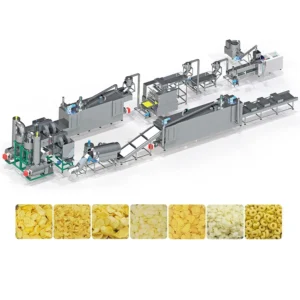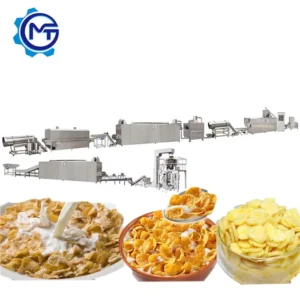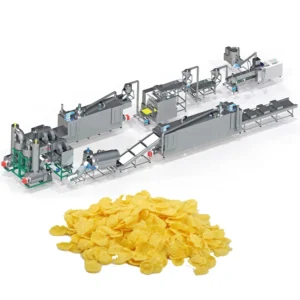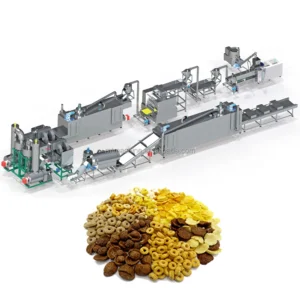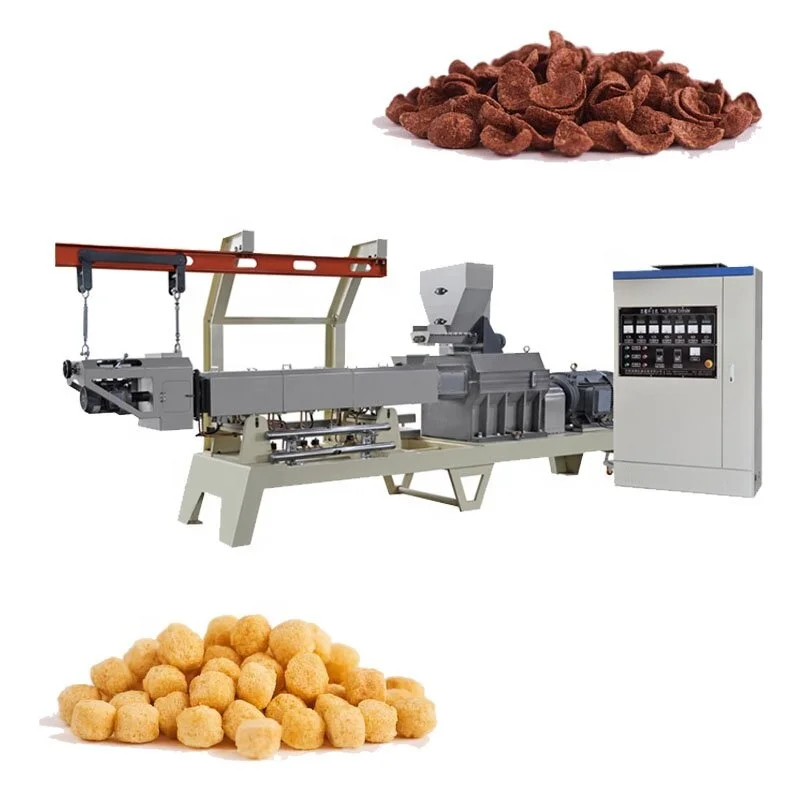
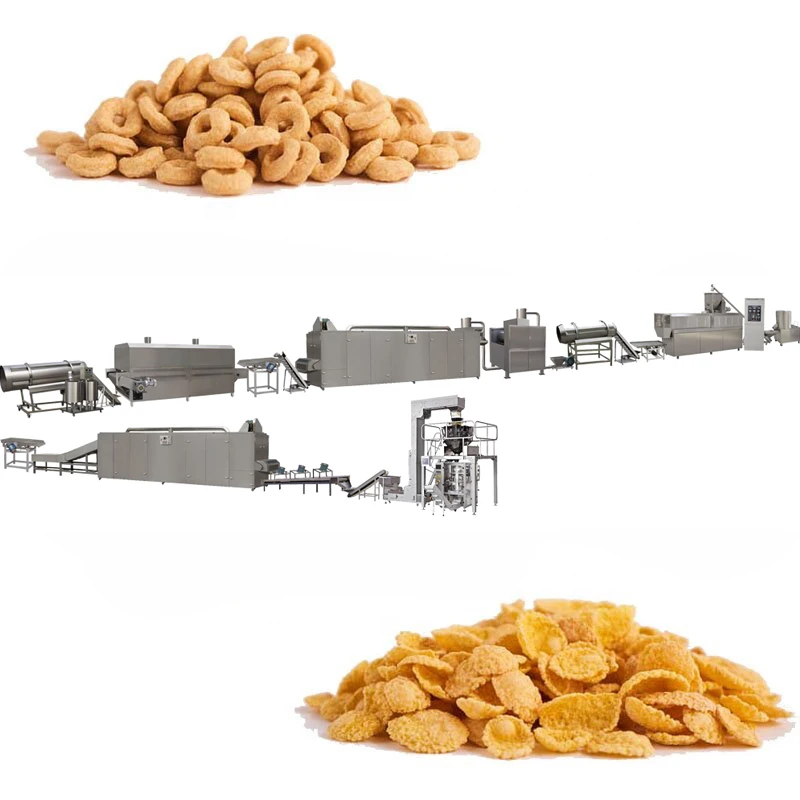
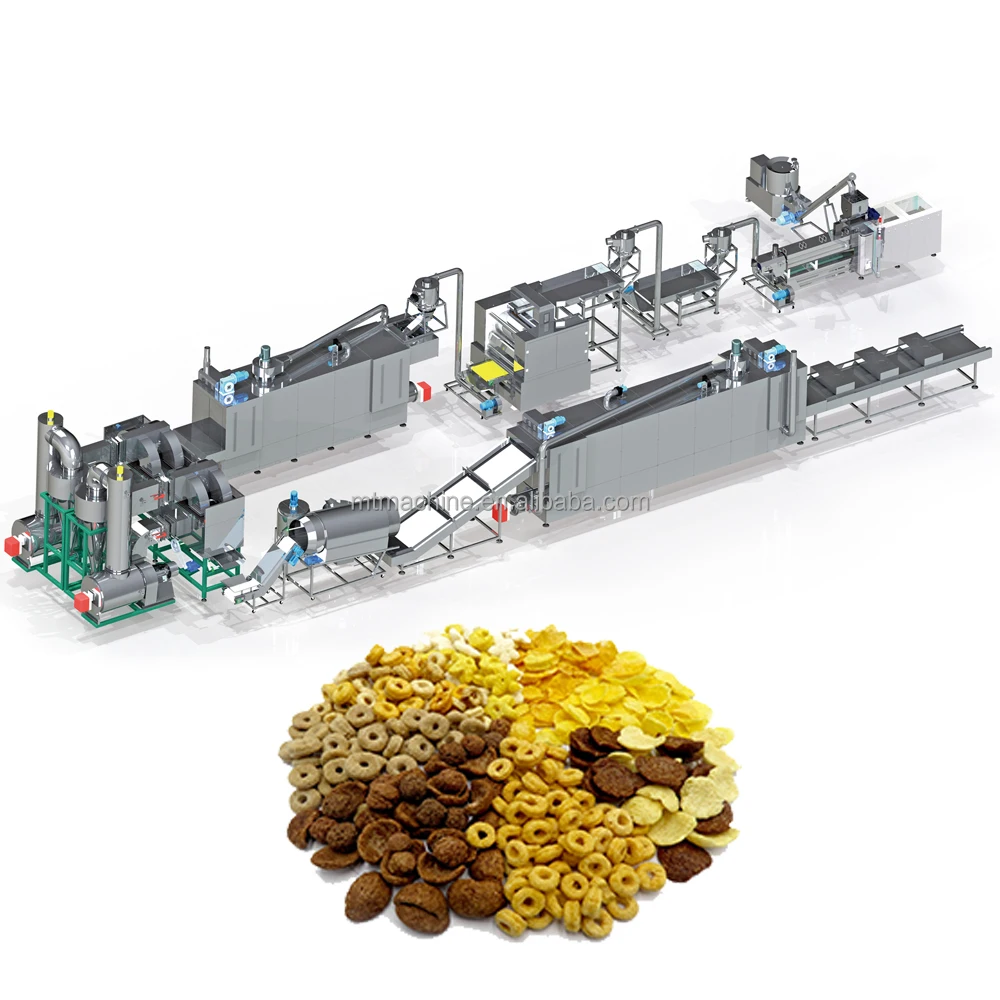


MT70 / MT85 / MT75 Corn Flakes Production Line, Twin-Screw, PLC Control — complete turnkey line from batching to packing with throughput matched across every station.
- Screw configuration and die design specified to buyer’s corn or cereal formulation and target flake density
- Hot air roasting oven with conciliation burner and dual circulating fans for precise surface blistering
- Line covers mixing, extruding, flaking, drying, roasting, sugar coating, cooling and packing under one supplier
Trial runs on customer raw material are conducted in the in-house testing workshop before shipment to verify capacity against actual formulation and moisture content.
Description
Turnkey Line Engineering — Every station from mixing through roasting is throughput-matched under one supplier, eliminating the mid-line pile-ups that stall breakfast cereal startups.
Technical Specifications
| Parameter | Value |
|---|---|
| Product Type | Corn Flakes Production Line |
| Screw Type | Twin Screw |
| Control System | PLC control system (flaking machinery) |
| Heating Source | Gas / Electric (dryer) |
| Flaking Machinery | Hydraulic double-roller system; dual motors; infrared temperature sensor |
| Roasting Oven | Vibrating pan, conciliation burner, dual circulating fans, cyclone dust removal |
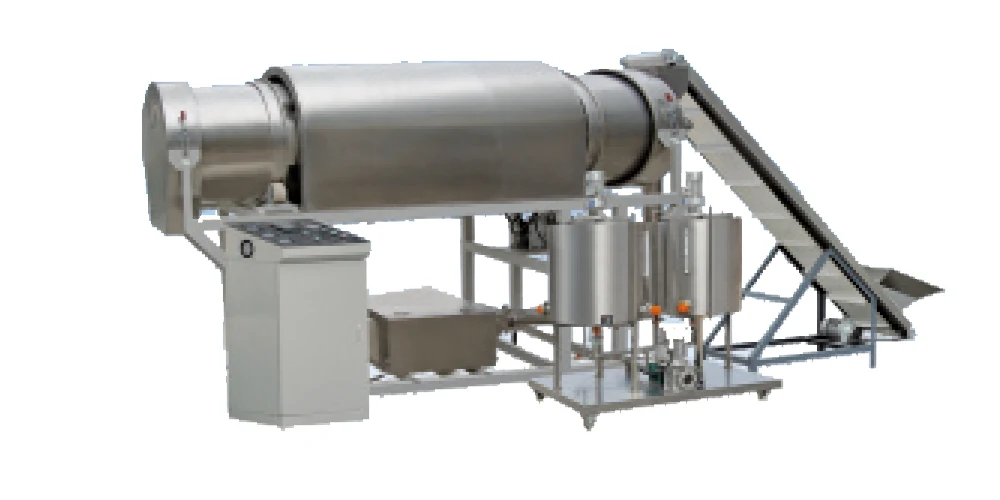
| Coating System | Double tumble sugar melting, elevator, coating drum, spraying nozzle |
| Extruder Features | Automatic lubricating, cooling function |
| Line Stations | Mixing, Extruding, Flaking, Drying, Hot Air Roasting, Sugar Coating, Cooling, Packing |
| Model | Installed Power | Power Consumption | Output Capacity | Overall Dimensions |
|---|---|---|---|---|
| MT70 | 160 kW | 120 kW | 150-200 kg/h (basis not stated in source) | 41 × 1.5 × 2.2 m |
| MT85 | 190 kW | 140 kW | 300-400 kg/h (basis not stated in source) | 43 × 1.5 × 3.2 m |
| MT75 | 210 kW | 150 kW | 300-500 kg/h (basis not stated in source) | 45 × 1.5 × 3.5 m |
Application Suitability
| Application | Material or Output |
|---|---|
| Natural corn flakes production | Corn, rice, wheat powder |
| Sugar-coated breakfast cereals | Corn grits, oat, barley powder with sugar coating |
| Shaped cereal formats | Ball, tube, stick, ring, fruit loop, star, wheel, flower, heart |
Why "300 kg/h" Means Nothing Without the Rest of the Line
A corn flakes production line turnkey only delivers rated output when every station is sized to the same throughput.
I watched a client in Eastern Europe lose entire shifts because their extruder was pushing material faster than the flaking rolls could press it. Cooked dough sat in the buffer tray, cooled below the glass transition point, and tore instead of flattening. The roaster downstream was also undersized for the real feed rate, so half the batch went back for a second pass. These are the problems that never show up on a spec sheet [NEED_CITE: breakfast cereal line throughput matching principles].
How the Turnkey Layout Prevents Mid-Line Bottlenecks
When a corn flakes production line turnkey is quoted as one project, the mixing batch size, extruder throughput, flaking roll speed, dryer belt length, and roaster residence time are all calculated against the same target capacity. This means the extruded pellet arrives at the flaking rolls at the correct temperature and moisture, and the pressed flake enters the dryer before surface starch retrogrades.
Scheduling a Phased Installation Across Multiple Trades
Building a complete breakfast cereal line involves civil work, gas lines, electrical panels, and dust extraction ducting. A phased commissioning schedule sequences the mixer and extruder first for wet trials, then brings the roaster and coating drum online once utility connections are verified. This reduces the risk of trade conflicts on the factory floor [NEED_CITE: industrial food line phased installation practice].
Reading the Spec Sheet Against Your Actual Formulation
The twin-screw extruder configuration — screw pitch, kneading block arrangement, and die aperture — must match the starch content and particle size of your specific corn or cereal blend. A screw setup optimized for pure corn grits will over-shear a blend heavy in oat or barley, producing fines instead of intact pellets. The PLC-controlled flaking machinery uses infrared sensors to hold roller temperature within a narrow band, which is critical when switching between natural and sugar-coated variants that demand different surface moisture levels at the press point. The roasting oven’s conciliation burner and dual circulating fans create a uniform hot-air curtain across the vibrating pan, giving each flake consistent blistering without scorching the edges.
The Cost of Assembling from Separate Vendors
When the extruder comes from one supplier and the flaking mill from another, nobody owns the throughput gap between them. I have seen producers spend weeks adjusting screw speed and roll gap independently, never realizing the real mismatch was in the transfer conveyor’s surge capacity. The result is chronic downtime and product that varies from shift to shift [NEED_CITE: food extrusion line integration risks].
Why Source the Entire Line from One Project Supplier
A single project scope means the line layout, utility load list, and electrical schematic are issued as one coordinated package — the 160 kW installed power on the MT70 or 210 kW on the MT75 is already factored into the main panel schedule. Throughput matching across every station is verified during factory trials, not left to commissioning surprises. The in-house testing workshop runs your raw material through the complete sequence from extrusion to roasting before the machines are crated. Screw and die configurations are documented against your specific formulation, so reorders of wear parts match the original setup. Voltage, frequency, and control language are confirmed before production starts, avoiding the rewiring delays that stall export installations.
Documentation & Verification
- Line layout drawing with capacity calculation matched to your target output
- Screw and die configuration record specific to your corn or cereal formulation
- Trial run report on your raw material conducted before shipment
- Electrical schematic with voltage and frequency confirmed for your market
- CE declaration of conformity and ISO certificate for the complete line
- Operation and maintenance manual covering every station from mixer to packer
Installation, Commissioning & Support
- Foundation plan accounts for the full 41–45 m line length and vibrating pan loads
- Main electrical panel sized for the MT75’s 210 kW installed power with dedicated breaker
- Machines ship in sectioned modules for container loading and on-site reassembly
- First wet trial runs the twin-screw extruder on your raw material with engineers present
- Operator training covers PLC screen navigation, roller gap adjustment, and roaster temperature profiling
- Wear parts list itemizes screws, dies, and flaking roller shells with reorder codes
What to Include in Your First Inquiry
Send your target cereal format, raw material blend, and daily output goal so the line capacity can be calculated against your actual formulation rather than a generic benchmark. Include your local voltage and frequency, workshop dimensions, and whether gas or electric heating is preferred for the dryer and roaster. If you have existing upstream or downstream equipment that must tie in, provide the interface details so the turnkey scope can be drawn to match.
Frequently Asked Questions
Q: How is line capacity verified against my specific corn or cereal formulation?
A: Your raw material is run through the in-house testing workshop, where extruder screw speed, die aperture, flaking roll gap, and roaster temperature are adjusted until the target flake density and blistering are achieved. The trial run report documents the actual throughput and product specification reached on your formulation.
Q: What does the turnkey scope cover from batching to packing?
A: The scope includes mixing and batching, twin-screw extrusion, hydraulic flaking, drying, hot air roasting, sugar coating, cooling, and packing stations. Each station is throughput-matched to the others under one project contract, so no mid-line buffer is required to absorb capacity mismatches.
Q: How are voltage and control language confirmed before manufacturing?
A: The electrical schematic is issued for your review showing motor voltages, control panel supply, and PLC interface language. Production begins only after you approve the drawing, ensuring the line arrives ready to connect without transformer or rewiring work on site.
Q: Can I witness a trial run on my raw material before shipment?
A: Yes. The testing workshop schedules trial runs on customer-supplied raw material, and you may attend in person or receive a full video and data report. The trial covers extrusion, flaking, and roasting to confirm that the final flake meets your density and texture specification.
Related products
-
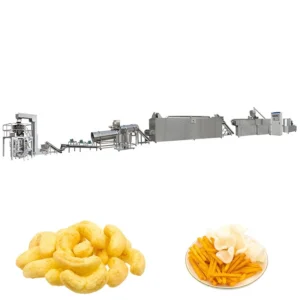
Corn Flake Making Machine Corn Puffs Making Machine Snack Food Production Line
Price range: ¥500.00 through ¥1,200.00 Select options This product has multiple variants. The options may be chosen on the product page -

Hot Selling Automatic Corn Flakes Breakfast Cereal Production Line Making Machine
¥20,000.00 Select options This product has multiple variants. The options may be chosen on the product page -
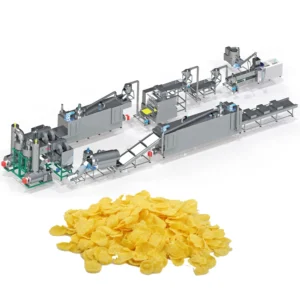
New Automatic Cornflakes Making Machine Oats Snack Food Chips Extruder Processing Line
¥30.00 Select options This product has multiple variants. The options may be chosen on the product page -
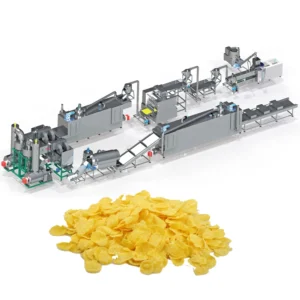
Intelligent Corn Flakes Production Line Twin Screw Extruder to Make Corn Flakes amd Morning Cereals
¥30.00 Select options This product has multiple variants. The options may be chosen on the product page