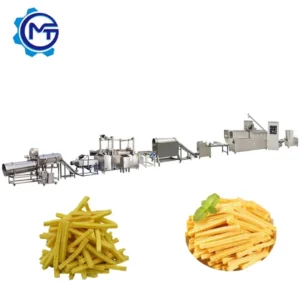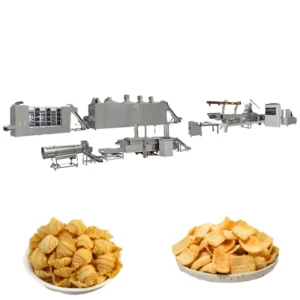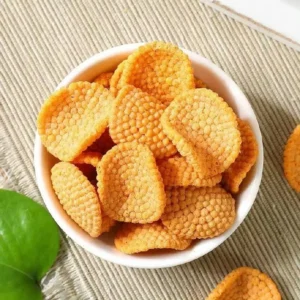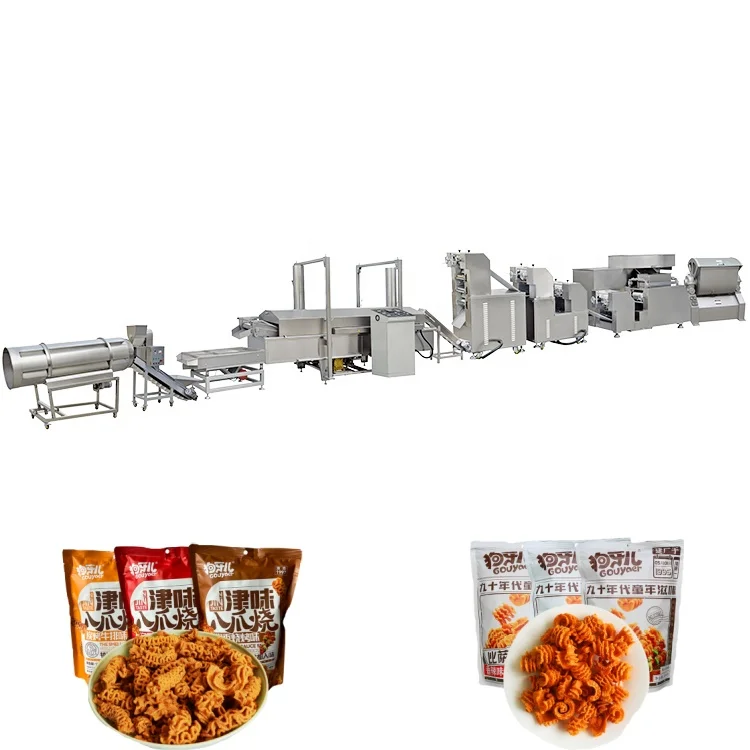


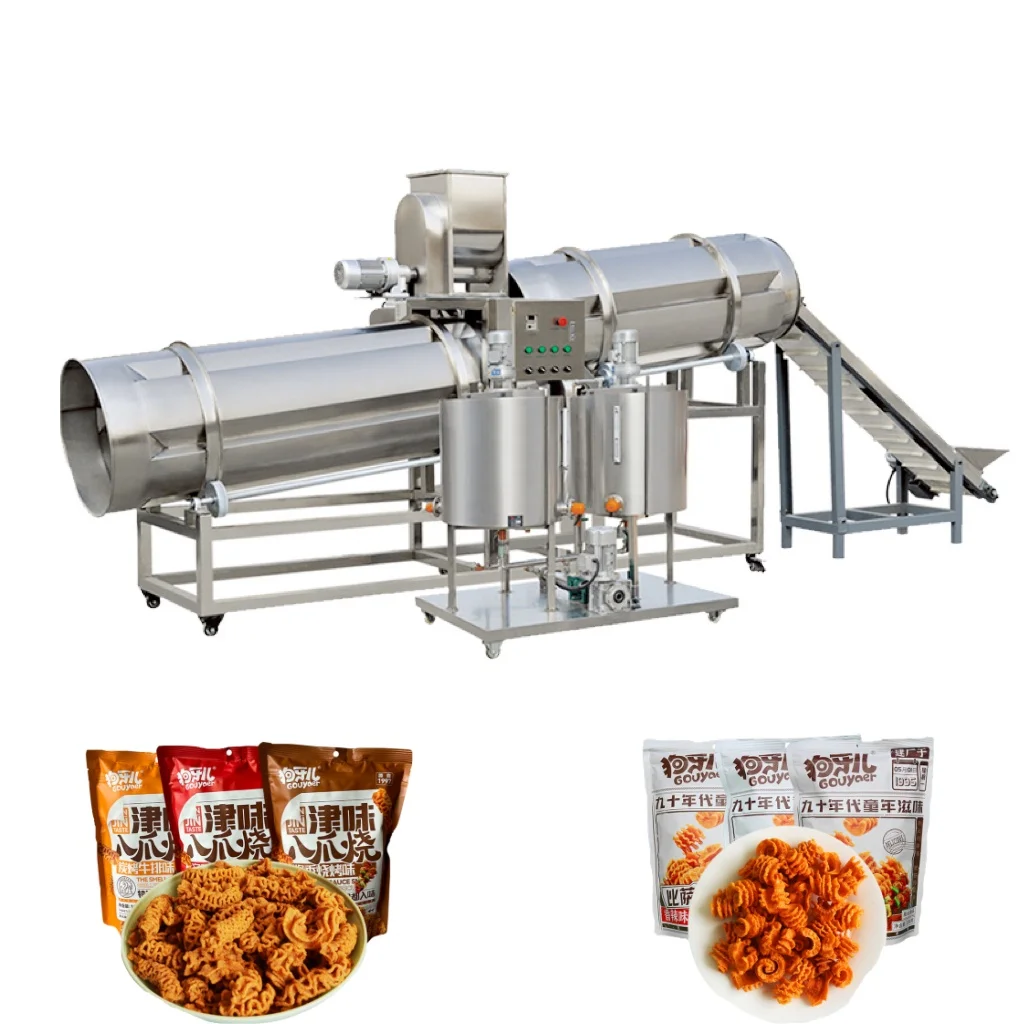
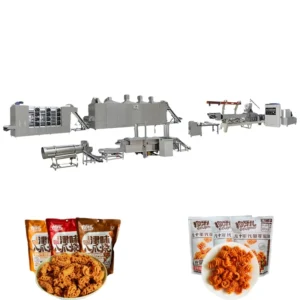
MT100/MT120 Puffed Snack Processing Line, Single Screw Extruder, 50–70 kW — designed for starch-based extruded snacks with high and low pressure screw configuration and die-adjustable shaping for screw shell, ring, tube, and cartoon forms.
- Line flow covers mixing, single screw extrusion, pulling and cutting, automatic fryer, flavoring, and cooling with throughput matched across every station under one supplier.
- Multiple energy options including electricity, gas, diesel, and steam allow utility planning to fit your factory infrastructure.
Delivered as a complete turnkey project with screw and die configuration specified to your raw material blend, plus in-house trial runs before shipment.
Description
Screw Configuration Matched to Raw Material — single-screw extrusion parameters and die geometry are specified to the buyer’s starch blend and target shape, verified through in-house trial runs before the line leaves the factory.
Technical Specifications
| Parameter | Value |
|---|---|
| Model | MT100/MT120 |
| Product Type | Puffed Snack Processing Line with Single Screw Extruder |
| Extruder Type | Single screw extruder |
| Screw Configuration | High and low pressure screw |
| Raw Materials | Wheat flour, corn starch, potato starch |
| Output Capacity | 120 kg/h (basis not stated in source — confirm raw material blend and moisture content) |
| Total Power (Electric) | 50–70 kW |
| Total Power (Gas/Diesel) | 50–60 kW |
| Voltage & Frequency | Three phases 380V/50Hz, Single phase 220V/50Hz (customizable to local voltage) |
| Energy Options | Electricity / Gas / Diesel / Steam |
| Overall Dimensions (L×W×H) | 12000–26000 × 1200 × 2200 mm |
| Material | Food grade stainless steel 201/304 |
| Motor Brand | Siemens (made in China) or China top brand |
| Inverter | Delixi or Delta |
| Product Shapes | Screw shell, round tube, square tube, ring, cartoon shapes (via die adjustment) |
| Line Stations | Mixer → Screw conveyor → Single screw extruder → Pulling and cutting machine → Automatic fryer → Automatic flavoring line → Cooling |
| Warranty | One year warranty and lifetime technical guidance |
| Standards | CE, ISO 9001 |
Application Suitability
| Application | Material or Output |
|---|---|
| Golgappa and pani puri production | Wheat flour and starch blends for thin-wall hollow puffing |
| Octopus-shaped puffed snacks | Starch-fish paste composites requiring controlled expansion in hot oil |
| Secondary puffing pellet snacks | Pre-extruded starch pellets expanded through frying |
| Pasta-type fried snacks | Corn starch and potato starch blends shaped through die extrusion |
| Ring and tube snack formats | Flour-based doughs cut to length before frying and seasoning |
Why Nominal Line Capacity Rarely Survives Contact With Your Raw Material
A puffed snack processing line turnkey proposal that quotes a single output figure without specifying the test blend, moisture percentage, and ambient conditions is a proposal built on assumptions.
Real throughput is only confirmed when the extruder, fryer, and flavoring drum all run your actual formulation at sustained pace.
I learned this the hard way in Mexico. A client ordered a fried puffed snack line rated for standard wheat flour. The trial in our workshop ran clean. Then the client switched to a cassava starch and fish paste blend on their own floor, and the expansion rate collapsed inside the fryer — an entire batch wasted before anyone could adjust the temperature profile [NEED_CITE: starch gelatinisation behavior across different botanical sources]. The problem was never the machine. The problem was that nobody had run the client’s real material through the full line before shipping. Since then, I require sample raw material from every buyer before we release equipment from the factory.
How Starch Source Dictates Extruder Behavior
Wheat flour, corn starch, and potato starch each gelatinise at different temperatures and absorb water at different rates. A single screw extruder with a high and low pressure screw configuration addresses this by creating distinct compression and expansion zones along the barrel. The high-pressure section forces moisture into the starch matrix, while the low-pressure zone near the die allows controlled flash expansion as the product exits. Getting this balance wrong means either a dense, under-expanded pellet or a fragile shell that shatters before it reaches the fryer.
Matching Fryer Residence Time to Extruder Output
The automatic fryer must absorb the full output of the pulling and cutting machine without product backlog or oil temperature drop. When a line is assembled from separate vendors, the fryer is often the station that limits actual throughput. In this puffed snack processing line turnkey configuration, fryer capacity is calculated against the extruder’s verified output on the buyer’s specific blend, so the oil temperature holds steady and every piece receives consistent heat exposure [NEED_CITE: oil temperature stability and product moisture absorption during deep frying].
Reading the Specification Sheet for What It Leaves Out
The high and low pressure screw configuration matters because it determines how the extruder handles blends with different amylose-to-amylopectin ratios. Potato starch, with its high amylopectin content, requires gentler compression than corn starch to avoid premature gelatinisation inside the barrel. The die design — whether producing screw shells, rings, or cartoon shapes — adds a second variable: thicker-walled shapes need longer fryer residence to expand fully. Total installed power across the line ranges from 50 to 70 kW on electric heating or 50 to 60 kW on gas or diesel, which affects how you plan your factory’s utility feed. The food grade stainless steel 201/304 construction on contact surfaces ensures compliance with food safety expectations in most export markets. Motor options include Siemens units manufactured in China or equivalent domestic brands, paired with Delixi or Delta inverters for speed control across the extruder and conveyor stations.
The Cost of Skipping the Trial Run
Buyers who accept a line based on a brochure capacity and a generic screw configuration often spend months after installation chasing inconsistent product density. The extruder runs, but some batches float in the fryer while others sink. The flavoring drum applies seasoning unevenly because the surface texture varies piece to piece [NEED_CITE: surface porosity and seasoning adhesion on extruded starch snacks]. These are not machine defects — they are the result of running a configuration that was never matched to the buyer’s actual raw material and target product specification.
What You Actually Get When One Supplier Builds the Whole Line
Every station on this line — from the mixer through the screw conveyor, extruder, pulling and cutting machine, automatic fryer, automatic flavoring line, and cooling conveyor — is sized against the others so that no single station becomes a bottleneck. The line layout and capacity calculation document shows you the throughput math before you commit. Screw and die configuration is recorded against your target product shape and density, not copied from a generic build. An in-house testing workshop runs your actual raw material through the extruder and fryer before shipment, producing a trial run report that becomes your baseline for commissioning. Energy options spanning electricity, gas, diesel, and steam let you match the line to your factory’s existing utility infrastructure rather than rebuilding it. Electrical schematics and voltage confirmation are locked to your local supply before production begins, so the first day of commissioning is not spent rewiring a control cabinet.
Documentation & Verification
- Line layout drawing showing throughput matching between mixer, extruder, fryer, and flavoring stations
- Screw and die configuration record specific to your target snack shape and starch blend
- Trial run report from the in-house testing workshop on your raw material before dispatch
- Electrical schematic and voltage confirmation matching your local power supply and frequency
- CE declaration of conformity and ISO 9001 certificate for the complete line
- Wear parts list covering screws, dies, and fryer components with replacement intervals
Installation, Commissioning & Support
- Floor space planning based on the 12000–26000 mm line length and 1200 mm width to accommodate operator access
- Dedicated circuit sizing for the 50–70 kW electric load or gas supply routing for thermal stations
- Line arrives in modular sections with labeled connections for on-site assembly in sequence
- First-run parameter setting on your raw material with screw speed, barrel temperature, and fryer dwell time documented
- Operator training covering die changes for shape switching and screw cleaning between formulation changes
- One year warranty with lifetime technical guidance on extruder and fryer maintenance
What to Send With Your Inquiry
Share the exact starch or flour blend you plan to run, including any secondary ingredients like fish paste or legume flour. Specify your local voltage and frequency, the control panel language your operators need, and the daily output you are targeting so we can confirm whether the MT100/MT120 platform fits your scale or a larger configuration is warranted.
Frequently Asked Questions
Q: How is line throughput verified on my specific raw material blend before shipment?
A: You send a sample of your actual raw material to our in-house testing workshop. We run it through the single screw extruder and fryer using the screw configuration and die designated for your order. The trial run report documents real output, expansion rate, and product density, which becomes the acceptance baseline before the line ships.
Q: What is the phased installation and commissioning schedule for a complete turnkey line?
A: The line arrives in modular sections. Utility connections — electrical, gas, steam — are prepared per the layout document we supply before delivery. Our engineer oversees assembly, first-run calibration on your raw material, and operator training on-site. A typical commissioning cycle covers mechanical checkout, thermal profiling, and sustained production verification.
Q: How are extruder, fryer, and flavoring station capacities matched to prevent bottlenecks?
A: Each station is sized during the line layout phase based on your confirmed raw material and target output. The fryer’s oil volume and belt speed are calculated against extruder throughput, and the flavoring drum’s rotation speed is set to coat the full fried output evenly. The capacity calculation document shows the matching math for every station.
Q: What utility requirements should I plan for the full line layout?
A: The line requires either a 50–70 kW electrical supply or a gas/diesel feed rated at 50–60 kW, depending on your energy selection. Voltage and frequency must be confirmed before production — 380V/50Hz is standard but configurable. Floor space must accommodate up to 26000 mm in length with clearance for maintenance access around the extruder barrel and fryer.
Q: How is operator training structured during on-site commissioning?
A: Training covers die changeover for different product shapes, screw speed adjustment through the Delixi or Delta inverter, fryer temperature management across product changeovers, and routine cleaning of the screw conveyor and flavoring drum. Operators run the line under supervision until consistent output quality is achieved on your actual formulation.
Related products
-
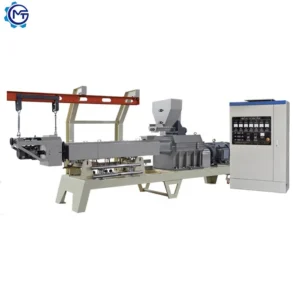
Industrial Fully Automatic Stainless Steel Deep Fried Line – Snack Factory Miscellaneous Grains Special Processing Equipment
¥65.00 Select options This product has multiple variants. The options may be chosen on the product page -
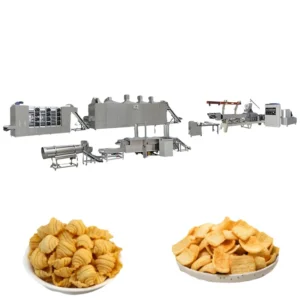
New Doritos Chips Frying Equipment Machine Automatic Tortilla Corn Chips Making Line Portable High Productivity
¥100.00 Select options This product has multiple variants. The options may be chosen on the product page -
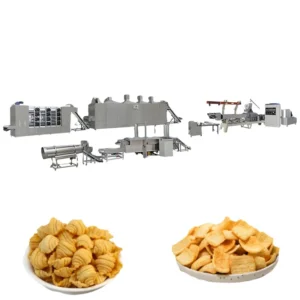
New Automatic Portable High Productivity Frying Salad Sticks Chips Snacks Food Production Line
¥100.00 Select options This product has multiple variants. The options may be chosen on the product page -
Fried Flour Corn Bugles Extruded Chips Pellets Doritos Snacks Food Machine Production Line Extruder
¥100.00 Select options This product has multiple variants. The options may be chosen on the product page