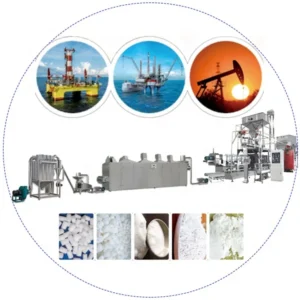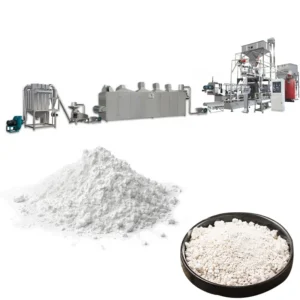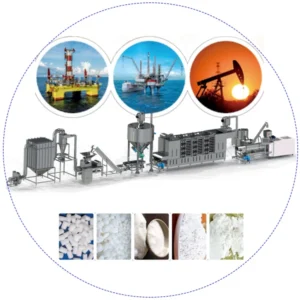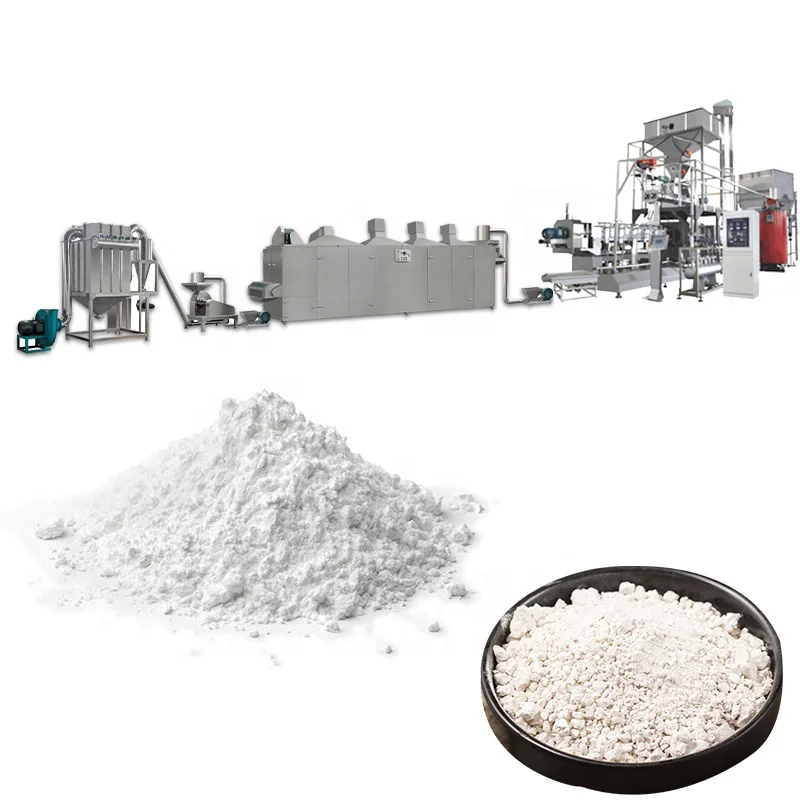
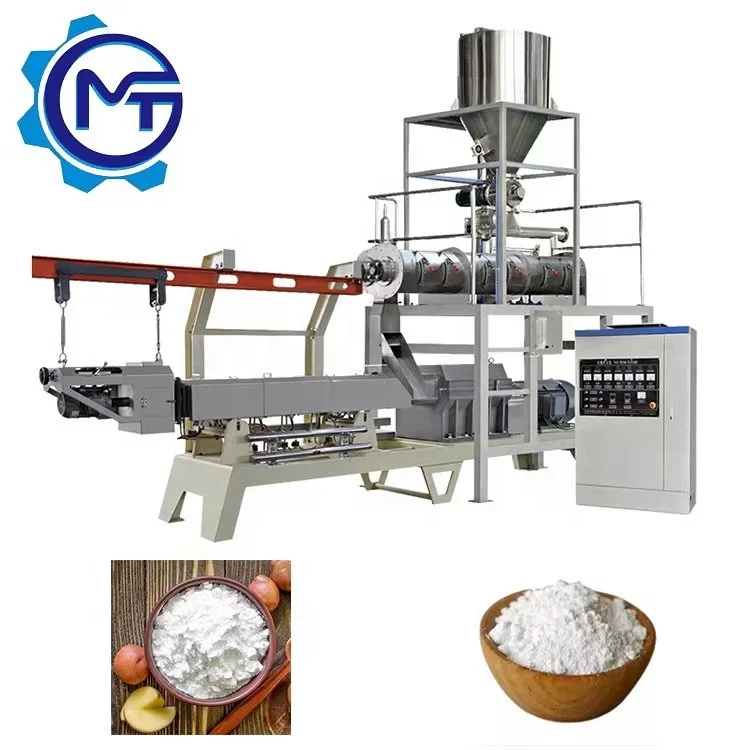

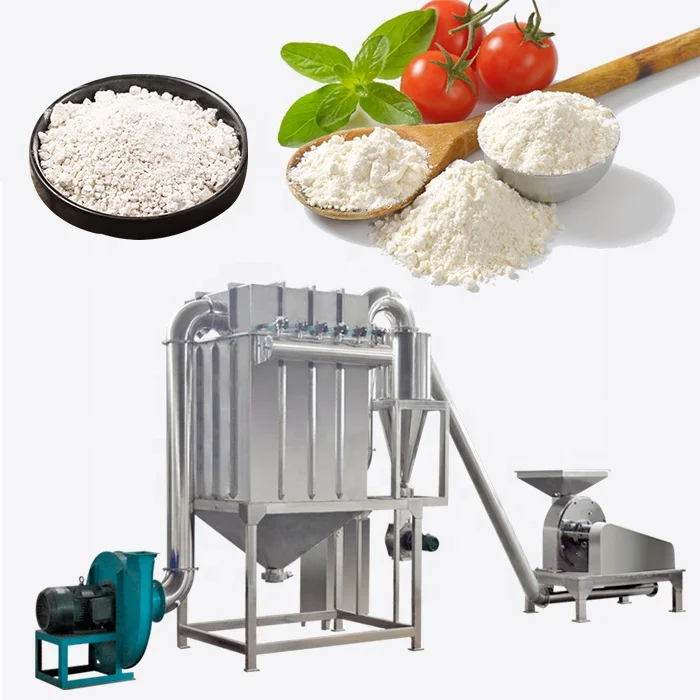
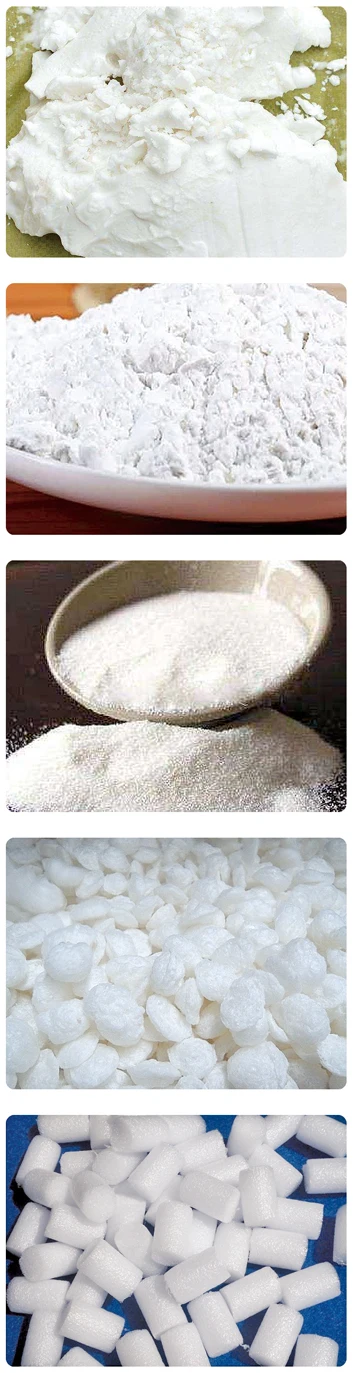

Modified Starch Production Line, Twin-Screw Extruder, 380V/50Hz, Food-Grade SS304 Contact — engineered for pre-gelatinised and modified starch from corn, wheat, or potato feedstock.
- Twin-screw extrusion with barrel internals in 45 steel, screw and die profile matched to your raw material’s gelatinisation behaviour and target viscosity.
- Multi-energy dryer options across electricity, gas, diesel, and steam to align with local utility infrastructure.
- Complete throughput-matched stations from mixing through drying, conditioning, and grinding under one supplier — eliminating integration risk across separate vendors.
In-house trial runs on customer starch validate expansion, gelatinisation degree, and line output before shipment.
Description
Throughput-Matched Station Design — every unit from the mixer through the grinder is sized to your specific starch feedstock, preventing the bottleneck that occurs when extruder output overwhelms a generic dryer.
Technical Specifications
| Parameter | Value |
|---|---|
| Product Type | Modified Starch Production Line |
| Extruder Type | Twin screw extruder |
| Capacity Range | 80–500 kg/h (basis not stated in source — confirm raw material type and moisture content) |
| Raw Materials | Wheat flour, corn starch, potato starch |
| Process Flow | Mixer → Screw conveyor → Twin screw extruder → Shifter → Air conveyor → Dryer → Air conveyor → Conditioning → Conveyor → Grinder |
| Mixer Main Motor | 4.0 kW |
| Mixer Output | 3.0–4.0 kg per batch |
| Screw Conveyor Output | 0–150 kg/h |
| Screw Conveyor Main Motor | 1.1 kW |
| Barrel Internals | 45 steel screw elements |
| Contact Material | Food grade stainless steel 304 |
| Frame Material | Stainless steel 201 |
| Energy Options | Electricity, gas, diesel, or steam |
| Voltage & Frequency | Three phases 380V/50Hz, Single phase 220V/50Hz (customizable to local supply) |
| Total Power (Electric) | Approx. 100 kW (basis to be confirmed based on line configuration) |
| Total Power (Gas/Diesel) | Approx. 50–60 kW (basis to be confirmed based on line configuration) |
| Warranty | One year with life-time technical guidance |
| Certification | CE |
Application Suitability
| Application | Material or Output |
|---|---|
| Pre-gelatinised starch for food processing | Corn starch and potato starch with controlled viscosity and gelling properties |
| Modified starch for industrial use (e.g., paper coating) | Wheat flour and corn starch processed for molecular weight and stability enhancement |
| Custom starch ingredients | Blends of corn, potato, and wheat starch for specific gelatinisation and expansion profiles |
Why Nominal Line Capacity Misses the Real Picture
A modified starch processing line turnkey quoted at a single throughput figure will underperform if the dryer cannot keep pace with the extruder on your actual starch type.
I have watched lines stall within the first two hours because the twin-screw extruder pushed gelatinised corn starch faster than the belt dryer could handle. The material piled up on the conveyor, moisture content stayed high, and operators had to stop the entire line to clear blockages. The extruder was never the problem — the mismatch between stations was [NEED_CITE: throughput balancing principles in continuous food processing lines].
This is the gap between a catalogue capacity and what you actually produce on a Tuesday afternoon with your local cassava or corn starch.
Designing the Line as One Continuous Project
A modified starch processing line turnkey begins with the process flow, not a list of standalone machines. The mixer batches starch to a target moisture, the screw conveyor meters feed into the twin-screw extruder, and the extruder gelatinises and expands the starch under shear and temperature. Each station must deliver to the next at the same rate, or the entire line oscillates between idle and overloaded.
How Screw Configuration Defines Modification Degree
The twin-screw extruder is where modification actually happens. Screw elements arranged in different kneading and conveying sequences control residence time, shear intensity, and the degree of starch gelatinisation. For pre-gelatinised starch aimed at instant food applications, the profile favours moderate shear with longer residence. For industrial-grade modified starch with higher viscosity, the screw arrangement increases kneading intensity to restructure molecular chains more aggressively [NEED_CITE: twin-screw extrusion effects on starch molecular structure].
Reading the Specs That Matter for Starch
The 45 steel screw elements inside the barrel must resist wear from abrasive starch granules running at high shear. Food grade stainless steel 304 on all contact surfaces prevents contamination in food-grade starch output. The mixer output of 3.0–4.0 kg per batch sets the feeding rhythm, and the screw conveyor range of 0–150 kg/h must align with the extruder’s intake rate. Energy options across electricity, gas, diesel, and steam allow the dryer to match whichever utility is most available and cost-effective at the installation site.
The Hidden Cost of Assembling Stations Separately
When an extruder, a dryer, and a grinder are sourced from three different vendors, nobody guarantees they work together at the same throughput. I have seen lines where the dryer ran at half the extruder’s output, forcing operators to throttle the twin-screw machine down and lose production hours every shift. Voltage mismatches discovered after the line arrives on site delay commissioning by weeks while transformers or rewiring are arranged locally [NEED_CITE: electrical compatibility requirements for exported food machinery].
Why This Line Is Engineered as a Single Project
Every station on this modified starch processing line turnkey is specified under one supplier, meaning throughput is calculated across the full flow from batching to grinding. Screw configuration and die design are matched to your starch feedstock — corn, wheat, or potato — not copied from a generic build. The line is trial-run in our testing workshop on your raw material before shipment, so gelatinisation degree and output rate are verified before the machines leave the factory. Electrical schematics and voltage are confirmed to your local grid before production begins. Food grade stainless steel 304 contact materials throughout meet sanitary requirements for food-grade starch production.
Documentation & Verification
- Line layout drawing showing station spacing and throughput balance for your starch type
- Screw and die configuration record documenting the profile matched to your raw material
- Trial run report on your starch verifying gelatinisation and output before dispatch
- Electrical schematic with voltage and frequency confirmed to your local grid
- CE declaration of conformity for the complete processing line
- Operation and maintenance manual covering every station from mixer to grinder
Installation, Commissioning & Support
- Foundation and floor space plan sized to the full line footprint including dryer and conditioning units
- Power supply verified against the confirmed voltage, frequency, and approximate 100 kW total electric load
- Phased installation schedule coordinating extruder, dryer, and grinder placement in sequence
- First-run parameter setting on your starch type with screw speed, barrel temperature, and dryer belt speed adjusted
- Operator training covering mixer batching rhythm, extruder feeding, and dryer moisture monitoring
- Wear parts list with replacement intervals for screw elements, dies, and dryer belt components
Before You Send an Inquiry
To size a modified starch processing line turnkey that actually holds its throughput on your material, we need your starch type (corn, wheat, potato, or cassava), the target modification or gelatinisation specification, and your daily output requirement. Share your local voltage, frequency, and preferred energy source for the dryer, along with available workshop dimensions and ceiling height. If you have existing upstream or downstream equipment the line must connect to, include those details as well.
Frequently Asked Questions
Q: How is line capacity verified against my specific starch raw material?
A: We run a trial production on your actual starch feedstock in our testing workshop before shipment. The trial verifies gelatinisation degree, expansion behaviour, and achievable output rate. You receive a trial run report documenting these results, so capacity is confirmed on your material rather than estimated from a generic specification sheet.
Q: What does the turnkey project scope include?
A: The scope covers line layout design, throughput calculation across every station, utility planning for power and energy sources, a phased installation schedule, and on-site commissioning. Operator training is included so your team can run the line independently. We provide full documentation including electrical schematics and a wear parts list.
Q: Can the dryer energy source match my local supply?
A: Yes. The dryer is available with electricity, gas, diesel, or steam heating. During the proposal stage we confirm which energy source is most available and cost-effective at your facility. This decision directly affects the dryer sizing and the total connected power requirement of the line.
Q: How are screw configuration and die design specified for different starch types?
A: Corn, wheat, and potato starch each respond differently to shear and temperature inside the twin-screw barrel. We adjust the kneading block sequence, conveying element pitch, and die geometry to match your starch type and target modification degree. The exact configuration is documented in a screw and die record provided with the line.
Q: What documentation comes with the line for customs and installation?
A: You receive a CE declaration of conformity, packing photographs, customs documentation support, electrical schematics, a line layout drawing, and an operation manual. The screw configuration record and factory trial report are also included so your installation team has a verified reference from day one.
Related products
-
Automatic 304 Stainless Steel Modified Corn Starch Making Machine TWIN SCREW 500kg/h Capacity Starch Processing Production Line
¥50.00 Select options This product has multiple variants. The options may be chosen on the product page -
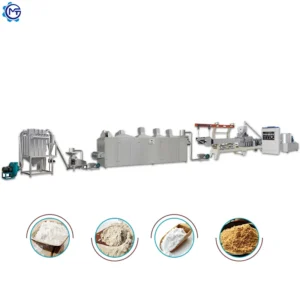
Twin-Screw Extrusion Line for Modified Starch. Producing Pregelatinized Adhesive & Food Grade Powder
¥65.00 Select options This product has multiple variants. The options may be chosen on the product page -
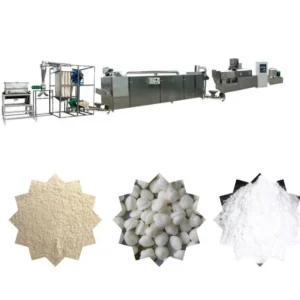
Pregelatinized Low-Cost Modified Starch Line – High-Efficiency Automated Starch Processing Machine
¥65.00 Select options This product has multiple variants. The options may be chosen on the product page -
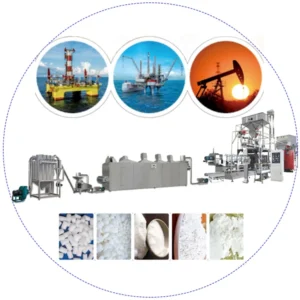
New Automatic Modified Starch Puffing Production Line – Long Service Life Pregelatinized Starch Equipment
¥65.00 Select options This product has multiple variants. The options may be chosen on the product page