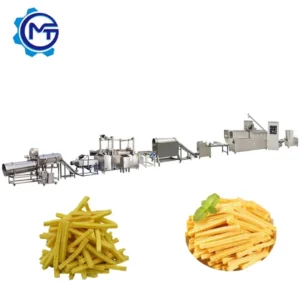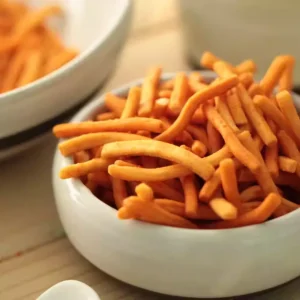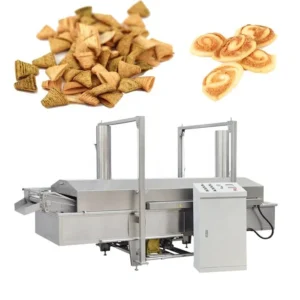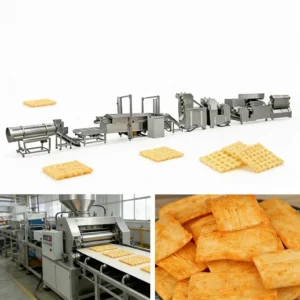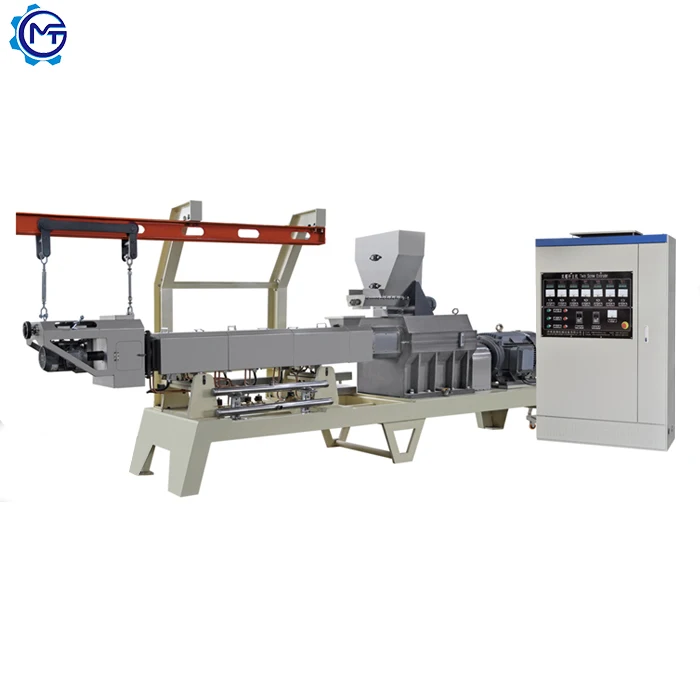
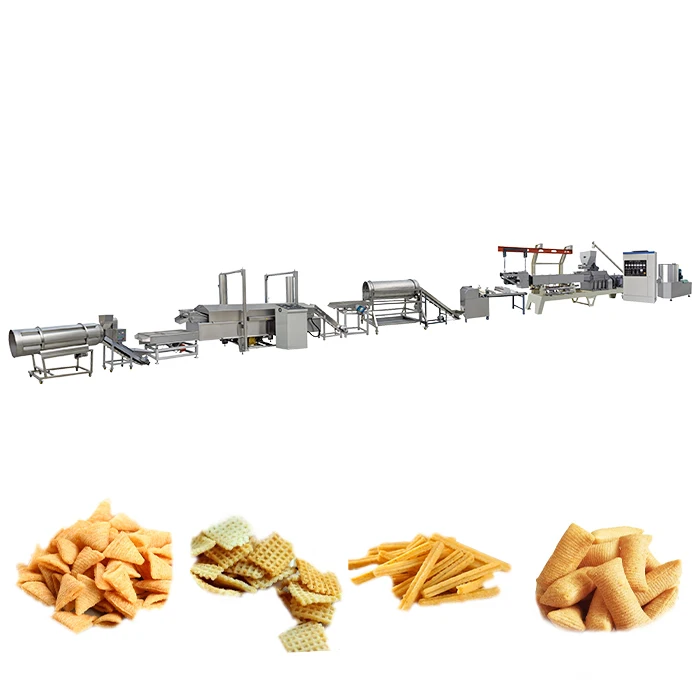
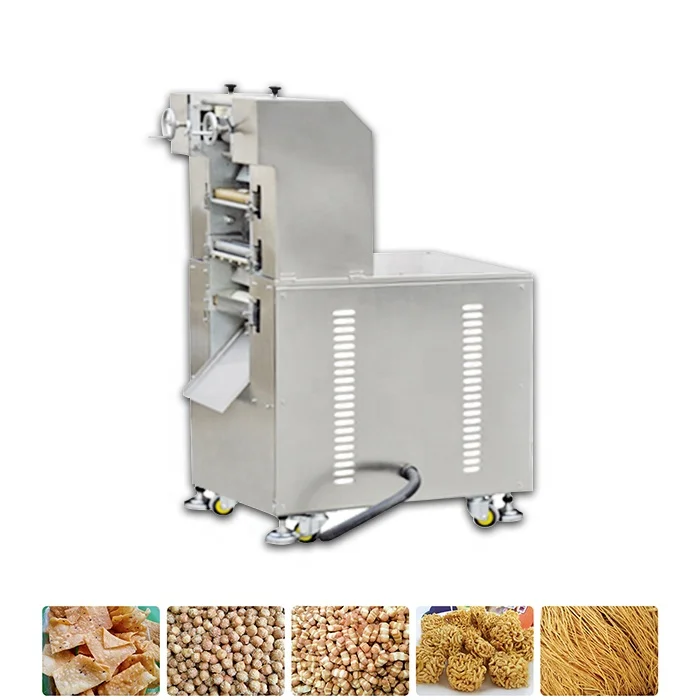
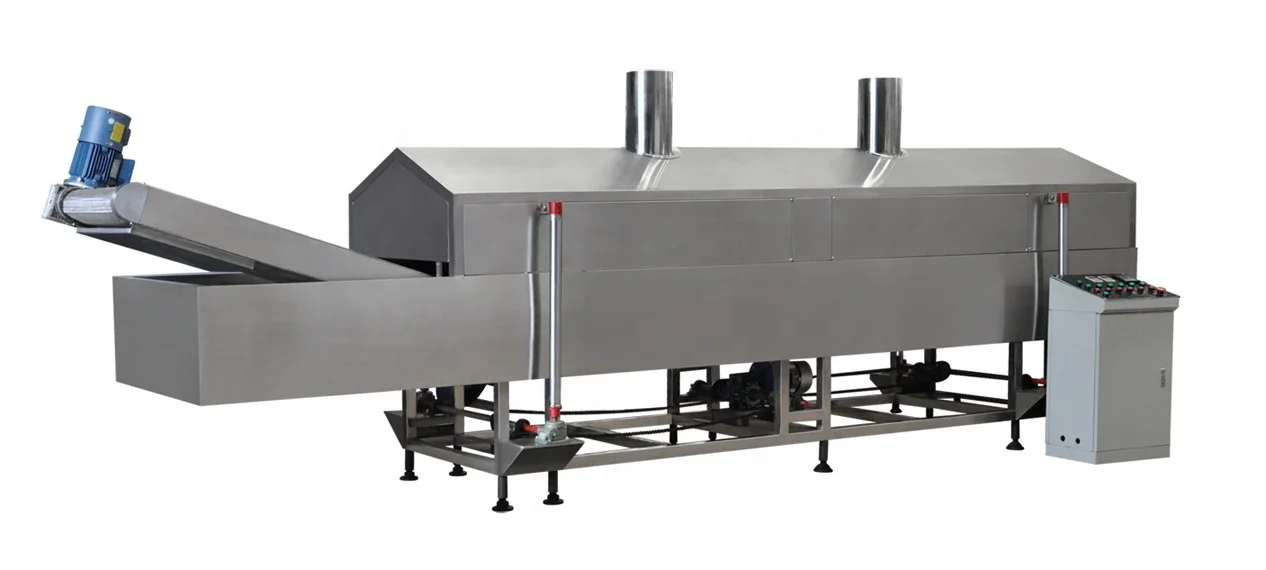
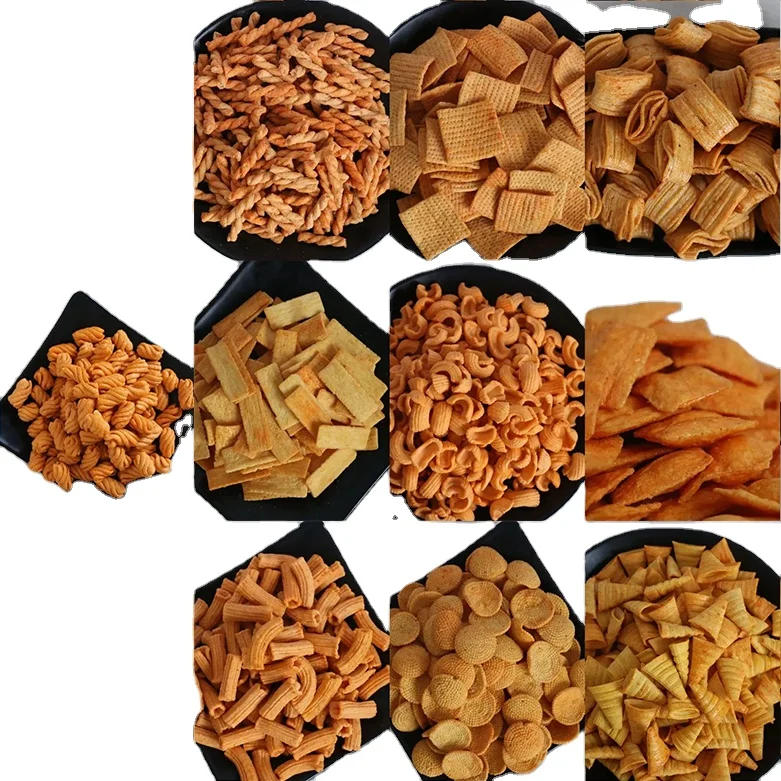
MT100/MT120 Single Screw Fried Snacks Production Line, 50-70 kW, Food Grade SS 201/304 — engineered as one integrated turnkey project with throughput matched across mixing, extrusion, frying, flavoring and cooling stations. Single screw extruder with high and low pressure screw configuration processes wheat flour, corn starch and potato starch into multiple die-adjustable shapes including screw shell, ring and tube formats. Multiple energy options from electricity to steam configurable to site utility planning.
- Line layout and capacity calculation confirming station-to-station throughput alignment provided before order
- In-house testing workshop trial run on customer’s actual raw material before shipment
- On-site installation, commissioning and operator training included with one year warranty
Description
Throughput-Matched Line Engineering — every station from the mixer to the flavoring drum is sized to the same hourly output so the extruder never starves the fryer or overloads the cooling belt.
Technical Specifications
| Parameter | Value |
|---|---|
| Model | MT100/MT120 |
| Product Type | Single Screw Extruder Fried Snacks Production Line |
| Extruder Configuration | Single screw with high and low pressure screw elements |
| Output Capacity | 120 kg/h (basis not stated in source — confirm raw material formulation, moisture content, and product shape) |
| Installed Power | 50–70 kW (electrical heating); 50–60 kW (gas or diesel heating); approx. 100 kW normal electrical capacity |
| Voltage & Frequency | Three-phase 380 V / 50 Hz; single-phase 220 V / 50 Hz (customizable to local supply) |
| Energy Options | Electricity, gas, diesel, or steam |
| Line Stations | Mixer → Screw conveyor → Single screw extruder → Pulling and cutting machine → Automatic fryer → Automatic flavoring line → Cooling |
| Overall Dimensions | 12 000–26 000 × 1 200 × 2 200 mm (L × W × H, depending on station count) |
| Contact Material | Food-grade stainless steel 201 or 304 |
| Drive & Controls | Siemens motor (made in China) or equivalent China top brand; Delixi or Delta inverter |
| Certification | CE, ISO 9001 |
Application Suitability
| Application | Material or Output |
|---|---|
| Golgappa and pani puri shells | Wheat flour and corn starch blends at controlled hydration |
| Shaped crispy fried snacks | Potato starch and wheat flour mixes in ring, tube, and cartoon formats |
| Secondary puffing extruded pellets | Corn starch or blended grain flour for fry-expanded snack formats |
| Pasta-style extruded shapes | Wheat flour dough through interchangeable die plates |
What "120 kg/h" Really Means When the Fryer Is Undersized
A fried snacks production line turnkey only performs when every station is calculated against the same real-world output, not against a brochure number.
When an extruder is quoted at a nominal capacity without specifying the raw material moisture, die geometry, or target product density, the number rarely holds up once the fryer is running at temperature and the flavoring drum needs continuous feed. I once watched a line stall at the cooling conveyor because the upstream extruder was pushing more wet product than the dryer could handle. The buyer had a 120 kg/h extruder paired with a fryer rated for 90 kg/h of finished output. Nobody had done the water-loss math. [NEED_CITE: moisture reduction ratios in continuous frying operations]
Line Throughput Alignment Across Extrusion, Frying, and Flavoring
The single screw extruder in this MT100/MT120 fried snacks production line turnkey is configured with high and low pressure screw elements, which expands the range of starch-based raw materials it can process without surging or inconsistent expansion. Throughput alignment starts at the mixer: batch size and cycle time are set so that the screw conveyor delivers a steady, metered flow into the extruder hopper.
Downstream, the pulling and cutting machine is synchronized to the extruder’s exit speed, ensuring uniform piece length before the product enters the automatic fryer. If the fryer’s oil volume, belt speed, or heat recovery rate cannot absorb the extruder’s actual wet output, moisture reduction stalls and the product exits too soft for the flavoring drum to coat evenly.
Die Geometry and Product Shape Flexibility
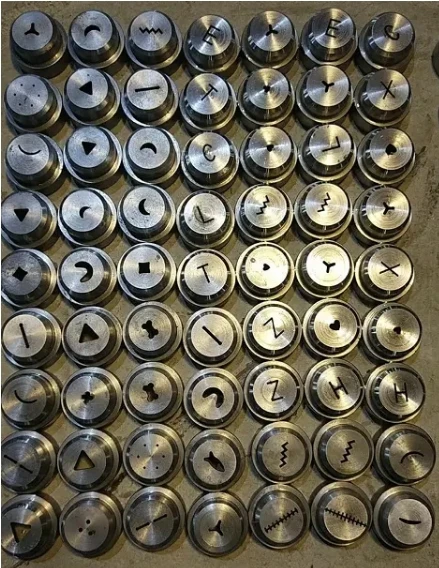
Shape consistency in fried puffed snacks depends on the relationship between die opening, screw pressure profile, and dough moisture at the extruder exit. The MT100/MT120 line supports interchangeable dies that produce screw shell, round tube, square tube, ring, and custom cartoon shapes. Each die plate changes the back pressure inside the barrel, which in turn affects starch gelatinization and the expansion ratio once the piece hits hot oil. [NEED_CITE: die pressure and expansion behavior in single screw extrusion]
Switching from a round tube die to a thin-wall ring die may require a screw speed adjustment and a different barrel temperature profile. That is why the configuration record — die selection matched to the buyer’s specified product shape and raw material formulation — is documented before the machine leaves the factory.
Reading the Specs That Actually Matter on a Frying Line
The 50–70 kW installed power figure for electrical heating tells you the thermal headroom available at the fryer and extruder barrel heaters, but the more practical question is which energy source your site supports. Gas and diesel options drop that requirement to 50–60 kW, which can change the electrical service specification for an entire production hall.
The 12 000–26 000 mm line length range reflects how many intermediate stations — drying, cooling, inspection — are included between extrusion and packing. A shorter footprint usually means some stations are combined or the cooling conveyor is truncated. The Siemens or equivalent motors paired with Delixi or Delta inverters allow variable speed control on the screw conveyor and cutting unit, which is essential when you change die plates and need to re-synchronize the line.
The Hidden Cost of an Unmatched Frying Station
When the fryer is sized to a lower throughput than the extruder, wet product piles up on the infeed belt, oil temperature drops with each overload batch, and the final moisture content drifts outside specification. Downstream, the flavoring drum receives product that is too damp for seasoning to adhere, so operators compensate by running the drum longer — which creates a second bottleneck. [NEED_CITE: consequences of throughput mismatch in sequential food processing lines]
These failures rarely show up during a factory test with a generic wheat flour recipe. They surface only when the buyer’s actual formulation — with its specific starch ratio, added fats, and hydration level — runs through the full sequence.
Why This Line Is Engineered as One Project
Every station is specified under a single layout document, so the mixer batch cycle, extruder screw speed, fryer belt rate, and flavoring drum timing are calculated against the same throughput target rather than assembled from independent vendor quotes. The screw and die configuration is selected based on the buyer’s raw material sample, not copied from a generic build.
An in-house testing workshop runs the buyer’s actual formulation through the extruder and fryer before shipment, so expansion behavior, oil absorption, and seasoning adhesion are verified — not assumed. Multiple energy options allow the fryer and dryer to match the site’s available utilities, whether that is natural gas, diesel, steam, or electrical supply. Electrical schematics confirm voltage, frequency, and control language for the destination market before the panels are wired.
Documentation & Verification
- Line layout drawing with station-by-station capacity calculation for your target product shape
- Screw and die configuration record matched to your raw material formulation and moisture range
- Factory trial run report on your actual wheat flour or starch blend before dispatch
- Electrical schematic confirming voltage, frequency, and panel labeling for your local supply
- CE declaration of conformity and ISO 9001 certificate included with shipping documents
Installation, Commissioning & Support
- Foundation plan based on the 12 000–26 000 mm line length and fryer weight at operating oil level
- Dedicated circuit sizing for the 50–100 kW total connected load, matched to your confirmed voltage and frequency
- Station-by-station assembly sequence with pulling cutter and fryer belt alignment checkpoints
- First-run parameter setting for screw speed, barrel zones, and fryer temperature on your raw material
- Operator training covering die changeover, inverter adjustment, and oil filtration cycle procedures
- Wear parts list with screw element, die plate, and fryer belt specifications for first reorder planning
What to Include in Your Inquiry
Specify the raw material formulation you intend to run — wheat flour, corn starch, potato starch, or a blend — along with the target moisture content and product shape. Include your available voltage and frequency, workshop dimensions including ceiling height, and whether gas, diesel, steam, or electrical heating is preferred for the fryer. If you have existing upstream or downstream equipment that this fried snacks production line turnkey must integrate with, note the interface points and current throughput rates.
Frequently Asked Questions
Q: How is line throughput verified across extrusion, frying, and flavoring stations as one matched system?
A: Each station’s capacity is calculated against the same target output based on your raw material formulation and moisture content. The layout document shows the rated throughput at the mixer, extruder, fryer, and flavoring drum so you can verify alignment before production begins. A trial run on your actual material confirms these numbers in practice.
Q: What voltage, frequency, and control language options are confirmed before commissioning?
A: The electrical schematic is prepared after confirming your local supply — three-phase 380 V / 50 Hz, single-phase 220 V / 50 Hz, or a custom specification. Panel labeling, inverter menus, and HMI text are set to the operator’s language before the control cabinets are wired and shipped.
Q: How is screw and die configuration selected for a specific raw material and target product shape?
A: The high and low pressure screw elements are arranged based on the starch type, protein content, and hydration level of your formulation. The die plate is chosen to match the target shape — tube, ring, shell, or custom profile — and the resulting back pressure is factored into the barrel temperature and screw speed settings.
Q: Is a trial run performed on the customer’s raw material before shipment?
A: Yes. The buyer sends a sample of their actual wheat flour, corn starch, or potato starch blend to the testing workshop. The extruder and fryer run this material under production conditions, and a report covering expansion ratio, oil absorption, moisture content, and shape consistency is provided before dispatch.
Q: What does the installation and commissioning schedule look like for a complete turnkey line project?
A: Installation follows a phased sequence starting with foundation work and utility connections, then station-by-station assembly from mixer to cooling conveyor. Commissioning begins with individual station checks, progresses to synchronized dry runs, and concludes with a full production run on your raw material to verify throughput and product quality.
Related products
-
Puffed Octopus Snack Processing Line – Full-Automatic Fried Octopus Production Machinery
¥65.00 Select options This product has multiple variants. The options may be chosen on the product page -
Industrial Fully Automatic Stainless Steel Deep Fried Line – Snack Factory Miscellaneous Grains Special Processing Equipment
¥65.00 Select options This product has multiple variants. The options may be chosen on the product page -
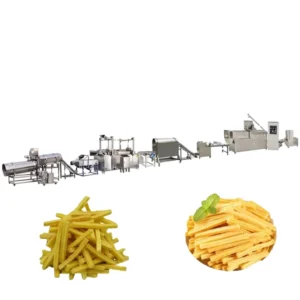
High-Yield Automated Fried Snack Production Line – Double Screw Salad Strips & Millet Crust Making Equipment
¥65.00 Select options This product has multiple variants. The options may be chosen on the product page -
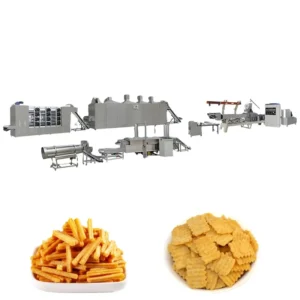
Fried Bugles Chips Production Line Fried Doritos Tortilla Snack Food Extruder
¥100.00 Select options This product has multiple variants. The options may be chosen on the product page