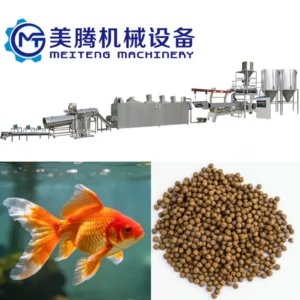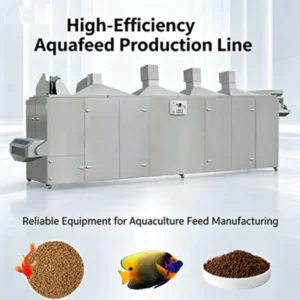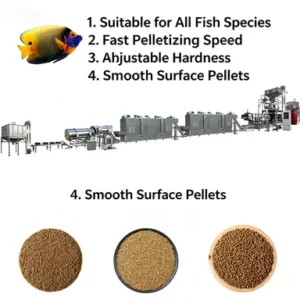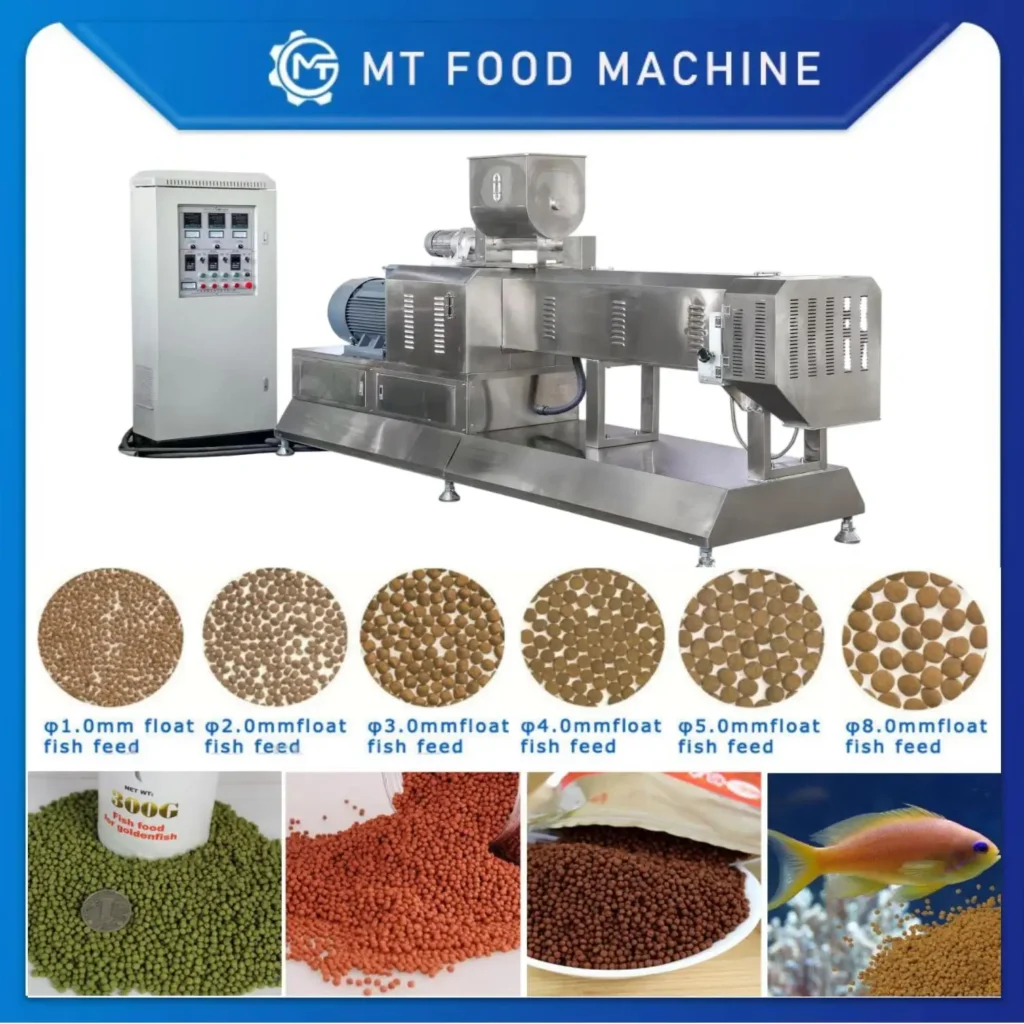
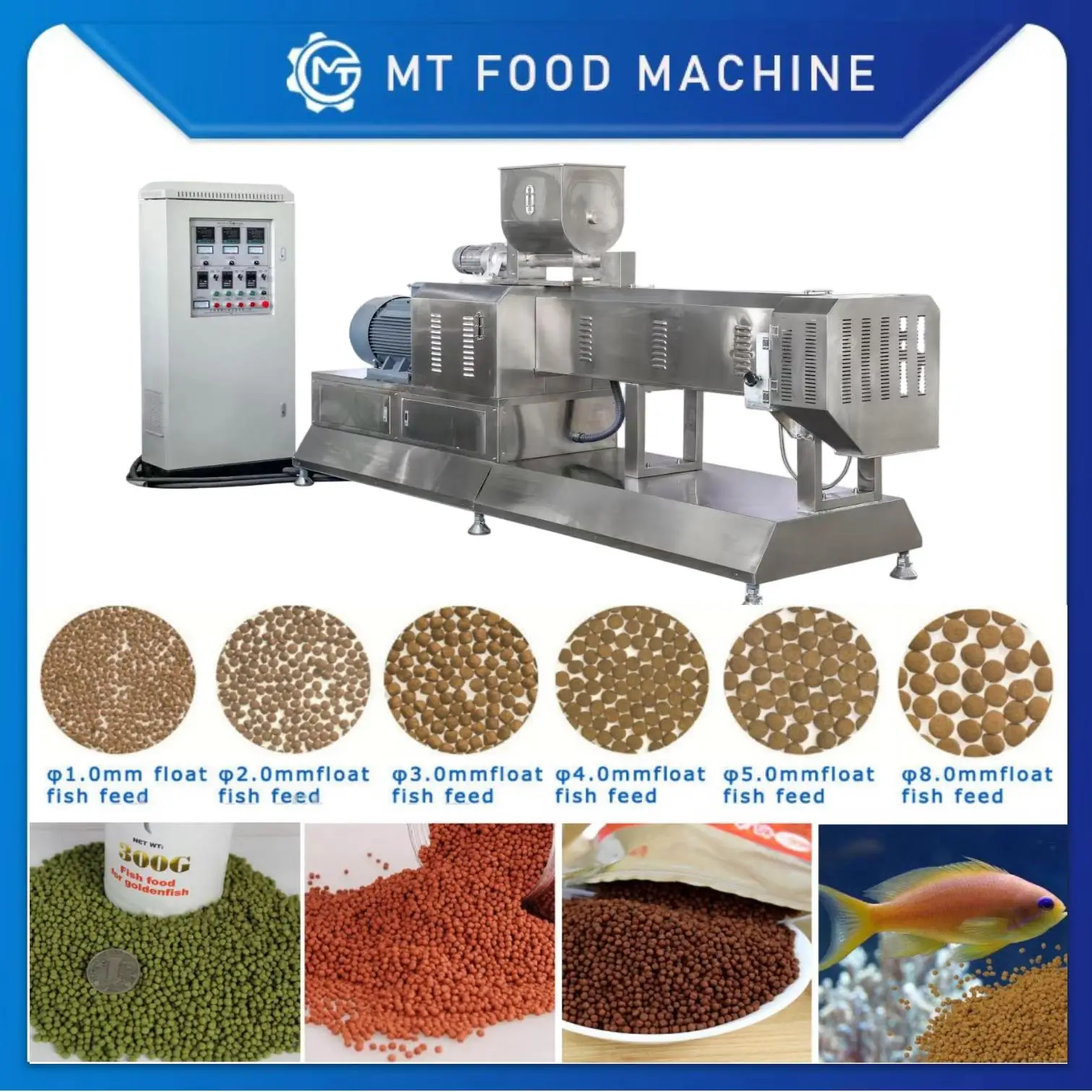

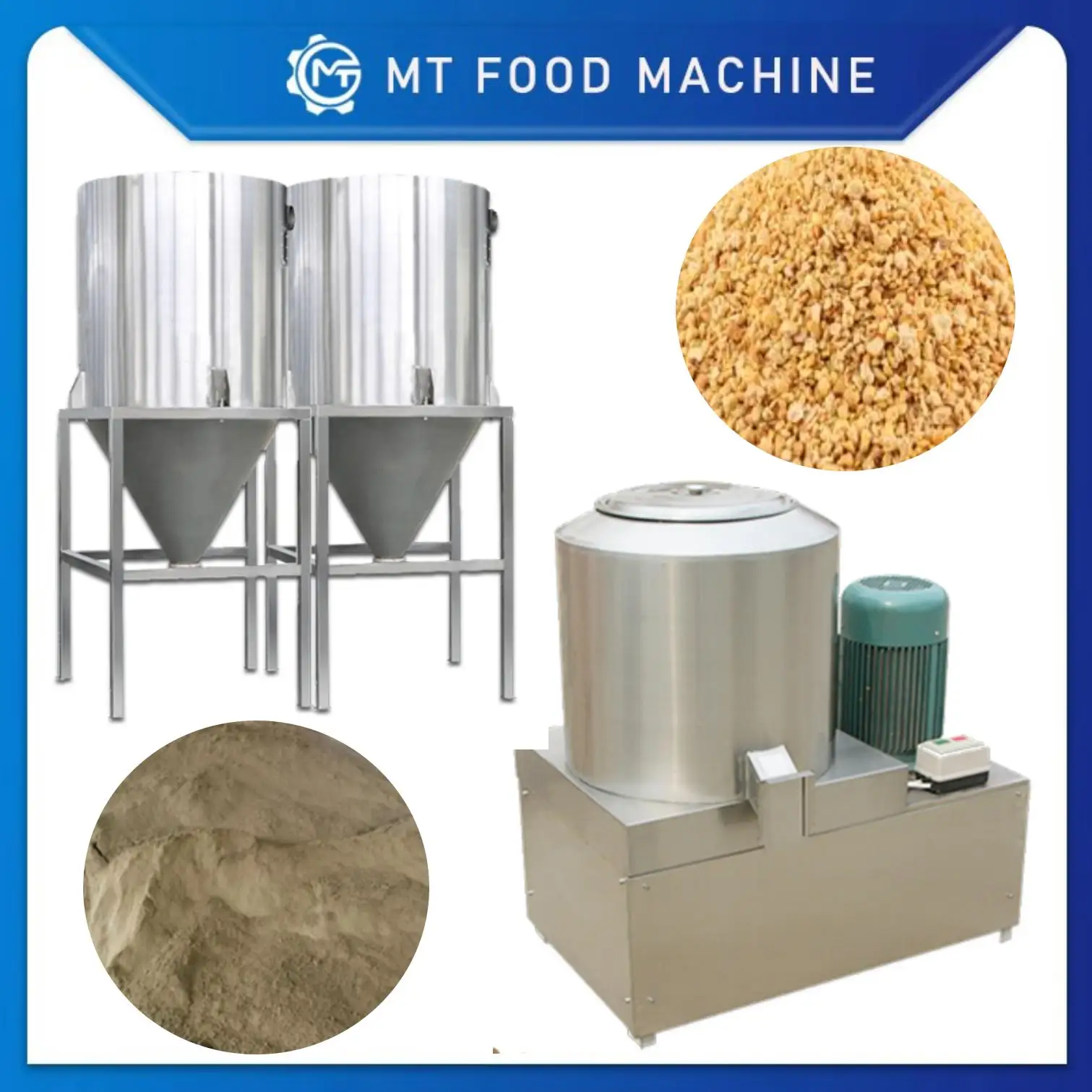


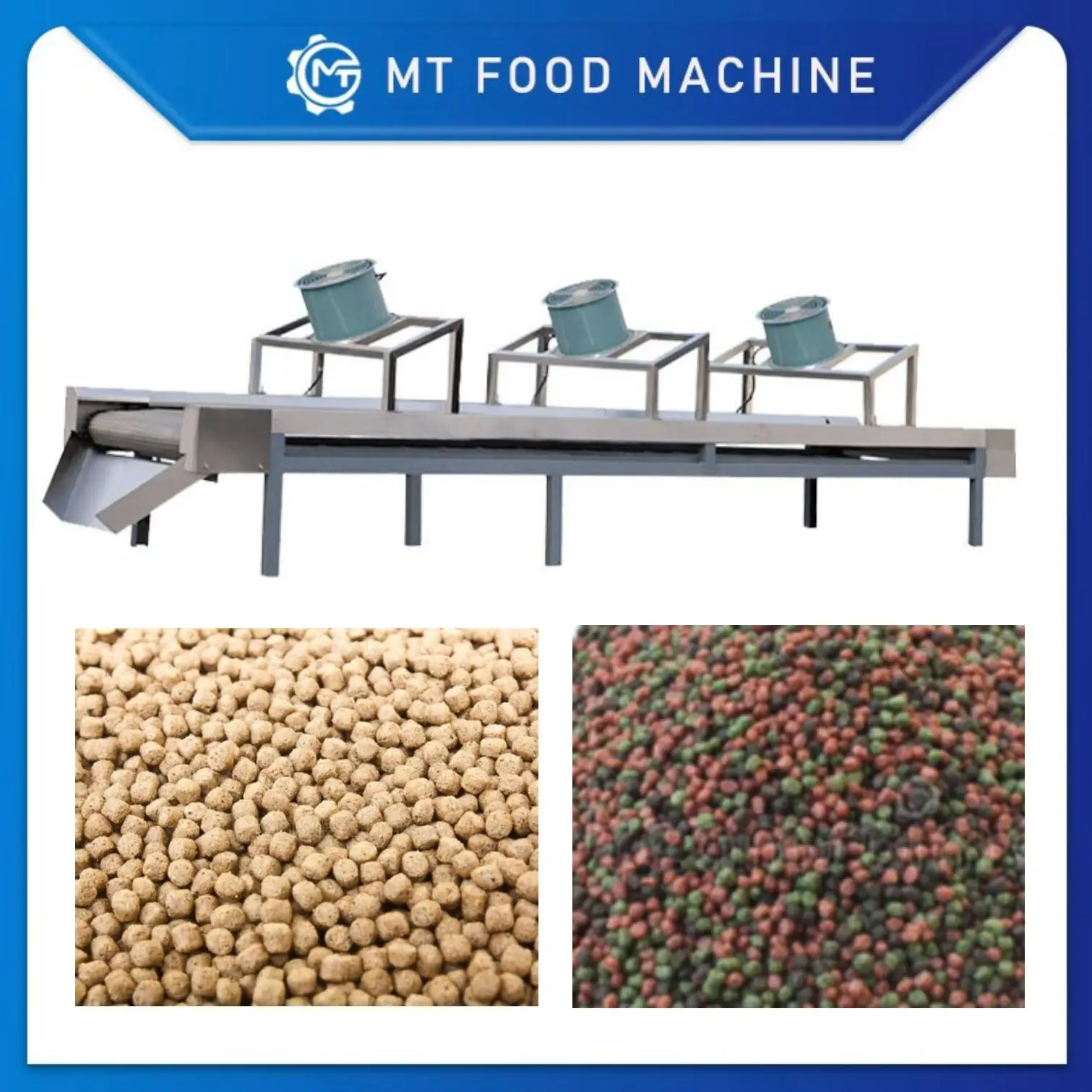
Multi-Species Fish Feed Production Line, Twin-Screw Extruder, 304 Stainless Steel — engineered for floating and sinking pellet production across trout, salmon, and catfish aquaculture applications.
- Screw configuration and die design matched to target pellet diameter, species-specific density, and raw material formulation
- Complete line layout from batching through extrusion, drying, coating, and cooling with throughput verified across every station
In-house testing workshop trials your exact formulation before shipment, confirming capacity and pellet specifications against your production targets.
Description
Throughput-Matched Stations — Every station from batching to packing is engineered around the same 4–5 t/h target (subject to raw material formulation, moisture content, and pellet diameter confirmation), so no single machine bottlenecks the entire line.
Technical Specifications
| Parameter | Value |
|---|---|
| Product Type | Fish Feed Production Line |
| Extruder Type | Twin-screw extruder |
| Output Capacity | 4–5 t/h (basis not stated in source — confirm raw material formulation, moisture content, pellet diameter) |
| Construction Material | 304 stainless steel contact surfaces |
| Target Species | Trout, salmon, catfish, tilapia, and other aquaculture species |
| Feed Types | Floating and sinking pellets |
| Control System | PLC and MCC control available |
| Line Stations | Batching, extrusion, drying, coating, cooling, packing (station scope to be confirmed per project) |
| Certification | CE and ISO available (confirm inclusion for this line) |
Application Suitability
| Application | Material or Output |
|---|---|
| Floating trout and salmon pellets | High-protein fish meal, starch binders, lipid coating |
| Sinking catfish feed | Soybean meal, corn flour, wheat middlings |
| Tilapia grow-out pellets | Plant protein blends, vitamin-mineral premix |
| Multi-species aquaculture feed | Flexible formulation across protein and carbohydrate ratios |
| Shrimp feed (where line configuration supports) | Fine-particle aquatic meal, attractant blends |
What a "4–5 t/h Fish Feed Production Line" Quote Really Means on Your Factory Floor
Capacity numbers on paper collapse the moment your raw material behaves differently than the benchmark formulation.
I worked on a project in Shandong where a buyer ordered a fish feed line based on a sample output figure. Their actual formulation had higher protein content than what the machine was tested on, and the extruded pellets came out with the wrong density — floating feed that would not float. The commissioning team spent three days adjusting screw speeds and barrel temperatures on-site before the product stabilized. A fish feed production line turnkey quotation should always specify the exact formulation, moisture level, and pellet diameter the capacity figure is based on. Without that, you are buying a guess [NEED_CITE: typical variance in extruder output when raw material protein content shifts by 5–10%]. When the dryer or coating drum is undersized relative to the extruder output, the whole line stalls downstream.
Screw Configuration Dictates Pellet Density and Floatability
The twin-screw extruder in this line is specified with screw elements and die geometry matched to the target pellet size and the nutritional profile required by each species. Floating trout feed demands a different expansion ratio than sinking catfish pellets, and the screw configuration controls that expansion through shear intensity and residence time inside the barrel. A fish feed production line turnkey supplier that ships a generic screw build will hand you a machine that produces one acceptable product and struggles with everything else.
Die Design and Barrel Temperature Zones Control Expansion Uniformity
Each barrel zone contributes to a staged temperature profile that governs starch gelatinisation and moisture flash-off at the die face. For aquatic feed, uneven expansion means some pellets float and others sink in the same batch — a result that fails specification the moment it reaches the pond surface. The die aperture and land length are selected against the buyer’s target pellet diameter and density range. When the die is matched correctly, pellet geometry stays consistent across the full fish feed production line turnkey run [NEED_CITE: relationship between die land length and extrudate expansion in aquatic feed].
Reading the Specs That Actually Matter in Aquatic Feed Extrusion
The twin-screw configuration allows this line to process a wider range of raw material formulations than single-screw alternatives, which is important when a feed mill switches between trout and catfish recipes with different fat and protein levels. The 304 stainless steel construction across food-grade contact surfaces prevents corrosion from high-moisture, high-salt formulations common in aquatic feed. PLC and MCC control options give operators the ability to store recipe parameters for each species, reducing changeover time and batch-to-batch variation. The output range of 4–5 t/h is achievable only when the raw material formulation, moisture content, and pellet diameter align with the configuration the line was built around — a point that should be verified in a pre-shipment trial run, not assumed from a brochure figure.
The Cost of Skipping Pre-Shipment Verification
When a fish feed line arrives at your facility without having been tested on your actual raw material, the first several days of production become an expensive experiment. Screw configurations get swapped, barrel zones are re-profiled, and the dryer settings are adjusted repeatedly — all while raw material accumulates and delivery deadlines slip. Buyers who have experienced this describe it as paying for commissioning twice: once in lost output and again in engineering time [NEED_CITE: common causes of delayed commissioning in aquaculture feed projects]. The hidden cost is not just the downtime itself but the loss of buyer confidence when your first shipment of feed reaches the market with inconsistent pellet density.
Why Source This Line Through a Single-Supplier Turnkey Approach
Every station — batching, extrusion, drying, coating, cooling, and packing — is specified so that throughput matches across the full line rather than assembling machines from separate vendors with incompatible capacities. The screw configuration and die design are documented against the buyer’s specific pellet target, not copied from a generic aquatic feed build. An in-house testing workshop allows the line to run on the buyer’s actual raw material before it ships, producing a trial report that confirms density, floatability, and output. Electrical schematics are confirmed for the buyer’s site voltage and frequency before production begins, avoiding commissioning delays. Twin-screw expertise spans pet food, aquatic feed, and snack applications, meaning the engineering decisions behind this line draw from a broad base of extrusion knowledge rather than a single product niche.
Documentation & Verification
- Line layout with throughput calculations for every station matched to the 4–5 t/h target
- Trial run report produced on buyer’s actual raw material in the testing workshop before dispatch
- Screw and die configuration record tied to buyer’s pellet diameter and species density requirements
- Electrical schematic with voltage, frequency, and control language confirmed for buyer’s site utility
- CE declaration of conformity and ISO certificate documentation supplied with shipment
- Operation and maintenance manual with wear parts list specific to the installed screw and die set
Installation, Commissioning & Support
- Foundation and floor plan prepared to the line layout dimensions for each station footprint
- Electrical supply verified against the confirmed voltage and frequency before the extruder is energized
- Twin-screw barrel and screw elements inspected and aligned during on-site assembly
- PLC recipe parameters loaded and tested for each target species during commissioning
- Operator training covers screw changeover procedures between floating and sinking pellet recipes
- Wear parts list provided for screws, dies, and dryer screens with reorder part numbers
What to Prepare Before Requesting a Quotation
To configure a fish feed production line turnkey proposal that reflects your actual production needs, share your target species list, raw material formulation including protein and moisture levels, and the pellet diameter range you plan to produce. Confirm the voltage and frequency at your facility, along with the control language your operators will use. If you have existing upstream batching or downstream packing equipment, describe it so the line layout accounts for integration points.
Frequently Asked Questions
Q: How is the 4–5 t/h output verified, and what formulation is it based on?
A: The capacity figure must be confirmed against your specific raw material formulation, moisture content, and pellet diameter. We run your actual material through the extruder in our testing workshop before shipment and produce a trial report documenting the verified output, pellet density, and floatability results under those exact conditions.
Q: How are floating and sinking pellet densities controlled during production?
A: Density is governed by screw configuration, barrel temperature profile, and die design. Floating pellets require higher expansion achieved through specific screw element sequencing and moisture flash-off at the die. Sinking pellets use a different compression ratio. The PLC stores separate recipes for each type so operators can switch between species targets.
Q: Is throughput matched between the extruder, dryer, and coating drum?
A: Every station on this line is sized so that the extruder output at the confirmed capacity does not exceed what the dryer can handle or what the coating drum can process per cycle. The line layout document shows the calculated throughput at each station based on the buyer’s formulation.
Q: Can a trial run be done on our raw material before the line ships?
A: Yes. The testing workshop runs your formulation through the configured extruder and records pellet density, floatability, expansion ratio, and output rate. The trial run report is shared before shipment so any adjustments to screw configuration or die design are completed at the factory, not on your production floor.
Related products
-
2-3t/h High Capacity Multi-Species Fish Feed Processing Line to Produce Fish Food
¥55,000.00 Select options This product has multiple variants. The options may be chosen on the product page -
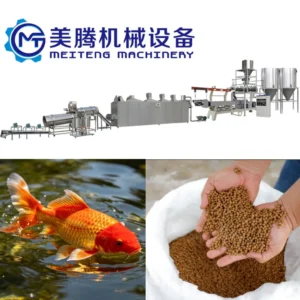
1.0-1.5t/h High Capacity Multi-Species Fish Feed Processing Line to Produce Fish Food
¥45,000.00 Select options This product has multiple variants. The options may be chosen on the product page -
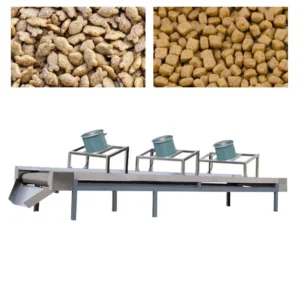
Full Automatic Pet Feed Production Line Large Twin Screw Grain Extrusion Machine
¥9,500.00 Select options This product has multiple variants. The options may be chosen on the product page -
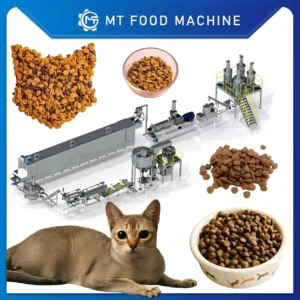
200-250kg/h Capacity PLC Controlled Multi-Species Dog Food Processing Line with MT-70 Extruder
¥35,000.00 Select options This product has multiple variants. The options may be chosen on the product page