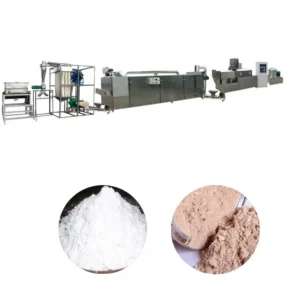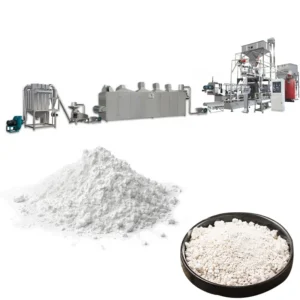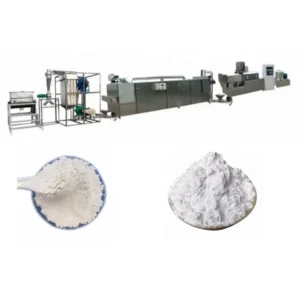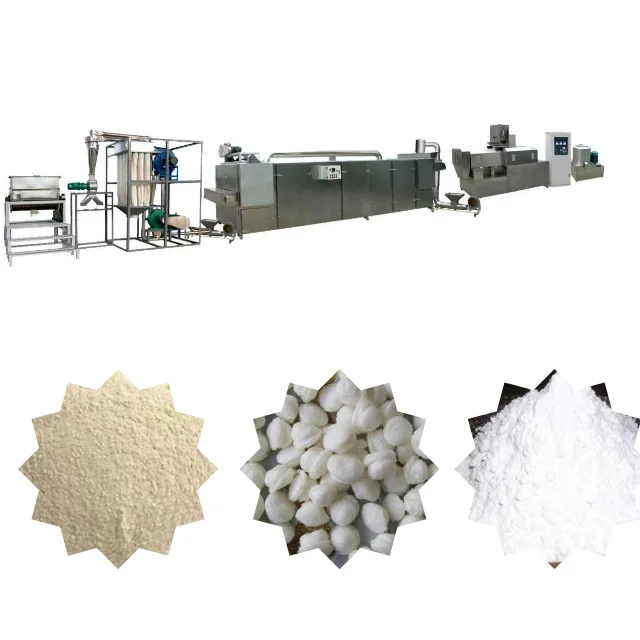


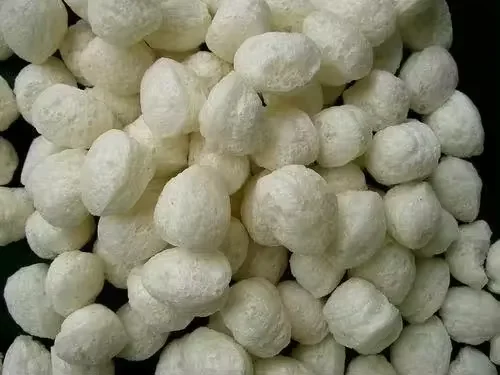
MT85 / MT100 / MT110 / MT135 Modified Starch Processing Line, Twin-Screw Extruder, Frequency Speed Control — complete turnkey layout from material blending through extruding, drying, grinding to packing, with throughput matched at every station to eliminate line bottlenecks. Screw and die configuration specified to your raw material — corn, tapioca, or potato starch — and target gelatinisation property.
- Dryer heating source configurable (electric / steam / gas) to match local utility conditions
- Stainless steel 304 contact parts throughout all food-touch zones
- In-house trial run on your raw material before shipment, with full test report provided
Description
Integrated Line Engineering — every station from material blending through packing is throughput-matched on the same floor plan, eliminating bottlenecks that appear when extruders, dryers, and grinders are sourced separately.
Technical Specifications
| Parameter | Value |
|---|---|
| Model | MT85 / MT100 / MT110 / MT135 |
| Product Type | Modified Starch Processing Line |
| Screw Type | Twin Screw |
| Installed Power | 90 kW (MT85) / 180 kW (MT100) / 200 kW (MT110) / 240 kW (MT135) |
| Real Consumption | 63 kW (MT85) / 120 kW (MT100) / 150 kW (MT110) / 165 kW (MT135) |
| Output Capacity | 100–200 kg/h (MT85) / 500–600 kg/h (MT100) / 500–600 kg/h (MT110) / 1000–1500 kg/h (MT135) (basis not stated in source — confirm raw material type and moisture content) |
| Control System | Frequency speed controlling system |
| Line Stations | Materials preparation → Material blending → Mixing → Extruding → Drying → Grinding → Packing |
| Dryer Heating Source | Electric / Steam / Gas (configurable) |
| Grinding Fineness | Less than 10 mm |
| Contact Material | Stainless Steel 304 (food touch parts) |
| Automation Features | Automatic lubricating and cooling |
| Certification | CE |
Application Suitability
| Application | Material or Output |
|---|---|
| Pre-gelatinized starch for food processing | Corn starch, tapioca starch, potato starch |
| Modified starch for textile sizing | Corn starch, tapioca starch |
| Denatured starch for paper making | Corn starch, potato starch |
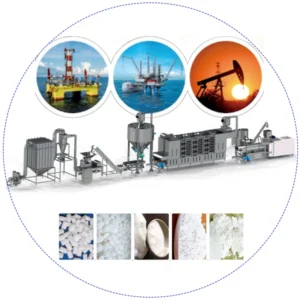
| Pre-gelatinized starch for oil drilling fluids | Corn starch, tapioca starch |
| Modified starch for construction additives | Corn starch, potato starch |
What "500 kg/h Output" Leaves Out About Your Starch Source
Capacity numbers mean nothing unless they are tied to the exact raw material and moisture content you will actually run.
I remember a project for a Southeast Asian buyer where we sized the line around corn starch trial data. The buyer switched to tapioca starch after delivery, and the viscosity targets were nowhere close — we spent two extra weeks on site reworking barrel temperatures and screw spacing. A modified starch processing line turnkey is only as reliable as the raw material data behind it. When capacity is quoted without specifying whether the basis is corn, tapioca, or potato starch — or what moisture percentage was assumed — the number on the nameplate becomes a starting guess rather than a production guarantee [NEED_CITE: starch gelatinisation temperature differences by botanical source].
How Screw Configuration Tracks Your Starch Behaviour
The twin screw extruder in this modified starch processing line turnkey runs with a frequency speed controlling system, which matters because different starch sources gelatinise at different shear and temperature thresholds. Corn starch tolerates higher barrel zones without cross-linking, while tapioca starch requires gentler shear to avoid unwanted viscosity drops. The screw element sequence and barrel temperature profile are specified to the buyer’s raw material before production starts.
Why Dryer Sizing Decides Whether You Hit Target Moisture
Starch leaves the extruder at a moisture level far above what the grinding station can handle. The dryer in this line is available with electric, steam, or gas heating, selected against the buyer’s local utility conditions. If steam is cheap and reliable at the site, a steam-heated dryer cuts running cost compared to electric elements. The dryer capacity is matched to the extruder output so that residence time is sufficient to bring moisture down to the range where grinding produces a consistent particle size below 10 mm. Undersized drying is one of the most common reasons a starch line fails to meet its gelatinisation degree specification [NEED_CITE: residence time calculation for starch drying in extrusion lines].
Reading the Power and Capacity Figures Honestly
The installed power ranges from 90 kW on the MT85 to 240 kW on the MT135, while real consumption sits at roughly 65–70 percent of that figure because the frequency drive modulates motor load during steady-state extrusion. Output capacity is listed across four models, but each value depends on raw material type and inlet moisture — corn starch at 12–14 percent moisture behaves differently from tapioca at 18 percent. The Stainless Steel 304 contact surfaces are specified for food-grade starch applications, preventing iron contamination that would discolour the final powder. Automatic lubricating and cooling keeps the screw bearings within temperature limits during continuous shifts.
The Cost of Skipping the Trial Run
Buyers who approve a line layout without a factory trial on their own raw material often discover problems only after installation. Screw pitch that works on corn starch may over-shear tapioca, producing a pasty mass that clogs the dryer infeed. A mismatch between extruder output and grinding capacity means product backs up in the cooling conveyor, absorbing ambient moisture and losing the gelatinisation degree the market requires. These issues are fixable, but fixing them on site instead of in the testing workshop adds weeks to commissioning [NEED_CITE: typical commissioning delays from raw material mismatch in starch extrusion].
Why Buyers Source This Line From One Supplier
The complete modified starch processing line turnkey is configured under a single supplier, so throughput at every station — blending, extruding, drying, grinding, packing — is calculated together rather than assembled from independent quotes. Screw and die configuration is documented against the buyer’s raw material and target starch property. The in-house testing workshop runs the buyer’s actual starch before shipment, producing a trial report that becomes the baseline for on-site commissioning. Pre-sales engineering covers line layout, utility planning, and voltage confirmation, reducing the back-and-forth that delays factory build. Ongoing maintenance support and wear parts supply are structured around the specific screw and barrel set installed.
Documentation & Verification
- Line layout and capacity calculation specifying throughput at each station against your starch type
- Screw and die configuration record matched to your target gelatinisation degree
- Trial run report on your raw material from the in-house testing workshop
- Electrical schematic with voltage and control language confirmed before production
- CE declaration of conformity covering the full extruder and dryer assembly
- Wear parts list with part numbers for screws, dies, and dryer seals
Installation, Commissioning & Support
- Foundation plan accounts for the MT135 footprint and 240 kW power feed with dedicated circuit breaker
- Dryer utility connection specified to the chosen heating source — steam piping, gas line, or electrical bus
- Modular delivery allows the twin screw extruder and dryer to pass through standard container-loading doors
- First-run commissioning includes barrel temperature profiling and screw speed tuning on your starch
- Operator training covers frequency drive adjustment, automatic lubrication checks, and emergency stop sequence
- Wear parts kit includes spare screw elements and die inserts for the first replacement cycle
What We Need to Move From Inquiry to Line Proposal
Send your raw material type — corn, tapioca, or potato starch — along with the inlet moisture percentage and your target gelatinisation degree or viscosity specification. Include the available voltage and frequency at your site, and whether steam or gas is accessible for the dryer. If you have an existing upstream blending system or downstream packing line, share the equipment details so the layout can integrate with them.
Frequently Asked Questions
Q: How is line capacity verified against my specific raw material and target starch property?
A: We run your actual starch — corn, tapioca, or potato — through the twin screw extruder in our testing workshop, recording barrel temperatures, screw speed, and moisture data. A trial report documents the output rate and gelatinisation degree achieved, and those figures become the contractual capacity basis for your modified starch processing line turnkey.
Q: How do you ensure throughput matching between extruder, dryer, and grinding stations?
A: Each station is sized during the layout phase so that the dryer residence time handles the moisture load from the extruder, and the grinding station processes the dried output without backlog. Throughput calculations are documented in the capacity sheet and validated during the factory trial run.
Q: What utility planning is included for voltage, steam, gas, and water supply?
A: The electrical schematic confirms voltage, frequency, and control language before production begins. The dryer heating source — electric, steam, or gas — is selected to match your site utilities, and connection drawings are provided for your contractor. Water supply requirements for the automatic cooling system are listed in the specification sheet.
Q: What does the phased installation and commissioning schedule look like on site?
A: Equipment arrives in modular sections for staged positioning on your prepared foundation. Commissioning follows a sequence from extruder barrel warm-up through dryer temperature stabilisation to grinding fineness verification. Each phase is signed off against the trial run baseline before the next station is brought online.
Related products
-
Twin-Screw Extrusion Line for Modified Starch. Producing Pregelatinized Adhesive & Food Grade Powder
¥65.00 Select options This product has multiple variants. The options may be chosen on the product page -
Pregelatinized Low-Cost Modified Starch Line – High-Efficiency Automated Starch Processing Machine
¥65.00 Select options This product has multiple variants. The options may be chosen on the product page -
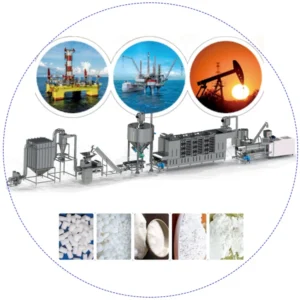
Automatic 304 Stainless Steel Modified Corn Starch Making Machine TWIN SCREW 500kg/h Capacity Starch Processing Production Line
¥50.00 Select options This product has multiple variants. The options may be chosen on the product page -
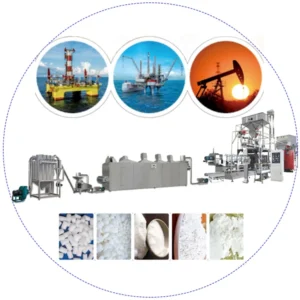
New Automatic Modified Starch Puffing Production Line – Long Service Life Pregelatinized Starch Equipment
¥65.00 Select options This product has multiple variants. The options may be chosen on the product page